REVIEW · CHIANG MAI
Chiang Mai: Morning Cooking Class with Market Visit
Book on GetYourGuide →Operated by Galangal Cooking Studio · Bookable on GetYourGuide
Food lessons beat recipes. This morning class pairs a real ingredient hunt with hands-on cooking at Galangal Cooking Studio. I love that you start with market shopping and end with a PDF recipe book you can use at home, not just photos. One thing to plan for: the schedule relies on early pickup, and the driver waits only briefly.
You also get to make dishes you actually see in Thai daily life, from Thai classics like Pad Thai to curry and soup options. I like the clear structure: starter, main, soup, curry paste, then dessert, plus plenty of staff guidance in English. A possible drawback is the extra visitor fee listed for adults and children, which you’ll want to budget for in addition to the base price.
In This Review
- Key highlights worth waking up for
- Hotel Pickup in Chiang Mai Old City: Getting the timing right
- The Local Market Stop: Smell, pick, and learn Thai ingredients fast
- Organic Garden and Herb Picking: How farming shows up on your plate
- The Cooking Studio: English-led skills in an air-conditioned setting
- Your 6 dishes: Choose from starter, main, soup, curry paste, and dessert
- Starter options you can pick
- Main course options: classic stir-fries and chicken favorites
- Soup options: decide between sour, coconut, and vegan coconut
- Curry paste and curry choices
- Dessert options: finish sweet, not heavy
- Eating what you cook: pacing that helps beginners succeed
- PDF recipe book: your real souvenir (and your future dinner plans)
- Dietary needs in this class: vegan, vegetarian, Halal, gluten-free
- Price and value: what $41 buys you in Chiang Mai
- Who should book this cooking class, and who might skip it
- Should you book Chiang Mai Morning Cooking Class with Market Visit?
- FAQ
- How long is the Chiang Mai morning cooking class with market visit?
- What dishes will I cook?
- Is hotel pickup and drop-off included?
- Where does pickup work in Chiang Mai?
- What languages are available for the instructor?
- Does the class support vegan, vegetarian, Halal, or gluten-free diets?
- What should I bring, and is anything not allowed?
- Is there an extra fee besides the $41 price?
- Can I cancel and get a refund?
Key highlights worth waking up for
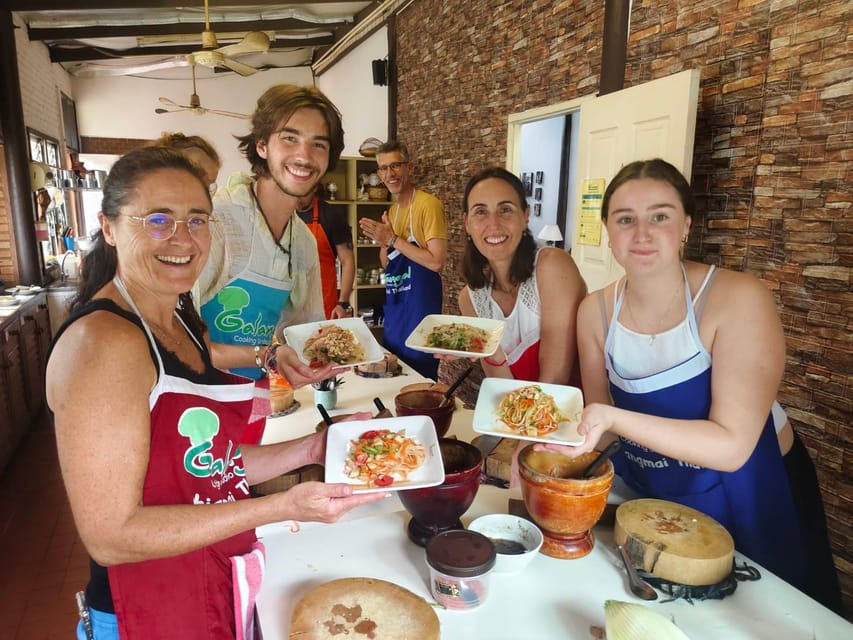
- Local market ingredient hunt with a focus on choosing fresh items you can identify later in your own kitchen
- Organic garden and herb picking that turns farming practices into flavors you can cook with
- Choose your menu across starter, main, soup, curry paste, and dessert so it fits your taste
- English instruction that keeps beginners from getting lost mid-chop
- Six dishes total plus time to eat what you cooked, so you leave full and confident
- PDF recipe book to repeat the same dishes after you get home
Hotel Pickup in Chiang Mai Old City: Getting the timing right
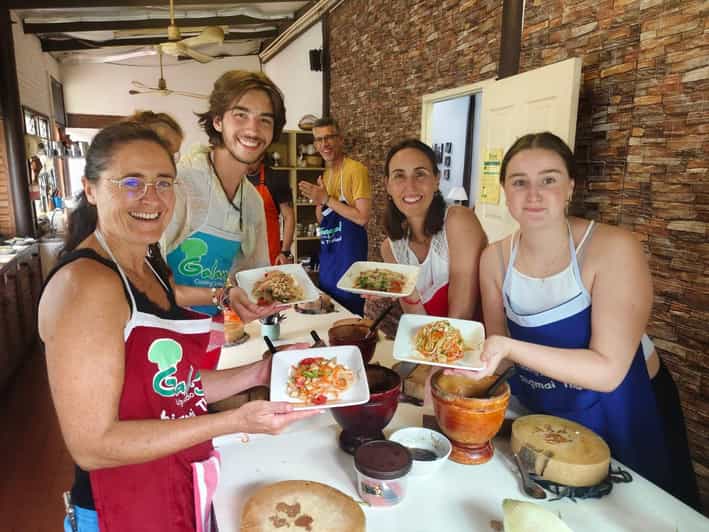
This starts with hotel pickup in Chiang Mai, usually between 8.30 and 9.00 AM. The driver arrives before 9.00 AM, but they will wait no longer than 5 minutes after your scheduled pickup time. That matters because your morning plan is built around getting you to the market early.
Pickup covers many hotels in the old city, Santitham, and along Huay Keaw road from Kad Suan Keaw to Maya Shopping Mall. It can also include some areas of Nimmandhaemin Road, Sirimongkrajan Road, Wat Ket Road, Chang Pheuk, Changklan, and Changmoi, depending on distance. If your hotel is outside the pickup area, you’ll be told ahead of time and you may need to make your own way to the cooking studio or the market.
Practical tip: if you’re not sure whether you’re in the pickup zone, confirm your pickup address before the morning. And if you prefer less stress, you can go directly to the cooking studio yourself.
You can also read our reviews of more shopping tours in Chiang Mai
The Local Market Stop: Smell, pick, and learn Thai ingredients fast
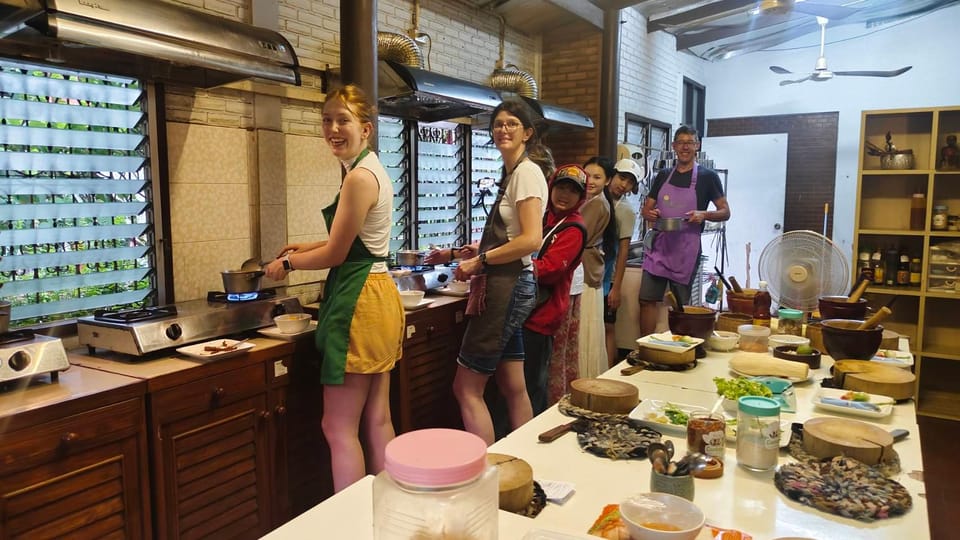
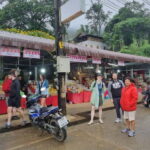
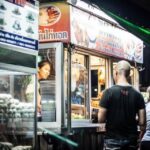
The market visit is the first big “wow” moment because it grounds the class in real ingredients. You’ll shop for items while you learn what’s available in Thailand and how ingredient choices affect the dishes.
In practice, this market stop is where you build your foundation. Thai cooking relies on aromatics and balancing flavors, and being able to point to what you’re buying helps you recreate meals later. You’ll likely see everything from herbs and vegetables to ingredients used in curry pastes and soups.
One useful note: the market tour is listed as depending on interest. If you’re the type who loves food details, you’ll get more out of it. If you’re short on time inside the market, focus on the herbs and sauces that match the dishes you plan to cook.
Also, the class includes skipping the ticket line, which reduces wasted waiting time once you arrive.
Organic Garden and Herb Picking: How farming shows up on your plate
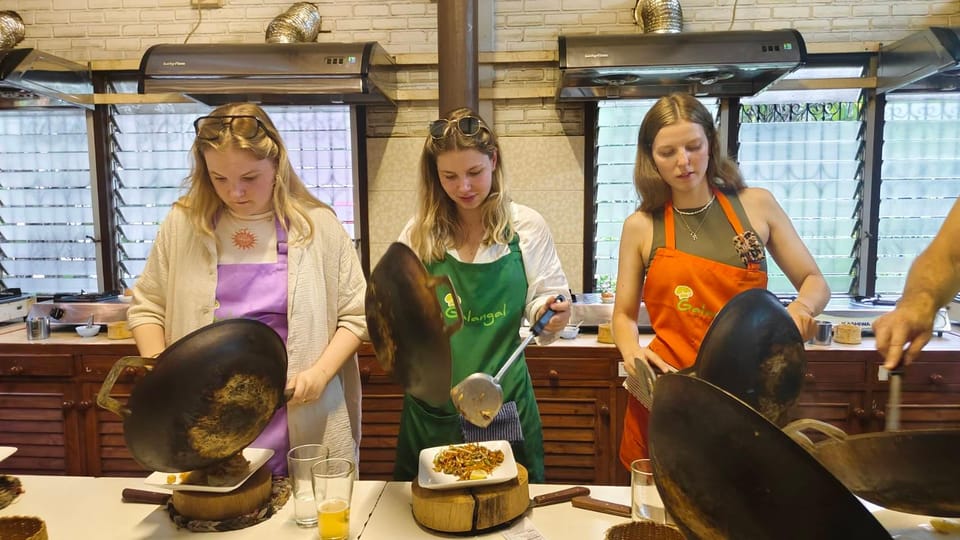
After the market, you head to an organic garden and farm area. This is more than a scenic break. You’ll explore how vegetables and herbs are grown in Thailand, and then you get to pick your own ingredients for cooking.
The value here is simple: you connect the dish to its raw material. You’re not just following instructions with store-bought herbs. You’re learning what herbs look like fresh, what you’re actually selecting, and how that ingredient might taste in a Thai kitchen.
If you enjoy food systems, this part gives you context for why Thai flavors can feel so “alive.” Herbs and vegetables chosen at the right stage can change texture and aroma. If you’re the practical type, you’ll also appreciate that the garden portion helps you understand how ingredient quality matters.
Keep in mind that an extra visitor fee is listed as not included (500 baht per adult, 350 baht per child aged 6–12). That can apply during this type of stop, so plan for it.
The Cooking Studio: English-led skills in an air-conditioned setting
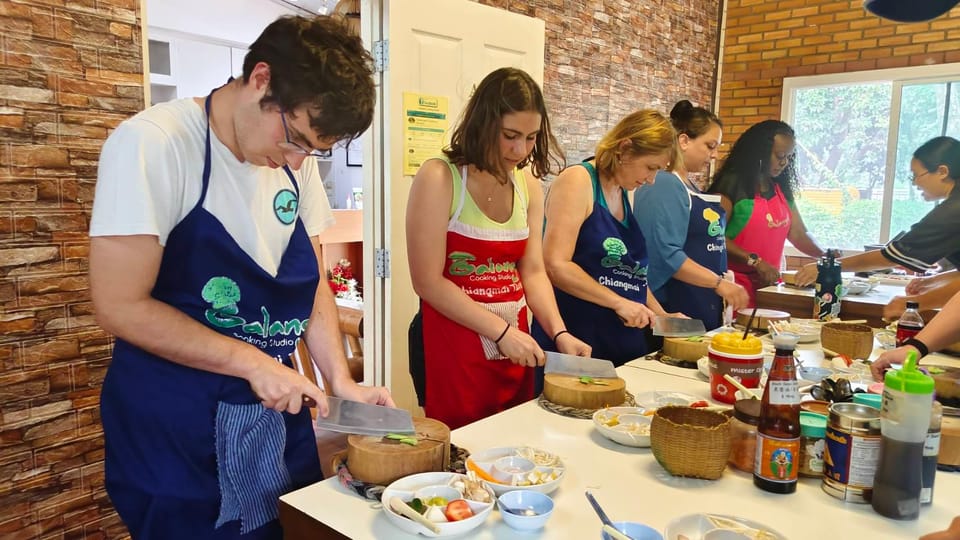
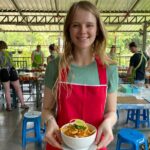
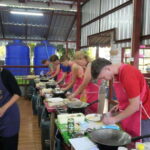
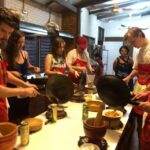
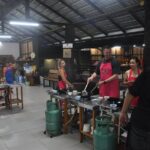
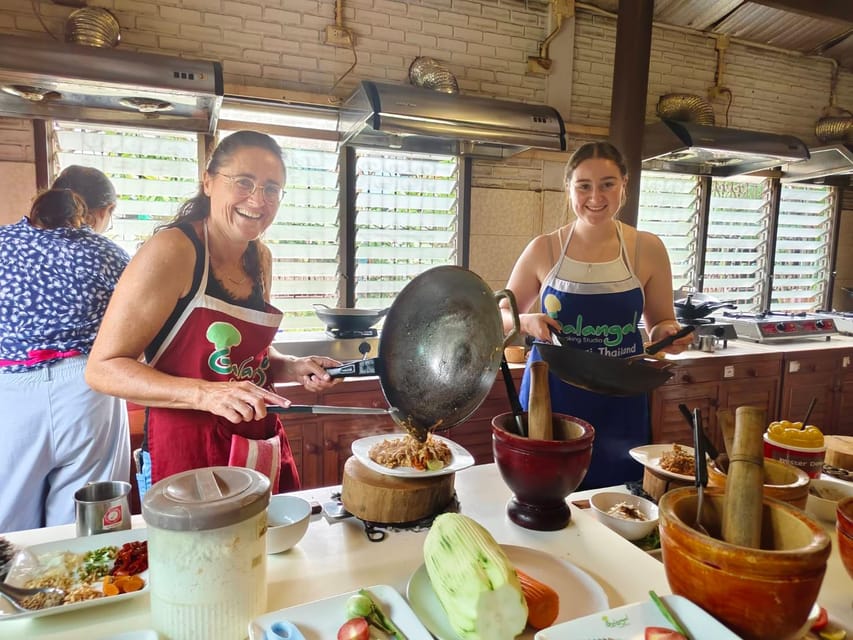
Once you’re back at the cooking studio, you’ll start your lesson. Instruction is in English, and the class is set up to be friendly for beginners. You’ll learn Thai cooking skills used across the dishes you make, and you’ll practice them step-by-step.
The overall structure is designed so you aren’t waiting around for hours. You’ll cook a total of 6 dishes and rotate through categories that match how Thai meals are built.
The dessert portion happens in an indoor, air-conditioned dining room, which is a nice break if Chiang Mai feels hot or humid.
What to bring is minimal: personal medication only. Alcohol and drugs aren’t allowed. And they ask you to come with an empty stomach, so you can really enjoy the food at the end without feeling too full before you start.
Your 6 dishes: Choose from starter, main, soup, curry paste, and dessert
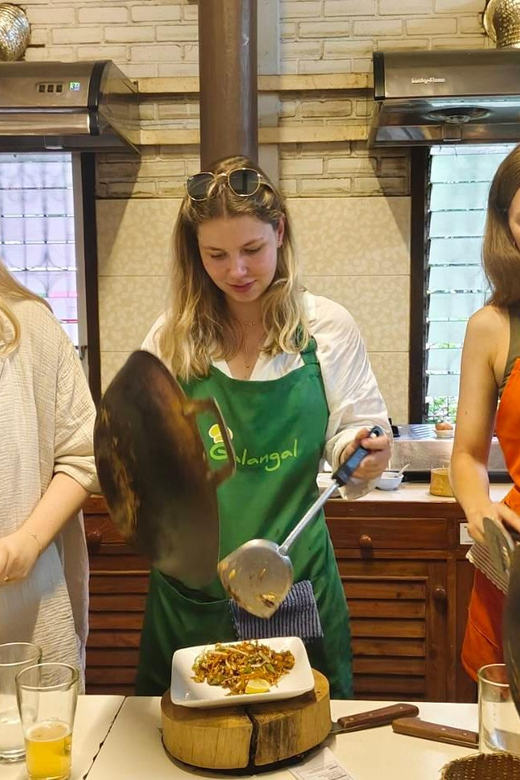
This is where you get real control over your experience. You choose your options, and the menu is broad enough that you can steer it toward mild, spicy, seafood-forward, or more vegetable-friendly.
You can also read our reviews of more tours and experiences in Chiang Mai


Starter options you can pick
You can choose one of these for the starter:
- Som Tam (papaya salad)
- Por Pia Thod (spring rolls)
- Larb Kai (chicken salad)
- Yam Woon Sen (glass noodle salad)
If you like bright, tangy flavors, Som Tam and Larb Kai are strong choices. If you want something with a different texture, spring rolls or glass noodle salad give you that chewy-springy balance Thai menus often use.
Main course options: classic stir-fries and chicken favorites
For your main dish, your choices include:
- Pad Thai (Thai fried noodles)
- Pad See Ew (stir-fried chicken with fresh noodles)
- Kai Pad Med Mamuang Him Ma Pan (chicken with cashew nuts)
- Pad Kaphao Kai (minced chicken with holy basil)
Pad Thai is the most widely recognized option, but Pad See Ew can be just as satisfying if you like savory noodles. If you’re curious about herb flavor, Pad Kaphao Kai is where holy basil does its job.
Soup options: decide between sour, coconut, and vegan coconut
You’ll also make soup, choosing from:
- Tom Yum Kung (hot and sour prawn soup)
- Tom Kha Kai (chicken soup with coconut milk)
- Tom Kha Je (vegan soup with coconut milk)
- Tom Zap Kai (hot and sour with chicken)
This is a great place to tailor the class to your comfort level with spice and seafood. Tom Kha options (including the vegan one) lean coconut-rich. Tom Yum and Tom Zap focus on hot-and-sour intensity.
Curry paste and curry choices
You’ll make curry and can choose among:
- Green curry
- Red curry
- Yellow curry
- Massaman curry
- Panang curry
Even if you’re not a curry person, this part teaches you why Thai curry tastes layered instead of flat. Curry paste is where aromatics, chili, and seasoning combine into a flavor base. Making it with guidance helps you understand the structure, not just the final sauce.
Dessert options: finish sweet, not heavy
For dessert, you can choose:
- Mango sticky rice with ice cream
- Kuay Tod (deep-fried banana)
Mango sticky rice is the safe, comforting choice. Fried banana is a crunch-and-warmth kind of finish. Either way, dessert is part of the fun because it shifts you from savory cooking to sweet Thai flavors without dragging the schedule.
Eating what you cook: pacing that helps beginners succeed
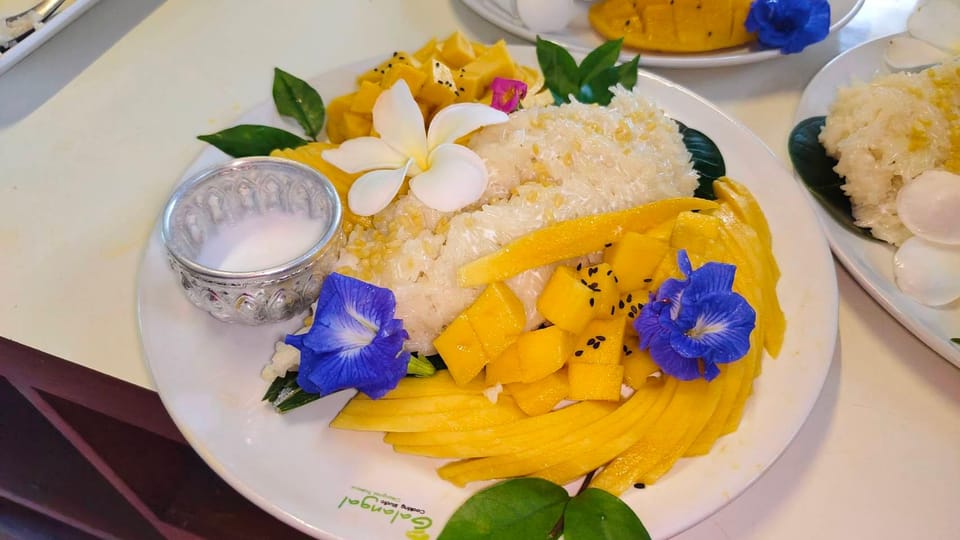
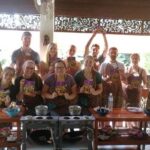
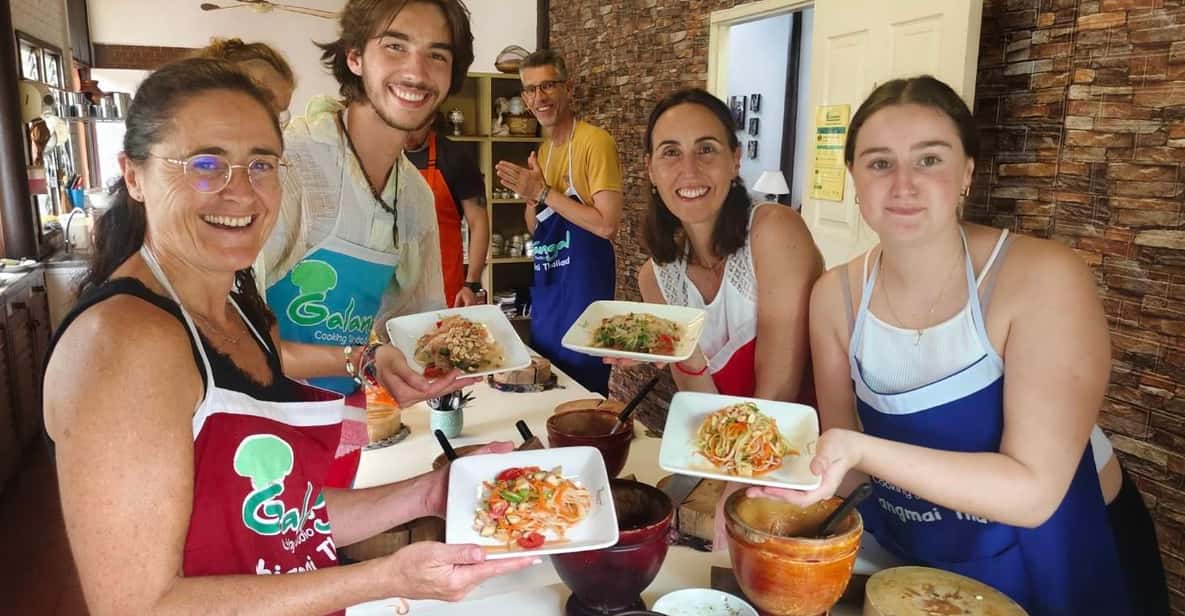
After you finish each dish, you eat what you made. This matters more than it sounds. When you taste your own food right after cooking, you learn faster. You notice what you nailed and what you might adjust next time, like seasoning strength or balance.
The class pacing is also listed as suitable for both cooks and beginners. That’s usually code for clear instructions and enough hands-on time that you aren’t stuck watching while others cook.
If you’re coming with kids, this can work well too. The class notes infant seats are available, and one experience described a young child being welcomed and able to cook alongside the group.
PDF recipe book: your real souvenir (and your future dinner plans)
At the end, you get a PDF recipe book. This is one of the best values in the entire experience because you’re leaving with a clear way to repeat what you cooked, not just memories.
A PDF recipe book is practical: you can search it on your phone while you cook later, and you can recreate the dishes based on the exact choices you made during class. If you’re the type who hates reinventing recipes, this saves you time.
It also helps you remember the ingredient names you saw at the market. That’s the whole point of starting with shopping: you build a vocabulary for Thai cooking.
Dietary needs in this class: vegan, vegetarian, Halal, gluten-free
This activity is listed as available for people who are vegan, vegetarian, and Halal, and it also supports gluten-free needs. If you have allergies, the data says they can accommodate allergies too.
What you should do: tell the provider your dietary needs clearly when you book. Then, when you arrive, confirm with your instructor which options you’ll cook. The menu includes vegan-friendly soup (Tom Kha Je) and multiple starters and mains that can often be adapted within Thai cooking styles.
This flexibility is a major reason the rating is so high. Thai food can feel intimidating when you have restrictions, but having options chosen ahead of time reduces uncertainty.
Price and value: what $41 buys you in Chiang Mai
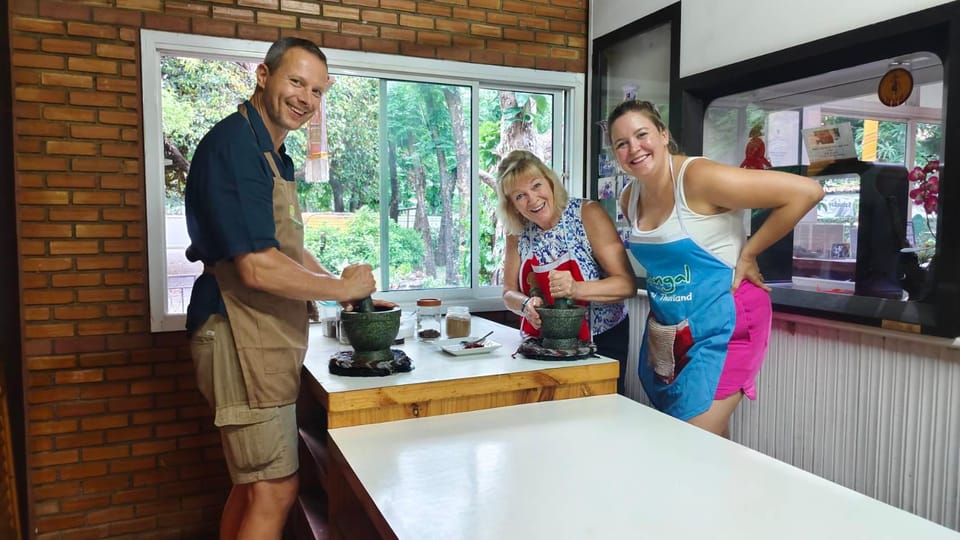
The price is listed as $41 per person for a 5-hour experience that includes hotel pickup and drop-off, market and garden stops (depending on interest), all ingredients and equipment, staff instruction, plus water, tea, and coffee. You also get the PDF recipe book.
That price is meaningful when you compare it to what you’d otherwise pay for:
- a guided market experience,
- a cooking lesson,
- and the ingredient and equipment costs,
all in one morning.
One extra cost to plan for is the visitor adult fee of 500 baht per adult and 350 baht per child (6–12 years), which is not included. If you’re traveling as a family, that can change the final total, so check before you go.
Also note: there’s a base price per person, so the more people in your group, the more it can add up fast. On the flip side, if you’re going solo, you’re still getting a full teaching day worth of dishes.
Who should book this cooking class, and who might skip it
I’d book this if you want a morning activity that’s equal parts food education and real cooking. This isn’t just eating street food at random. It’s a guided path from ingredients to techniques to a finished meal, including 6 dishes and dessert.
It’s also a strong fit if you care about practical cooking skills and want recipes you can use at home in a straightforward format. The English instruction helps if your Thai is basic or nonexistent.
You might consider another option if:
- you hate early starts and tight pickup windows,
- you’re sensitive to an extra visitor fee (500 baht adult / 350 baht child),
- or you prefer a more flexible itinerary with less structure.
Should you book Chiang Mai Morning Cooking Class with Market Visit?
Yes, book it if you want a morning that feels grounded in real Thai food, not just a staged cooking show. The best reason to go is the combination: market shopping + organic herb picking + cooking 6 dishes + taking home a PDF recipe book. That bundle gives you more than one kind of memory.
If you’re budget-conscious, plan for the possible visitor fee. If you’re timing-sensitive, confirm your pickup details so you don’t miss the market start. And if you have dietary needs, book with your restrictions stated early so the kitchen can match the menu to you.
FAQ
How long is the Chiang Mai morning cooking class with market visit?
The duration is listed as 5 hours.
What dishes will I cook?
You will cook a total of 6 dishes. You can choose a starter (Som Tam, Por Pia Thod, Larb Kai, or Yam Woon Sen), a main (Pad Thai, Pad See Ew, Kai Pad Med Mamuang Him Ma Pan, or Pad Kaphao Kai), a soup (Tom Yum Kung, Tom Kha Kai, Tom Kha Je, or Tom Zap Kai), plus curry (green, red, yellow, massaman, or Panang). You’ll also make dessert (mango sticky rice with ice cream or Kuay Tod deep-fried banana).
Is hotel pickup and drop-off included?
Yes, hotel pickup and drop-off are included. You wait in the hotel lobby 5–10 minutes before the scheduled pickup time between 8.30 and 9.00 AM, and the driver waits no longer than 5 minutes after that time.
Where does pickup work in Chiang Mai?
Pickup is offered for hotels in the old city, Santitham, and Huay Keaw road from Kad Suan Keaw till Maya Shopping Mall, plus some areas of Nimmandhaemin Road, Sirimongkrajan Road, Wat Ket Road, Chang Pheuk, Changklan, and Changmoi (where some areas are far).
What languages are available for the instructor?
The instructor provides instruction in English.
Does the class support vegan, vegetarian, Halal, or gluten-free diets?
Yes. The activity is listed as available for vegan, vegetarian, Halal, and gluten-free needs, including people with allergies.
What should I bring, and is anything not allowed?
Bring personal medication. Alcohol and drugs are not allowed. You’re also advised to come with an empty stomach.
Is there an extra fee besides the $41 price?
A visitor adult fee of 500 baht per person and a visitor child fee of 350 baht per person (ages 6–12) are listed as not included. The base price includes the rest of the class components.
Can I cancel and get a refund?
Yes. There is free cancellation, with a full refund if you cancel up to 24 hours in advance.
If you tell me your travel dates and whether you have dietary restrictions, I can help you pick which dishes are the best match for your taste and comfort level with spice.