REVIEW · CHIANG MAI
Unique Tour Unknown Chiang Mai
Book on Viator →Operated by Chiang Mai Bicycle · Bookable on Viator
Chiang Mai feels different when you slow down. This 3-hour bicycle tour trades the usual checklist for narrow lanes, a silver-toned temple, and real neighborhood stops like Khlong Mae Kha and Warorot Market. I especially like how the route is built around everyday places, and how Win (when he’s your guide) turns quick sights into clear, practical context you can actually use.
One thing to consider: the time at each stop is short (often around 15 minutes), so if you want long wandering time or a big food focus, you may feel a bit rushed—especially since a couple of guests reported hiccups with timing and coordination.
If you want a small group (up to 8) ride that helps you get oriented fast and shows you more local texture than most day tours, this one is a strong fit.
In This Review
- Key highlights
- Why this Chiang Mai bike tour avoids the usual checklist
- Starting at Loi Kroh Rd: where the ride gives you instant context
- Cruising the small alleys for 90 minutes (Stop 1: Chiang Mai)
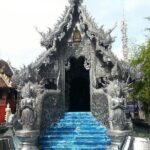
- Wat Muen San Temple’s silver look (Stop 2: a short but meaningful visit)
- Khlong Mae Kha and the Japanese canal story (Stop 3: a different Chiang Mai)
- Wat Ket Karam Museum: a pause that breaks up the streets (Stop 4)
- Warorot Market (Kad Luang): the big social finale (Stop 5)
- Electric bicycles for a THB 300 surcharge: who should choose it
- Small-group energy, English support, and how to ride smart
- Price and value for a $63 Chiang Mai bicycle tour
- Potential rough spots: timing and food expectations
- Who should book this tour, and who might prefer something else
- Should you book Unique Tour Unknown Chiang Mai?
Key highlights
- Up to 8 people means less crowding and more chance to ask questions
- Easy-to-moderate cycling pace suits most travelers who can ride a bike
- Wat Muen San admission included while other stops are free to enter
- Khlong Mae Kha (Japanese canal) gives you a different side of Chiang Mai than temples alone
- Warorot Market (Kad Luang) is the big social stop for sights and local snacks
Why this Chiang Mai bike tour avoids the usual checklist
Most Chiang Mai sightseeing routes feel like they were designed for the fastest possible photos. This one aims for something else: moving through the city in a way that matches how neighborhoods actually function. You start in central Chiang Mai, then spend the ride time threading through small alleys and local areas rather than doing back-to-back big-ticket sites.
Two things I love about this style of tour. First, it’s built for getting your bearings quickly—when you’re on a bike, you notice things you miss on foot or from a van. Second, the stops are varied: temple, canal area, a museum, and then the market. That mix helps you understand Chiang Mai as more than one type of attraction.
The main drawback is the pacing. It’s about three hours total, so you’ll get a taste at each place rather than a long, slow visit. If you’re the type who wants to linger for a half hour in every temple photo spot, you might want a separate add-on day for that.
You can also read our reviews of more tours and experiences in Chiang Mai.



Starting at Loi Kroh Rd: where the ride gives you instant context
The meeting point is at Chiang Mai Bicycle (66/2 Loi Kroh Rd, Tambon Chang Moi, Amphoe Mueang Chiang Mai, Chang Wat Chiang Mai 50100), and the tour returns to the same place at the end. That matters more than it sounds. You’re not stuck figuring out logistics after you’re done; you come back to a familiar anchor point and can continue on your own.
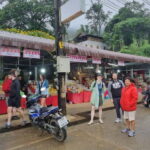
From the start, the route quickly shifts to “local Chiang Mai” mode. You spend about 1 hour 30 minutes cruising through small alleys, which is a big part of why this tour works. Those lanes are where the city’s personality shows up: storefronts, scooters, people moving between destinations, and that in-between rhythm that doesn’t show up on a typical hop-on bus route.
Tip for your first minutes: keep your camera accessible, but don’t lead with it. The alley cruising period is when you’ll start understanding the layout of the neighborhoods. If you spend the whole time filming, you’ll miss the way the streets connect and the little everyday scenes that make it feel real.
Cruising the small alleys for 90 minutes (Stop 1: Chiang Mai)
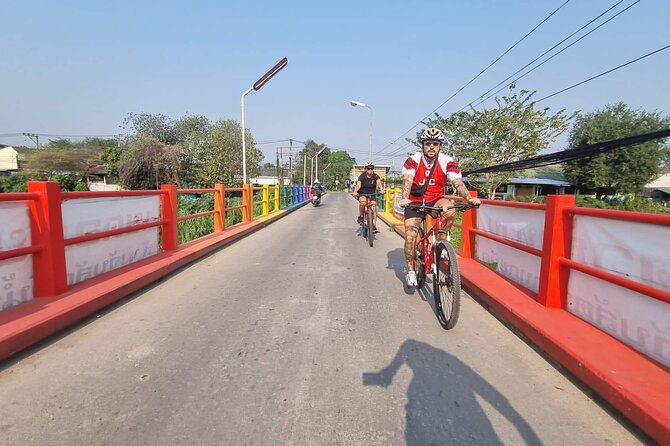
Stop 1 is essentially the tour’s foundation: a long stretch riding through Chiang Mai’s famous narrow lanes. This portion is listed at 1 hour 30 minutes with no admission fee. That timing is useful because it’s long enough for your body to settle into the ride and your brain to start mapping the area.
I like this structure because you get movement and orientation before you hit indoor or stop-and-look locations. You’re not boiling your brain on temples first; you’re letting the streets teach you what’s nearby. And since you’re on a bicycle, you’re close enough to see real details, but still moving enough to cover ground.
Possible consideration: if you’re new to biking or you get tense on busy roads, tell your guide early. The tour is described as suitable for most travelers, and many guests say the ride feels manageable, but you’ll still want a steady pace and clear guidance.
Wat Muen San Temple’s silver look (Stop 2: a short but meaningful visit)
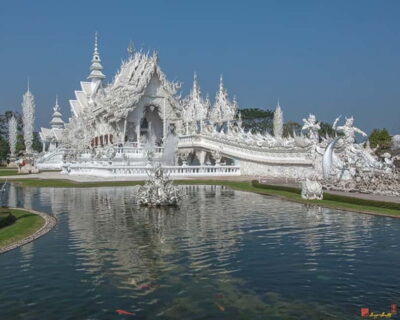
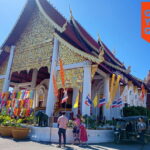
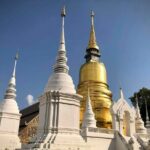
Then you slow down for Wat Muen San Temple, a stop called out for being a silver tenple that’s “unknown” compared with the headliner temples. The visit time is 15 minutes, with admission included.
Why it’s worth that quick stop: lesser-known temples often feel calmer and less performance-driven. With only 15 minutes, you won’t overdo it—you’ll get the signature visual impression, plus a bit of explanation from your guide. And because you’re only paying for this one temple as part of the tour, it’s also a straightforward value moment.
Watch for a simple trade-off: a short visit means you’ll see the standout parts, not every corner. If you love photographing architecture and inscriptions, you may want to come back later on your own for deeper exploring.
Khlong Mae Kha and the Japanese canal story (Stop 3: a different Chiang Mai)
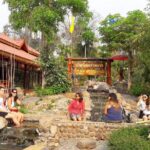
Next up is Khlong Mae Kha, described as the Japanese canal, formerly a slum of Chiang Mai. That stop is 15 minutes, and entry is free.
This is the part of the tour that shifts the “what Chiang Mai means” conversation. Temples can explain belief and tradition, but a canal area tells you about daily life, city development, and how neighborhoods change over time. Even without a long walking tour, having this stop in the route makes the day feel less like an attraction circuit and more like a window into places people actually live around.
What to consider: because the stop is brief, you’ll likely get an overview rather than a full story. If you’re the type who likes to understand local context slowly, treat this as a starting point. You can follow up later with your own reading and longer visits.

Wat Ket Karam Museum: a pause that breaks up the streets (Stop 4)
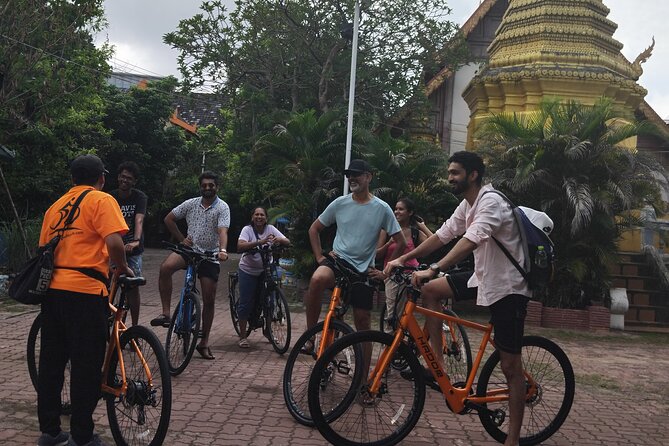
You’ll then visit Wat Ket Karam Museum for about 15 minutes. Admission is listed as free, and the stop is described simply as a beautiful museum.
This is a smart placement in the route. After the alley cruising and the street-level canal stop, the museum offers a pause—an indoor or at least more contained change of pace. It also adds variety: instead of focusing only on temples and markets, you get something that feels like culture and display, not just photo stops.
Because the time is short, I’d treat this like a “see what calls to you” stop. If something in the museum catches your eye—artwork, artifacts, design details—flag it mentally, because you might want a longer visit later when you have more time.
Warorot Market (Kad Luang): the big social finale (Stop 5)
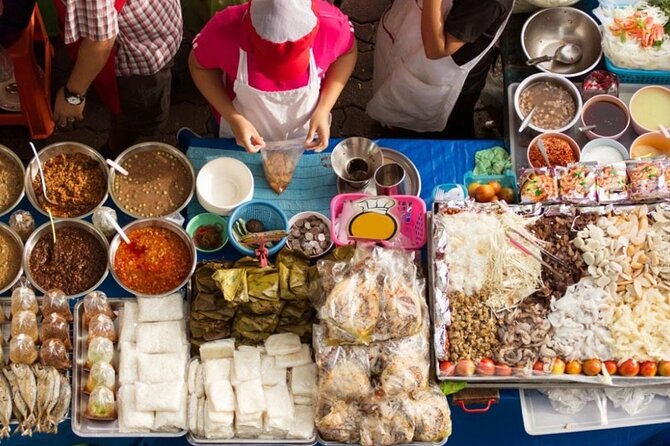
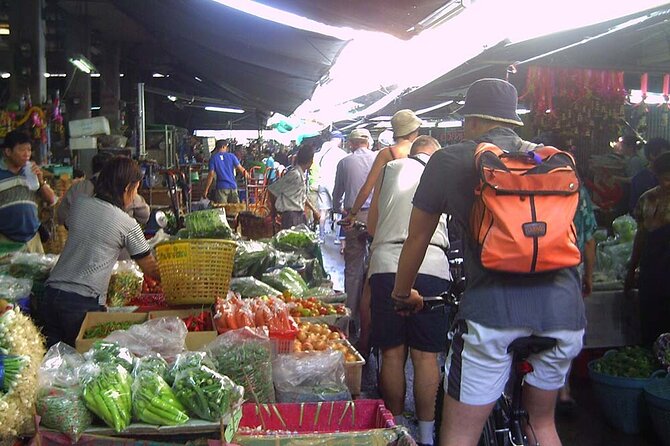
The last major stop is Warorot Market (Kad Luang), which is described as the most famous market in Chiang Mai. You get 15 minutes here, and it’s free to enter.
This is where the tour shifts from sightseeing to social energy. Markets show you what people buy, what’s ready to eat, and how locals move through a space. Even in a short window, it’s the best kind of ending: you can grab quick bites, notice product variety, and soak up the noise and flow.
A key reality check: several guests mention that food is often more satisfying earlier in the day and that the market can feel less intense later. So if your priority is eating, go in with a plan: walk straight to what looks easy to try, take a bite or two, and keep moving before the 15 minutes disappears.
Electric bicycles for a THB 300 surcharge: who should choose it
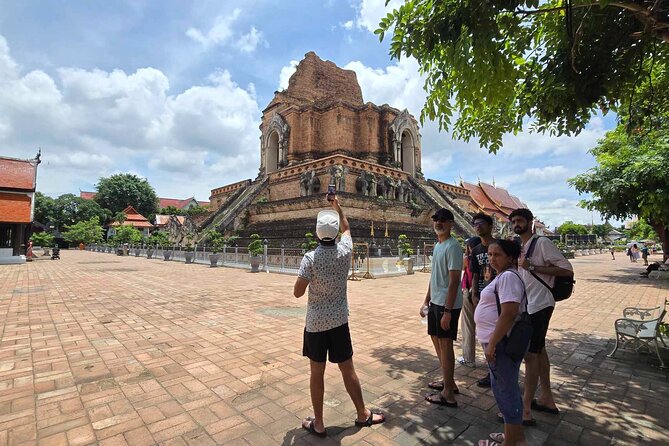
There’s an optional upgrade: electric bicycles are available for a THB 300 surcharge. If you want it, you’re told to mention it in the booking form under additional notes.
Here’s how I’d decide. If you’re traveling with limited biking stamina, electric support can turn “maybe I can handle it” into a confident, relaxed ride. If you’re already comfortable on a bike and want to keep things simple, you can probably stick with the standard option. Either way, the core point is that the tour is designed for most travelers to participate, and the bike choice just affects comfort.
Small-group energy, English support, and how to ride smart
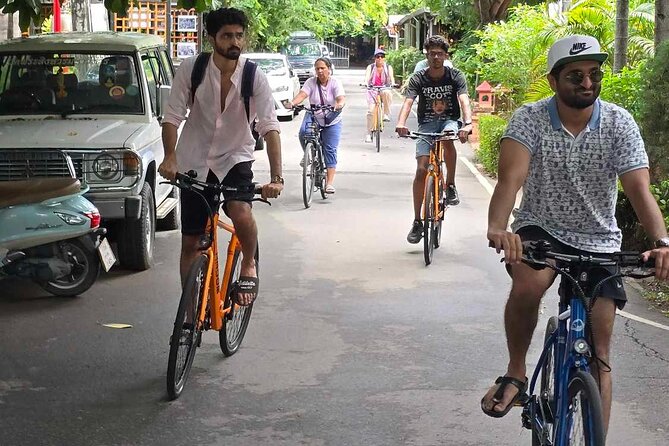
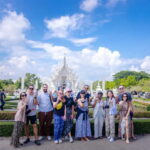
The tour caps at 8 travelers, which is a big deal on a street-focused ride. With fewer people, your guide can keep an eye on the group, adjust pace, and answer questions without yelling over traffic.
You’ll also get real human guidance. One standout detail from guest feedback is that Win spoke good English and gave clear history around the monuments, food, and culture. That’s important because the value of a short stop depends on whether you understand what you’re looking at, not just whether you can point and shoot.
Practical riding tips you’ll thank yourself for:
- Wear comfortable shoes with grip. Thai sidewalks can change from smooth to slick fast.
- Bring water and sun protection, even if the route is mostly short stops.
- If you’re unsure about the pace, tell the guide before you start so they can set you up right away.
Price and value for a $63 Chiang Mai bicycle tour
At $63 for about 3 hours, this tour sits in the “good value” category because the experience isn’t only sightseeing. You’re paying for four things at once: a guided route, transportation by bicycle, admission handling for at least one temple, and time efficiency.
Here’s the breakdown that matters for value:
- Several stops have no admission fee on the tour (including the alley cruising, Khlong Mae Kha, Wat Ket Karam Museum, and Warorot Market).
- Wat Muen San Temple has admission included.
- You’re getting a guided structure across multiple neighborhood types in one morning-leaning block of time.
If you were to recreate this on your own, you’d spend time figuring out routes, paying for your own entry costs, and arranging a bike solution. This tour compresses that planning work into a single price, and that’s a real convenience win—especially if it’s your first days in Chiang Mai.
That said, the ride is short at each stop. So it’s value for “seeing and understanding,” not value for “spending an hour in every place.”
Potential rough spots: timing and food expectations
No tour runs perfectly every single time. A few guests reported issues like the tour starting late and confusion about what was supposed to happen next. That’s worth taking seriously—not to scare you off, but to avoid disappointment.
My practical advice: if you have another appointment soon after your tour, keep a buffer. A three-hour activity can run long if there’s a coordination problem, and since one stop is a market, you don’t want to rush through it because you’re sprinting to catch a later plan.
Food expectations also deserve a reality check. The experience includes market time and local-food tasting moments are mentioned, but one unhappy review argued there wasn’t enough of an authentic food experience. That tells me the “food focus” depends on timing and how the guide chooses snacks within the short market window. If food is your main goal, treat Warorot Market as an opportunity to try a couple things, not a full culinary tour.
Who should book this tour, and who might prefer something else
This is a great match if you want:
- A bike-based way to see Chiang Mai’s neighborhoods without a crowded bus feel
- A compact, guide-led route that includes canal life, museums, and markets
- A small-group experience (max 8) where you can actually get answers
You might skip it if:
- You’re looking for long, slow time in fewer places
- You want a strict, heavy food-only plan
- You’re very sensitive to schedule slip and don’t have any buffer time
Should you book Unique Tour Unknown Chiang Mai?
I’d book it if you like the idea of seeing Chiang Mai through its everyday spaces—alleys, canal areas, a silver-toned temple, and Warorot Market—while keeping the day short and manageable on a bicycle.
If you’re booking with the mindset of a “quick guided sampler” rather than a full-day deep experience, you’re likely to be happy. And if you want smoother odds, choose a time with no tight appointment right after, and consider the electric bike option if you want extra comfort.