REVIEW · CHIANG MAI
3-Day Chiang Dao Mountain Trek
Book on Viator →Operated by ActiveThailand · Bookable on Viator
This trek feels like you slipped into the wild. I love the small-group pace and the fact you hike deep into Chiang Dao’s hills, not just scenic viewpoints, and I also love the home-cooked meals and homestay experience that make the trail feel human, not touristy.
One thing to be clear about: this is a physically demanding 3 days, with long hiking on uneven ground and a tough day in the middle.
In This Review
- Key things to know before you go
- Getting out of Chiang Mai: pickup, timing, and the real start
- Price and value: what $256 really buys you
- Your guide makes the difference: Tan, Sap, and “walking with a translator”
- Day 1: the market stop and your first real hours in Chiang Dao hills
- Day 2: jungle and ridge trails—the toughest day
- Day 3: the descent to the Maetang River valley
- Homestays and meals: real life, with a side of village sounds
- Small-group size: why the hike feels personal
- What you need to bring (and why the 45L limit matters)
- Fitness check: what “moderate fitness” looks like in real terms
- Who should book this trek
- Who should probably choose something else
- Should you book the 3-Day Chiang Dao Mountain Trek?
- FAQ
- FAQ
- How long is the Chiang Dao Mountain Trek?
- Where is the pickup and where does it start?
- How many people are in the group?
- What meals are included?
- Are beverages included?
- What kind of accommodation do you get?
- Do I need a 45L backpack?
- Is the trek suitable for children?
- Can I request vegetarian meals?
- What fitness level do I need?
- What if weather is bad or the minimum number of travelers isn’t met?
- What’s the cancellation window?
Key things to know before you go
- Up to 10 guests (with an overall cap of 12) means you’re not swallowed by a crowd.
- Included transport and hotel pickup takes the stress out of getting to the trailhead area.
- Local guide-led trekking with plant-and-nature spotting adds real context to every mile.
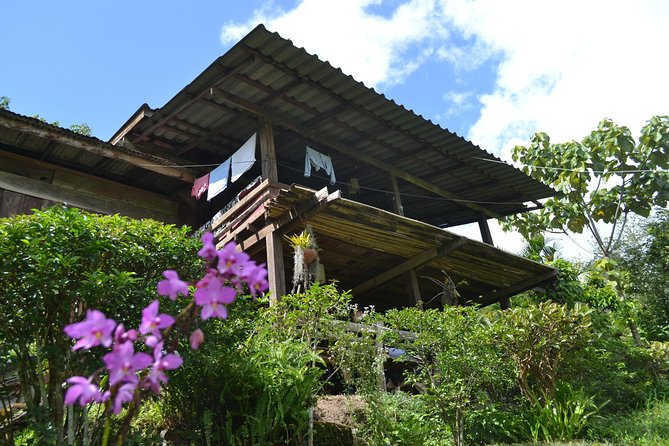
- Homestays with hill-tribe life give you a night under local rhythms, not hotel routines.
- A 45L backpack rule keeps the experience hiking-focused and helps with comfort on narrow paths.
- Expect real jungle trail work when paths get overgrown and your guide has to clear the route.
Getting out of Chiang Mai: pickup, timing, and the real start
Chiang Dao is close enough to reach easily, but far enough to feel like a different world once the vehicle starts heading north. The trip begins with pickup in Chiang Mai city for hotels within the second ring road radius. Then you’ll drive out to escape the city air and ease into the region.
Timing is straightforward but slightly flexible in real life. One schedule shows pickup around 8:30am, while the listed start time is 9:00am. Either way, plan for an early morning. It’s worth it. You’re not spending your first day stuck behind traffic or waiting around with jet-lag.
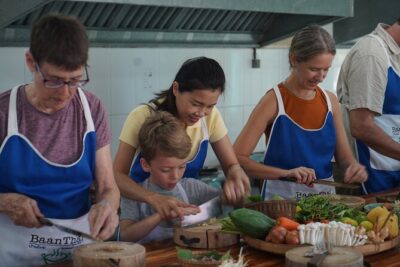
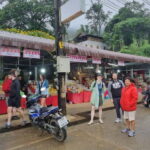
The initial stop includes a local market. Your guide uses it as a quick living classroom, explaining ingredients along the way. I like that approach because it sets expectations for the food portion later, especially when meals start coming straight from homestay kitchens.
You can also read our reviews of more hiking tours in Chiang Mai
Price and value: what $256 really buys you
At $256 for about 3 days, the value is in the “whole package” pieces that are often extra on trekking trips: guide time, meals, and round-trip transport. You’re not just paying to be dropped off with a map.
Here’s what’s included in the core experience:
- 2 breakfasts, 3 lunches, 2 dinners
- Round-trip transport from Chiang Mai
- Guided hiking with a small group
- Homestay accommodation as part of the route
What’s not included: beverages at homestays or restaurants, plus personal spending. That’s normal, but I’d treat it as a budgeting note. You’ll want cash or a card that works for any extras you decide to grab mid-route.
Given the short duration, the included meals matter a lot. You won’t burn energy hunting for food, and you’ll actually eat like the people you’re walking with. That’s one of the big reasons this trek gets such strong marks.
Your guide makes the difference: Tan, Sap, and “walking with a translator”
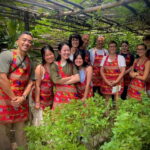
This trek’s most consistent theme is the guide. Names you may run into include Tan and Sap, and sometimes you’ll see a trainee or assistant along as well.
What you’re paying for isn’t just route knowledge. Your guide:
- points out useful plants and what they are (and sometimes lets you taste them)
- explains local life and how people live in the hills
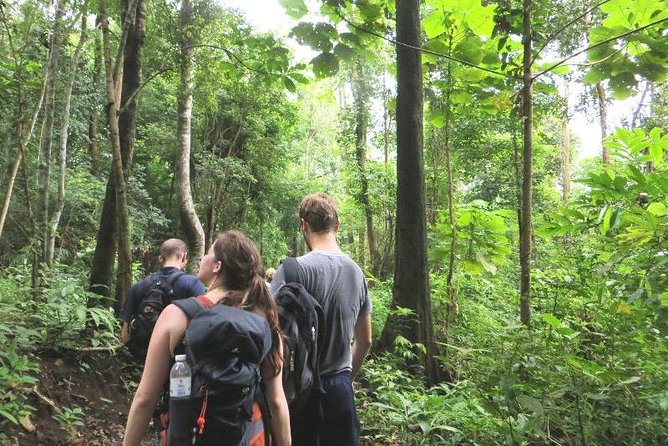
- keeps you moving safely through jungle trails and steep terrain
One review also mentioned trail cutting when the path gets overgrown. That’s a small detail, but it matters. It tells you the hike is active and real, not just following a groomed hiking lane.
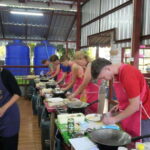
Guides like Tan and Sap aren’t only English-speaking presenters. They’re also cooks. And yes, cooking becomes part of your day, not just a meal at the end.
Day 1: the market stop and your first real hours in Chiang Dao hills
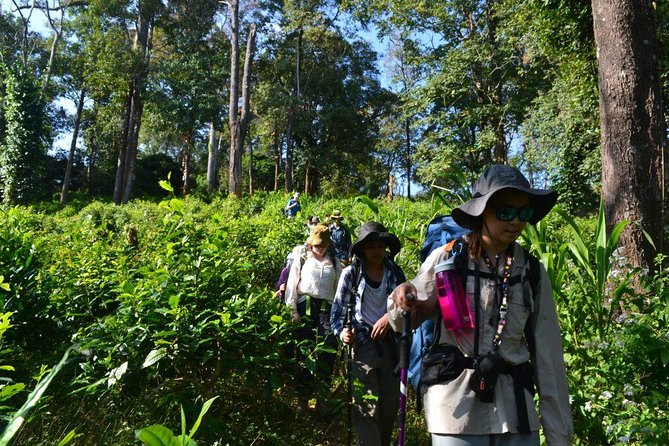
Day 1 starts with pickup and that market introduction, then the drive north into the Chiang Dao area. After that, you start moving on foot.
The exact walking time can vary by route and trail conditions, but one guest experience described roughly 4 hours walking on day 1. That fits the feel of the early day: enough hiking to get your legs working, but also enough pacing to keep the trek doable for the fitness level the tour asks for.
What makes day 1 special is the shift from city to mountain logic:
- You’ll start learning what the hills feel like underfoot: uneven ground, jungle edges, and paths that don’t look like “tourist trails.”
- You’ll start noticing how the guide reads the terrain.
If you’re arriving from Bangkok or a long-haul flight, day 1 is where you’ll either feel great immediately or realize you need a slower pace. I suggest taking the first hour easy. You’re saving energy for day 2.
Day 2: jungle and ridge trails—the toughest day
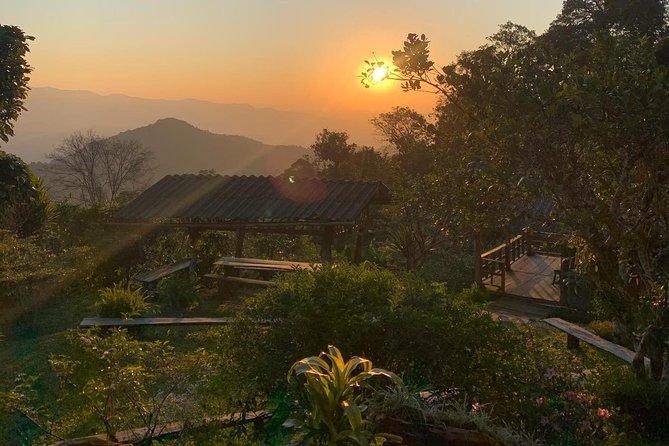
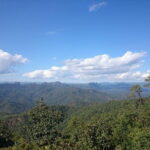
Day 2 is the one most people remember. The route is described as challenging, with jungle trails and criss-crossing paths plus ridgeline walking. Reviews consistently call it physically demanding, often because you get repeated climb-and-descend effort.
This is also where guide-led interpretation really comes alive. You’ll likely see plenty of plant spotting. Some guests highlight tasting local plants as a fun, memorable detail.
Expect the day to be long. One example experience mentioned 9 hours of walking on day 2, which lines up with the tour fitness requirement of being able to hike 5 to 6 hours on undulating terrain. Even if your walking time is less than that exact example, you should assume day 2 will feel like the workout day.
The nutrition you bring matters. Breakfast sets you up, and the itinerary includes meals on day 2 (breakfast and lunch, plus dinner). But this is still trekking. You’ll want to pace yourself like a hiker, not like you’re speed-running a photo shoot.
You can also read our reviews of more tours and experiences in Chiang Mai
Day 3: the descent to the Maetang River valley
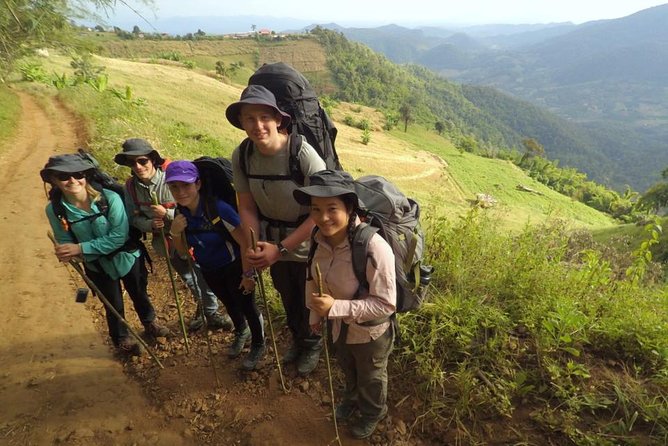
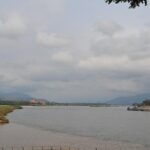
Day 3 starts with breakfast on the mountain before you begin the final movement. The key change is the direction and the scenery. You’ll do a three-hour descent into the Maetang River valley, and you can feel the terrain loosen under your feet.
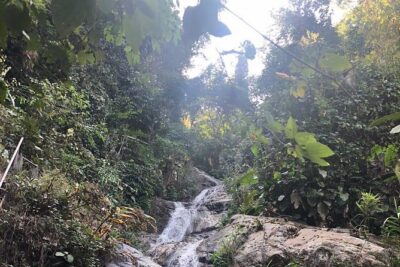
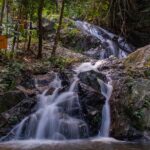
There’s a break at a waterfall and lunch in a tranquil riverside setting. Again, time can vary, but one guest described about 2 hours walking on day 3. The reason day 3 is shorter is the descent doing a lot of the “work,” while the route opens up and the group gets more breathing space.
If you have knee sensitivity, descents are your moment of truth. You don’t need to sprint downhill, ever. Take smaller steps. Let your legs learn the angle.
The day ends with transport back toward the meeting area in Chiang Mai. The trek doesn’t strand you. It stays framed as a supported experience.
Homestays and meals: real life, with a side of village sounds
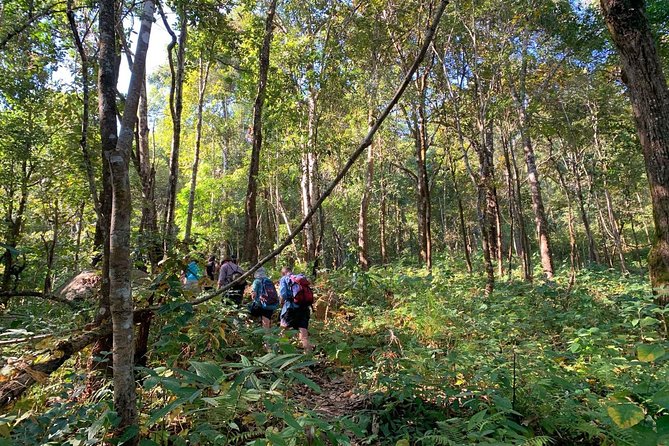
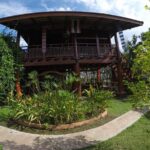
The homestay component is one of the strongest reasons to book this trek. You’re not just sleeping in a basic room. You’re staying in hill-tribe-style village settings where daily life continues around you.
Meals are also a standout. Multiple people mention how good the Thai food cooked on the trail is, and that the guide and cooking team handle dinner like it matters. One guest specifically praised cooking by the guide and assistant, plus campfire time.
A few comfort notes you should know:
- Accommodations are described as clean and basic-but-okay.
- Electricity may be available in some spots (one review mentioned solar power).
- Night noise is part of village life. Dogs, roosters, and sometimes other animals can be loud. If you’re a light sleeper, bring earplugs. It’s not optional comfort; it’s practical gear.
Seasonal notes pop up too. One review mentioned no mosquitoes in January, which is a reminder that timing can change your comfort level.
Small-group size: why the hike feels personal
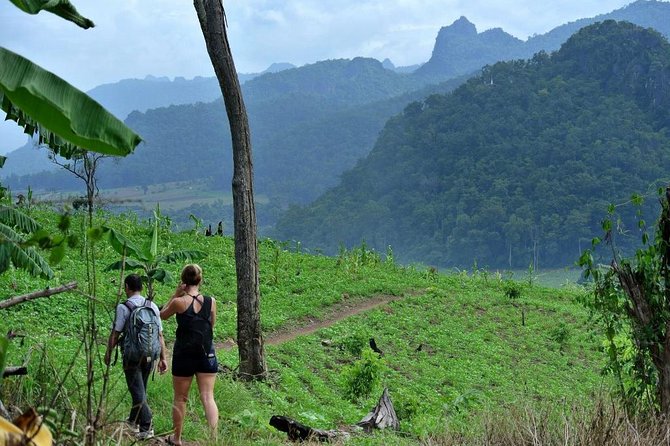
This is designed as a small-group trek. The details you’ll see say a maximum of 10 people, and the overall cap is listed as 12 travelers. Either way, you’ll feel the difference versus a crowded day tour.
Small group means:
- you can ask questions while walking without constantly interrupting someone else’s agenda
- the guide can slow down for stragglers and speed up when needed
- you don’t lose the group every time the trail gets tricky
One review also mentioned a mixed-age group led smoothly. That’s a good sign for practical pacing. The guide can adjust how hard certain sections feel.
What you need to bring (and why the 45L limit matters)
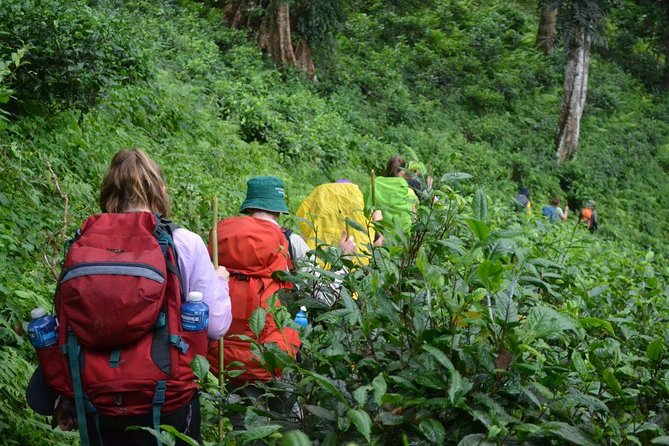
This trek asks you to travel light. You’ll need to fit personal effects into a 45L backpack, and you carry it through the hike. That’s not just a rule; it affects how comfortable your day will be when paths are narrow and the ground is uneven.
Wear suitable outdoor clothing and plan for traction. The tour guidance calls for hiking boots or runners. If your shoes are worn out or slippery, the mountains will remind you quickly.
Also, you’ll be given a kit list based on the season. So don’t assume your packing list is universal. The right gear in wet season isn’t the same as the right gear in cool, dry months.
And bring what makes you sleep:
- If you’re noise-sensitive, earplugs matter.
- If you’re cold-sensitive, follow the seasonal kit guidance and pack accordingly.
Fitness check: what “moderate fitness” looks like in real terms
The tour asks for moderate physical fitness and says you should be able to hike 5 to 6 hours on undulating landscapes. That’s a decent baseline, but day 2 can feel longer in practice.
My advice: don’t only think about walking time. Think about:
- repeated climbs and descents
- uneven trail footing
- carrying a backpack
- staying steady even when the path gets messy
Also, the trek isn’t suitable for children under 10 years old unless they’re used to multiple hours of hiking. If you’re traveling with kids, read that carefully. This isn’t a “family stroll.”
Who should book this trek
This is a great fit if you want:
- a guided hiking experience with context about plants and local life
- a homestay-style overnight that feels local, not polished
- a short trek that still feels like you actually left the city
It’s also a solid choice for mixed groups, since small size and a strong guide skill set support different paces.
Who should probably choose something else
Skip this trek if:
- you hate physical challenge and uneven footing
- you’re not ready for a long day in the jungle on day 2
- you’re uncomfortable with village-style lodging and the possibility of night noise
If you’re seeking a luxury sleep and quiet countryside without animals or sound, you might end up frustrated.
Should you book the 3-Day Chiang Dao Mountain Trek?
If you want an authentic Chiang Mai trekking story with included meals, real homestays, and a strong guide, I think this one is worth your time. The best part is that it’s not a big spectacle. It’s a guided walk through actual mountain-country with food and community built into the route.
Book it if you:
- can hike several hours over uneven ground
- like learning while you walk
- pack light into a 45L backpack and accept basic comfort levels
Don’t book it if your main goal is easy sightseeing, or if you need guaranteed quiet nights and minimal physical effort.
FAQ
FAQ
How long is the Chiang Dao Mountain Trek?
It’s a 3-day trek, listed as approximately 3 days.
Where is the pickup and where does it start?
Pickup is offered from Chiang Mai hotels within the second ring road radius. The meeting point is Le Dta’ Wan Food Market, and the start time is listed as 9:00am.
How many people are in the group?
It’s a small-group trek. The materials mention a maximum of 10 people, and a maximum of 12 travelers is also listed.
What meals are included?
Breakfast is included for 2 days, lunch for 3 days, and dinner for 2 days.
Are beverages included?
No. Beverages at homestays or restaurants are not included.
What kind of accommodation do you get?
You stay in homestay accommodation as part of the experience. The comfort level is described as basic but clean in participant accounts.
Do I need a 45L backpack?
Yes. You should limit personal effects to fit in a 45L backpack, and you carry it through the trek.
Is the trek suitable for children?
It’s not suitable for children under 10 years old unless they are used to multiple hours of hiking.
Can I request vegetarian meals?
Vegetarian meals need to be planned in advance. You should advise at time of reservation.
What fitness level do I need?
You should have moderate fitness and be able to hike about 5 to 6 hours on undulating terrain.
What if weather is bad or the minimum number of travelers isn’t met?
The experience requires good weather. If it’s canceled due to poor weather, you’ll be offered a different date or a full refund. If it’s canceled because the minimum isn’t met, you’ll be offered a different date or a full refund.
What’s the cancellation window?
You can cancel up to 3 days in advance for a full refund. If you cancel less than 3 full days before the start time, the amount paid is not refunded.