REVIEW · CHIANG MAI
2 Days Hiking Tour in Chiang Mai
Book on Viator →Operated by TEE WATERTOWN · Bookable on Viator
Karen life and jungle trails start today. This two-day hike mixes Mae Saphok Waterfall breaks with a Karen hill-tribe overnight, guided by Dali and Fern.
I love the hands-on feel: a stop at a local market for quick snacks, then plenty of free time to wander the village at your own pace. I also love the plant knowledge angle, including how the guides teach you about useful plants and even foraging mushrooms and herbs for dinner.
One possible drawback: the walking is real, and the night is simple. Expect bamboo-house sleeping and a more basic setup than a hotel.
In This Review
- Key highlights worth knowing before you go
- Two Days in Karen Country: what this hike feels like
- Day 1: from Chiang Mai market snacks to Mae Saphok waterfall lunch
- Banana garden and the afternoon shift to Karen village life
- Bamboo-house overnight: simple comfort and village rhythm
- Day 2 breakfast and the Karen walk with no electricity
- Jungle waterfall beach time: where you can actually swim
- What you’re paying $130.21 for (and why it can be good value)
- The practical side: timing, group size, and comfort tips
- Should you book this Chiang Mai 2-day Karen hiking tour?
Key highlights worth knowing before you go
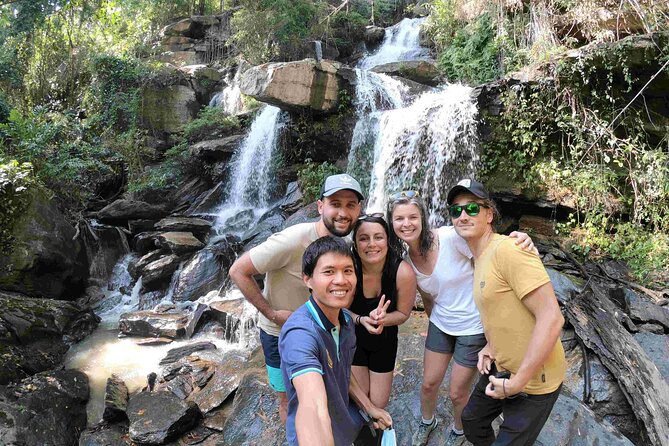
- Mae Saphok Waterfall lunch stop: a jungle walk that ends at a refreshing waterfall break.
- Karen village time: you get real free time to look around, ask questions, and see daily life.
- Guide-led plant knowledge: Dali and Fern share what’s useful, and foraging is part of the experience.
- Banana garden snacking: yes, you may be able to pick bananas directly from the tree.
- Jungle swimming day: there’s a beach area in the jungle where you can refresh and swim.
- Group size stays reasonable: the tour caps at 50.
Two Days in Karen Country: what this hike feels like
This isn’t a short nature walk. You’re trading paved paths for jungle trails, timed car rides, and a night in a village setting that feels close to how local life works. It’s the kind of trip where the reward is effort: views, waterfalls, and conversations you don’t get from a quick day tour.
The best part, for me, is the mix of scenery and people. You get the green hills and waterfalls, but you also spend time inside a Karen hill-tribe community, with guides ready to explain what you’re seeing.
You’ll want moderate fitness. There are stretches that take hours, plus the day-to-day rhythm of walking, stopping, and walking again. If you love movement and don’t mind sweat and mud, you’ll be in your element.
You can also read our reviews of more hiking tours in Chiang Mai
Day 1: from Chiang Mai market snacks to Mae Saphok waterfall lunch
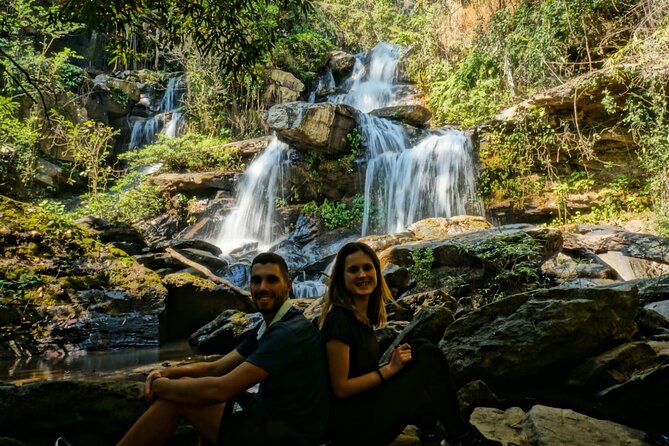
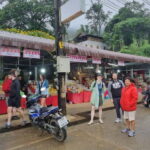
You start with hotel pickup in Chiang Mai, then you drive for about 40 minutes to a local market area. From there, you get around 20 minutes to buy whatever you want for the day. It’s a small window, but it matters. Snacks can help you stay comfortable later when the trail gets steady.
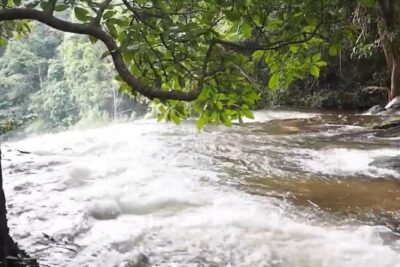
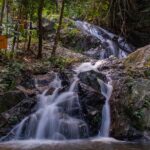
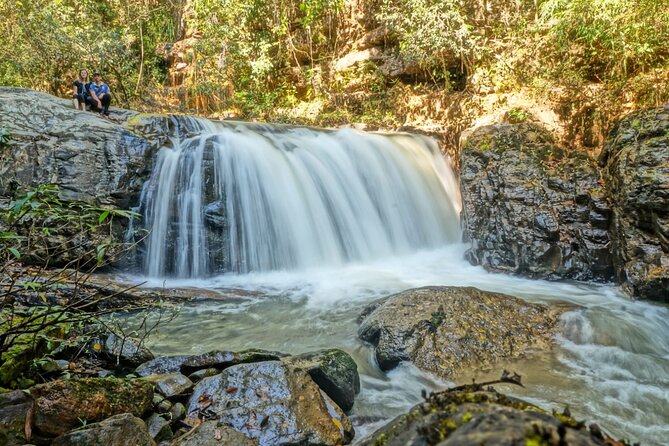
After that market stop, there’s another car ride of roughly 45 minutes before the hiking portion kicks in. Then comes Mae Saphok Waterfall, where you walk into the jungle and spend about an hour at the waterfall.
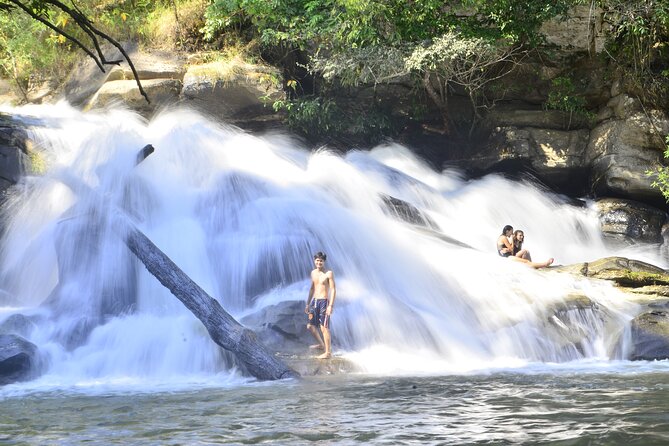
This is the moment that sets the tone. You get a real break, with time to cool off and have lunch near the waterfall. The tour notes that this waterfall is included, and it’s one of those places you tend to remember because it’s both scenic and practical: you refuel and reset your energy.
Banana garden and the afternoon shift to Karen village life

Once you’re done with the waterfall time, the hike continues through garden scenery. There’s a stop through a banana garden where you may be able to eat bananas picked directly from the tree, if they look and taste good. It’s a small thing, but I like it because it slows the day down. You’re not just passing through—you’re actually experiencing the local food world.
From there, you roll into Karen hill-tribe village time, arriving in the late afternoon (around 2:30–3:30 pm). This is when the tour turns from hiking-focused to community-focused.
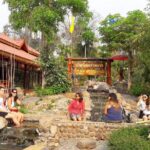
Your guide shares information about Karen life, then you get about an hour of free time to explore the village at your own pace. That free time is important. You can ask questions, look around, and take your time without constantly being “on schedule.” Just remember: this is a living community, so keep your voice low and your behavior respectful.
Bamboo-house overnight: simple comfort and village rhythm
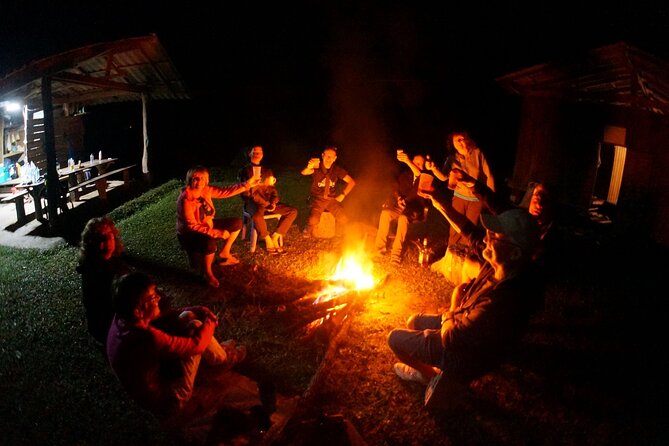
Overnight is in a bamboo house in the village. The sleeping setup is described as simple, with a bed-like arrangement similar to what village residents use. It’s not trying to copy a hotel experience, and that’s exactly why it works if you come with the right mindset.
I’d expect basic conditions. If you’re used to modern conveniences, this is the moment where you’ll notice the difference. The tradeoff is that you’re spending the night where the day happens—not at a remote lodge that feels separated from local life.
A smart way to handle the overnight: plan your comfort around the fact that this is community-based lodging. Keep your expectations realistic, bring what you need for sleep hygiene, and treat the quiet evening as part of the experience—not as a problem to solve.
Day 2 breakfast and the Karen walk with no electricity
After the night, you start with local breakfast. The tour describes soft-boiled rice plus fruits. It’s a great reminder that even the food is part of the cultural rhythm here. You’re not just visiting; you’re eating what people eat, in the way they do it.
Then you set off walking again. After about an hour, you reach another Karen village stop described as having no electricity. Your guide explains life there, including how everyday routines work without that modern baseline.
This part of the experience can hit differently than the scenery. Waterfalls and views are easy to photograph. Understanding how daily life changes without electricity takes a little patience—and a willingness to listen. If you’re the type who asks thoughtful questions, this is the segment where your effort pays off.
You can also read our reviews of more tours and experiences in Chiang Mai


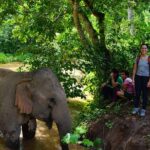
Jungle waterfall beach time: where you can actually swim
After the village walk, you continue hiking until you reach a waterfall and a beach area inside the jungle. This is the best “cool down” payoff day-two hikers often look for.
You can swim at the beach and refresh yourself nearby. It’s not a beach vacation setting with lifeguards and sun umbrellas—it’s a jungle spot, so treat it like a nature swim: keep an eye on footing, don’t rush, and be aware that conditions can change.
Then you walk back toward the car park. The tour says the time “within the jungle” is around 4–5 hours, with a final about 30-minute walk to reach the parking area. Translation: plan for a long day on your feet, even if the day has fun water time built in.
What you’re paying $130.21 for (and why it can be good value)

The price is $130.21 per person, and it’s typically booked about 10 days in advance. For a two-day, one-night experience, what makes it feel reasonable is what’s included: guided hiking, transport from your Chiang Mai hotel, and village time you can’t easily replicate on your own.
At least one key attraction is included, the Mae Saphok Waterfall admission ticket. The rest of the stops are listed as free admission, which suggests you’re mostly paying for the guided logistics and the community-based parts of the journey.
Also, you’re not just buying a view. You’re paying for trained guides who explain plants, help with safe hiking rhythm, and create a respectful context for visiting a hill-tribe village. With guides like Dali and Fern, that interpretive layer is a big part of the payoff.
Is it “cheap”? Not really. But it can be good value if you want a guided, structured way to see both jungle nature and Karen village life without stitching together a DIY plan.
The practical side: timing, group size, and comfort tips
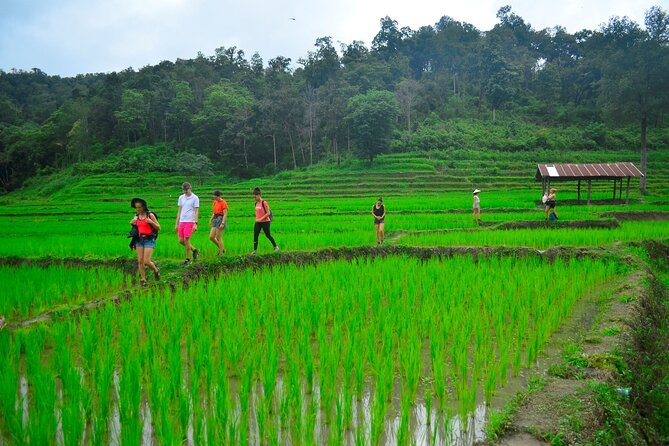
You’re traveling for two days with a mix of driving and hiking. That matters because the trail time isn’t the only factor in fatigue. There are car rides before the hiking segments, and there’s a long block of jungle time on day two.
Group size is capped at 50. That’s big enough to feel like a group outing, but not so huge that you lose your guide contact entirely. Still, expect to move as a unit—so bring your own pace and don’t worry if you can’t stop for every view.
Comfort tips I’d treat as non-negotiable:
- Wear sturdy shoes with grip for muddy or slippery trail patches.
- Bring water and a rain layer. Even if the tour doesn’t spell it out, jungle hiking can get damp fast.
- Plan for simple lodging. Pack a small hygiene kit and anything you need for sleep comfort.
If you get cold easily, note that the village setup can be basic. If it’s hot, plan for that too. Either way, your body will notice you’re not in a standard bed-and-breakfast environment.
Should you book this Chiang Mai 2-day Karen hiking tour?
Book it if you want a hike with meaning, not just exercise. This is a strong fit when you enjoy jungle walking, like waterfall breaks, and you’re curious about daily life in a Karen hill-tribe village. The guide-led plant knowledge and the chance to swim in a jungle beach area are the kinds of details that make the trip feel specific.
Skip it if you need hotel comfort or if long days on foot sound exhausting. The overnight is described as simple, and day two is long enough that you’ll feel it in your legs.
If you’re realistic about comfort and excited about nature plus people, this is a memorable two days in Chiang Mai’s green surroundings.