REVIEW · CHIANG MAI
A stunning 11 Day Tuk Tuk Adventure in Northern Thailand – with driver
Book on Viator →Operated by The Tuk Tuk Club · Bookable on Viator
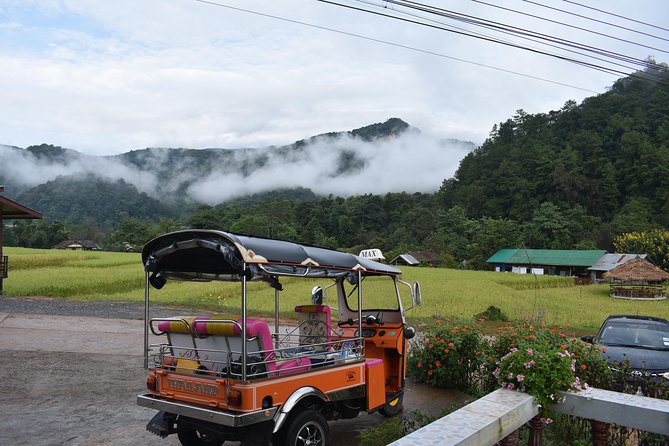
A trip with 3 wheels and mountain views. This 11-day Northern Thailand tuk-tuk adventure runs like a guided road movie: Chiang Mai to Mae Hong Son, down to Pai, plus national parks, villages, caves, and waterfall time along the way.
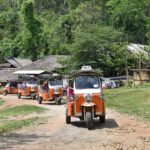
What I like most is the way the tour handles the hard parts for you: you ride in a custom-built tuk-tuk with a driver and bluetooth speakers, so you can focus on the scenery and the stops instead of traffic and timing. I also love that it’s built for variety, from Doi Inthanon and a Karen village night to Lod Cave and those long, bend-filled roads into Pai. One possible drawback: this is a full-throttle itinerary, so if you want lots of unscheduled downtime every day, you may feel the pace.
In This Review
- Key highlights you’ll care about
- Chiang Mai start: jumping into a real northern road trip
- Day 1 in Mae Wang National Park: set up your base like a local
- Day 2: Maevang Elephant Home and the Mae Sapok valley feel
- Day 3: Doi Inthanon and a Karen village night in Ban Mae Klang Luang
- Day 4: Doi In Cee on foot with a local forest guide
- Day 5: shifting toward Mae Sariang near the Myanmar border
- Day 6: Mae Hong Son and its mountain-temp waterline vibe
- Day 7: Wat Phra That Doi Kong Mu plus real rest time
- Day 8: the bends to Pai, with Lod Cave on the way
- Day 9: Pai rest day near the resort pool
- Day 10: back down to Mae Wang National Park through more mountain roads
- Day 11: wrap-up transfer back to Chiang Mai
- Guides, drivers, and the small-group advantage (max 12)
- Price and value: why this costs what it costs
- Who this tour is best for (and who should skip it)
- Should you book this 11-day tuk-tuk adventure?
- FAQ
- What is the start time and meeting point for this tour?
- Where does the tour end?
- How long is the tour?
- What is the group size limit?
- What’s included in the price?
- Are meals included?
- Do I need travel insurance?
- Is the tour designed for most travelers?
- What happens about cancellation refunds?
- Is the tuk-tuk ride part of every day?
Key highlights you’ll care about
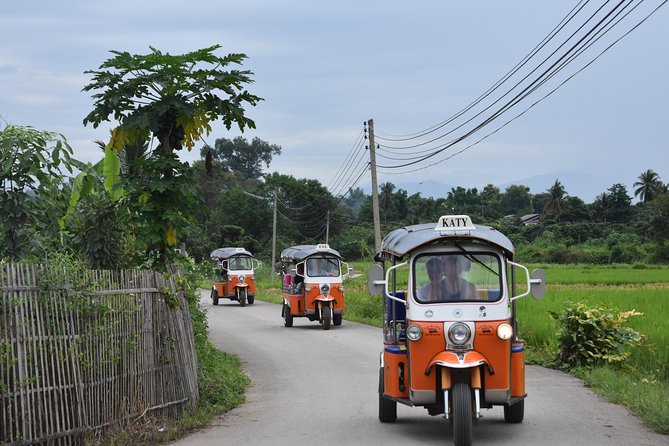
- Custom-built tuk-tuk with a driver so you get the fun without the driving stress
- Small group size (max 12) keeps the trip feeling personal instead of chaotic
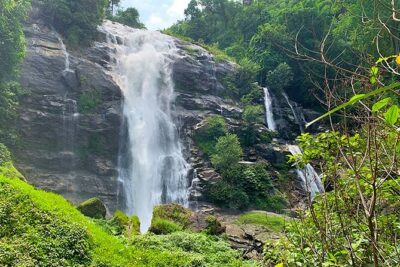
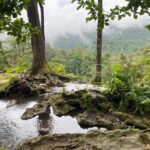
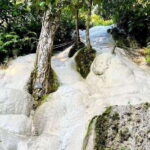
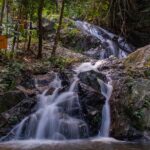
- Big nature days across parks, caves, and hidden-waterfall style swimming time
- Cultural stops beyond the usual circuit including a Karen village night in the Doi Inthanon foothills
- Pai reset with infinity-pool time after days of roads and trekking
- Guide-led experiences where local context matters, not just photo stops
Chiang Mai start: jumping into a real northern road trip
The tour launches from Chiang Mai at the Chiang Mai Gate Hotel area (near Wua Lai Walking Street). Starting at 10:00 am is a good choice. It lets you get out of town while the roads are still calm, and it gives you time on day one to settle in and enjoy the first nature stretch instead of just checking boxes.
You’re not doing this as a series of disconnected tours. You’re doing it as one long, moving journey through northern Thailand, with Chiang Mai as the anchor point. That matters because you don’t have to keep re-planning transportation or re-checking where you’re staying each night. The driver and guides keep the logistics stitched together, and that makes the whole experience feel easier than it sounds.
You can also read our reviews of more tours and experiences in Chiang Mai

Day 1 in Mae Wang National Park: set up your base like a local
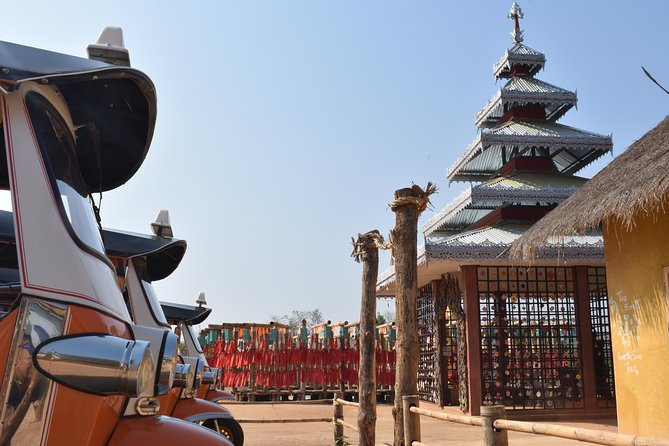
Day one puts you close to Mae Wang National Park, with your first nights in a very local-style hotel. This first day is important because Northern Thailand road trips are won or lost on day one comfort. A real base at the beginning helps you adjust to the rhythm: travel, eat well, sleep well, then go bigger tomorrow.
You’ll also get your first taste of the kind of scenery this route is built around: mountains and countryside roads instead of city crowds. It’s a gentler landing before the trip ramps up.
Day 2: Maevang Elephant Home and the Mae Sapok valley feel
After breakfast, you head north in convoy to Maevang Elephant Home in the Mae Sapok region. Even if you’ve seen elephants before, this part of the trip is usually memorable because it’s not rushed through a single roadside stop. You’re there as part of a day’s travel plan, with the surrounding region doing its job—quiet hills, rural roads, and a slower pace than you’d get if you were trying to arrange it all on your own.
The best value of having a driver shows up here. Northern roads can change quickly, and convoy travel keeps everyone together without turning the day into a game of catch-up.
Your overnight is in a more remote, scenic area, where you get a different kind of “Thailand” than you’d get from a hotel-only holiday.
Day 3: Doi Inthanon and a Karen village night in Ban Mae Klang Luang
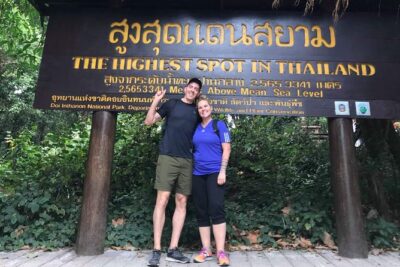
Today is for high altitude and culture context. You’ll drive toward Doi Inthanon, Thailand’s highest mountain. The point isn’t just reaching the top. It’s the gradual shift you feel as the roads climb and the air changes—then the chance to experience that iconic northern nature.
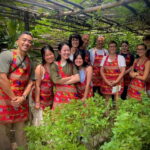
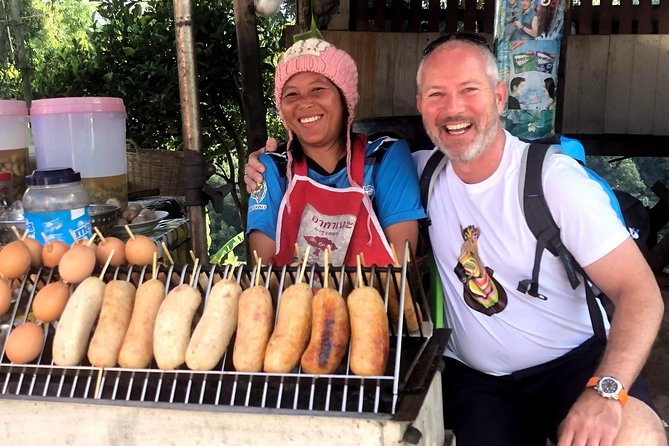
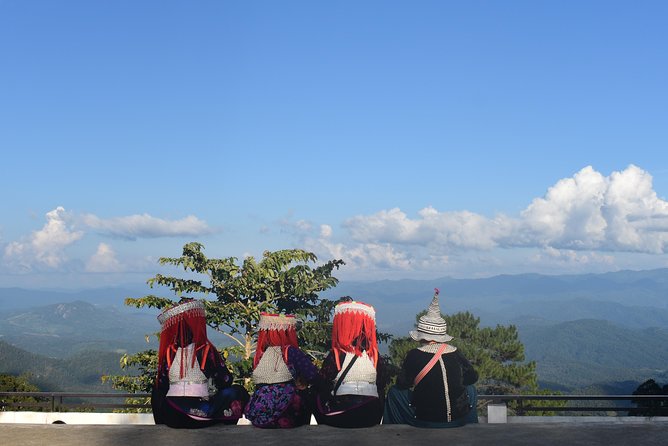
That day ends with a night in Ban Mae Klang Luang, a Karen village high in the foothills. For me, this is one of the trip’s standout “value moments.” You’re not only seeing a temple and driving on. You’re staying where local life continues, and you get time to explore the village evening at a human pace.
If you care about meaningful cultural travel, this is the part that tends to feel more real than quick viewing stops.
Day 4: Doi In Cee on foot with a local forest guide
This is a day where the tuk-tuks take a break. You’ll transfer by truck, then walk into the forest with a local guide. That combination is smart. A walking day in a park area is much more enjoyable when it’s planned as part of the route, not tacked on as a last-minute add-on.
The benefit for you is simple: walking plus local guidance usually means you learn how the area works, not just where to take a photo. And since the tuk-tuks aren’t running all day, it gives your body a needed reset after the heavier driving.
It’s also a good day for anyone who wants more nature and less road time without giving up the adventure feel.
You can also read our reviews of more tours and experiences in Chiang Mai


Day 5: shifting toward Mae Sariang near the Myanmar border
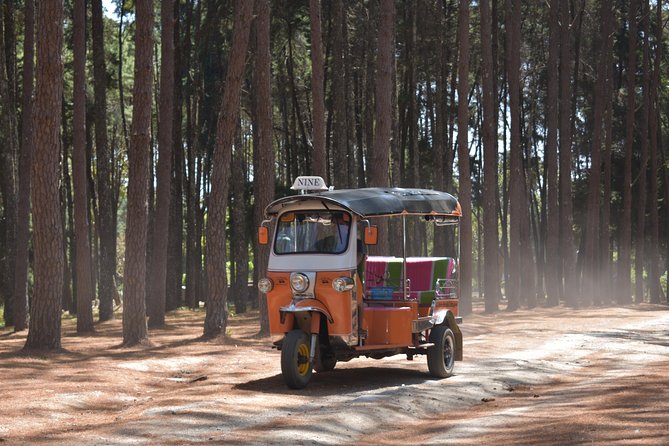
After Doi Inthanon National Park, you head toward Mae Sariang, close to the Burmese/Myanmar border. This is the “keep going, keep changing” day—the kind of drive where the scenery starts feeling more remote and the rhythm turns from sightseeing to journey.
For value, this stretch matters because it helps you cover large distances efficiently. With your driver handling routes and traffic, you can enjoy the road without turning every change of scenery into a navigation task.
Day 6: Mae Hong Son and its mountain-temp waterline vibe
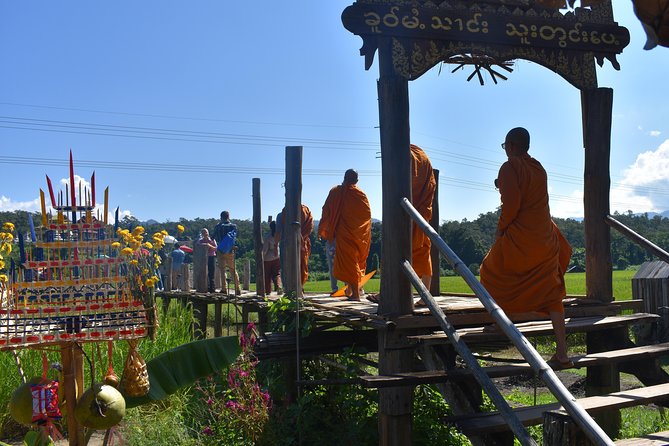
Next you drive to Mae Hong Son, with an overnight in that area. This route is famous for its winding mountain roads, and even without details like exact viewpoints, you can still expect the feeling: sharper turns, cooler air, and the sense you’re far from the easier travel corridors.
This is one of those days where the custom setup and driver matter. A tuk-tuk isn’t a highway vehicle, and on mountain roads, a driver who knows how traffic flows is the difference between stressed and relaxed.
Day 7: Wat Phra That Doi Kong Mu plus real rest time
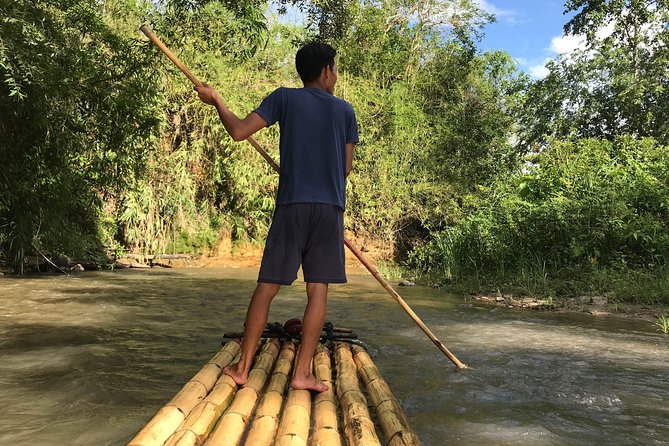
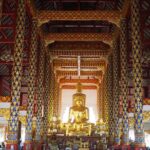
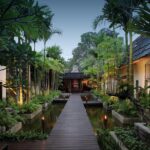
Today is a lighter day on purpose: a temple stop at Wat Phra That Doi Kong Mu, then optional downtime. The itinerary even builds in time to just hang out by the infinity pool at your base.
For your sanity, that’s a big deal. After days of driving and guided activity, you’ll likely want a slow hour to sit, cool off, and reset. This also helps you enjoy Pai later, because you won’t arrive there already fried.
Day 8: the bends to Pai, with Lod Cave on the way
Day eight is the kind of driving day people remember. You negotiate several hundred bends and some of the steepest roads on the trip while heading to Pai.
On the way, there’s a stop at Lod Cave, then you reach Pai and overnight near the Pai District Office base area.
I love that this day doesn’t waste your time. It’s not only road travel, and it isn’t only a single sight. You get to break up the drive with an activity, which helps you avoid that do-not-stop-too-long boredom that can creep into long transfer days.
And since your driver is included, you’ll be able to enjoy the ride rather than white-knuckle it.
Day 9: Pai rest day near the resort pool
You get a calmer day in Pai. There’s time to enjoy the resort and pool, wander the local village, or go further out to hot springs and other area sights (the exact options depend on what’s planned/available).
This is a key part of why the trip feels balanced. The itinerary earlier is active—temples, forests, elephant area time, and serious road days. Pai gives you room to slow down without leaving the tour bubble.
If you want a travel pace that doesn’t constantly feel like rushing from one thing to the next, this day is your chance to breathe.
Day 10: back down to Mae Wang National Park through more mountain roads
You leave Pai behind and drive back toward the Mae Wang National Park area for your final big scenic day. The route is described as simply stunning, with tiny mountain roads and a sense of “save the best for last.”
This day is a good reminder of the real value of a tuk-tuk adventure: the journey is part of the itinerary, not just transportation. When your driver and guides handle planning, you can watch the scenery change instead of thinking about the next turn.
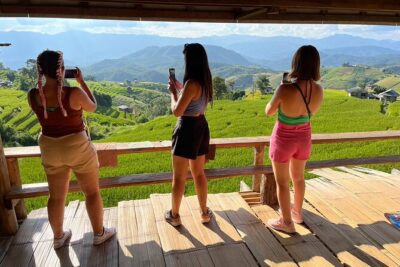
It’s also a great day for your camera. Not because you’ll see one perfect viewpoint, but because northern road trips offer a chain of small moments: hills shifting behind trees, rural patches, then sudden open stretches.
Day 11: wrap-up transfer back to Chiang Mai
Your adventure ends with a minivan transfer back to the Chiang Mai Gate Hotel, arriving around late morning. This is a clean finish. You say goodbye to your fellow group members and the team, then you’re not left stranded or scrambling to book last-minute transport.
It’s also a nice structure for planning your next day in Chiang Mai. You finish early enough to still make dinner plans without feeling like your trip deadline ate the entire final evening.
Guides, drivers, and the small-group advantage (max 12)
The tour’s “real magic” is the teamwork between the drivers and guides. The names that come up from the tour team include Bruce (the owner/organiser) and guides such as Nahm and Yuth; other team members like Ao and Milk are also mentioned for sharing Thai culture context.
Even if you don’t get the exact same people, the important thing you can count on is the role: guides and drivers reduce friction on long, windy days. They also help you understand what you’re seeing, which makes temple and village stops feel less like checklists.
The small-group size—no more than 12—helps here too. You’re not waiting on a huge pack. You can hear instructions, move as a group smoothly, and get quick help if something doesn’t go as planned.
Price and value: why this costs what it costs
At about $2,148.21 per person for 11 days, this isn’t a budget-only trip. But the value comes from what you’re not paying and what you’re not managing.
Here’s what’s included in the tour package: the custom-made tuk-tuk and driver, accommodation, a guide, entry fees, listed activities, and breakfast/lunch/dinner (10 breakfasts, 5 lunches, 5 dinners). That matters because northern Thailand activities can add up once you start piecing together caves, parks, and guided excursions yourself. Plus, having the vehicle and driver for the whole route is a huge cost lever.
The other part of value is risk reduction. Mountain roads and multi-day travel are where self-planning gets expensive (missed stops, wrong timing, rerouting). This tour removes most of that uncertainty.
One note: travel insurance is compulsory, so budget for that separately. It’s not optional on your side, even if it’s not included in the price.
Who this tour is best for (and who should skip it)
This tour fits you best if:
- you want a guided road trip with the transport handled
- you like variety: parks, caves, elephants, temples, villages, and swimming-style nature time
- you don’t want to plan each day’s logistics on your own
- you enjoy the feeling of traveling together as a small group
You might want to think twice if:
- you strongly prefer lots of free time every day
- you get motion-sensitive on curvy mountain roads
- you want ultra-slow travel with minimal driving days
The trip is designed around action plus rest at specific points, especially Pai.
Should you book this 11-day tuk-tuk adventure?
If you want Northern Thailand in one coherent, human-paced storyline, I think this is a smart book. The driver-included custom tuk-tuk setup, the small group size, and the mix of nature + culture stops make it feel like more than transportation. It’s an adventure format that keeps you moving and learning without turning the trip into a stress festival.
Book it if you’re excited by the itinerary rhythm: forests one day, mountain drives the next, a village night for perspective, then a Pai reset. Skip it if you want a mostly independent vacation with only a few structured stops, because this route is purpose-built and full of planned momentum.
FAQ
What is the start time and meeting point for this tour?
It starts at 10:00 am from Chiang Mai Gate Hotel (Wua Lai Walking Street), located at 11, 10 Suriyawong Alley, Tambon Hai Ya, Amphoe Mueang Chiang Mai, Chang Wat Chiang Mai 50100, Thailand.
Where does the tour end?
The tour ends back at the meeting point (Chiang Mai Gate Hotel area) with a minivan transfer, arriving around late morning.
How long is the tour?
It’s listed as 11 days (approx.).
What is the group size limit?
The maximum group size is 12 travelers.
What’s included in the price?
The package includes the custom tuk-tuk and driver, accommodation, guide, entry fees, listed activities, and some meals (breakfast, lunch, and dinner as specified).
Are meals included?
Yes. Breakfast is included 10 times, lunch 5 times, and dinner 5 times.
Do I need travel insurance?
Yes. Travel insurance is compulsory, and it is not included in the tour price.
Is the tour designed for most travelers?
It says most travelers can participate.
What happens about cancellation refunds?
You can cancel up to 6 days in advance for a full refund. Shorter timelines reduce the refund amount, and changes within 2 days of the start time are not refunded.
Is the tuk-tuk ride part of every day?
You’ll use the tuk-tuk for much of the route, but some days include transfers and walking (and not all days involve active tuk-tuk riding). The itinerary clearly schedules when you’re riding versus when you’re on foot or transferring.