REVIEW · CHIANG MAI
Private: 3 days 2 night trip: ChaingMai-Chaingrai- The Golden Triangle trip
Book on Viator →Operated by Untouched Thailand · Bookable on Viator
Doi Inthanon to the Golden Triangle in just 3 days sounds intense, but it works. This private route strings together waterfalls, caves, hill-tribe villages, and border-town markets with a same-trip peek at Myanmar and Laos. It is built for people who want to see more of northern Thailand than the usual quick stop-and-snap routine.
I like how the days mix big-name sights with countryside time. On Day 1 you get two waterfalls inside Doi Inthanon National Park, then a trek that leads to a White Karen village and hill-tribe coffee breaks. On Day 2, you add Chiang Dao Cave, multiple temples, and a long-tail boat ride on the Maekok River that ends at Karen long-neck and big ear-ring communities.
One thing to consider: you are covering a lot of ground fast. Expect early starts, lots of moving around, and leaving space for weather, especially since the trip depends on good conditions for outdoor sections.
In This Review
- Key things that make this trip worth your time
- Three countries in three days: what this route really gives you
- Doi Inthanon: waterfalls, rainforest trails, and hill-tribe coffee time
- Hmong market to White Karen village: how the hill-tribe stops work in practice
- Day 2’s Chiang Dao to Mae Sai loop: temples, caves, and the Maekok River
- Golden Triangle day: Chan market, Opium House, and Mekong boat time
- Wat Rongkhun and the hot spring option: finishing with a bold visual
- Price and pacing: is $350 per person good value?
- Who this trip suits best (and who should think twice)
- Should you book this Chiang Mai–Chiang Rai Golden Triangle trip?
- FAQ
- What does this trip include for meals and lodging?
- Where are we staying overnight during the trip?
- What time does the tour start each day?
- How long is the Golden Triangle trip?
- Is this a private tour?
- What kind of conditions could affect the trip?
Key things that make this trip worth your time
- Doi Inthanon waterfalls plus wooden-trail rainforest trekking to reach hidden waterfalls and a hill-tribe village
- Hill-tribe stops beyond the main town scene, including a Hmong hill tribe market and the White Karen village
- Chiang Dao Cave and temples with viewpoints, not just photo stops
- Maekok River long-tail boat ride to Karen long-neck and big ear-ring villages
- Golden Triangle day with the Opium House and Mekong boat time, plus Lao duty-free browsing
- Wat Rongkhun (White Temple) at the end of the route, when you want a visual finish
Three countries in three days: what this route really gives you
This is one of those northern Thailand itineraries that feels like a greatest-hits sampler, but with enough countryside to keep it real. You start near Chiang Mai and build outward toward Chiang Rai and the borders, so you’re not just crisscrossing aimlessly. You’re progressing, getting geography lessons along the way: mountains, valleys, then border-town energy.
The payoff is variety. You’ll see protected nature at Doi Inthanon, then go underground in Chiang Dao Cave, then shift to river life on the Maekok, and finally arrive at border markets and the legendary Golden Triangle. You also get a hint of how northern borders shape daily life, because the route repeatedly lands in places where Thai culture sits next to Myanmar and Laos influence.
It is also a value-style trip, not a luxury one. For $350 per person, you’re paying for guided transportation, entry where listed, meals you actually need (lunch and breakfasts), and two nights of lodging with breakfast included. That can beat piecing everything together, especially when you want a coherent route rather than a bunch of separate bookings.
You can also read our reviews of more private tours in Chiang Mai


Doi Inthanon: waterfalls, rainforest trails, and hill-tribe coffee time
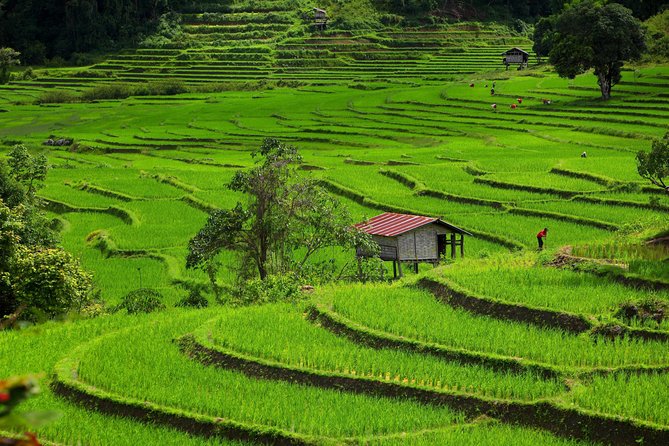
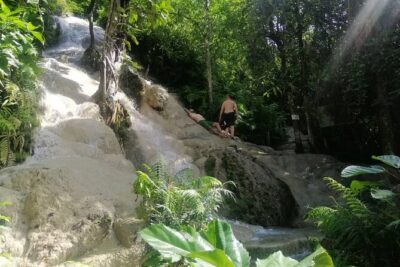
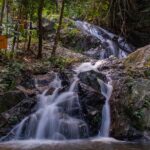
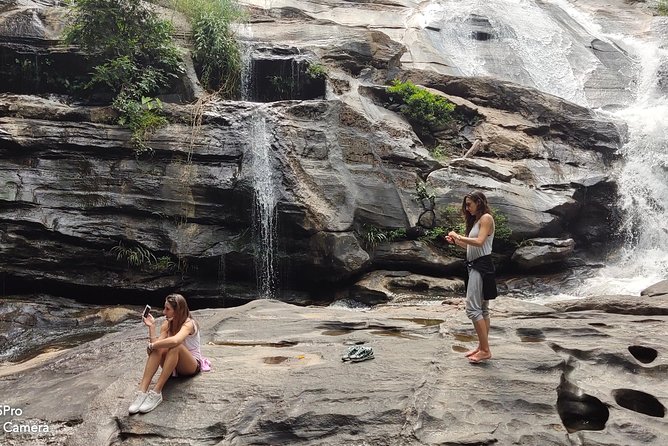
Day 1 is where the trip shows its personality. You head to Doi Inthanon National Park and focus on two named waterfalls: Wachirathan and Sirithan. That matters because you are not just passing scenic pull-offs. The plan centers on specific spots inside the park, and you get the satisfaction of doing a full nature chunk early.
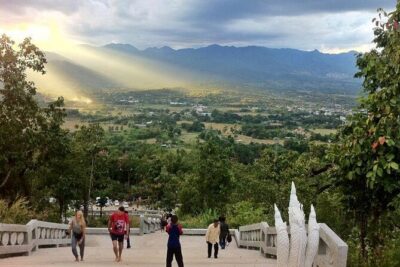
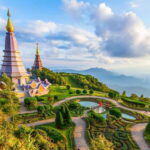
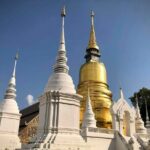
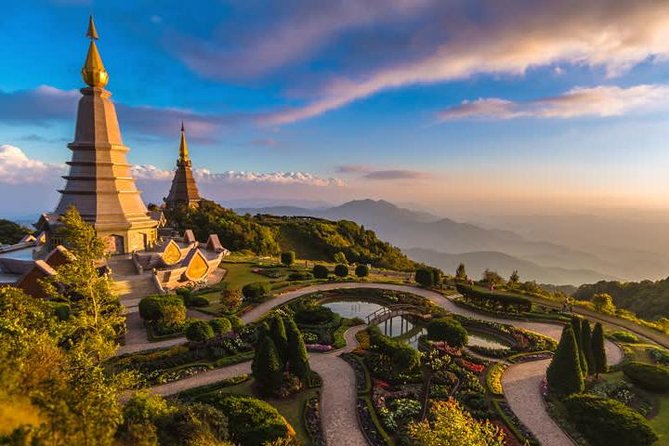
You then climb toward the twin pagodas on the mountains top. Even if you’re not the type to chase viewpoints all day, the pagoda area is worth it for the views and the Royal garden around it, which gives you a change of pace from rainforest sounds and rushing water.
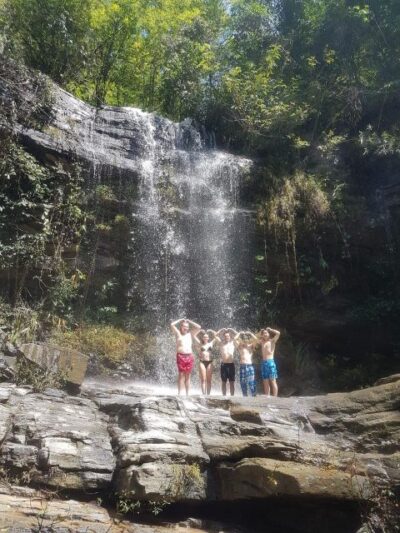
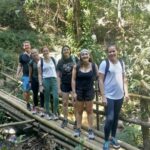
Then comes the part that turns a sightseeing day into a moving-through-the-country day: trekking on wooden trails. You’re in the rainforest, and you are walking rather than just driving. The route continues into a trek toward hidden waterfalls, with paddy rice fields and orchards along the way. It’s a reminder that this region is not only temples and markets—it’s also working countryside.
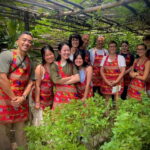
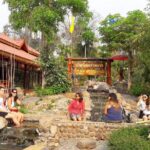
Near the end of the trekking portion, you reach the White Karen hill tribe village. You get time walking around and taking photos, plus coffee drinks that fit the hill-tribe setting. This is one of the best-value segments of the whole trip because it slows down and lets you experience daily village life rather than only watching it from a bus window.
Potential drawback to keep in mind: this is a nature day with walking. If you’re prone to fatigue, plan to take water seriously and wear shoes you trust. Trekking plus heat and humidity can wear you down faster than you expect, especially if you like to stop for photos every few minutes.
Hmong market to White Karen village: how the hill-tribe stops work in practice
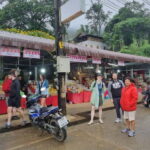
This trip includes more than one hill-tribe touchpoint, and that’s a good thing. On Day 1 you’ll visit the Hmong hill tribe market, then later you’ll spend time at the White Karen village. Having both stops helps you see variety in northern Thailand’s hill-tribe communities, instead of treating it like one single cultural stop.
The practical benefit for you is better context. Markets are energetic and social, and they often show what people actually buy and sell. Village time is different: you move through the setting more slowly and get a feel for what daily life looks like beyond a single staged moment.
In interviews and past guest comments, guide names like Thom show up in a positive way, with strong emphasis on service and relationships built with the people they work with. That matters because hill-tribe visits can go sideways when the approach is rushed. A steady guide presence is usually the difference between a respectful interaction and a checklist stop.
Quick tip from a practical standpoint: if you care about photography, bring your camera battery and keep your posture respectful during village time. You’re walking through communities, not just snapping scenery.
Day 2’s Chiang Dao to Mae Sai loop: temples, caves, and the Maekok River
Day 2 starts with a pickup at 8:00 a.m. from your hotel, with an option to enjoy sunrise earlier (around 6:20 a.m.). I like that the trip gives you a choice: if you’re the early-bird type, you can squeeze in a sky moment before the day starts.
Your first big theme is “unseen local” and countryside views through a grand temple stop. That sets the tone: less about being famous on Instagram, more about being in place and seeing how people live around the sights.
Next is the Chiang Dao Cave. You get underground exploration, which breaks up the temple-and-viewpoint pattern and keeps the day from feeling like repeat scenery. After that you visit Than ton temple and the no man-land viewpoint. The viewpoint element helps you understand why people come to this region: the hills and border geography shape what you can see and how far.
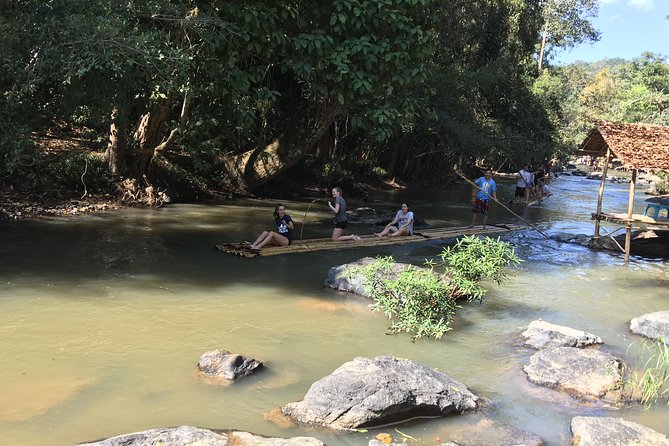
Then comes one of the most memorable transitions of the trip: the long-tail boat on the Maekok River. You ride the river and end up at the Karen long-neck and big ear-ring village. This is one of the few points on the itinerary where you’re not just in a car and not just walking on land. The boat ride adds motion, breeze, and a different kind of landscape perspective.
After the river portion, you head to Mae Sai, the border town between Thailand and Myanmar. Mae Sai is one of those places where energy hits you quickly—markets, cross-border flow, and constant motion. The plan makes sense here because you are building up to the Golden Triangle. Mae Sai acts like a warm-up act that helps the later border-town sights feel less sudden.
Potential consideration: this day is packed. You’ll likely feel it in your legs after the boat ride and all the temple and viewpoint stops. If you’re traveling with someone who dislikes walking, set expectations early and plan to take it slow whenever the guide pauses for photos.
Golden Triangle day: Chan market, Opium House, and Mekong boat time
Day 3 is the most “three-country” day, and it starts with Mae Sai moving into the Golden Triangle area, then onward toward Chiang Rai and back to Chiang Mai. You’ll also start again with a pickup at 8:00 a.m., and the main portion begins around 8:30 a.m., finishing around 6:30 p.m..
One highlight here is the Chan people fresh market experience and the chance to see the Thailand–Myanmar border bustle. Even if you’re not a shopper, markets are good for understanding daily life. You see what’s for sale, what people snack on, and how commerce feels in a border town.
Then comes the signature: the Golden Triangle, where Thailand, Myanmar, and Laos come close together. It’s famous for a reason, but the value on this trip is that you’re not only admiring the map—you’re also learning the opium history through a visit to the Opium House. This is where the trip becomes more than scenic travel. It connects the region’s modern reality to its past role in trade routes.
After that, you shift to water again with a boat trip on the Mekong River. That change of pace is important. When you do a day this packed, you need one or two “reset moments,” and time on the river does exactly that. It also sets up your next step: crossing toward Lao island and spending time at the Laos duty-free market for local items.
A note on expectations: crossing into a different country’s market scene can feel like a fast cultural flip. The good part is you get exposure to both sides without turning the day into a complicated multi-stop wander. The better part is that it’s still guided and structured, so you’re not left guessing.
You can also read our reviews of more evening experiences in Chiang Mai





Wat Rongkhun and the hot spring option: finishing with a bold visual
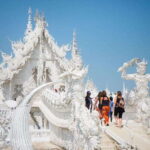
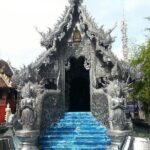
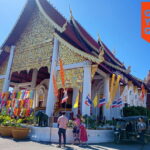
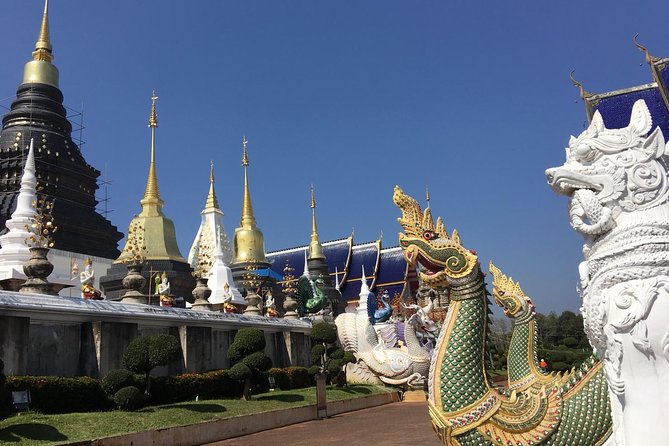
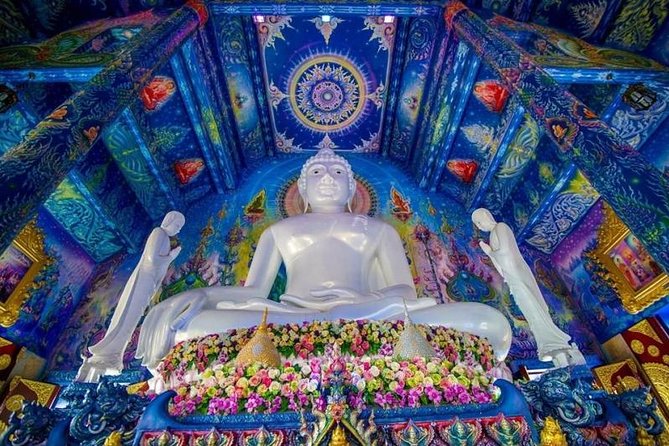
The last major attraction is Wat Rongkhun (the White Temple). This is the type of place that rewards you for patience. You’re not just looking at a single building; you’re seeing an overall design statement in white tones, with details that can take a bit of time to notice as you move around.
The itinerary also includes a hot spring option if there’s time left. I like having that as a flexible add-on. Some days you finish with energy, other days you’re ready for a soak and a slower pace.
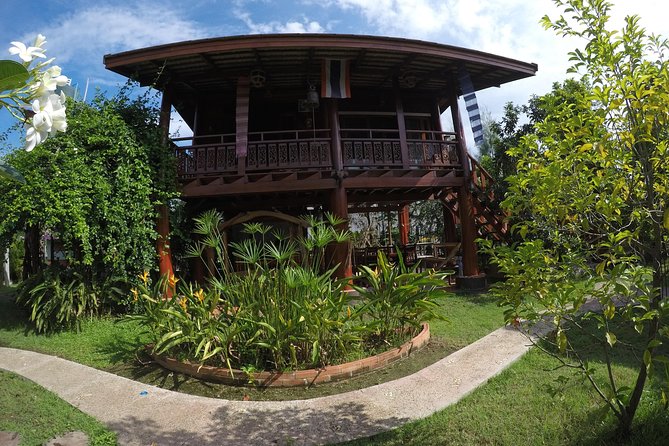
On the lodging side, the plan is split in a sensible way. You stay one night in Mae Sai (rooms arranged for you at the border-town location), then you handle your final night’s room in Chiang Mai city yourself. That setup keeps the long-distance travel from feeling like a constant same-day squeeze, while still letting you return to your base area for the last leg.
Price and pacing: is $350 per person good value?
At $350 per person for a 3-day, 2-night private route, the value depends on what you would otherwise do on your own.
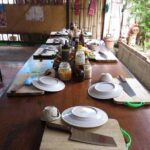
If you were planning to piece things together, you’d spend time coordinating transport, arranging guides for cave and temple visits, and booking lodging near Mae Sai. This trip packages the hard-to-organize parts and includes lunches, breakfasts for two nights, and one dinner at a homestay, which removes a chunk of daily planning.
What you should weigh is pacing. This is not a slow travel itinerary. It’s a “see the region” route with long days, morning pickups, and multiple stops per day. If you’re the kind of traveler who wants space for long coffee breaks and unplanned detours, you may feel time pressure here.
If you’re coming from Chiang Mai and you want a guided way to reach the Golden Triangle plus hill-tribe and cave sights without turning your trip into logistics homework, the pricing starts to make sense. Private touring also helps: you’re not sharing your day with a large crowd, which often makes early starts and schedule changes feel more manageable.
And from the human side, past comments about guides like Thom and the recommendation around Mr. Sipohn suggest the company emphasizes real relationships and local know-how. That kind of service matters, because the route includes community-based visits where attitude and timing matter.
Who this trip suits best (and who should think twice)
This itinerary fits best if you:
- Want a lot of northern Thailand variety in a short time
- Like structured guiding but still want countryside moments
- Appreciate border-zone context, not just postcard attractions
- Don’t mind some trekking and a full day of driving and walking
It might be less ideal if you:
- Get tired quickly with early mornings and packed schedules
- Prefer minimal walking and lots of downtime
- Want a slow, “stay put in one area” vacation rhythm
If you’re traveling as a couple, this format is especially practical. It’s private, and the route is designed to move as a unit, so you’re not splitting attention between groups and timing conflicts.
Should you book this Chiang Mai–Chiang Rai Golden Triangle trip?
Yes, if your main goal is to see the northern Thailand story—from national park waterfalls to border markets to Laos and back—without wasting days on planning. The combination of Doi Inthanon’s waterfalls and rainforest trekking, Day 2’s Chiang Dao Cave plus Maekok River long-tail boat, and Day 3’s Golden Triangle with Opium House and Mekong boat time makes it a strong “value-through-structure” trip.
Book it with a clear mindset: this is a high-energy itinerary. If you can roll with long days and bring shoes for walking, you’ll likely find it one of the more memorable ways to connect Chiang Mai to the Golden Triangle region.
If you prefer slow travel, then you might choose a different plan with fewer crossings and fewer stops. But for a short window where you want to cover ground in an organized, guided way, this trip is a very reasonable bet.
FAQ
What does this trip include for meals and lodging?
Lunch is included, and you’ll have rooms with breakfast for 2 nights. You also get 1 dinner at a homestay. The other 2 dinners are not included, so you’ll plan your own meals on those nights.
Where are we staying overnight during the trip?
Your rooms are arranged for the night at the border town of Mae Sai. On the final night, you need to book your own room in Chiang Mai city.
What time does the tour start each day?
Day 1 pickup is 8:00 a.m. at your hotel lobby. Day 2 pickup is also 8:00 a.m. (with an optional sunrise around 6:20 a.m.). Day 3 pickup is 8:00 a.m., with the main schedule around 8:30 a.m. and finishing about 6:30 p.m..
How long is the Golden Triangle trip?
It’s a 3-day trip with 2 nights, and the schedule is designed to run for about 3 days total.
Is this a private tour?
Yes. It is a private tour/activity, so only your group participates.
What kind of conditions could affect the trip?
The experience requires good weather. If it’s canceled due to poor weather, you’ll be offered a different date or a full refund.