REVIEW · CHIANG MAI
Half day Elephants in Nature Experience (Morning)
Book on Viator →Operated by Elephant Care & Grand Canyon Jumping · Bookable on Viator
Elephants meet you in their home. This morning half-day in Chiang Mai is built around seeing elephants in their natural habitat and learning how they spend most of the day, with a guide like Korn adding context about elephant care and Thailand. I especially like the up-close but guided focus on how the day works, plus the way Korn explains the bigger picture in plain language. One thing to consider: you spend a big chunk of your half-day on the road first, with about a 90-minute drive out of the city.
You’ll start near Tha Phae Road and head out in a small group (up to 16). Expect a cool, comfortable ride through rural farmland, hills, and forest areas, then time with the herd so it feels like an actual visit to the elephants’ world, not a quick photo stop.
If your schedule allows it, I think you’ll appreciate the human side too: you meet the people who work with the elephants (mahouts) and you’ll get instruction before you do activities like feeding and washing. Some tours also include lunch, and the overall vibe is caring and practical.
In This Review
- Key Highlights You’ll Actually Care About
- From Tha Phae Road to the Elephant Grounds: The Morning Flow
- The 90-Minute Countryside Drive: Why the Pre-Trip Talk Helps
- Meeting the Elephants Where They Live: What You’ll Do on Arrival
- Feeding and Washing: The Hands-On Part (and How to Think About It)
- The Mahout Connection: Seeing Care as Work, Not a Performance
- Guide Korn and the Small-Group Advantage
- Lunch and Timing: What to Plan for in a 5–6 Hour Day
- Price and Value: Is $77.44 Worth It?
- Who This Tour Fits Best (and Who Might Want Another Option)
- Should You Book This Half-Day Elephant Nature Experience?
- FAQ
- What is the duration of the Half Day Elephants in Nature Experience?
- Where does the tour start in Chiang Mai?
- Is pickup included?
- How much does the tour cost?
- What is the maximum group size?
- What is the cancellation policy?
Key Highlights You’ll Actually Care About
- Small group size (max 16): less waiting, more attention from the team
- About 90 minutes of rural drive: you get context before you meet the elephants
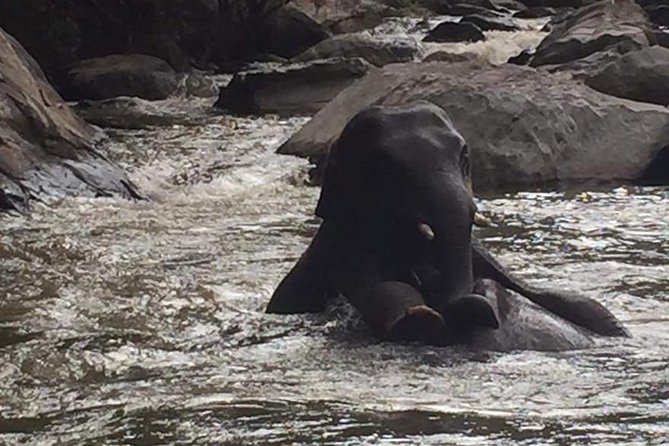
- Natural habitat focus: you spend time at the elephants’ home, seeing their routine
- Guide Korn’s explanations: Thai elephant perspective and care ethics in everyday language
- Hands-on moments like feeding and bathing: done with guidance, not just watching
- Lunch may be included: plan to eat on-site rather than rushing later
From Tha Phae Road to the Elephant Grounds: The Morning Flow
This is a half-day experience, but it’s paced like a real morning excursion. You’ll meet at Tha Phae Road in Chiang Mai’s Mueang area, then head out from the city. Even with it being only half a day, the tour doesn’t try to cram everything into the last 30 minutes. The team uses that long drive to set you up with what you’re about to see.
Why that matters: elephant experiences can feel confusing if you arrive with zero context. Here, the guide shares info about elephants in Thailand and how people relate to them—so when you finally meet the herd, your brain is already in the right gear. It’s a simple trick, but it makes the day feel more meaningful and less like a checklist.
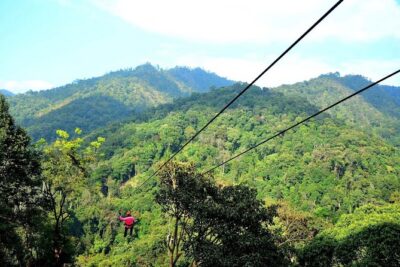
The drive itself is part of the experience. You’ll go through rural scenes—agricultural fields, hills, and forests—so you’re not stuck staring at traffic the whole time. If you’re coming from a city hotel, this also reduces planning stress: pickup is offered, and you won’t be trying to coordinate transport and timing on your own.
You can also read our reviews of more tours and experiences in Chiang Mai



The 90-Minute Countryside Drive: Why the Pre-Trip Talk Helps
About 90 minutes out of Chiang Mai, you get scenic views and a chance to slow down. That’s not just comfort—it’s preparation. The guide uses the time to explain elephants in Thailand, including their historical place in Thai culture and how attitudes toward elephants have shaped tourism over the years.
Here’s what I like about this approach: it keeps the experience grounded. Instead of only focusing on what elephants do in front of you, the guide ties it to why caring for elephants matters and why the way you behave around them matters too.
You’ll also get your bearings for what comes next: meeting elephants at their home, understanding daily routines, and knowing what kind of interactions are appropriate (and why). When you show up ready, you’re more likely to notice small details—like how the herd moves, how the mahouts read behavior, and how the environment shapes their day.
Meeting the Elephants Where They Live: What You’ll Do on Arrival
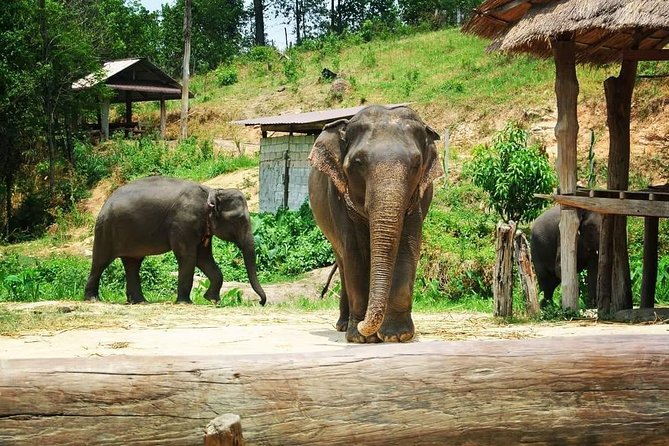
When you reach the elephants’ natural habitat, the tone changes from travel mode to observation mode. You meet the elephants in their home setting, and the idea is that you get to see how they spend most of their day there.
What that means in practice is that you’re not just standing at one spot. You’ll be shown the routine and given guidance on what you’ll be doing and what you should pay attention to. The team’s goal is for you to walk away understanding the daily rhythm of the elephants, not just collecting a single moment.
Up close can feel emotional fast. Some of the reviews highlight how special it is to get near enough to appreciate size and calm behavior—especially when baby elephants are around. If you’re visiting with kids, the best moments are often the quiet ones: watching how the elephants respond to caretakers’ cues and how the area supports their natural behavior.
Feeding and Washing: The Hands-On Part (and How to Think About It)
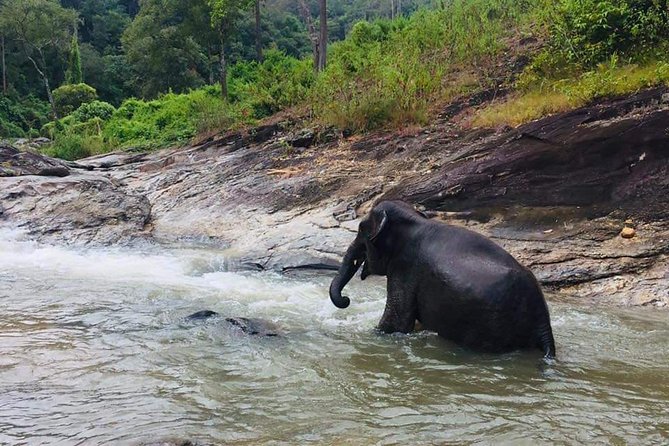
A big draw here is the chance to participate in activities like feeding and washing. Reviews describe time where you can get involved—along with meeting the mahouts who care for the elephants.
The key thing for your expectations: hands-on time doesn’t mean you’re in charge. It’s more like you’re participating in a care routine with clear instructions. The difference matters because elephant interactions can go wrong when people treat them like an attraction instead of like living animals.
From what’s shared about the tour, your guide explains the care ethics and why the operation is run the way it is. That guidance is helpful because it tells you what to focus on while you’re there—how caretakers approach the elephants, what respectful behavior looks like, and what not to do.
If you’re wondering whether feeding and bathing are worth it: I think they are, as long as the program emphasizes instruction and animal well-being. It’s one thing to watch from a distance; it’s another to understand what the caretakers are doing and why your role should be calm and follow the team’s lead.
The Mahout Connection: Seeing Care as Work, Not a Performance
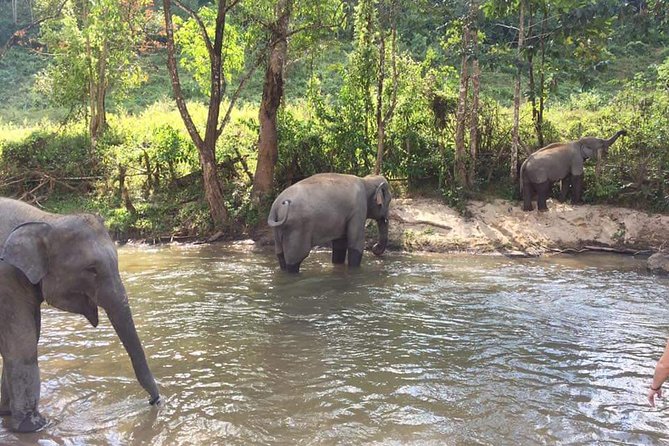
One theme that comes through strongly is the role of mahouts. Reviews mention meeting the people who look after the elephants, and that kind of interaction changes how you view the day.
Instead of elephants being props, they become the center of a working relationship between humans and animals. You’ll hear perspectives about how elephants fit into Thai life and how local caretaking traditions connect to modern care standards.
Even if you’re short on time, this part is where you’ll probably learn the most about the reality of elephant care. You start to see that it’s not just about one activity like feeding. It’s about daily attention, reading behavior, and supporting a natural habitat environment.






Guide Korn and the Small-Group Advantage
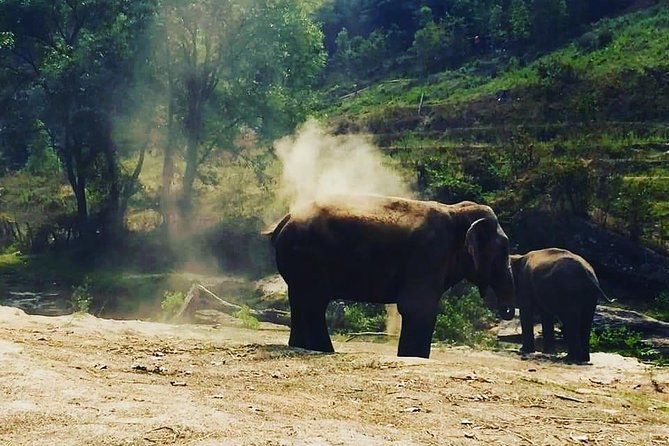
Small group size isn’t just a comfort perk—it affects how much you actually learn and how quickly you get help. This tour caps at 16 travelers, which keeps the experience from turning into a crowded routine.
And then there’s the guide. Several visitors mention Korn by name and describe him as warm, fun, and strongly focused on explaining what’s happening and why. If you’re placed with Korn, you’ll likely get clear explanations along the way—elephant care, Thailand’s elephant context, and the ethics behind the program.
I also like that the tour feels family-run and care-focused in tone. You can sense it when the team is more interested in teaching you how to behave and what to notice than in rushing you through for photos.
Lunch and Timing: What to Plan for in a 5–6 Hour Day
This is scheduled as a 5 to 6 hour outing. The structure typically looks like this: travel to the elephant area, learn a bit along the way, meet the elephants and spend time with them, then wrap up and head back.
One review specifically mentions lunch included, and that’s a big practical win. If food is handled for you, you avoid the common problem of leaving elephant time hungry and then spending the rest of your day hunting for a meal near the city.
Still, I suggest you plan like you’ll be outdoors and moving between spots. Bring sunscreen, light layers, and something comfortable to walk in. Even though this is a half-day, you’ll likely spend most of it away from the comforts of the hotel.
Price and Value: Is $77.44 Worth It?
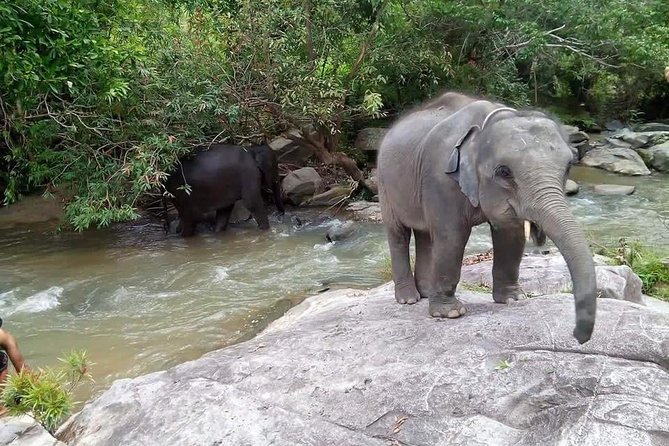
At $77.44 per person, this isn’t the cheapest elephant activity in Chiang Mai, but it also isn’t trying to be a bargain-basement option. You’re paying for a few things that matter:
- Pickup is offered, so you’re not paying extra time or transport hassle
- A professional guide adds context about elephants in Thailand and the ethics of care
- Small group size helps the experience stay personal
- You get dedicated time at the elephants’ natural habitat, plus hands-on activities like feeding and washing
- Lunch may be part of the day, based on visitor feedback
If your main goal is simply to take photos quickly, you might find cheaper options elsewhere. But if your goal is a calmer, guided, more meaningful encounter—this price starts to feel reasonable. You’re paying for time, instruction, and care-focused interaction rather than a rushed show.
Who This Tour Fits Best (and Who Might Want Another Option)
I think this tour is a strong match if you:
- Want a guided elephant experience in a natural habitat setting
- Prefer smaller groups so you can ask questions and learn
- Like tours where the emphasis is animal care ethics, not just spectacle
- Want a morning activity that still feels like a full experience
It might be less ideal if:
- You hate long rides or you’re expecting the elephants part to be the majority of the time. You’ll spend about 90 minutes driving out and back.
- You’re looking for something purely hands-off (though feeding and washing are part of the experience, the tour is guided and instruction-focused).
Also, practical notes from the tour details: most travelers can participate, and service animals are allowed. If you have specific mobility needs, you should still ask the operator what the day involves on the ground at the habitat.
Should You Book This Half-Day Elephant Nature Experience?
If you want an elephant day that’s focused on natural habitat time plus real explanation from your guide, I’d say book it. The best reason is the combination: you’re not just watching—you’re learning how the elephants spend their day, and you’re getting guided participation like feeding and washing with an ethics-first approach.
Before you go, keep one expectation straight: this is a morning half-day, so the schedule includes real travel time. If you’re okay with that, you’ll likely find it’s a great way to get meaningful elephant contact without eating up your whole day.
If your ideal Chiang Mai day includes a relaxed countryside drive, a small-group feel, and the chance to understand elephant care from people like Korn and the mahouts, this is a solid pick.
FAQ
What is the duration of the Half Day Elephants in Nature Experience?
The tour runs about 5 to 6 hours.
Where does the tour start in Chiang Mai?
The meeting point is on Tha Phae Road, Amphoe Mueang Chiang Mai, Chang Wat Chiang Mai, Thailand.
Is pickup included?
Yes, pickup is offered.
How much does the tour cost?
The price is $77.44 per person.
What is the maximum group size?
The tour has a maximum of 16 travelers.
What is the cancellation policy?
You can cancel for a full refund up to 24 hours in advance. If you cancel less than 24 hours before the experience starts, the amount paid is not refunded.