REVIEW · CHIANG MAI
Chiangma: Wat ban den, Blue Temple & Sticky Waterfall.
Book on GetYourGuide →Operated by KiKi CM Tour. · Bookable on GetYourGuide
A good day in Chiang Mai can be simple: temple, waterfall, done. This trip puts you at Wat Ban Den for the standout zodiac pagodas and Lanna-style details, then swings you over to Bua Thong Sticky Waterfalls for an easy, grab-the-rocks climb. The biggest thing to watch is the sun and the slightly slick limestone feel at the falls, so you’ll want the right shoes and a bit of patience with the heat.
I like that this is built as a small-group outing (up to 8), with an English-speaking guide and hotel-area pickup, so you’re not stuck figuring out logistics. You get guided time at both places, plus drinking water, and the whole run is short enough to keep the rest of your day open.
In This Review
- Key things that make this tour worth your time
- Wat Ban Den + Bua Thong in one half-day: how the pacing really feels
- The practical “energy math” I suggest
- Wat Ban Den (Wat Bandensali Si Mueang Kaen): zodiac pagodas and calm Lanna design
- Inside the main hall: Ubosot details
- One simple rule that makes everything smoother
- Why it feels different from typical Chiang Mai temples
- Bua Thong Sticky Waterfalls: the limestone climb (and how not to fight it)
- What I’d wear and bring for a comfortable climb
- Getting wet vs. staying mostly dry
- The Seven-Colored Fountain trail: birds, shade, and a sacred viewpoint
- Keep the sacred rules in mind
- Itinerary flow: where the time goes and how to make it enjoyable
- A smart crowd strategy
- Price and value: what $57 buys you (and what to double-check)
- What feels like the real bargain
- Your guides and the photo factor at the end
- Who should book this tour, and who should think twice
- Should you book this tour?
- FAQ
- What is the meeting and pickup setup?
- How long is the tour?
- What stops are included?
- Is there a hike included at the waterfall?
- Can I swim at the Sticky Waterfalls?
- What should I wear to enter the temple?
- Is the sticky waterfall easy to climb?
- What’s included in the price, and is food covered?
Key things that make this tour worth your time
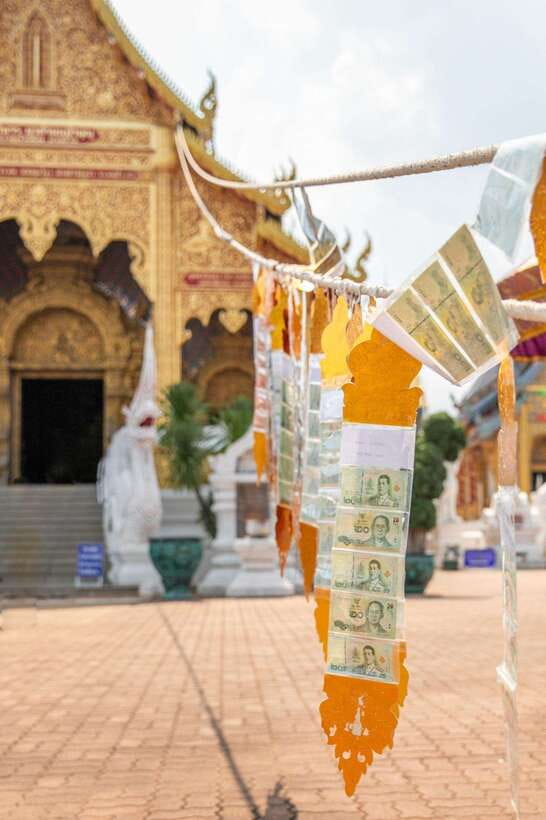
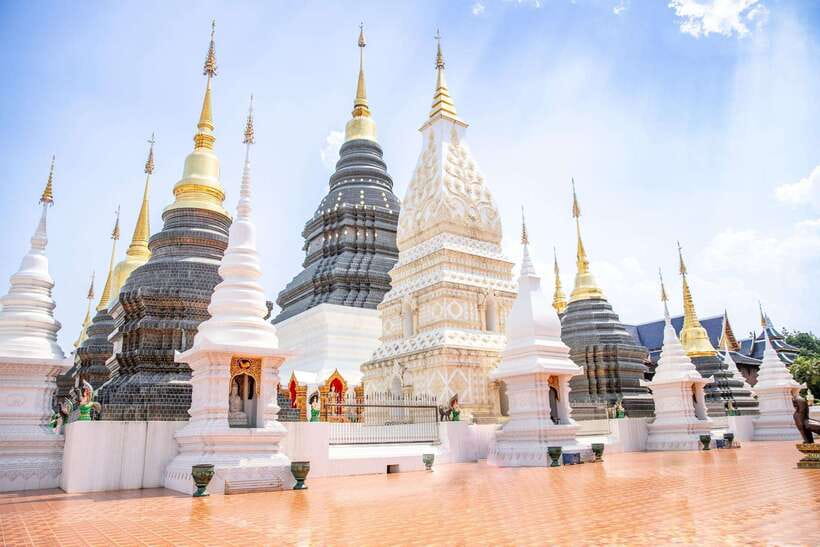
- Twelve zodiac pagodas at Wat Ban Den, each covered in colorful mosaics and carvings, perfect for close-up photos
- Serene Lanna temple architecture, including the main hall (Ubosot) with Buddha statues and teaching murals
- Bua Thong limestone climbing that feels controlled, with a guide who helps you navigate the slick spots
- A short tree-lined trail to the Seven-Colored Fountain, where birds add to the calm atmosphere
- Small-group pace (max 8 people), which helps the waterfalls feel less crowded
Wat Ban Den + Bua Thong in one half-day: how the pacing really feels
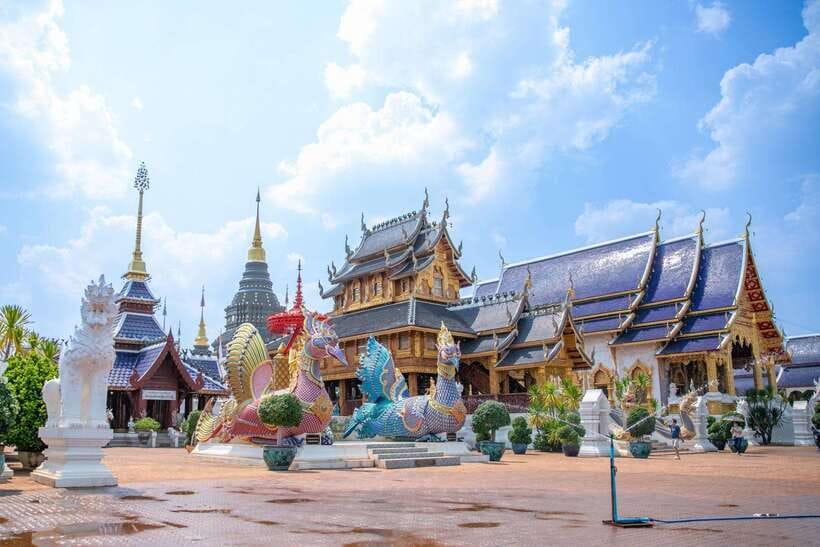
This is a compact plan: you start with a guided temple visit and then move to the waterfall area for guided sightseeing. You’re not trying to cram in five sites, which makes a difference when you’re traveling in Thailand’s heat.
The travel time matters here because you’re going from Chiang Mai to the Mae Taeng area, then back. Even with the short on-site stops, it’s still a real commitment of your morning or afternoon. If you hate long drives, this won’t be your favorite format. But if you want two very different Chiang Mai experiences without the stress of organizing transport yourself, it’s strong value.
You can also read our reviews of more tours and experiences in Chiang Mai.



The practical “energy math” I suggest
Bring this mindset: temple time is slower and quiet; waterfall time is active and a bit messy. Plan on sunscreen, water, and clothes that can handle splashes and climbing. You’ll enjoy it more if you don’t treat the falls like a sit-and-snap photo spot.
Wat Ban Den (Wat Bandensali Si Mueang Kaen): zodiac pagodas and calm Lanna design
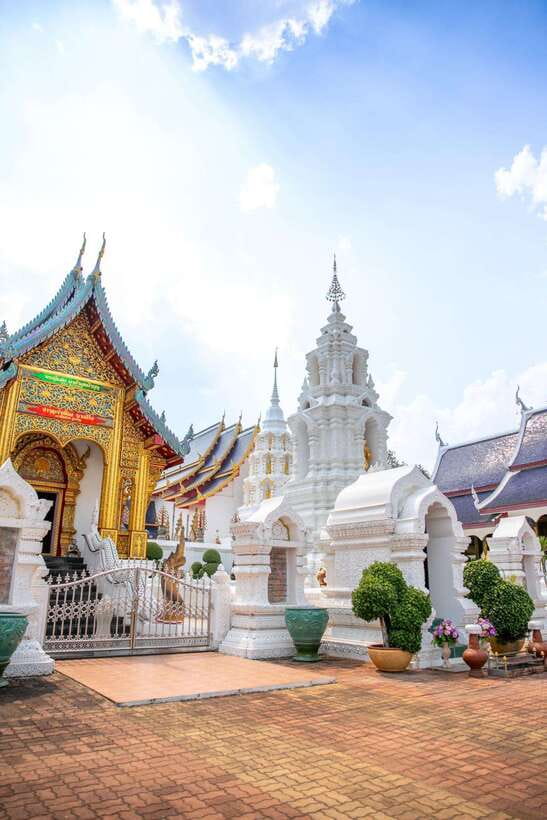
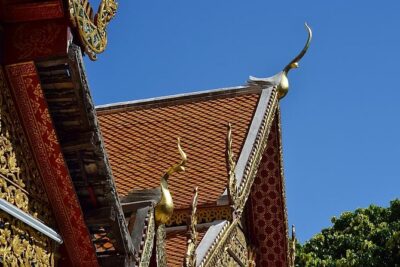
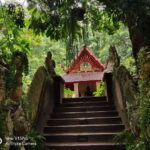
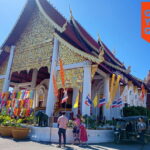
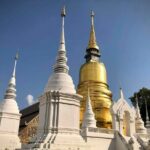
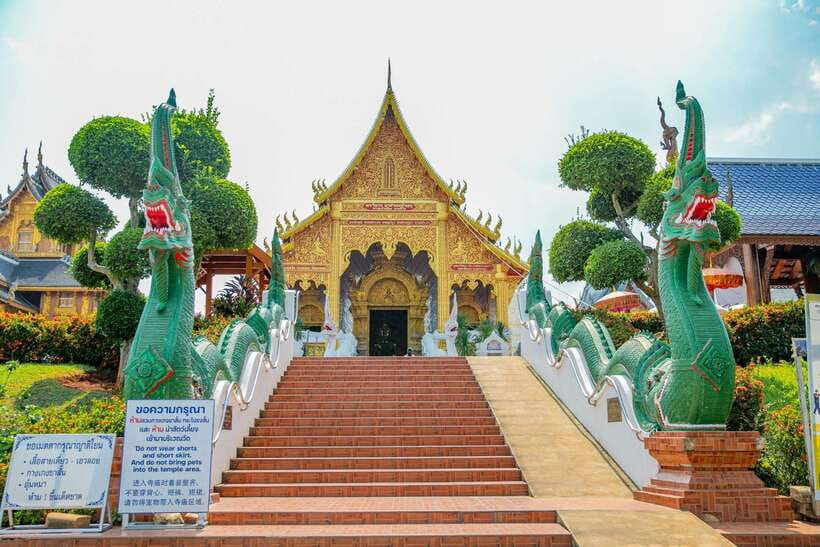
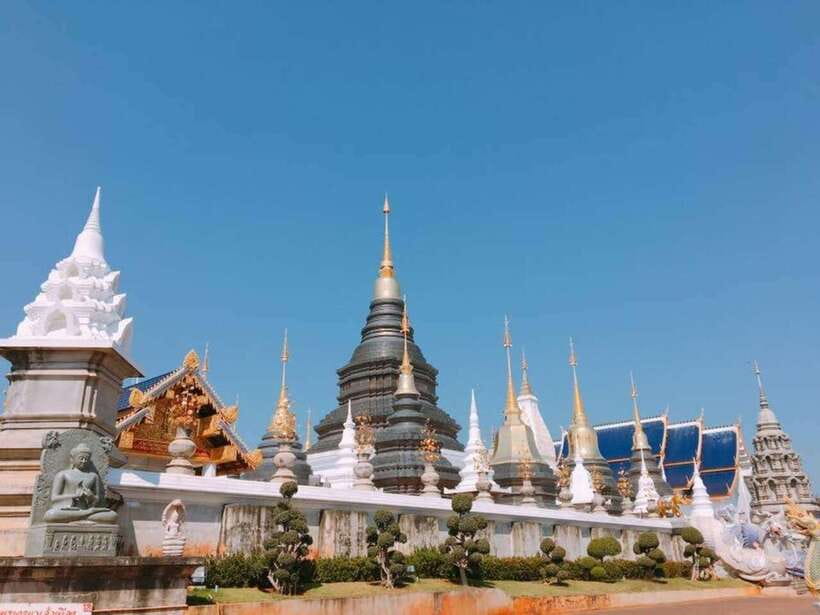
Wat Ban Den is the kind of temple that rewards you for looking up and walking slowly. The headline feature is the cluster of 12 zodiac pagodas, tied to the Chinese zodiac, and they’re decorated with bright mosaics and detailed carvings. This is where you’ll spend time framing photos and actually admiring the patterns instead of just passing through.
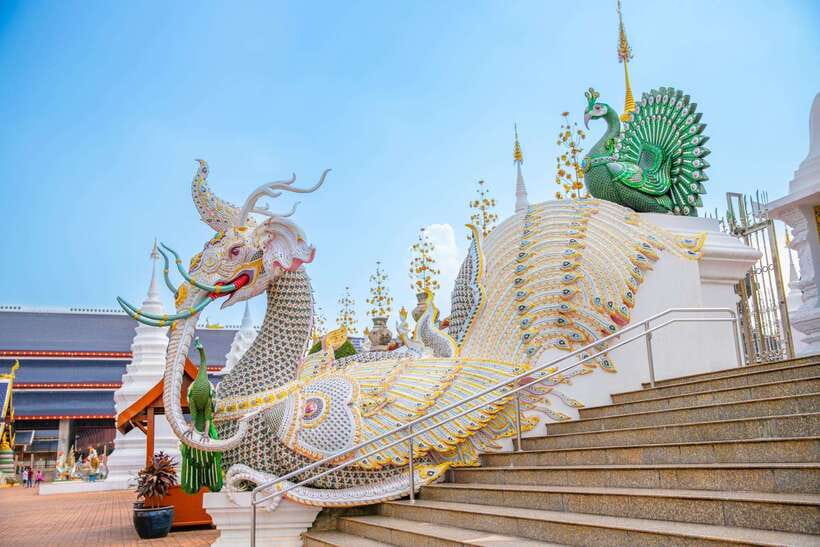
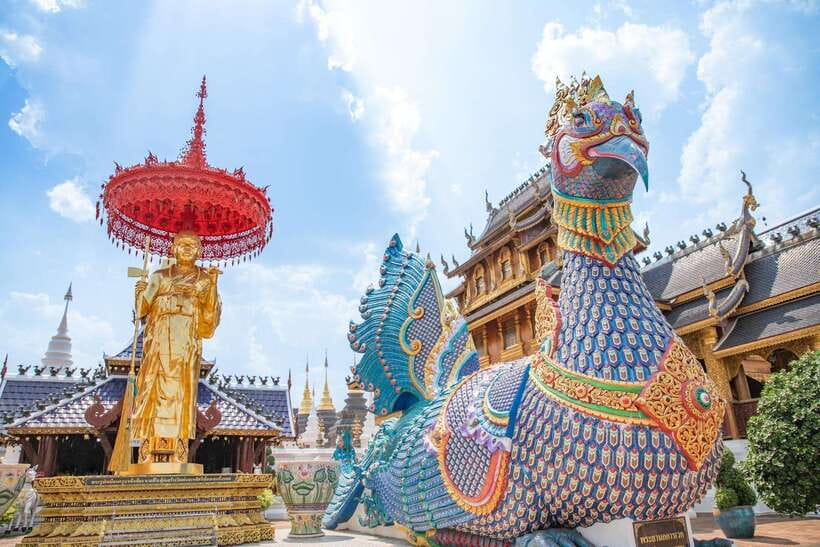
What I like most is how the architecture supports the mood. The complex shows Lanna-style building details—curved roof lines, ornate gables, and careful woodwork. It doesn’t feel like one big photo backdrop; it feels like a living temple space where you can breathe for a bit.
Inside the main hall: Ubosot details
The Ubosot (main hall) is where you’ll find sacred Buddha statues and murals that depict Buddhist teachings. You don’t need to be an art expert to appreciate it, because the guide can point you toward what to notice and how the pieces fit together.
If you’re someone who loves religious art and design, this stop gives you that slow, meaningful viewing time. If you’re mostly there for scenery photos, you’ll still get plenty of dramatic angles from the pagodas and colorwork.
One simple rule that makes everything smoother
Temple etiquette is part of the experience here. Cover shoulders and knees before you enter the temple area. The guide can help you plan for that, but it’s on you to bring something suitable (or be ready to adjust). For ladies, it’s customary to cover the shoulders, so consider bringing a small cloth.


Why it feels different from typical Chiang Mai temples
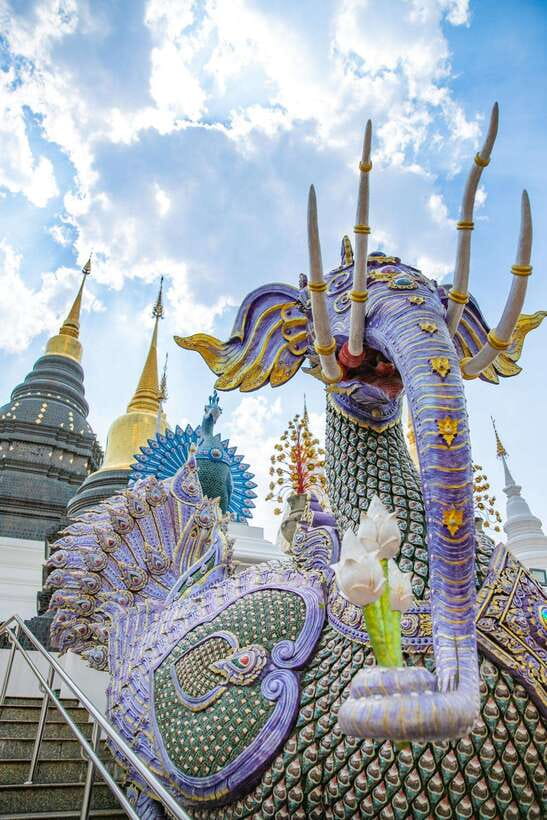
This temple is often described as having a unique architectural feel compared with what you usually see in Chiang Mai. I’d put it this way: the colors and the zodiac pagoda concept create a visual identity that’s less “standard temple circuit” and more “distinct themed complex.”
That matters because Chiang Mai can overload you with similar roof shapes and gold accents if you’re doing multiple temple stops. Here, the 12 zodiac pagodas change the rhythm of your sightseeing—your eyes keep moving, and you’re naturally drawn to details you’d otherwise skip.
The other difference is the tone. Wat Ban Den is known for a peaceful atmosphere, which helps when you’re balancing a day that includes more physical activity later. You get a reset before the sticky, climbing part.
Bua Thong Sticky Waterfalls: the limestone climb (and how not to fight it)
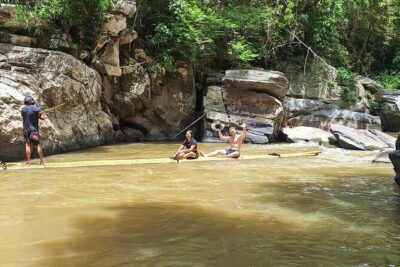
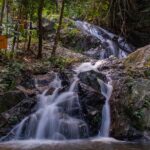
Then comes Bua Thong, also called Sticky Waterfalls. The name isn’t just marketing. The surface is limestone, and the grip comes from how the rock texture works, which is why people describe it as clinging like gecko hands and feet.
Here’s the honest balancing act: the info you’ll hear says it’s not too slippery, and that you can climb without getting too wet. At the same time, it’s also described as slightly slippery in places. The best way to handle that is to accept it as a guided activity—let the guide choose the best routes and pacing for your footing.
What I’d wear and bring for a comfortable climb
Wear something you can move in. For footwear, you have a choice:
- water shoes if you want protection and grip
- or you can walk barefoot at the waterfall area
If you’re prone to slippery-feet stress, water shoes are the easiest win. If you’re comfortable on rocks, barefoot can feel more direct for climbing.
You’ll also want to expect short bursts of walking through the area and a climb that uses your legs, core, and steady hands. This is not a hardcore hike, but it’s not purely passive either.
Getting wet vs. staying mostly dry
The good news is you can keep things fairly controlled. The description says you can climb without getting too wet. Still, don’t plan for a completely dry outfit. If you’re bringing camera gear, use common-sense protection and keep it secured.
The Seven-Colored Fountain trail: birds, shade, and a sacred viewpoint
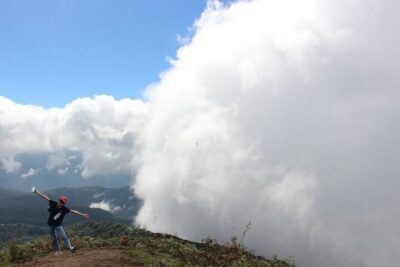
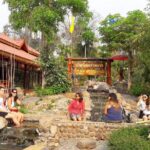
At the waterfall area, there’s a small hiking trail through the trees if you’re interested in visiting the Seven-Colored Fountain and seeing the source of the water. This part changes the feel of the visit from climb-and-splash to walk-and-listen.
One of the best details here is the soundscape: you may hear melodious birds singing along the way. It’s a small moment, but it makes the stop feel less like an activity line and more like an actual nature break.
Keep the sacred rules in mind
The fountain is a sacred place. For ladies, bring a cloth to cover your shoulders before you approach. Even if the walk feels relaxed, treat the area with respect and follow the guidance you’re given.
Itinerary flow: where the time goes and how to make it enjoyable
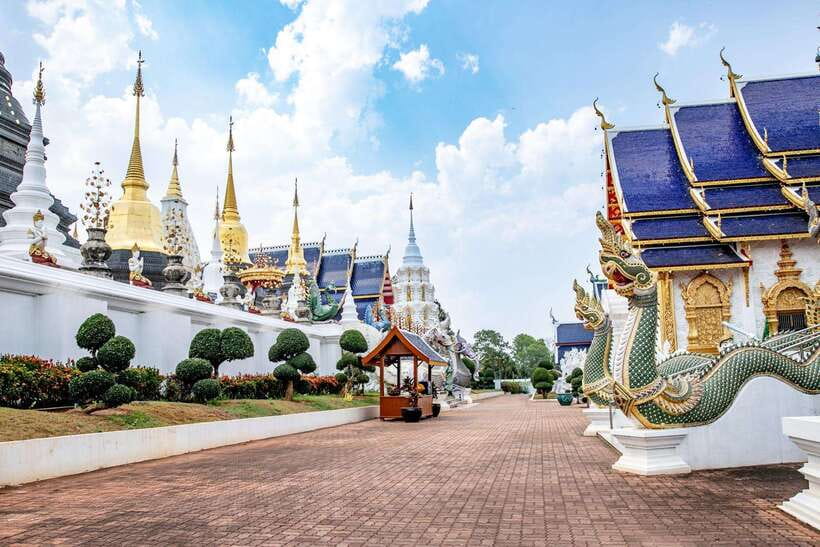
This trip is built around two guided blocks: about 1 hour at Wat Ban Den, then about 1.5 hours at Bua Thong. The rest is transport between Chiang Mai and the Mae Taeng side of town.
In real life, that means:
- You start with focused temple viewing, with time to notice the zodiac pagodas and Lanna architecture.
- You switch gears to a physical spot with climbing and water sounds.
- If you add the Seven-Colored Fountain trail, you’ll get extra walking and a more tranquil pause.
A smart crowd strategy
Crowds can change your experience at both sites, especially at the waterfall. One helpful tip from a past run: doing it on a weekday morning can keep the falls from feeling packed. If you can pick a day, I’d aim for earlier in the day.
Also, the small group size helps. Up to 8 people means you’re less likely to get stuck behind a big line for photos or moving space on the rocks.
Price and value: what $57 buys you (and what to double-check)
At $57 per person for a roughly half-day outing, you’re paying for three main things:
1) Transport by car with a driver, including pickup from the Chiang Mai area
2) An English guide for both the temple and waterfall sections
3) Drinking water to cover the basics during your time out
Food isn’t included, so budget for a meal before or after. That’s normal for short trips like this.
One more practical note: temple and park entry fees aren’t listed in the information you provided. I’d check before you go, so you don’t get surprised at the gate. If entry is included, great. If not, you’ll at least know to bring a little extra cash.
What feels like the real bargain
The value is strongest if you’d otherwise be paying for your own transport and trying to coordinate a temple + waterfall day. With the guide and pickup, you lose less time. With the small group, you gain less waiting around.
Your guides and the photo factor at the end
This isn’t just a “driver drops you off” kind of tour. You’ll have an English-speaking guide and close attention while you’re at the sites.
In one verified experience, the team included guides named Didi and Peter, described as friendly and helpful. There was also a nice photo touch: Peter took lots of photos and videos during the day and sent them afterward via AirDrop. Since that’s not guaranteed in the information, I’d treat it as a bonus that may happen, not a promise. Either way, the guide experience helps you get better photos by timing your stops and pointing out what matters.
Who should book this tour, and who should think twice
This is a great fit if you want:
- a temple with distinct architecture (those zodiac pagodas are a must-see)
- an active nature stop that’s still approachable for many people
- a day that stays short enough for Chiang Mai sightseeing later
You might think twice if you:
- strongly dislike any climbing or uneven footing
- can’t handle warm outdoor walking
- need fully dry conditions (the falls area can involve splashes)
For most people, though, the climb is presented as manageable. The guide can help, and the description emphasizes that you won’t get overwhelmed by getting wet.
Should you book this tour?
I’d book it if you want a clean, efficient way to see two very different sides of Chiang Mai Province without sorting transport on your own. Wat Ban Den is the standout for your eyes—those 12 zodiac pagodas are the kind of detail that turns into lasting photos. Bua Thong is the standout for your body—you get an easy-to-moderate limestone climb plus the option to walk to the Seven-Colored Fountain for a quieter, sacred viewpoint.
If your schedule is flexible, choose a weekday morning to improve your odds of a calmer waterfall experience. Bring sunscreen and something to cover shoulders when needed, and you’ll enjoy the day much more.
If you want, tell me your travel month and whether you plan to climb in water shoes or barefoot, and I’ll suggest what to pack and how to time the day around heat and crowds.
FAQ
What is the meeting and pickup setup?
You can be picked up from your hotel, the bus station, or the airport, and there’s hotel transfer service within Chiang Mai city.
How long is the tour?
The experience is listed as 4 hours.
What stops are included?
The tour includes Wat Ban Den temple and the Bua Thong Sticky Waterfalls.
Is there a hike included at the waterfall?
There is a small hiking trail through the trees to the Seven-Colored Fountain if you’re interested in visiting it.
Can I swim at the Sticky Waterfalls?
There is a small swimming pool at the bottom of the waterfall area. If you want to swim, you’ll want to bring a swimsuit to change into.
What should I wear to enter the temple?
It’s customary to wear clothing that covers your shoulders and knees before entering the temple area.
Is the sticky waterfall easy to climb?
The climb is described as not too slippery, and you can climb without getting too wet, but the limestone surface can be slightly slippery, so the guide helps.
What’s included in the price, and is food covered?
The price includes an English guide, car with driver, hotel transfer (Chiang Mai city), and drinking water. Food is not included.