REVIEW · CHIANG MAI
Chiang Mai: Doi Inthanon Hiking & Elephant Sanctuary Program
Book on GetYourGuide →Operated by Living Green Elephant Sanctuary Chiang Mai and Chonburi · Bookable on GetYourGuide
Elephants in freedom, not on a schedule. I love the Living Green Elephant Sanctuary approach and the no-riding elephant time, where you walk and feed while they choose their own pace and even how they cool off. The one downside is simple: this is a long 11–12 hour day, and you’ll earn your evening shower.
What makes this program extra appealing is that it stacks top nature scenery with cultural stops, all with hotel transport and a small group (up to 12). You’ll head up to Doi Inthanon, Thailand’s highest mountain, then switch gears to a guided hike on the Pha Dok Siew nature trail, plus an organic Karen hilltribe coffee farm.
Because the mountain gets chilly fast, you’ll want to pack smart from the start. Bring swimwear and a towel for the elephant bathing portion, and also a warm jacket—Doi Inthanon can go from sunny to cold in a hurry.
In This Review
- Key highlights at a glance
- Living Green Elephant Sanctuary: the ethical part that actually matters
- Mo Hom clothing, feeding, and mud-bathing etiquette
- Doi Inthanon summit, Twin Pagodas, and botanical garden pauses
- Pha Dok Siew nature trail: rice terraces, waterfalls, and guided pacing
- Karen hilltribe coffee farm: more than a snack stop
- Transportation and timing: the “good long day” reality from Chiang Mai
- Price value check: what $56 really buys you (and what costs extra)
- Who should book this day trip (and who should skip it)
- Should you book this Chiang Mai Doi Inthanon plus elephant sanctuary tour?
- FAQ
- Is elephant riding included in this program?
- How long is the Chiang Mai Doi Inthanon Hiking & Elephant Sanctuary Program?
- What does the tour price include?
- What park entrance fees are not included?
- What should I bring for the day?
- What’s the group size and language of the guide?
- What happens if weather or traffic changes?
Key highlights at a glance
- Ethical elephant interaction: rescued elephants, no chains, no riding, no performances
- Mo Hom outfit + elephant stories at the sanctuary briefing
- Doi Inthanon summit views plus Twin Pagodas and the botanical gardens
- Pha Dok Siew trail featuring rice terraces, wildlife spotting, and a waterfall stop
- Organic Karen hilltribe coffee farm with a coffee-focused cultural visit
- Small-group pacing with an English-speaking guide and hotel pickup/drop-off
Living Green Elephant Sanctuary: the ethical part that actually matters
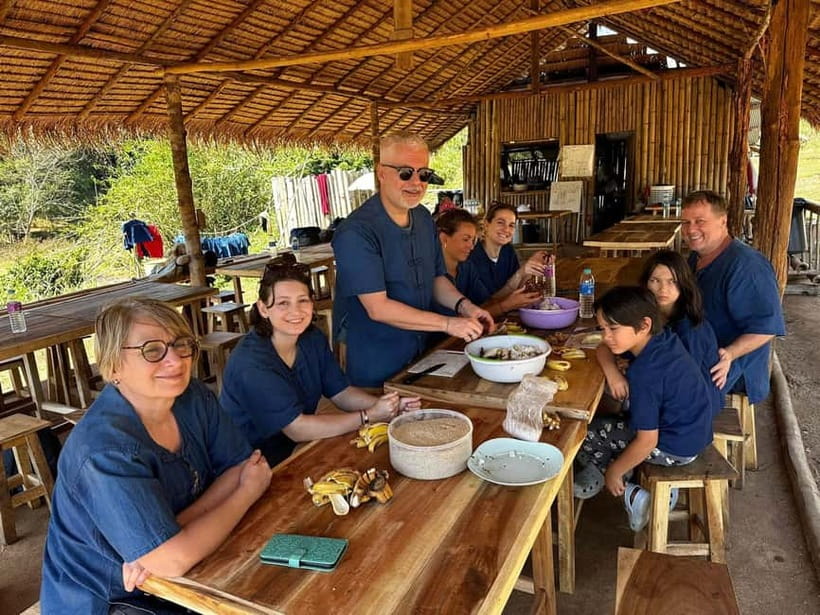
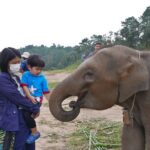
The sanctuary is the heart of this day, and it’s the reason the program feels more meaningful than the usual “elephant photo stop.” At Living Green Elephant Sanctuary, the emphasis is on respect and recovery. The elephants are not put into routines for rides or tricks, and they’re not treated like props.
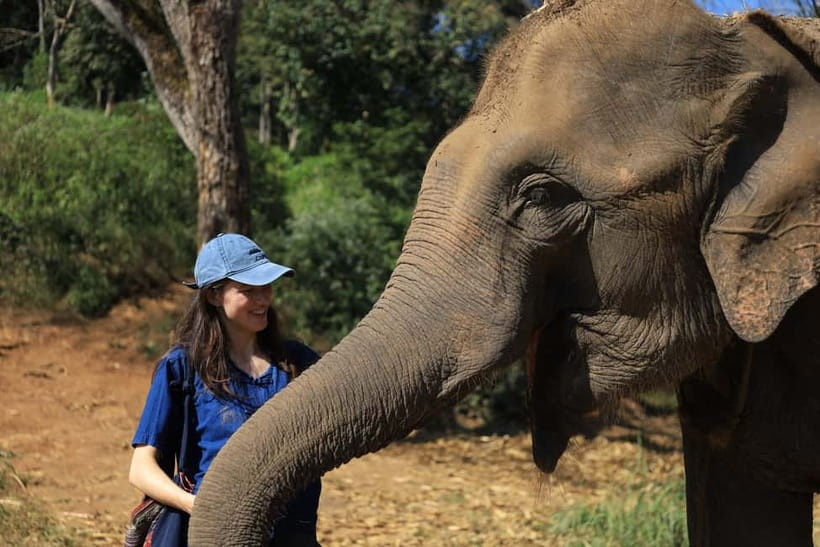
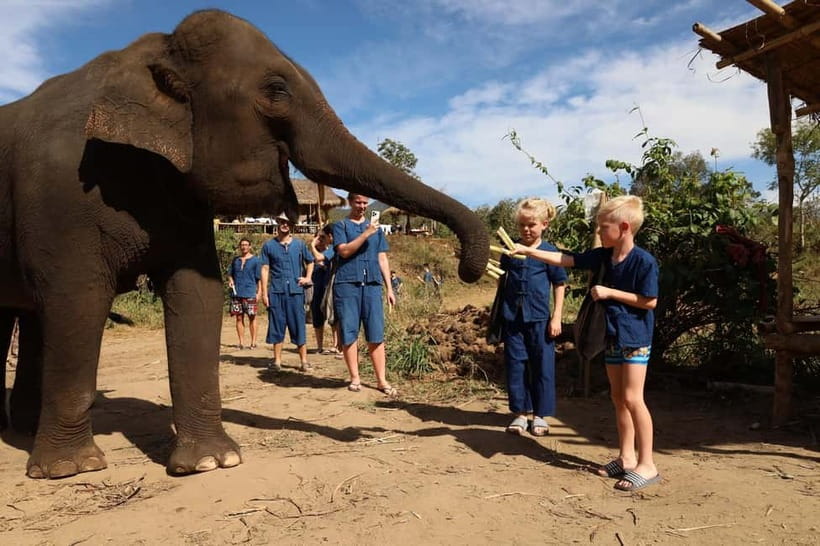
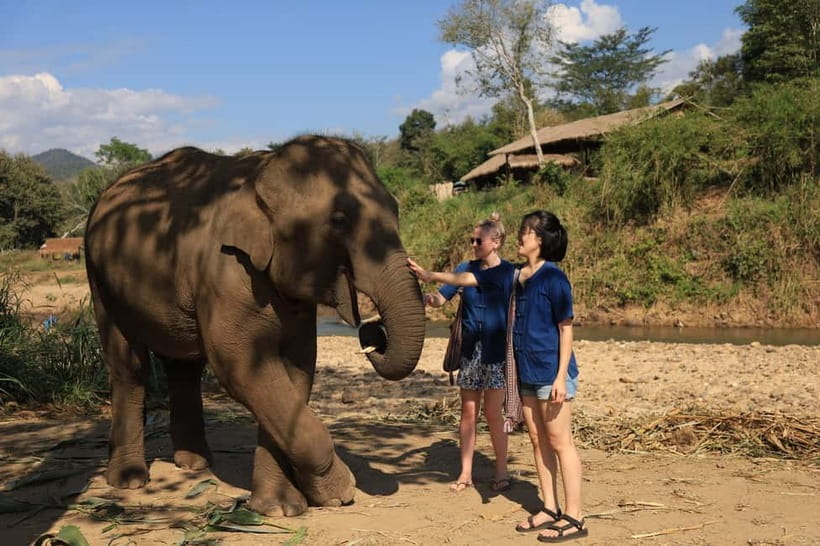
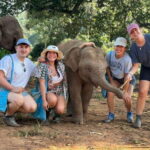
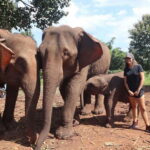
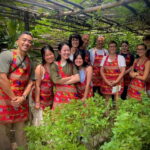
What I like most is how your interaction is guided around animal welfare. You’ll change into traditional northern Mo Hom clothing, learn each elephant’s story, and then spend time feeding and walking with them through the tropical forest. This isn’t a sprint through a line of attractions. It’s more like joining the slow rhythm of caretakers and elephants who are comfortable with people in their space.
And yes, bathing is part of the experience—watching elephants cool off in mud is one of those moments that stays with you. Importantly, the program notes that elephants are not forced into the river or any activity. That small detail is huge. It means you’re not waiting for an animal to perform just to satisfy a schedule.
If you’re nervous about “doing the wrong kind of elephant tour,” this is the kind of program that tries to get the ethics right: no riding, no chains, no shows. You’ll still get close, but the focus stays on observation and respectful interaction.
You can also read our reviews of more hiking tours in Chiang Mai
Mo Hom clothing, feeding, and mud-bathing etiquette
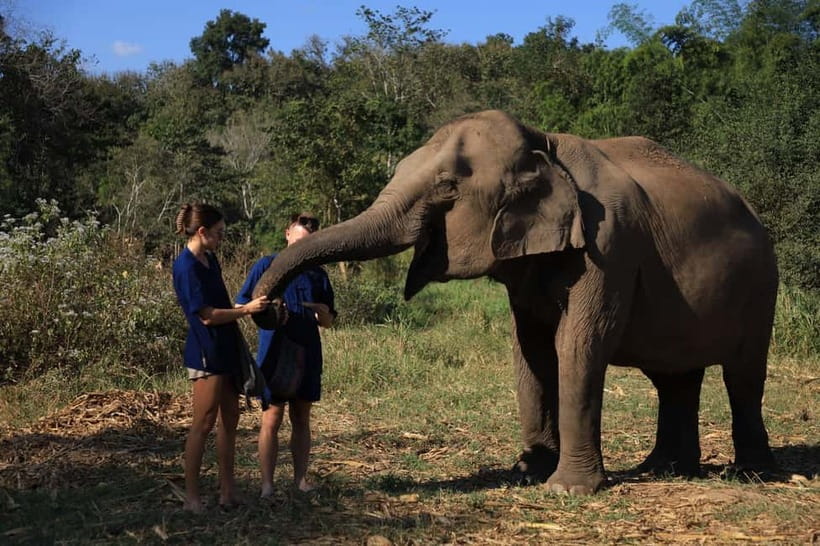
The sanctuary visit starts with a briefing and that quick but memorable moment of getting dressed in traditional Mo Hom. It sets the tone: this is northern Thailand, and you’re learning how the caretakers interpret each elephant’s history—not just checking a box.
Your elephant time follows a clear flow:
- You learn about each elephant’s story and how they’re cared for now
- You feed them as part of the guided experience
- You walk with them in the forest environment
- You may observe bathing and cooling off in mud
That last part is where a lot of people’s eyes get wide. You’re not “making” it happen. You’re watching how the elephants choose to cool off. When elephants move into the mud, you get a real sense of how much they rely on natural behavior for comfort.
Practical tip: plan to get a little wet. Even if your elephant doesn’t fully dunk into the bathing area, the towel-and-change-of-clothes routine is smart. The tour explicitly recommends bringing swimwear, a towel, and spare clothes, and I agree—this isn’t a dry-and-clean souvenir day.
One more thing: the program lists not allowed rules like smoking, alcohol/drugs, littering, feeding animals, and touching plants. The “feeding animals” line can sound contradictory until you realize feeding is only allowed as part of the guided elephant activity. Follow the guide’s instructions, and you’ll be fine.
Doi Inthanon summit, Twin Pagodas, and botanical garden pauses
After lunch, you drive about 30 minutes to Doi Inthanon National Park. This shift is part of the value: you go from elephant sanctuary calm to mountain air and big viewpoints.
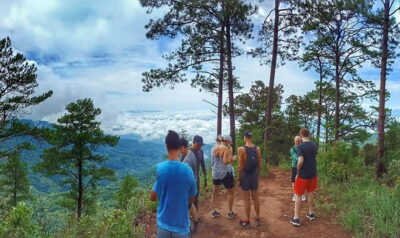
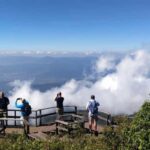
Doi Inthanon is Thailand’s highest mountain, and the day is built around that “top of the world” feeling. Expect cool mist and panorama-style views at the summit area. The temperature drop is real, even if Chiang Mai feels warm when you leave.
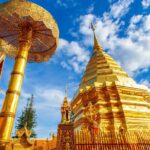
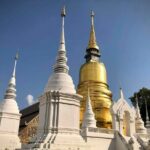
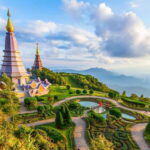
You’ll also visit the Twin Pagodas and the Botanical Gardens. These are the kind of stops that work well in a day like this because they give you a cultural reset without forcing a long, hard climb. The pagodas sit nicely above the valley—so you get views without needing to burn energy the same way you do on the hike.
If you’re someone who likes slow wandering, the schedule can feel tight at points. Some guides do a drop-off style moment, and you may end up exploring on your own for a bit. That’s not bad, just know that you might not get every single “wait for the best light” moment.
Still, the overall payoff is big. You’re seeing high-elevation Thailand in one day, not just temples in the city.
Pha Dok Siew nature trail: rice terraces, waterfalls, and guided pacing
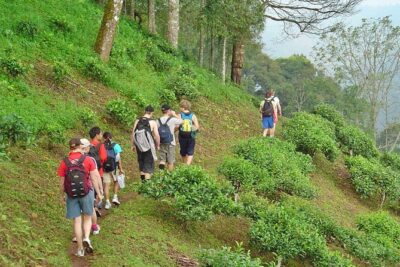
The guided hike comes after the pagodas and botanical garden visit, on the Pha Dok Siew nature trail. This is where the trip turns from sightseeing into a physical reset.
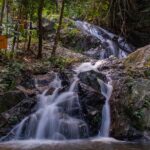
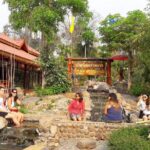
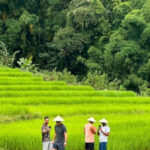
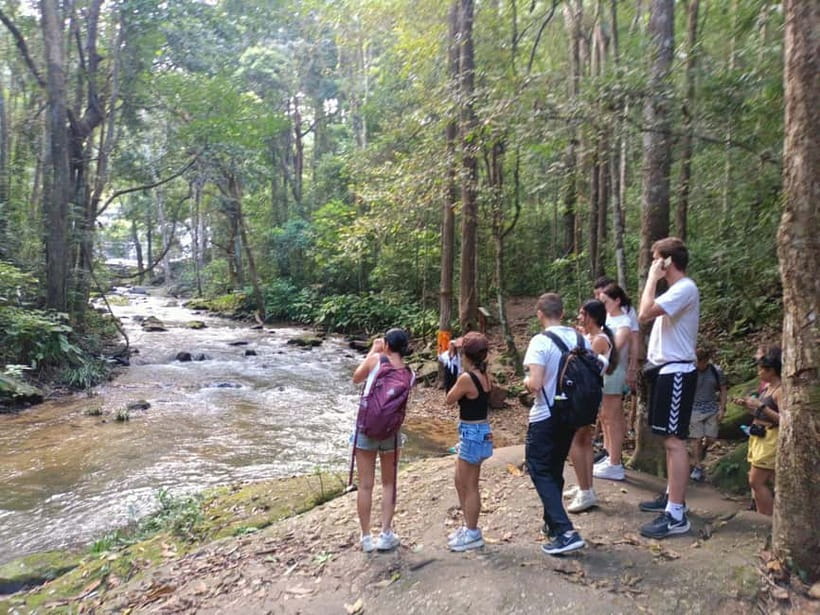
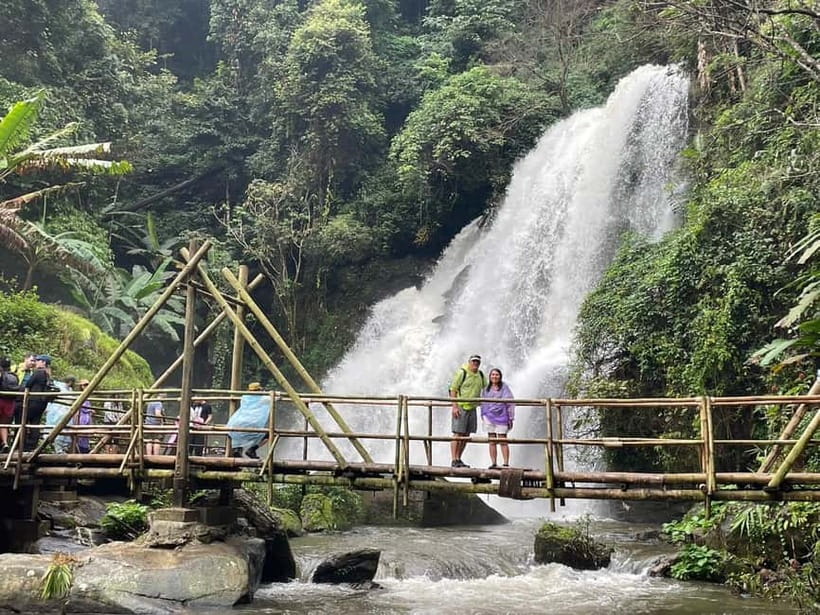
The trail focus is nature with enough guidance to keep it safe and rewarding. You might spot rare wildlife, and you’ll move through areas with lush rice terraces and scenic greenery. There’s also a waterfall stop where you cool off—exactly what you want after a day that already includes walking with elephants.
How hard is it? The program describes it as a guided hike, and the day is long overall. Reviews include comments ranging from enjoying the hike to finding it more intense than expected or a bit rushed. My advice is to treat it as a real hike day, not a casual stroll, and pack accordingly.
Bring:
- hiking shoes
- water
- sunscreen
- insect repellent
Also, notice how the day includes multiple groups and stops. If you love quiet nature time, you might want to slow your pace when you can during photo moments, because the guided flow can keep moving.
The good part is you’re not just walking for the sake of walking. The trail connects to views you wouldn’t stumble into on your own, and the combination of rice terraces, water sounds, and jungle shade is a strong contrast to the urban feel of Chiang Mai.
Karen hilltribe coffee farm: more than a snack stop
One of the standout add-ons here is the organic Karen hilltribe coffee farm. This isn’t positioned as a random market detour. It’s a cultural and food experience tied to a specific community and their agriculture.
The tour includes coffee tasting, and the stop tends to work well as a break before the drive back. You’ll get a calm moment to sit, smell, and learn how coffee connects to local life.
The best way to enjoy this stop is simple: treat it like a learning moment, not just a tasting flight. Ask what’s grown, how it’s handled, and why the farm is described as organic. Even if the focus is brief, it adds texture to the day so you don’t feel like you only got temples and trekking.
If you care about cultural experiences that feel agricultural and local, this coffee farm stop is one of the more practical “souvenir alternatives.” You leave with a flavor memory, not just a photo.

Transportation and timing: the “good long day” reality from Chiang Mai
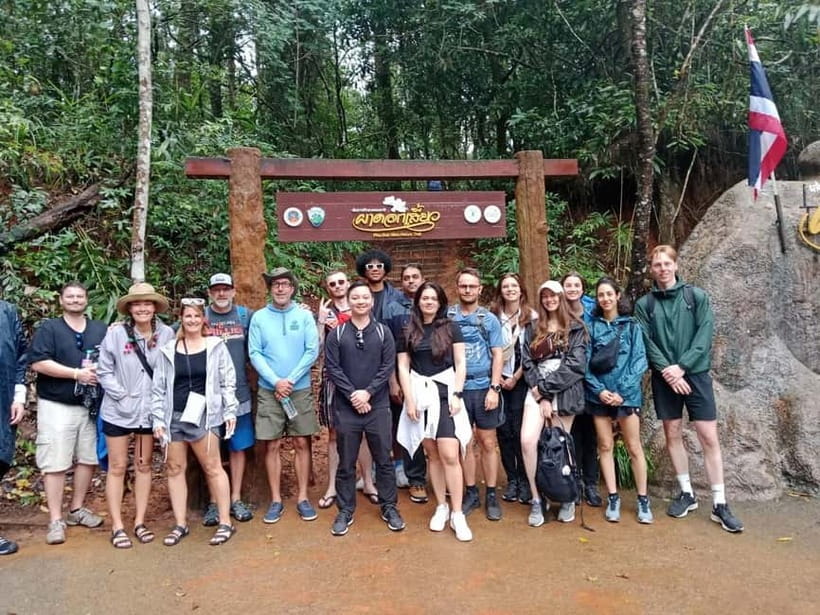
This program runs about 07:00–19:00 (often 11–12 hours total), including hotel pickup and drop-off. The drive from Chiang Mai to the sanctuary is about 1.5 hours, then you return about 1.5 hours after the mountain hike.
Two things matter for comfort:
- You’ll be in a van most of the day.
- The routes can involve winding roads and real elevation change.
Some people have pointed out that the transport can feel cramped, especially for taller passengers, and a few mention motion discomfort on the way up. If you’re the kind of person who gets carsick, bring travel sickness tablets and sit where you feel most stable.
The day also packs a lot in. Even with smooth organization, some sections—like pagodas time or parts of the hike—can feel paced rather than leisurely. That’s not a deal-breaker. It’s just the tradeoff you make when you try to do sanctuary + highest mountain + waterfall hike in one shot.
Group size is limited to 12, and that helps. You won’t feel swallowed by a crowd, and your guide can keep an eye on the group during walking moments.
Guide note: the experience quality can strongly depend on who’s leading you. In feedback, guides like Rainbow, Nott, Jon, Pete, and Mod all show up as strong points—either for elephant care explanations, mountain context, or general humor and energy. If you get one of the talkative guides, you’ll likely get more out of every stop.
Price value check: what $56 really buys you (and what costs extra)
At $56 per person, this program can feel like a bargain because it bundles several expensive-in-time pieces:
- hotel pickup and drop-off
- a sanctuary visit with traditional clothing and guided elephant interaction
- an authentic Pad Thai lunch
- Doi Inthanon sightseeing (Twin Pagodas and Botanical Gardens)
- guided hiking on the Pha Dok Siew trail
- an organic Karen hilltribe coffee farm stop
Where value gets a little trickier is that the mountain-related entrance fees are not included. You should plan for:
- Doi Inthanon National Park entrance fee: 300 THB adult / 150 THB child (ages 4–8)
- Phra That entrance fee: 100 THB adult / 50 THB child (ages 4–8)
If you’re budgeting, remember that the “$56 day” is really the guided experience and transport, and you’ll pay a bit extra for the official park entry.
Still, even with that add-on, it’s a solid value if you want a full day of structure. If you tried to piece this together on your own—transport, guide support for the hike, sanctuary access—you’d likely spend more in time and logistics than you’d save in cash.
Who should book this day trip (and who should skip it)
This tour is a great fit if you want:
- an ethical elephant experience with no riding or performances
- a proper hike at Doi Inthanon with guided context
- cultural stops that connect to northern Thailand (Karen coffee farm, Mo Hom clothing)
- one-day convenience from Chiang Mai with a small group
It may not suit you if:
- you’re traveling with children under 8 (not suitable)
- you’re pregnant, have mobility impairments, back problems, or heart problems
- you hate long days or long van rides
Also, be honest about your expectations for elephant sanctuaries. You’ll be interacting with rescued elephants, not watching truly wild herds roaming like in a documentary. The program does clearly aim for ethical handling and gives elephants space to behave naturally, which is the key goal—but it’s still a human-care environment.
Should you book this Chiang Mai Doi Inthanon plus elephant sanctuary tour?
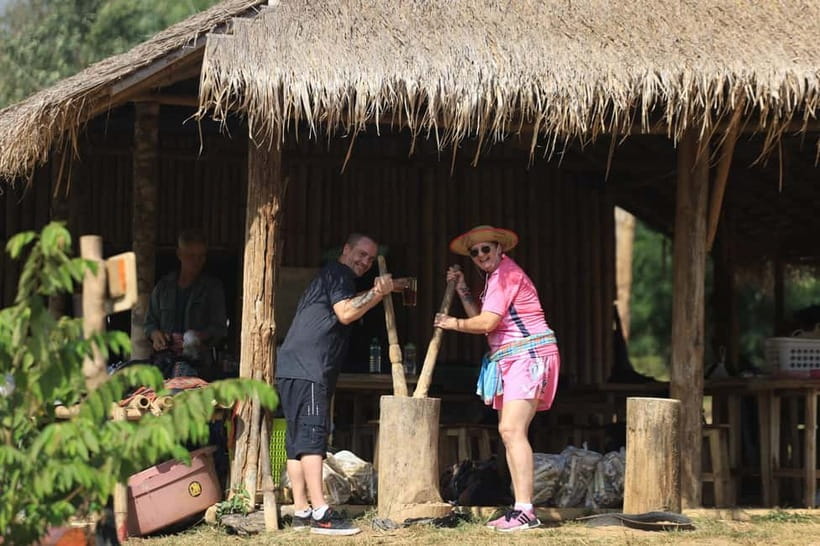
Book it if you want one packed day that hits three priorities at once: respectful elephant care, Thailand’s highest-mountain scenery, and a guided nature hike with cultural stops. I’d call it a strong choice for first-time visitors to northern Thailand who don’t want to spend days planning transport between far-flung places.
Skip it or think twice if your top priority is a slow, quiet mountain day with lots of downtime. This is built to move. Also, if you’re sensitive to road discomfort, plan ahead for van time.
If you choose to book, do two things and you’ll enjoy it more: pack layers for cold mountain air, and treat the hike as part of your day’s workout, not a casual add-on.
FAQ
Is elephant riding included in this program?
No. The experience is designed as an ethical sanctuary visit with no riding, no chains, and no performances. You walk and feed elephants with guidance, and you may observe bathing if they choose.
How long is the Chiang Mai Doi Inthanon Hiking & Elephant Sanctuary Program?
The program runs about 11–12 hours, with a schedule listed as 07:00–19:00. Hotel pickup and drop-off are included, and exact timing can vary with traffic.
What does the tour price include?
It includes hotel pickup and drop-off, traditional northern clothing for the sanctuary visit, elephant feeding and bathing experience, local Pad Thai lunch, visits to the Twin Pagodas and Botanical Garden, guided hiking on the Pha Dok Siew nature trail, and a visit to an organic Karen hilltribe coffee farm.
What park entrance fees are not included?
Doi Inthanon National Park entrance fee is 300 THB for adults and 150 THB for children ages 4–8. There is also a Phra That entrance fee of 100 THB for adults and 50 THB for children ages 4–8.
What should I bring for the day?
Bring hat, swimwear, a change of clothes, a towel, comfortable clothes, hiking shoes, sunscreen, water, a jacket (for mountain cool weather), and insect repellent. A camera is also useful.
What’s the group size and language of the guide?
The tour is a live program in English and keeps group size limited to 12 participants.
What happens if weather or traffic changes?
The itinerary and activities may be adjusted on the day due to weather or traffic conditions, without prior notice, to ensure the best possible experience. Doi Inthanon weather can change quickly, so bringing a warm jacket is strongly recommended.