REVIEW · CHIANG MAI
Chiang Mai:Wat Phra That Doi Suthep & Wat Umong Evening Tour
Book on GetYourGuide →Operated by LocalCNXTours · Bookable on GetYourGuide
Two temples, one calm evening ride. You get the big-name stupa at Wat Phra That Doi Suthep, then trade crowds for green quiet at Wat Umong. It’s a strong combo if you want spiritual sightseeing plus a little breathing room.
I especially like the chance to make merit at Wat Phra That Doi Suthep, not just snap photos. And I like that Wat Umong is treated like a place to slow down, with walkways through meditation areas inside a forest-temple setting.
One consideration: at 4 hours, the pacing is tight. If you want a long, unhurried temple day, this can feel short, and the value will depend on what you hope to get out of the evening.
In This Review
- Key things you’ll notice
- The Evening Rhythm: Why This Temple Pair Works
- Pickup, Timing, and the Small-Group Advantage
- Wat Phra That Doi Suthep: Golden Stupa and the Naga Staircase
- Making Merit at Doi Suthep (Not Just Looking)
- Wat Umong Suan Puthatham: Forest Temple Quiet and the Tunnel Temple
- Views, Photos, and Evening Comfort on the Mountain
- Price and Value: Is $24 Fair for This 4-Hour Mix?
- What to Bring (and What Rules to Respect)
- The Guide and Driver: What Makes the Evening Smooth
- Who This Tour Suits Best (and Who Should Skip)
- Quick Booking Tips That Save Stress
- Should You Book This Tour?
- FAQ
- How long is the Chiang Mai Wat Phra That Doi Suthep & Wat Umong evening tour?
- Is pickup and drop-off included?
- What temples are included?
- Is the Doi Suthep entrance fee included?
- What should I wear or bring for the temple visits?
- Is the tour wheelchair-friendly or suitable for older guests?
Key things you’ll notice
- Small group size (up to 10): easier conversations with the English guide and less waiting around.
- Merit-making at Doi Suthep: a hands-on cultural moment, not only sightseeing.
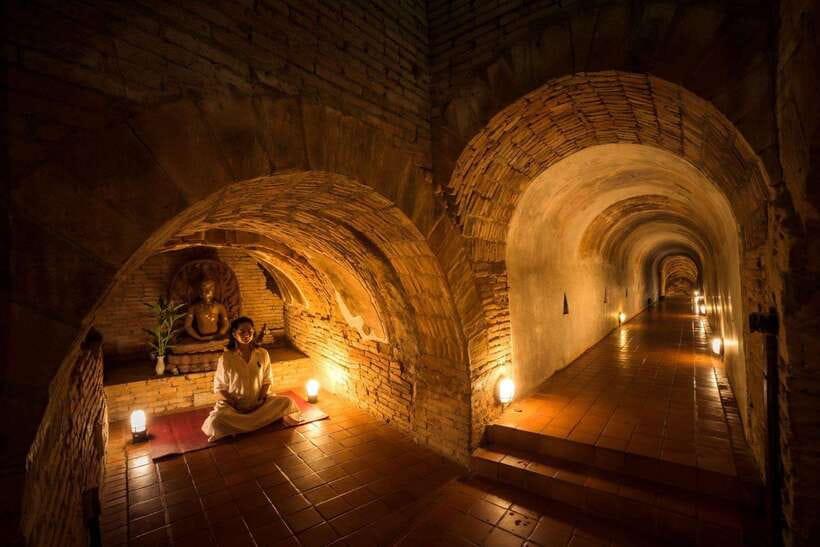
- Forest-temple feel at Wat Umong: peaceful walking through meditation areas and greenery.
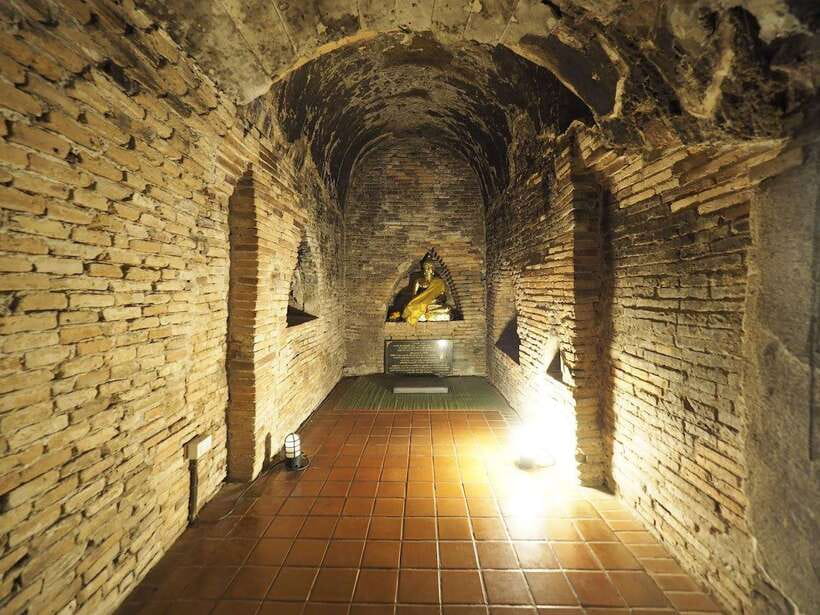
- Tunnel Temple vibe: Wat Umong is known as the tunnel temple, with the temple built into the grounds.
- Naga staircase option: the 306-step climb is a signature feature if you prefer stairs over the cable car.
The Evening Rhythm: Why This Temple Pair Works
Chiang Mai’s temples can be a full-day commitment when you go solo. This tour is built for an evening rhythm: you get the best-known landmark (Wat Phra That Doi Suthep) and then head down into quieter territory with Wat Umong.
That pacing matters. Doi Suthep is a mountain temple with a view, and you feel it the moment you’re up there. Wat Umong, on the other hand, is described as the only forest temple in the Chiang Mai region and it’s focused on calm and practice. Putting them together gives you contrast: ceremony and viewpoints, then shade, greenery, and a slower pace.
Also, evening timing is a smart choice. People tend to like the cooler feel and the night-view atmosphere from up on the mountain. It can make the whole trip more comfortable than the hot middle of the day, especially if you’re walking stairs.
You can also read our reviews of more evening experiences in Chiang Mai



Pickup, Timing, and the Small-Group Advantage
This is a small group tour limited to 10 participants, and that’s not a throwaway detail. A smaller group usually means less chaos during pickup and fewer bottlenecks when you’re moving between temple areas.
Pickup is available from accommodations in Chiang Mai downtown and within 3 kilometers of the old city. If you’re farther out, you’ll want to contact the operator as soon as you can, because Chiangmai can be hard to pinpoint without the exact address or a Google location.
One practical thing I’d plan for: this is a joint tour, and the driver picks up guests in order. That means you may wait a bit outside your room while the van moves around. It’s a good idea to be ready early and double-check what your pickup details say (hotel name and location), because the tour emphasizes that Chiang Mai is not an easy place to find by guesswork.
The tour runs about 4 hours total, with a live English guide. That’s enough time to cover both temple stops without rushing so hard you miss the meaning. Still, you’ll want realistic expectations: you’re not doing a slow, all-day pilgrimage route here.
Wat Phra That Doi Suthep: Golden Stupa and the Naga Staircase
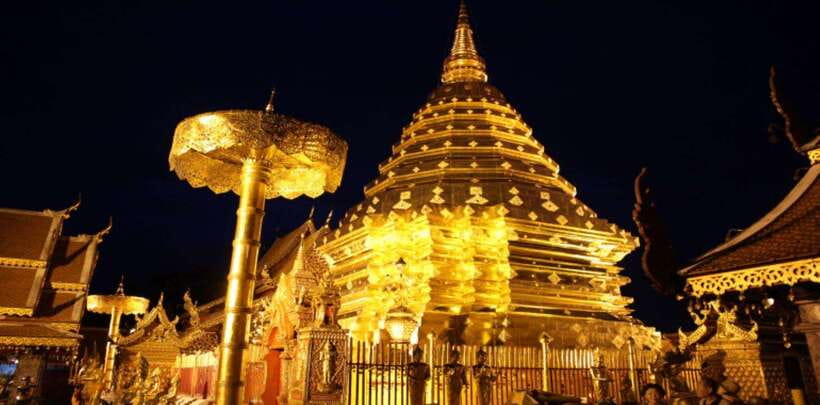
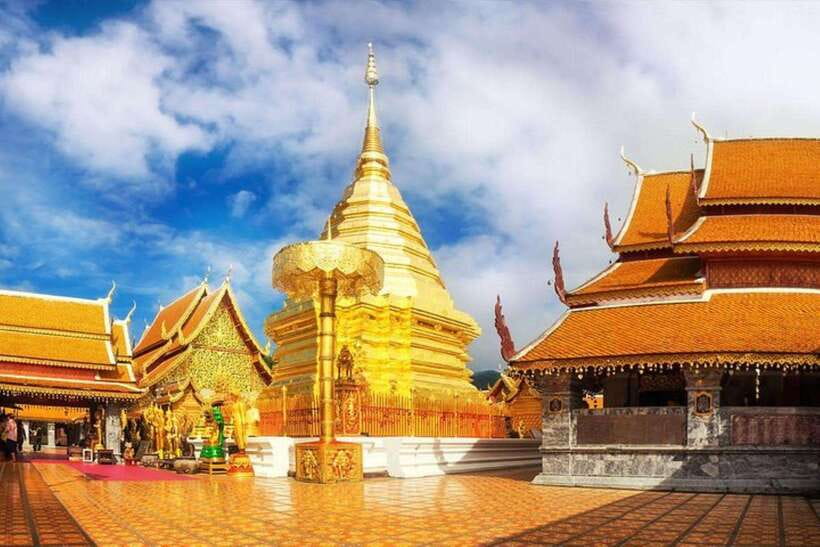
Wat Phra That Doi Suthep sits on Doi Suthep Mountain, which is a major religious site and a pilgrimage destination. It’s also one of Chiang Mai’s most famous viewpoint stops. Even if you know nothing about Thai Buddhism before you arrive, the temple’s presence is obvious: gold surfaces, ceremonial space, and a very clear sense of place on a mountain.
You can reach it by either:
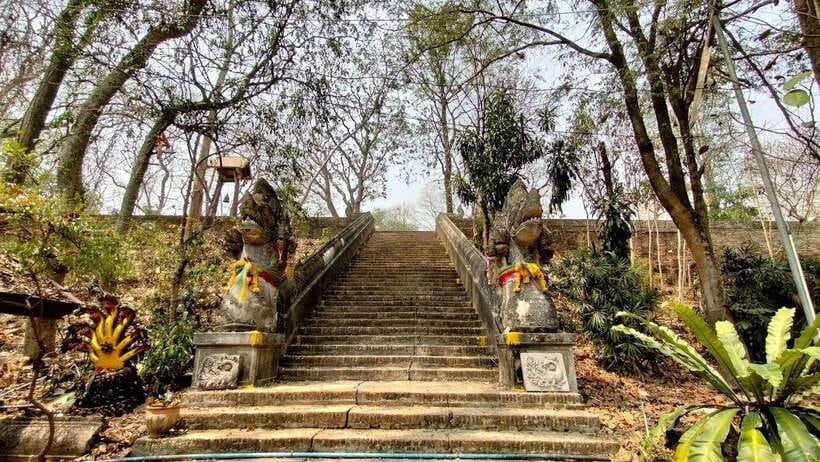
- climbing the 306-step Naga staircase, or
- taking a cable car (available as an option at the site).
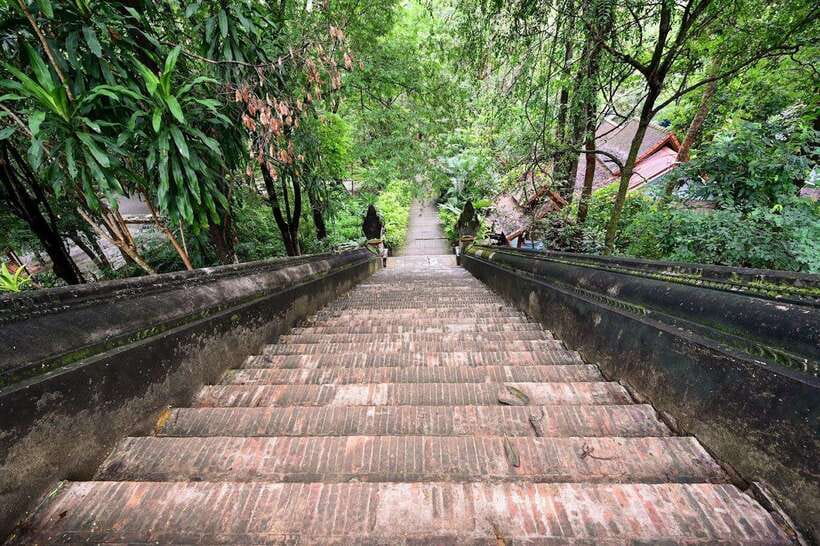
The Naga staircase is a signature feature for a reason. The serpent-like sculptures aren’t just decoration; they guide your attention up the stairs and make the climb feel like part of the ritual journey. If stairs are a problem for you, the cable car option is an obvious pressure-release valve.
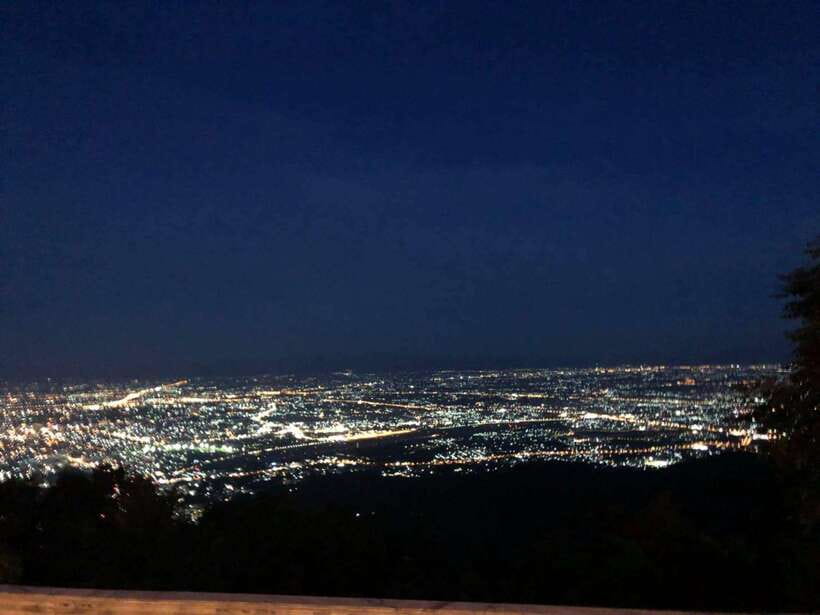
Once you’re at the temple grounds, you’ll have time for the main sights and photos. The temple viewpoint is the big payoff: you get a wider view of Chiang Mai and the surrounding countryside. Evening adds a different mood—more atmosphere, more dramatic light, and often that cooler comfort that makes the climb feel easier.
Making Merit at Doi Suthep (Not Just Looking)
This tour isn’t only about walking around. It includes an opportunity to pay respects and make merit at Wat Phra That Doi Suthep. That matters because it changes your role from observer to participant.
What you should remember: temples are living religious spaces. You’re there to honor the place, not treat it like a museum set. The tour’s dress guidance backs that up. Plan for casual, respectful clothing:
- No short skirts
- Avoid tank tops (a regular t-shirt is okay)
- No see-through clothing
- Shoes matter: no flipper shoes, but sneakers/sports shoes are okay
If you’re unsure what counts as acceptable, go conservative. In Thailand, the difference between respectful and distracting can be as simple as shoulder coverage and not showing too much leg.
Also, keep your behavior low-key. Even if you’re excited to take photos, pause before you move into sacred areas. It’s one of those small choices that makes the visit feel meaningful, not frantic.
Wat Umong Suan Puthatham: Forest Temple Quiet and the Tunnel Temple
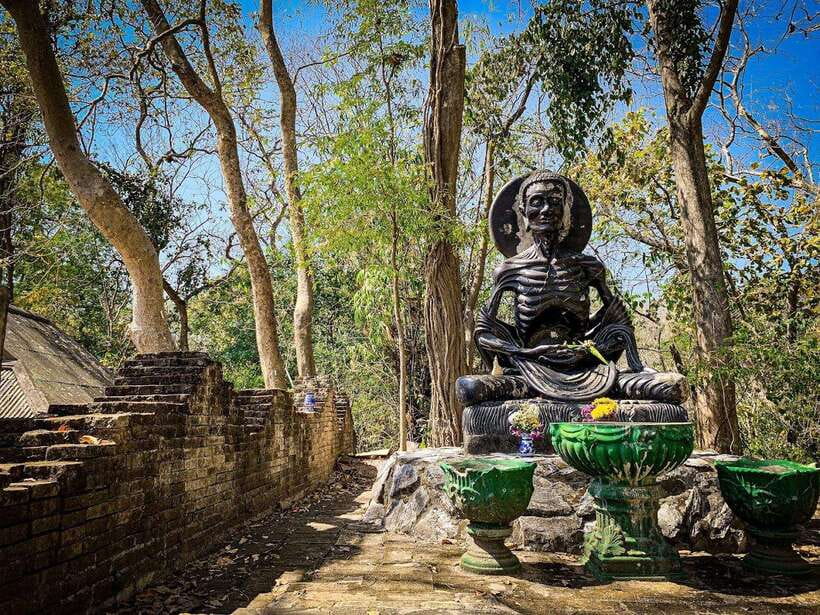
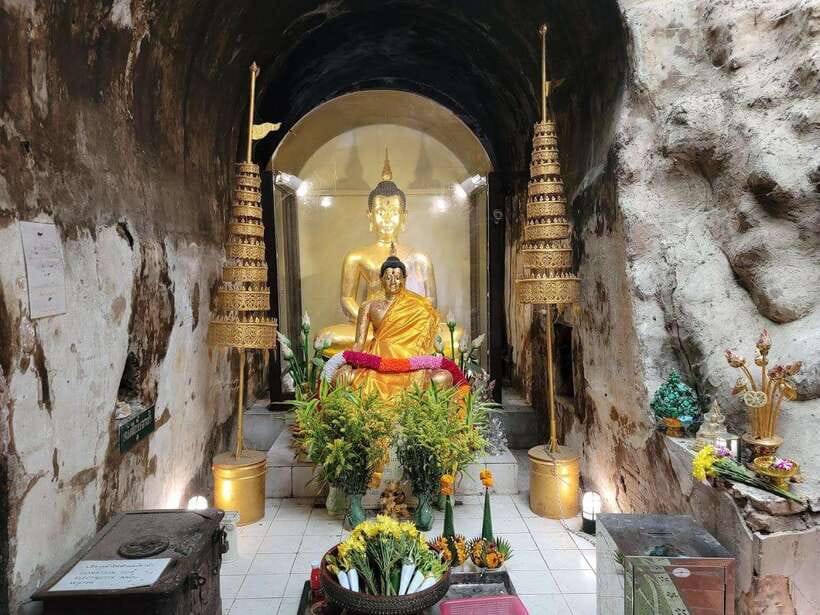
Wat Umong is at the foot of the Doi Suthep mountain range, on the outskirts of Chiang Mai. The tour highlights a key idea: it’s a forest temple with an emphasis on calm, meditation, and green space. If you’ve had your fill of city noise and want a slower pace, this stop delivers.
This temple is often called the tunnel temple. The name fits the overall feel of the grounds—temple structures and pathways shaped around enclosed, grounded spaces rather than open crowds. You’ll get a peaceful walk through the green areas and meditation zones, which is exactly what it sounds like: quiet walking, space to think, and fewer big-photo moments than Doi Suthep.
What makes Wat Umong especially good on an evening tour is that it feels less performative. Up at Doi Suthep, you’re dealing with a famous mountain temple. At Wat Umong, the focus shifts toward reflection and atmosphere. You don’t need to be an expert to appreciate it. You just need comfortable shoes and a willingness to walk slowly.
And yes, it’s still worth learning. The tour includes time to explore and understand Wat Umong’s features and what you’re seeing on the ground. That explanation helps you notice things you’d otherwise miss—like how the temple layout supports meditation and how the space is meant to cool your mind after the mountain climb.





Views, Photos, and Evening Comfort on the Mountain
The Doi Suthep viewpoint is usually the moment people remember most. Evening makes it even better because the air can feel cooler, and the view from up top has that night-time glow effect.
You’re likely to take photos here, and you’ll want a simple plan:
- Don’t block paths for pictures.
- Take a few steady shots, then step aside to let others pass.
- If you’re climbing the stairs, give yourself a minute to catch your breath before you aim your camera.
Also consider the “walk, then look” approach. Many temple problems happen when people arrive hot, rush into the best viewpoint, then can’t fully enjoy the experience. With a 4-hour schedule, you don’t have much time to recover energy—so it’s smarter to treat the mountain like a short hike rather than a sprint.
Evening is also when it’s easiest to feel the difference between the two temples. Doi Suthep pulls you upward—gold, ceremony, stairs. Wat Umong brings you down into green calm and a quieter pace. That contrast is the real win of this tour.
Price and Value: Is $24 Fair for This 4-Hour Mix?
The headline price is about $24 per group (and your booking can vary depending on the exact group setup). For a tour that includes:
- a live English guide
- a driver and car
- pickup and drop-off in a defined zone
- Doi Suthep entrance fee (30 baht)
- and travel insurance
…it can be good value—especially because you’re not paying for transportation separately and you’re not figuring out logistics on mountain roads.
That said, balance is important. Some people feel the tour is very short for the cost. The schedule is compact by design, so you won’t have hours and hours at each site. If your goal is deep, slow temple wandering, you may want a longer private option instead.
Where this price tends to work best is when you’re:
- tight on time in Chiang Mai,
- new to temples and want a guided intro,
- and you like the idea of “see the essentials, then soak in the quiet.”
In other words, it’s not a bargain if you’re expecting a half-day of free-form exploring. It can be great value if you want structured visits with a guide who helps you understand what you’re looking at.
What to Bring (and What Rules to Respect)
This tour gives clear guidance on what helps you enjoy it comfortably:
- Drinks (bring them, but follow the rule about not having drinks in the vehicle)
- Insect repellent (especially useful around the greenery at Wat Umong)
Dress code is not optional. Plan outfits that won’t make you self-conscious in sacred spaces. Shoes should be practical and secure for walking.
You’ll also want to avoid prohibited items and behaviors. The rules you should take seriously include:
- no alcohol and drugs,
- no nudity,
- no see-through clothing,
- and no flipper-style sandals.
If you’re traveling with a friend who likes going all out with fashion, remind them now: temples require a different kind of outfit confidence.
The Guide and Driver: What Makes the Evening Smooth
The tour is run by LocalCNXTours and uses an English-speaking guide. You’ll also ride with a driver, and the experience depends a lot on how well the guide keeps you on track.
From the names people associate with this tour, you might see English guides such as Yoyo or Chris, and a driver sometimes mentioned as Champion. The positive thread is clear: guides are helpful and explanations are meant to be easy to follow. That’s what you want on a short, high-importance evening itinerary—someone who can make the temples intelligible in a way that doesn’t feel like a lecture.
The smoothness also comes from pacing and logistics: pickup in the right window, route planning, and keeping the group together in places where it’s easy to drift.
Who This Tour Suits Best (and Who Should Skip)
This tour is a good match if you want a guided evening temple plan that covers two very different styles of sacred space. You’ll likely enjoy it most if you:
- want a mix of viewpoints plus calm walking,
- like the idea of merit-making,
- and appreciate having an English guide explain what you’re seeing.
It’s not suitable for:
- wheelchair users
- people over 70 years
Also keep in mind the dress code and shoe requirements. If you can’t meet those basics, the experience won’t feel comfortable.
If you’re the type who loves to linger for long periods, consider whether you’d prefer a longer, more flexible itinerary. The 4-hour format can feel rushed if you want lots of downtime at each stop.
Quick Booking Tips That Save Stress
This tour is fully booked every day, so you should book at least 1–2 days in advance. That’s the kind of practical detail that matters in Chiang Mai, where popular evening activities can fill up quickly.
When you reserve, make sure your hotel name and pickup address (or Google location) are correct. Chiangmai pickup can be hard to find without clear info, and the tour emphasizes that the operator may need the exact details to make pickup easy.
Also, double-check any details that affect the ticketing rules, especially for children (the tour notes a child ticket age range between 3–6 years). If something doesn’t match what’s on the booking, the tour says you may be responsible for an additional charge upfront on site.
Should You Book This Tour?
I’d book this tour if you want a guided evening that combines the big pilgrimage temple (Wat Phra That Doi Suthep) with a quieter forest temple break (Wat Umong). It’s especially appealing if you’re short on time but still want to do more than just look—like making merit and walking through meditation areas.
Skip it or look for another option if you expect a long, slow temple day or if you can’t meet the dress and walking requirements. The one real tradeoff here is the tight 4-hour window. The payoff is that you’ll leave with both the mountain highlight and the forest calm, without needing to plan transport and timing yourself.
If you’re ready for a compact, meaningful evening with a clear route, this one earns its spot.
FAQ
How long is the Chiang Mai Wat Phra That Doi Suthep & Wat Umong evening tour?
The tour duration is 4 hours.
Is pickup and drop-off included?
Yes, pickup and drop-off are included from Chiang Mai downtown within a radius of 3 kilometers of the old city. If you’re outside that area, you should contact the operator.
What temples are included?
You’ll visit Wat Phra That Doi Suthep and Wat Umong (Wat Umong Suan Puthatham).
Is the Doi Suthep entrance fee included?
Yes. The Doi Suthep entrance fee of 30 baht is included.
What should I wear or bring for the temple visits?
You should dress in a casual, respectful style. Avoid short skirts and tank tops, and avoid see-through clothing. Wear shoes other than flipper shoes; sneakers are okay. Bring drinks and insect repellent.
Is the tour wheelchair-friendly or suitable for older guests?
It is not suitable for wheelchair users, and it is not suitable for people over 70 years.