REVIEW · CHIANG MAI
Chiang Mai: Elephant Dream Project Sanctuary – Half-Day
Book on GetYourGuide →Operated by Elephantdreamproject · Bookable on GetYourGuide
Elephants change your whole mood fast. The Elephant Dream Project Sanctuary keeps things simple: you spend your half-day with elephants in their native setting, not on a performance schedule. I like that it’s guided by locals who explain elephant care and behavior, and that the day has a calm rhythm instead of constant crowd-control.
Two things I really like: you get hands-on with feeding and following their movement through the jungle, and you also spend time learning and meeting people in the surrounding community. The vibe is family-run, and you can feel the staff working around the elephants’ comfort, not the other way around. The one drawback to consider is the physical side of it—there’s a jungle walk, and it’s not suitable for wheelchair users or people in the highest age brackets listed.
Keep expectations realistic: you are close, but you’re also meant to respect boundaries and go at the elephants’ pace. The result is that you’re less likely to leave with gimmicky photos, and more likely to leave with a clearer sense of how elephants actually live—plus one or two memorable up-close moments that don’t feel forced.
In This Review
- Key highlights to know before you go
- Elephant Dream Project Sanctuary near Chiang Mai: what makes it feel different
- Hotel pickup, the drive out of Chiang Mai, and arriving in jungle country
- First contact with the elephants: feeding time that doesn’t feel like a show
- Jungle walk with elephants: seeing natural habitat without the gimmicks
- Learning with JJ and the Elephant Dream Project team: why ethics show up in the details
- Village time and community connection: meeting locals beyond the elephant moment
- Lunch with Thai food and seasonal fruit: a practical break that keeps the day sane
- Price and value: is $51 worth a half-day with transfer and lunch?
- What to bring: hiking shoes, insect repellent, and sun protection
- Who should book, and who should skip this elephant sanctuary day
- Should you book the Elephant Dream Project Sanctuary half-day?
- FAQ
- What time does the pickup happen in Chiang Mai?
- How long is the drive from Chiang Mai to the sanctuary?
- What’s included in the tour besides elephant activities?
- Is riding or forced interaction part of the experience?
- What should I bring for the jungle walk?
- Can I cancel for a full refund?
Key highlights to know before you go
- A short, focused half-day with hotel pickup and drop-off in Chiang Mai City
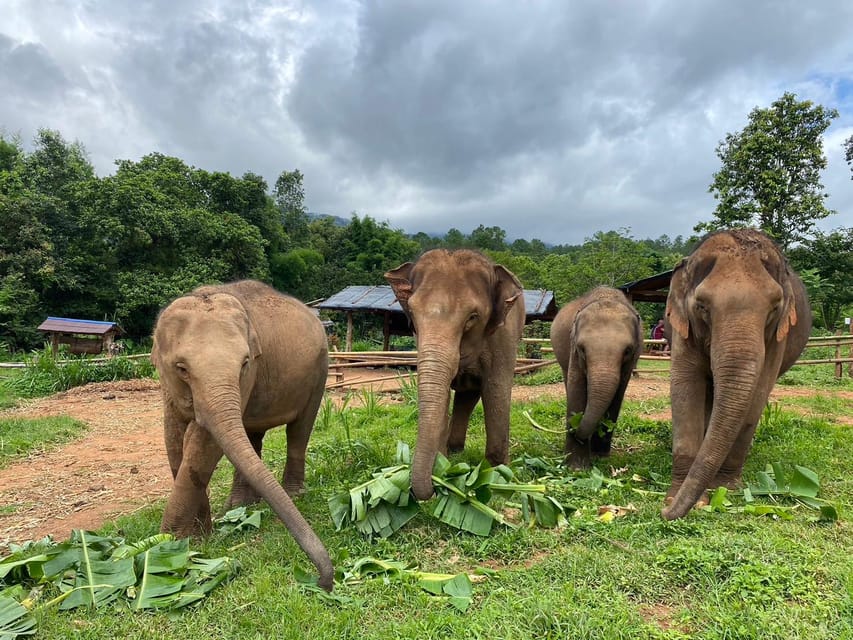
- Feeding elephants and walking alongside them in jungle surroundings, on the animals’ terms
- Local guidance from JJ, with clear explanations about elephant behavior and welfare
- Village and community time that shows how locals live beyond the tourist strip
- Lunch included with Thai food and seasonal fruit, so you’re not hungry mid-adventure
- No riding or forced participation, with the team prioritizing natural elephant “happiness”
Elephant Dream Project Sanctuary near Chiang Mai: what makes it feel different
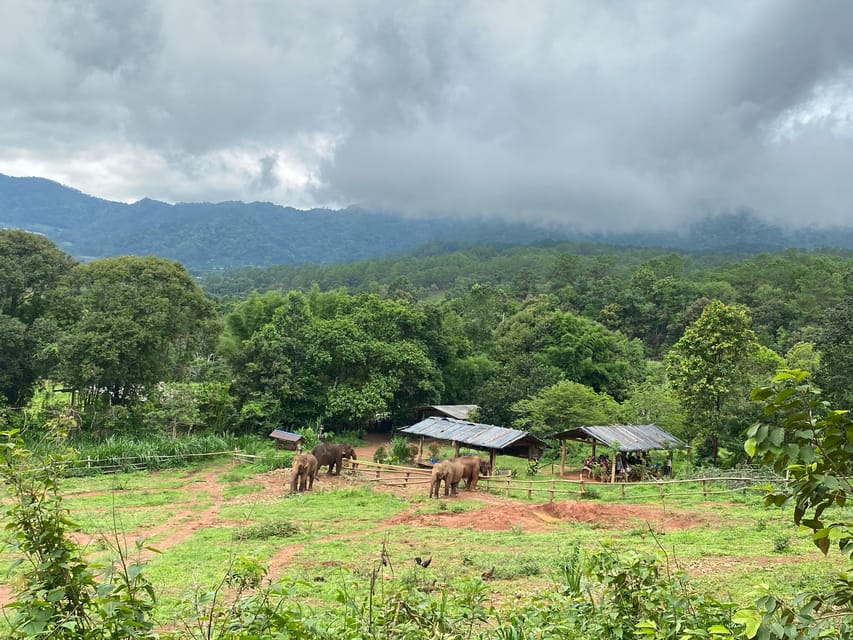
Chiang Mai has no shortage of elephant experiences. The tricky part is sorting out what’s genuinely good for elephants versus what’s designed for quick entertainment. The Elephant Dream Project Sanctuary aims for the calmer middle: you’re there to observe, learn, and help with care, while the elephants keep their choices.
What makes this one land well for you is the way the day is organized around the animals’ comfort. The team’s approach is described as “natural elephant happiness,” meaning they avoid forcing elephants into “do this for tourists” patterns. In practice, that translates into a visit where you’re not constantly being rushed into the next photo moment.
It’s also locally run in a way that feels personal. You’re guided in English by a local who leads with upbeat, caring energy, and many guests mention the guide JJ in particular. People also talk about the owner, Mr Dee (often referenced as Mr D), as friendly and hands-on. That matters because elephants don’t care about marketing. They respond to consistent, patient routines and caregivers who know their moods.
You can also read our reviews of more tours and experiences in Chiang Mai


Hotel pickup, the drive out of Chiang Mai, and arriving in jungle country
Your morning starts early. Pickup from your hotel in Chiang Mai City is scheduled for about 7:00 to 7:30 AM. The drive to the sanctuary takes roughly 1 hour 45 minutes, and you’ll travel through Chiang Mai Province scenery along the way.
That long drive is not wasted time. It’s a built-in mental shift: city noise fades, and you move toward hills and jungle terrain. Several guests also describe the ride as professional and safe, with the transport done in a small van setup.
A quick photo stop and a guided segment happen before you’re fully settled at the sanctuary. Then you arrive and get an introduction from an expert local tour guide about the elephants and the Elephant Dream Project’s purpose. This matters because it sets you up to interact correctly. When you understand what the staff is trying to protect—trust, comfort, and routine—you tend to behave more thoughtfully and the day goes smoother.
You’ll also want to factor in that you’re going to be outdoors for multiple hours. Even in a half-day format, the day can feel like more than 4 hours once you count the walking and the warm-weather time.
First contact with the elephants: feeding time that doesn’t feel like a show
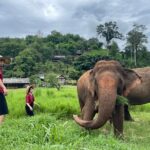
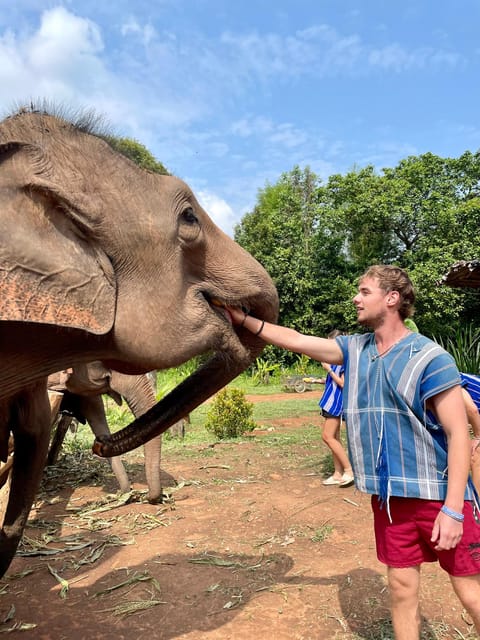
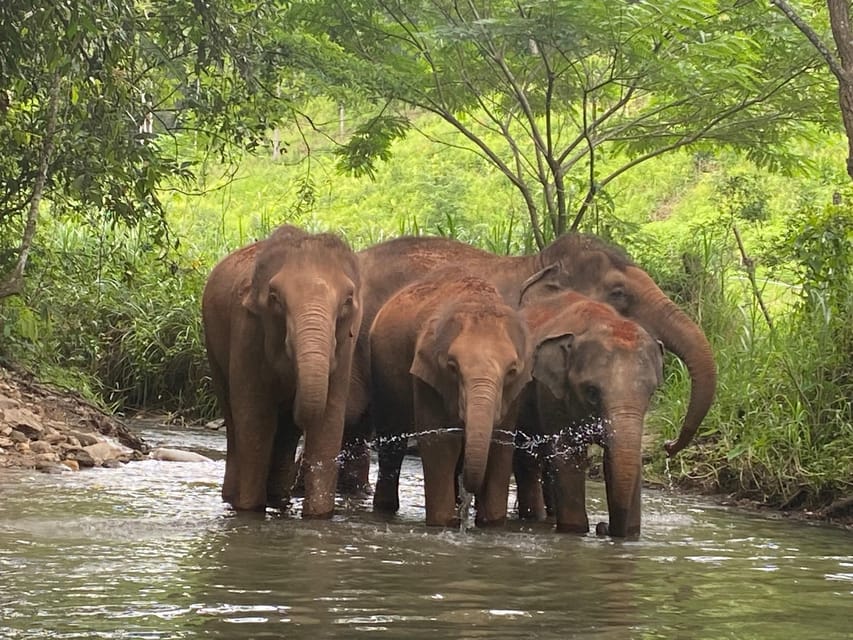
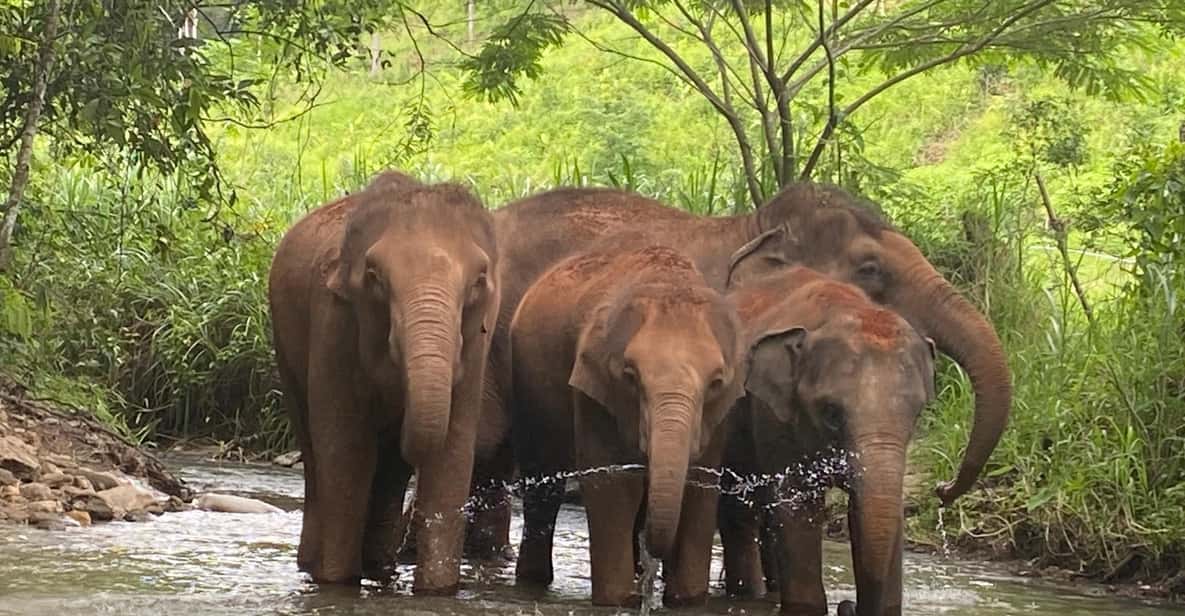
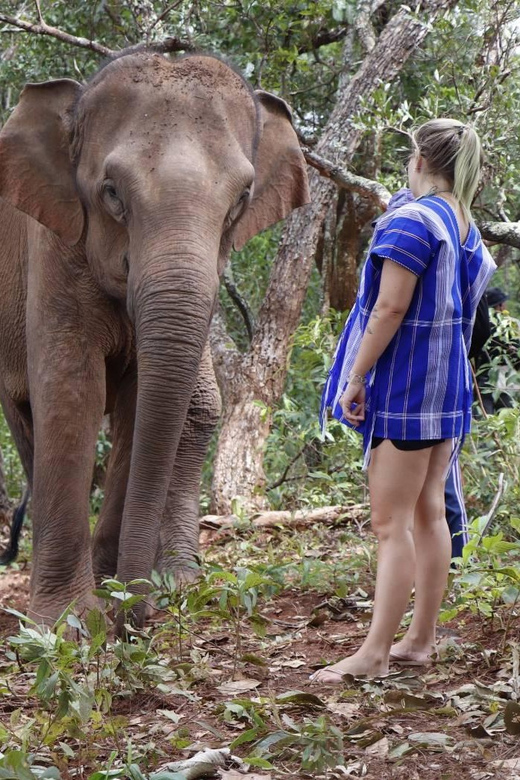
The big “yes” moment here is feeding. Once you arrive, you’re set up with food for the elephants, and you get time to feed them while the staff guides the process. Guests consistently describe this as gentle and respectful rather than performative, and the pace stays calm.
Feeding can sound basic, but it’s actually the heart of why this sanctuary model works. Elephants are food-motivated, and when care routines revolve around feeding and routine movement, elephants don’t need to act for you. Instead, you’re a participant in their daily rhythm.
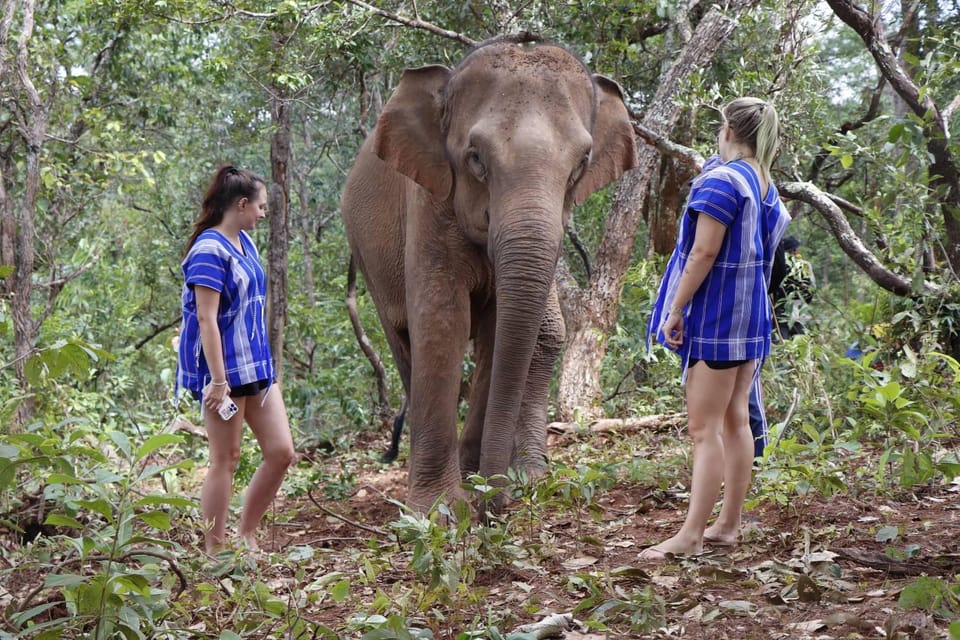
One practical point: feeding involves smell, dust, and the real-world physics of elephants eating. A few guests mention the sanctuary provides protective smock-type covers, which can help with keeping your clothes cleaner. You may still want to plan on getting a bit “outdoorsy” in your appearance.
The staff also emphasizes behavior and consent-like cues. You’re not there to manhandle anything or force a moment. If an elephant doesn’t want to engage, you’re not pushed into a new plan that pressures the animals. The goal is that trust stays intact.
Jungle walk with elephants: seeing natural habitat without the gimmicks
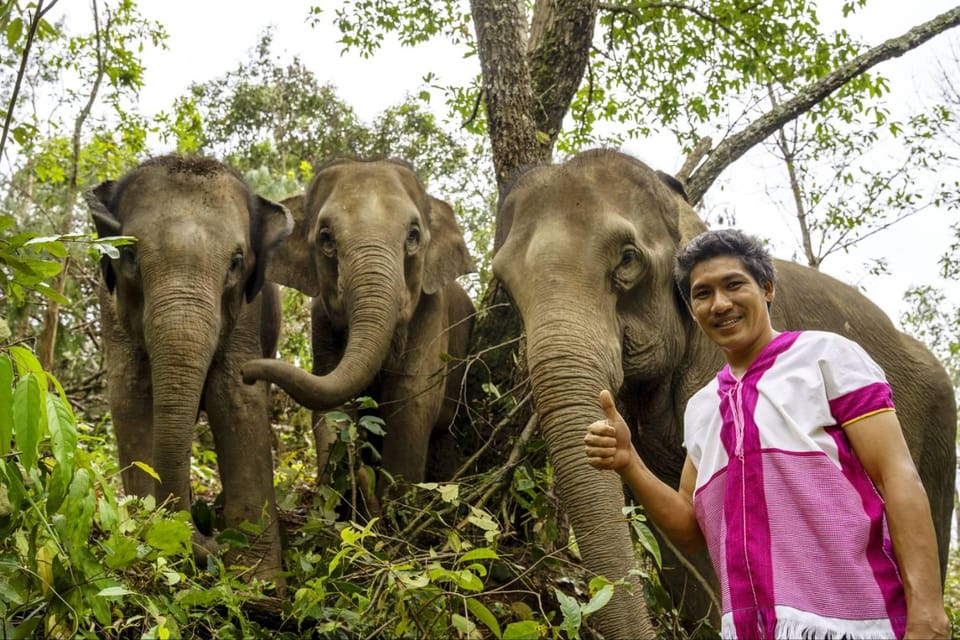
After feeding, the day shifts into a walk through the jungle. You’re not riding, and you’re not doing trick-based interactions. Instead, you’re walking in the elephants’ space and learning how they move, browse, and interact with their environment.
This is where comfort and footwear matter most. Reviews mention traction issues and note that the terrain can be slippery underfoot. Hiking shoes are strongly recommended. If you show up in casual sneakers with poor grip, you’ll spend part of your walk thinking about the ground instead of watching elephants.
The walk is also not just a scenic stroll. You’re moving enough to feel like you did something, and you may follow elephants into areas where the jungle setting becomes the main character. Many guests describe the experience as being up close while still respecting boundaries—so you feel present without turning it into a circus.
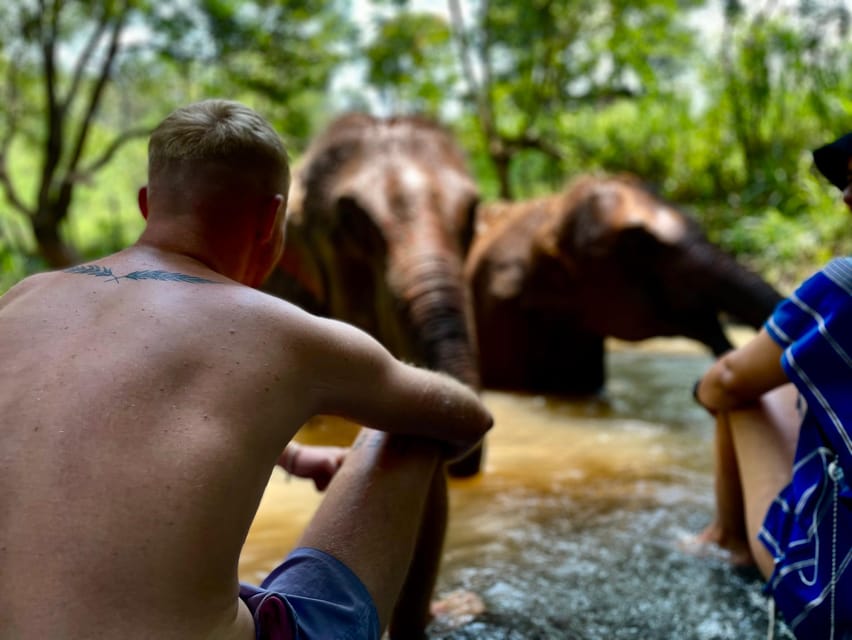
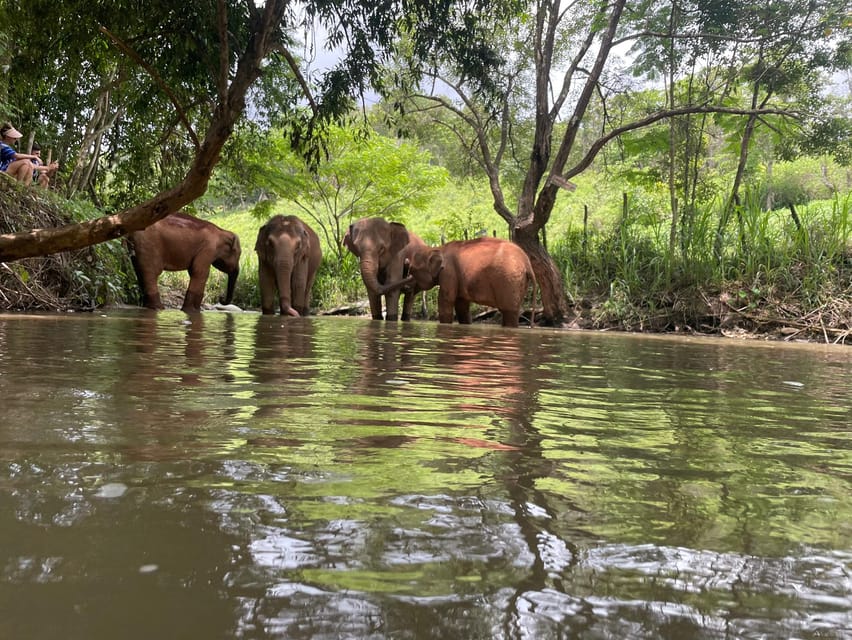
One subtle but important detail: the sanctuary is designed so elephants can go where they want. That reduces stress and makes the experience more “real.” When the elephants can bathe, drink, or wander naturally (as described by guests), you’re more likely to witness elephant behavior that resembles their everyday lives rather than staged scenes.
Learning with JJ and the Elephant Dream Project team: why ethics show up in the details
Elephant welfare is hard to judge from a brochure. The best proof is what you see in daily operations. This place explains elephant care in a way that helps you understand their needs, not just their cuteness.
JJ is specifically highlighted in many accounts. Guests describe JJ as positive, upbeat, and knowledgeable, with a genuine connection to the work and to the owner’s spirit. That matters because ethics aren’t only about the big rules like no riding. Ethics show up in how guides handle timing, space, and the line between interaction and pressure.
You’ll also hear explanations about why the team avoids forcing elephants to participate. One theme that comes up is that elephants can become upset when humans crowd them or when elephants feel uncertain. The staff’s approach is meant to keep elephants calm and cooperative by respecting their comfort levels. In plain terms: if elephants don’t trust or feel safe, nobody wins—especially not the elephants.
Another strong theme is local continuity. Guests mention that elephants are treated almost like family members and that many caregivers come from the Karen community, where this kind of relationship with elephants has deep roots. You’ll also hear why this sanctuary model matters: there is limited wild forest habitat for elephants compared to the idea people often carry about elephants being fully free in nature.



Village time and community connection: meeting locals beyond the elephant moment
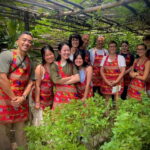
This half-day tour doesn’t end at the gate. You also get time that focuses on the surrounding people and the way locals live. That can mean a village-style experience and a chance to see daily life in the area, not just the sanctuary compound.
Why is this part valuable for you? Because it turns your visit into support for an actual community project, not just an animal encounter. When elephants are cared for long-term, caregivers and local knowledge are part of the equation. Visiting only “for the photos” often leaves elephants as a single stop, with no lasting impact.
Guests mention that the sanctuary is locally run and family-based, and that they spend time learning from the team rather than just taking orders for entertainment. That’s also why it feels less like a factory tour and more like a working sanctuary where people live with consequences, weather, and routine.
If you enjoy connecting the dots between wildlife and human life, this component gives you context. It helps you understand that “ethical” isn’t a marketing label—it’s a network of people doing the hard, day-after-day work.
Lunch with Thai food and seasonal fruit: a practical break that keeps the day sane
Lunch is included and is scheduled for around 12:00 PM. You’ll get Thai food plus seasonal fruits, and it’s served on-site.
This is a smart inclusion for your comfort. Elephant experiences can be hot, and you’re likely to work up an appetite from walking and sun exposure. Having lunch already handled means you can stay focused on the experience instead of hunting for food in between.
Some guests also describe the lunch as hosted by the owner, which adds a warm, personal touch. Even if you’re not there for conversation, it’s still nice to take a breather in a place that feels connected to the work rather than staged for tourists.
If you’re sensitive to spice, you might ask for a milder option when you sit down. But overall, included lunch is one of the reasons this half-day format feels like good value—more on that next.
Price and value: is $51 worth a half-day with transfer and lunch?
At about $51 per person for roughly 4 hours, it’s not just a “cheap elephant visit.” You’re paying for a complete package: roundtrip transfer within Chiang Mai City, lunch, water, entry tickets, feeding food, and a guided experience in English.
When you break it down, the value is in the combination. Many short tours charge for transport separately, or they make lunch optional, or they treat feeding like a small upsell. Here, feeding-related food and water are included, and you don’t need to budget for extra basics mid-day.
The bigger value is quality of the experience. Because the sanctuary approach prioritizes elephants’ choice and avoids forcing participation, you may spend less time doing highly structured “activity loops.” That can mean fewer high-energy moments—but it also often means a more respectful day.
If you’re comparing ethics, the best test is what’s included versus what’s promised. This tour keeps the promises grounded: feeding, guided learning, walking in jungle habitat, and Thai lunch. For many people, that’s exactly what they want from an elephant day in Chiang Mai.
What to bring: hiking shoes, insect repellent, and sun protection
Your comfort kit matters here. The tour guidance suggests bringing a change of clothes, a towel, hiking shoes, sunscreen, and insect repellent.
Here’s how I’d use that list:
- Hiking shoes with solid grip. The walk can be slick, and your safety matters more than style.
- Insect repellent since you’re outdoors in jungle conditions.
- Sunscreen because your morning runs in daylight and you’ll be exposed.
- A change of clothes because feeding and jungle air can leave you feeling like you went on an actual hike.
- Towel for comfort after outdoor time.
If you want extra peace of mind, pack a small dry bag for your phone and wallet. Your day is short, but you still want to keep essentials protected.
If you’re worried about getting messy, expect that elephant care is not a sterile environment. Even with protective covers mentioned by guests, you’ll likely feel more “rugged” than “dress for photos.”
Who should book, and who should skip this elephant sanctuary day
This tour is a great fit if you want an ethical, no-riding elephant experience and you’re okay with a calmer pace. It also suits you if you like learning from local guides and connecting the experience to community care.
You’ll likely enjoy it most if you:
- care about elephant welfare and dislike gimmicks
- want feeding and walking experiences rather than shows
- prefer a guided pace that focuses on learning and respect
It may not be the best fit if you:
- need wheelchair access (not suitable for wheelchair users)
- are older than the limits listed (people over 80 are not included, and people over 95 also listed as not suitable)
- don’t want to walk on uneven ground
The half-day format is time-efficient. But it still includes outdoor movement and sun, so pick it when you’re feeling physically up for a jungle walk.
Should you book the Elephant Dream Project Sanctuary half-day?
If your goal is a humane elephant experience near Chiang Mai with feeding, guided learning, and jungle time, this is worth serious consideration. The strongest reason to book is the way the day is designed around elephant comfort, with staff guiding interactions gently and avoiding forced entertaining.
I’d especially recommend it if you want to feel confident about welfare standards in a place run by locals. JJ’s role, the owner’s involvement (Mr Dee/Mr D), and the community-centered setup show up in how guests describe the experience: calm pace, thoughtful guidance, and no riding or trick performances.
Skip it only if you can’t do uneven jungle walking or you fall into the listed age/fitness constraints. Otherwise, this is one of the more value-packed half-days you’ll find—because you get transport, lunch, and a real learning-centered encounter, not just a quick elephant photo sprint.
FAQ
What time does the pickup happen in Chiang Mai?
Pickup is scheduled for 7:00 to 7:30 AM. You’ll be asked to wait in your hotel lobby about 5 minutes before your pickup time.
How long is the drive from Chiang Mai to the sanctuary?
The drive is about 1 hour 45 minutes one way, so expect travel time before and after your time with the elephants.
What’s included in the tour besides elephant activities?
The tour includes roundtrip transfer in Chiang Mai, lunch, water, food for feeding elephants, and entry tickets. Soft drinks are not included.
Is riding or forced interaction part of the experience?
The tour runs activities based on natural elephant happiness without forcing elephants to do entertaining behaviors. The experience is guided and interaction-focused (such as feeding and walking), not riding.
What should I bring for the jungle walk?
Bring change of clothes, a towel, hiking shoes, sunscreen, and insect repellent.
Can I cancel for a full refund?
Yes. The tour offers free cancellation up to 24 hours in advance for a full refund.