REVIEW · CHIANG MAI
Half-Day Elephant Experience at Rantong
Book on Viator →Operated by Ran-Tong Save & Rescue Elephant Centre · Bookable on Viator
Elephant time starts the moment you arrive. This half-day outing at Ran-Tong Save & Rescue Elephant Centre is built around hands-on moments with rescued elephants, plus hotel pickup so you don’t wrestle with meeting points. I really like the small group size (up to 15) for calmer, more personal time, and I also like the hotel pickup and drop-off that takes the stress out of getting to Mae Taeng District. The one possible drawback: the drive can be long and some rides feel cramped or rough, so plan for comfort in advance.
What makes this tour feel worth it is how much structure there is before you ever get near the elephants. You’ll start with an elephant school-style intro, including Mahout-style Karen clothing, then move into feeding and bathing in a setting that’s close to the elephants’ natural routine. I also appreciate that you’re not sold a thrill show. The day is about caring for rescued animals and watching their pace.
In This Review
- Quick Hits Before You Go
- Entering Ran-Tong: Why This Half-Day Feels More Personal
- Getting There From Chiang Mai: Pickup, Road Time, and Comfort
- The Elephant School Start: Mahout Karen Clothes and Center Rules
- Making Vitamins, Feeding, and Walking: Real Care Work vs. Photo Time
- Bath Time in a Close-to-Nature Setting: Wet Clothes, Big Smiles, and Safety
- The Meal Break and Shower Setup: How You Recover After the Work
- Price and Logistics: Is $58.70 Good Value for What You Do?
- Who Should Book This Elephant Half-Day (and Who Might Skip It)
- Final Call: Should You Book the Half-Day Elephant Experience at Ran-Tong?
- FAQ
- What is the duration of the Ran-Tong half-day elephant experience?
- Do they pick you up from your hotel in Chiang Mai?
- Where is the elephant centre located?
- What activities are included with the rescued elephants?
- What group size should I expect?
- What should I bring for the bath and outdoor time?
- Is it easy to cancel if my plans change?
Quick Hits Before You Go
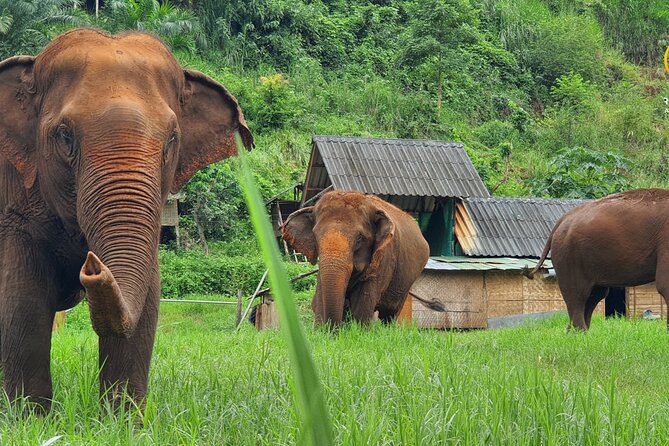
- Small-group cap of 15 keeps the experience from turning into a crowded stampede
- Hotel pickup and drop-off in Chiang Mai city removes the biggest logistics headache
- Mahout-style Karen clothes add context and help you follow the staff’s flow
- Feeding and bathing focus rather than riding keeps the day aligned with elephant welfare
- Shower and clean changing setup after the wet work makes the experience easier to enjoy
- Wet-and-dirty-friendly guidance (sandals, spare clothes, and insect repellent) saves you from the avoidable mess
Entering Ran-Tong: Why This Half-Day Feels More Personal
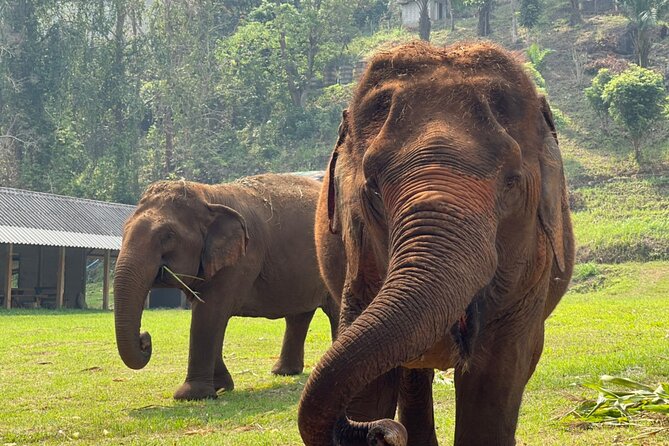
Ran-Tong Save & Rescue Elephant Centre is not a quick in-and-out photo stop. Even though the whole experience runs about 5 hours, it’s paced so you can actually learn what you’re doing and why. The tour’s design matters: a maximum of 15 people means the staff can slow things down, correct your technique, and keep the elephants comfortable while you’re around them.
This is the kind of place where you’ll notice the mood shift as soon as you drive up. It’s quieter than you expect, and the day’s structure helps you avoid that frantic feeling of trying to do everything at once. Guides such as Seven, Oh-Oh, Nikon, and Rambo show up in people’s stories as clear, engaging, and fun—exactly what you want when you’re trying to understand elephant behavior in real time.
One more thing I like: the day includes a learning component, not just interactions. You start with an elephant school-style intro and move through the activities in sequence, which helps you feel less like you’re at an animal-themed amusement park and more like you’re learning how the center works.
You can also read our reviews of more tours and experiences in Chiang Mai


Getting There From Chiang Mai: Pickup, Road Time, and Comfort
This tour starts with hotel/accommodation pickup in Chiang Mai city, then a drive of about 1 hour to the Ran-Tong Save & Rescue Elephant Centre in Mae Taeng District. Depending on traffic and where your hotel sits, the ride can feel longer in practice, and you might share the van with other visitors.
Here’s the practical reality: several people note the drive back and forth can be rough, cramped, or just a bit of a slog. One review even flagged unsafe driving behavior. That’s not something you should ignore. If road comfort matters to you—especially if you’re tall, travel with kids, or get motion sick—choose seats early when you board, keep water handy, and bring a small cushion if you have one.
The trade-off is that you skip the meeting point hunt. For many visitors, that alone makes the longer ride worth it. Once you’re in the center, the day moves smoothly and you’re not stuck trying to coordinate transport while wet clothes and elephant time are already happening.
The Elephant School Start: Mahout Karen Clothes and Center Rules
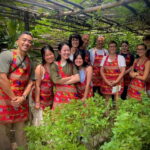
When you arrive, you don’t immediately run to the elephants. You first change into Mahout-style Karen clothes, then begin your elephant school experience. That early step matters more than it sounds.
First, it sets the tone that this is a controlled, staff-led environment, not a grab-your-own-moment situation. Second, it helps you follow instructions about how to approach, how to stand, and what kind of behavior keeps both you and the elephants at ease.
During this part of the program, you’ll get an overview of the center and day-to-day elephant care. You’ll also hear how different elephants—like pregnant, injured, and older animals—are supported. You don’t just learn facts. You learn what the animals need and how the staff plans around their health.
One reason the guides get such strong mentions is how they connect elephant behavior to what you’re doing right now. People repeatedly mention clear instructions and engaging explanations, so you’re not left guessing while you’re standing in front of a very large animal.
Making Vitamins, Feeding, and Walking: Real Care Work vs. Photo Time
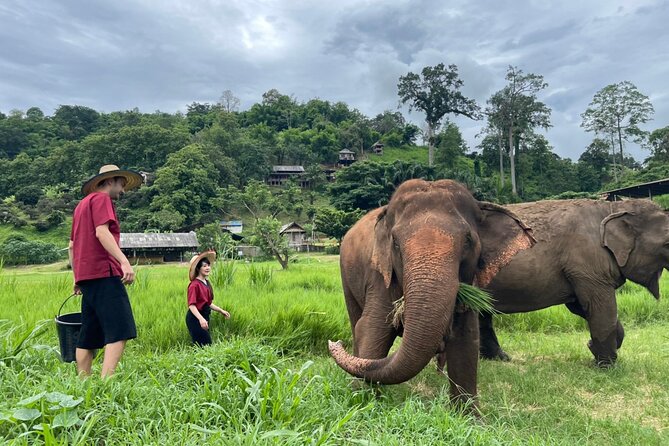
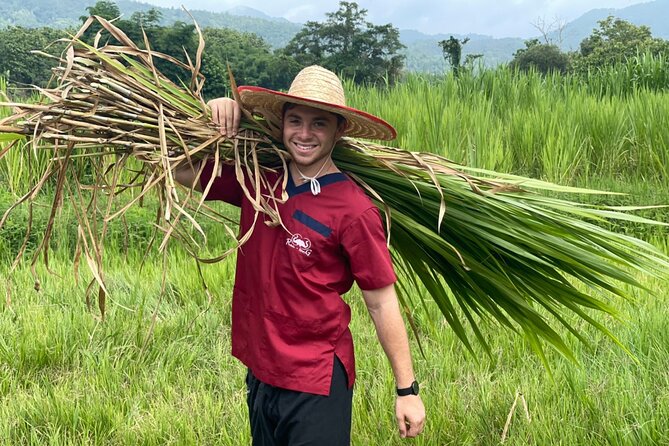
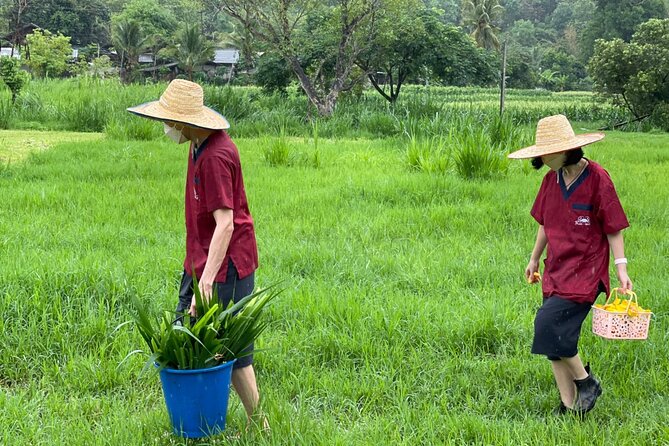
After the intro, you’ll shift from learning to caring. The day includes making vitamins for the elephants, including for elephants that are pregnant, injured, and older. That detail matters because it frames the experience as support work, not entertainment.
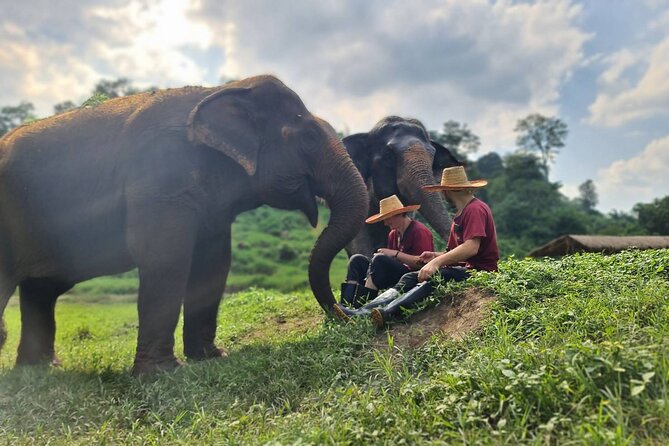
Then you’ll meet the elephants, walk with them, and move into feeding. You should expect time that feels hands-on and up close—often including opportunities to feed from your hands (as described by visitors). The walking component also helps you understand that the elephants don’t exist just for your moment. They move at their pace, and your job is to follow calmly.
This is where the “small group” limit pays off. If you show up to a place like this with 50 people, it can turn into pushing for access. With up to 15, you’re more likely to get a sequence that feels controlled and respectful.
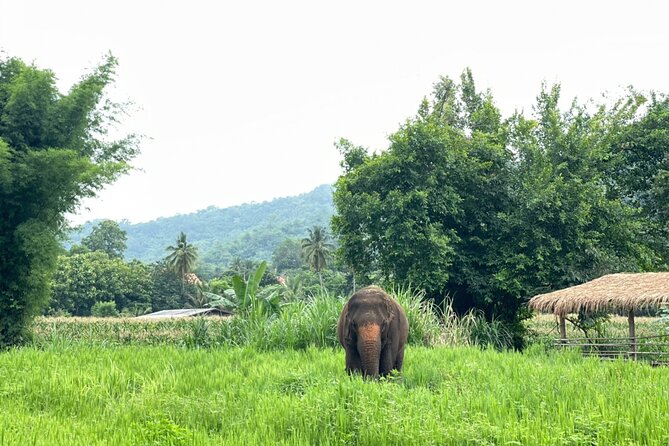
The elephants themselves are generally described as well cared for and friendly in this setting. Some visitors also emphasize that the elephants appear to have freedom to move away when they want. That matches what you hope to see at a rescue-focused center: your interaction should fit the elephant, not the other way around.
Bath Time in a Close-to-Nature Setting: Wet Clothes, Big Smiles, and Safety
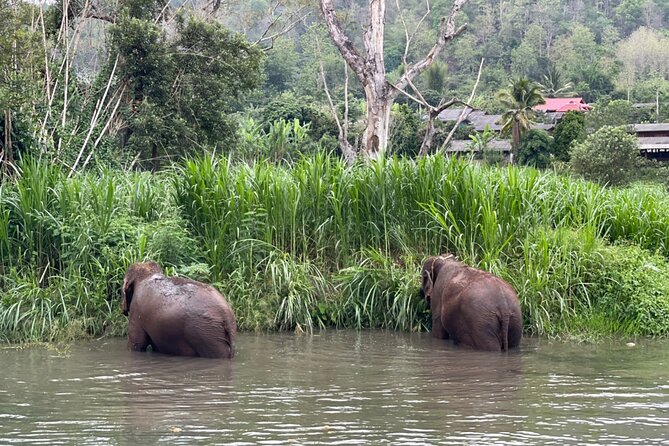
One of the most memorable parts of the day is the elephant bathing. The program includes taking baths for the elephants and observing them in conditions close to their natural habitat. In other words: you’re not just watching from the edge. You’re participating with staff guidance.
To enjoy this without stress, treat the bathroom part like a water activity. Bring sandals or shoes you do not mind getting wet and dirty, plus spare clothes. You’ll want mosquito protection too—repellent is specifically recommended—because you’ll be outside in a humid, warm environment.
You’ll often get help with practical gear once you arrive. Many visitors mention change of clothes and boots being provided, along with a clean place to shower afterward. Even so, don’t assume everything will match what you expect. Pack the items the tour asks for, and you’ll be set.
What I like about the way this is framed is that bathing is not a random spectacle. It’s part of daily care. Watching how staff and guests move around the animals, and seeing how calm the routine can be, is usually what turns this from a fun activity into an experience that feels meaningful.




The Meal Break and Shower Setup: How You Recover After the Work
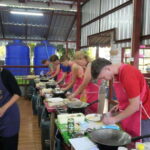
Midway through the experience, you’ll get a meal: Thai food with seasonal fruits and drinking water. It’s not described as a fancy restaurant meal. It’s a proper break that lets you recharge after the morning or afternoon work in the elements.
One more practical plus: after the elephant time, you change again and head to showers. Reviews frequently praise the shower/changing areas as clean and spacious, and some mention that towels and shower gel are available. That kind of setup is a big deal when your clothes are soaked or muddy. You don’t want to spend the rest of your Chiang Mai afternoon smelling like elephant care.
If you’re sensitive to smells or skin irritation, I’d still follow the tour’s advice and bring your own basics like soap or shampoo. But having a ready shower setup can make the day feel far more comfortable and less chaotic.
Price and Logistics: Is $58.70 Good Value for What You Do?
At $58.70 per person, this half-day price lands in the “reasonable for a real experience” category, mostly because it includes the big practical costs that can add up separately. You’re getting:
- Hotel pickup and drop-off in Chiang Mai city
- A structured small-group visit
- Elephant school-style orientation
- Hands-on feeding, vitamin-making, walking, and bathing
- A provided meal with Thai food and fruit
- A full day flow that doesn’t require you to organize your own transport to Mae Taeng District
The value is strongest if you’re the type of traveler who doesn’t want to spend your morning negotiating rides and figuring out where to go. The main “cost” isn’t money—it’s your time and comfort during the drive.
If you’re the type who hates cramped seating or gets grumpy on bumpy roads, that transport piece is the main trade-off. It’s also smart to bring a little patience: the schedule is half-day, but Chiang Mai traffic can affect pickup and timing.
Overall, I think the pricing makes sense for what you actually get: a care-focused elephant visit with real interaction, not just a quick look and a souvenir shop stop.
Who Should Book This Elephant Half-Day (and Who Might Skip It)
This tour fits best if you want:
- A rescue-focused elephant experience with hands-on feeding and bathing
- A small group for more breathing room and better guidance
- A day that feels educational, not only scenic
- Hotel convenience (pickup/drop-off) that makes the trip easy
You might consider a different option if:
- You’re extremely uncomfortable in small vans or bumpy rides and don’t have much tolerance for road time
- You only want a very short outing and dislike anything that runs close to a full half-day with pickup time
For families, this can also work well. Some visitors mention the tour being organized and safe for children, with a routine that staff can manage.
If ethics matter to you, look for how the center handles interaction. Many people specifically say this experience doesn’t feel like forced performance and that elephants set their own pace. That’s a good sign, and the overall structure supports it.
Final Call: Should You Book the Half-Day Elephant Experience at Ran-Tong?
If you’re visiting Chiang Mai and you want your elephant day to feel caring, guided, and hands-on, I think you should book this one. The biggest strengths are the small-group format, the hotel pickup convenience, and the way the day is built around learning and care work—especially the feeding and bathing portions.
Just go in with eyes open about the drive. Pack a bit of comfort for the van ride, plan for time in the car, and bring what the tour asks for so the wet portion doesn’t turn into a problem.
If your goal is to have a meaningful, well-run half-day with rescued elephants, Ran-Tong is a strong choice.
FAQ
What is the duration of the Ran-Tong half-day elephant experience?
The experience runs for about 5 hours.
Do they pick you up from your hotel in Chiang Mai?
Yes. Hotel pickup and drop-off in Chiang Mai city are included.
Where is the elephant centre located?
It’s at Ran-Tong Save & Rescue Elephant Centre in Mae Taeng District, about a 1-hour drive from Chiang Mai city.
What activities are included with the rescued elephants?
You’ll change into Mahout style Karen clothes, learn about the centre, make vitamins for the elephants, then meet the elephants, walk with them, and take a bath for them. The day also includes a meal break.
What group size should I expect?
The tour has a maximum of 15 travelers.
What should I bring for the bath and outdoor time?
Bring spare clothes, comfortable shoes, and wet-ready sandals you don’t mind getting dirty. Also bring shampoo and soap, a camera, and mosquito spray or insect repellent.
Is it easy to cancel if my plans change?
Yes, free cancellation is available. You can cancel up to 24 hours in advance of the start time for a full refund.