REVIEW · CHIANG MAI
Chiang Mai: HALF-DAY COOKING COURSE at a Thai Cooking Farm
Book on GetYourGuide →Operated by THE RICE BARN THAI COOKING FARM CHIANGMAI · Bookable on GetYourGuide
One market stop changes how you cook. This half-day class at The Rice Barn Thai Cooking Farm starts with a guide walking you through Thai ingredients, then you cook at your own station with English instruction. I love that it’s fully hands-on (not a demo-you-watch), and I love the market-to-kitchen flow that makes the flavors feel logical. One possible drawback: if you want lots of independent ingredient deciding with heavy challenge, the class is more guided than free-style.
In my view, the best part is learning the why behind Thai flavors while you’re standing right at the stove. You’ll hear tips like how staples are used across different dishes, and you’ll get to practice instead of just taking notes. Another highlight is how well set up it feels, from the clean farm kitchen to the feeling that you won’t be stuck waiting for tools.
The one thing to plan around is that you’ll likely be eating a lot. More than one person said to not eat beforehand, and the portion size backs it up—so come hungry and save room for dessert.
In This Review
- Key points worth knowing
- The Chiang Mai market stop that actually teaches flavors
- The Rice Barn kitchen: open-air, clean, and set up for doing
- Hands-on cooking: demo first, then you take the lead
- What you’ll cook at your station (and why it covers Thai flavor)
- The dishes you eat at the end: a real meal, not a snack
- English instruction you can actually use at home
- Transportation and timing: smooth start to finish, about six hours
- Price and value: what $28 includes, and why it’s fair
- Who should book this cooking farm class?
- My decision guide: should you book it?
- FAQ
- How long is the Chiang Mai cooking course?
- What dishes will we cook?
- Is the class hands-on?
- Is hotel pickup and transportation included?
- What’s included in the price?
- Is the instructor English-speaking?
Key points worth knowing
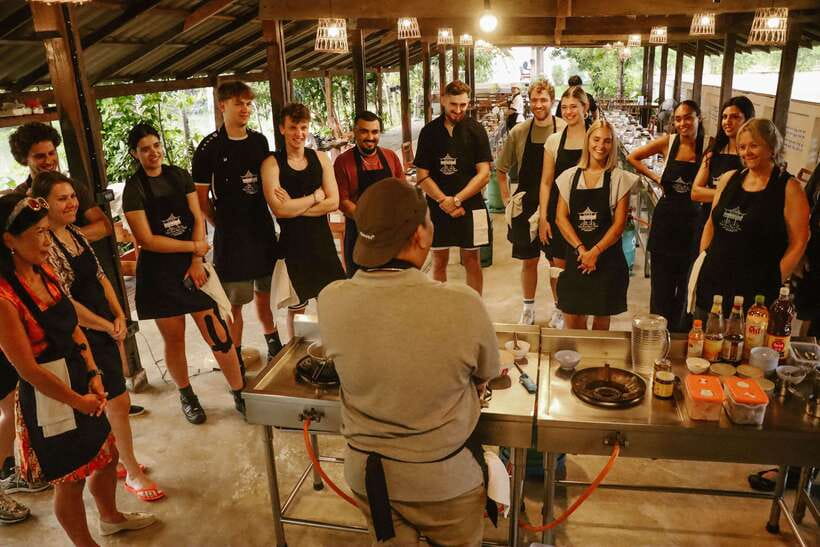
- Market first, then cooking so ingredients make sense once you’re at the stove
- Own workstation with clear supervision, so you actually cook each dish
- Thai classics in real portions like tom yum kung, pad Thai, curry, and sticky rice
- Farm setting with produce grown on-site plus a hands-on feel from the start
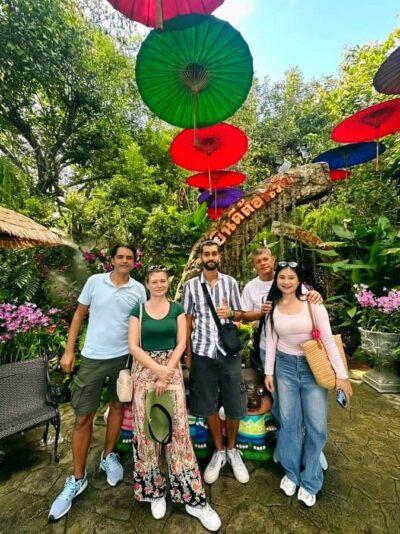
- Photo moment built in with an option to buy professional pictures from the day
The Chiang Mai market stop that actually teaches flavors
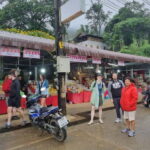
Most Thai cooking classes start at the stove. This one starts at a market, which changes your whole mindset. You begin by seeing the ingredients you’ll later use, so when your guide talks about chilies, herbs, pastes, and sour-salty-sweet balance, you can connect it to real items in your hands.
You’ll also get a quick reality check on Thai cooking. It’s not just about heat. It’s about layered taste: something sharp, something savory, something sweet, and something aromatic. At the market you can spot how Thai pantry staples differ from what you’re used to buying back home, and that helps you avoid the common problem of cooking something that tastes close but not quite right.
A few sessions also include extra curiosity points beyond standard browsing. One class mentioned seeing coconut milk production, and people noted markets that felt unusually clean with less of that overpowering smell you sometimes deal with in big food markets. That matters because you’ll spend time there, and comfort helps you pay attention.
You can also read our reviews of more cooking classes in Chiang Mai
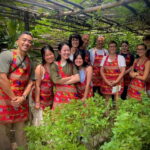
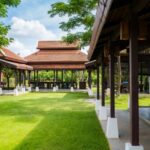
The Rice Barn kitchen: open-air, clean, and set up for doing
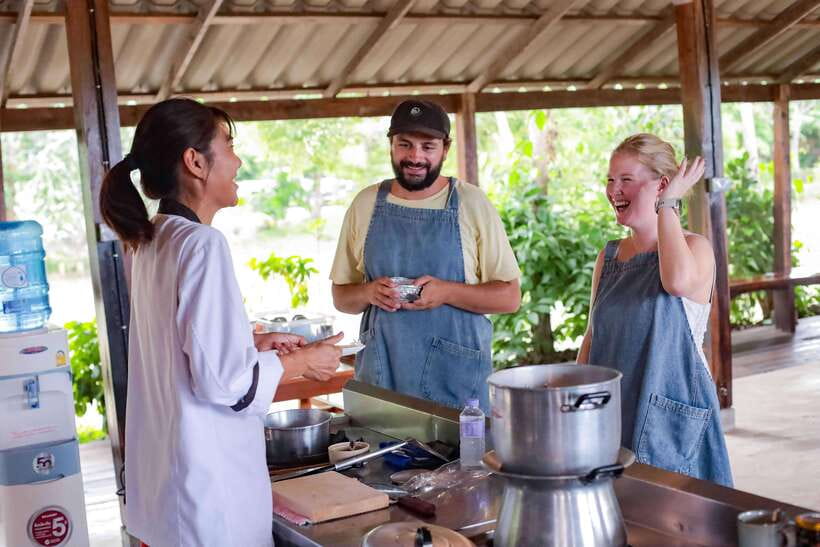
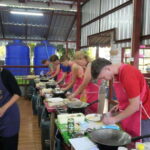
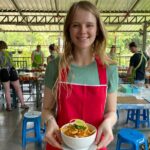
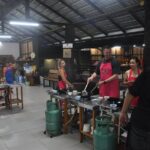
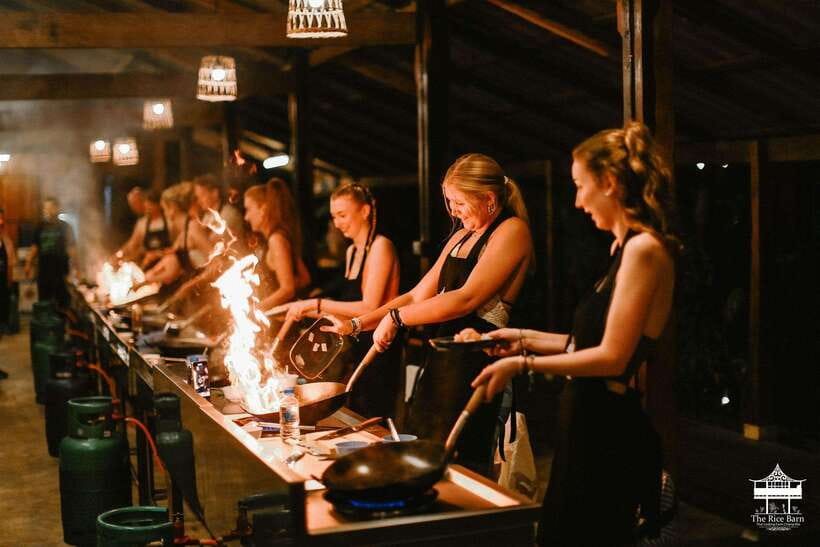
The cooking portion takes place at The Rice Barn Thai Cooking Farm, where the kitchen setup is part of the experience. People repeatedly highlight how clean the work area is, and many mention having their own station with stainless steel work surfaces. That small detail is huge: when you’re cooking, you don’t want to fight for space, tools, or attention.
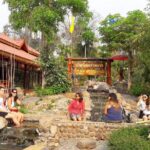
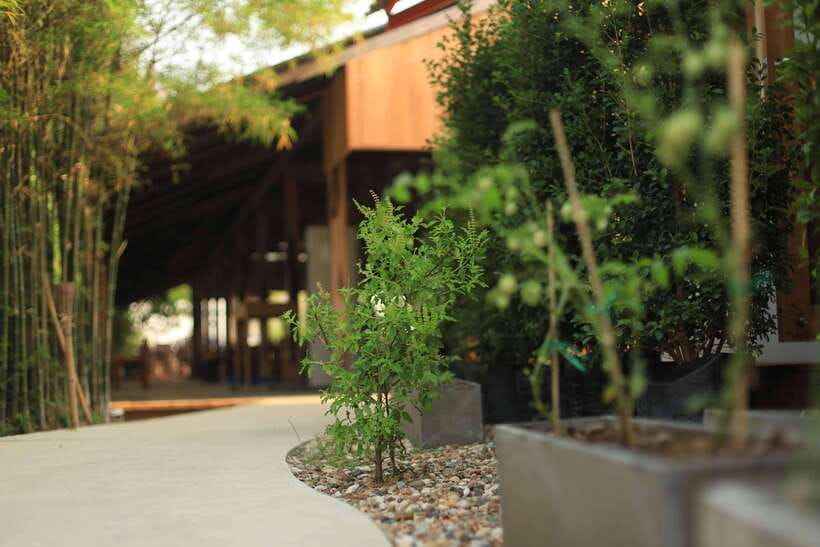
You’ll work in an outdoor or open-air style space near gardens and on-site produce. More than one person talked about walking around the property and seeing farming activity tied to ingredients, including fields connected to sticky rice prep. Even if you’re not a farm person, it gives the cooking context: these flavors aren’t abstract. They’re local food made with real inputs.
Another practical win: the facility is organized enough that you’re not stuck in chaos. People also praised the toilets and general comfort, which sounds boring until you’re halfway through a hands-on class and realize you can focus better when logistics are handled.
And yes, it feels social in a good way. One review mentioned a small group size (around eight) for their session. That often means you get more personal help without the “big bus group” feeling.
Hands-on cooking: demo first, then you take the lead
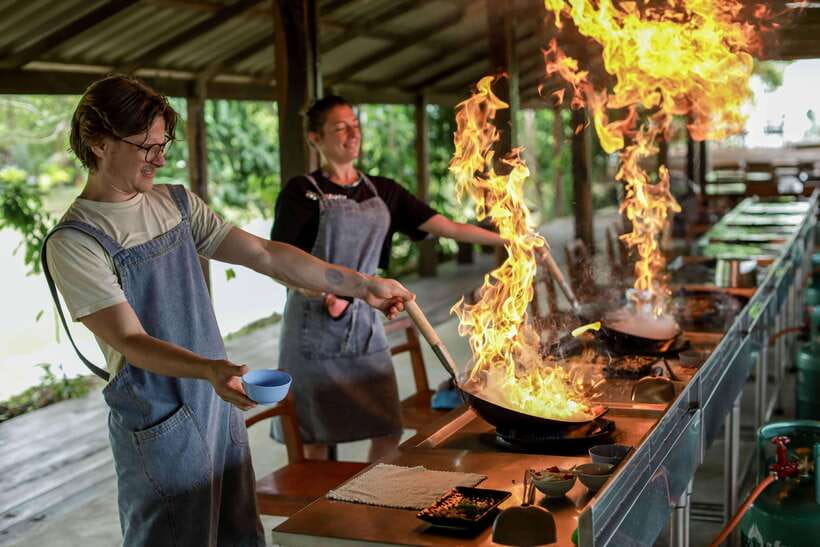
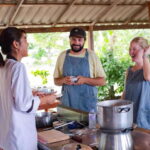
This class follows a teaching rhythm that works for beginners. Your guide shows the recipe steps clearly, then you move to your station and do it yourself. That’s where the English instruction really helps—people noted that explanations were straightforward and supportive, with humor that keeps things light without losing clarity.
A standout theme in the feedback: instructors are funny, confident, and attentive. Names that came up include Oily, Timi/Timmy, Katie, Gobby/Goppy, and Koppi (spelling varies by person writing it down). Even if your instructor is someone else, you should expect the same vibe: a teacher who guides you step-by-step and watches your technique.
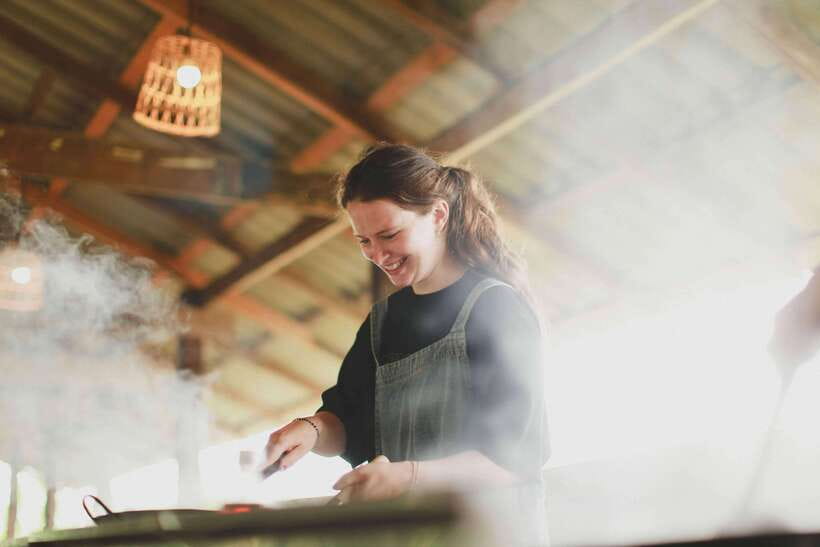
What makes that matter is muscle memory. Thai cooking relies on quick timing and smart seasoning. When you cook each part—stirring, grinding, balancing sour/sweet/salty, and tasting as you go—you leave with repeatable instincts. That’s why so many people said they felt able to host a Thai meal later, not just “ate good food that one time.”
What you’ll cook at your station (and why it covers Thai flavor)
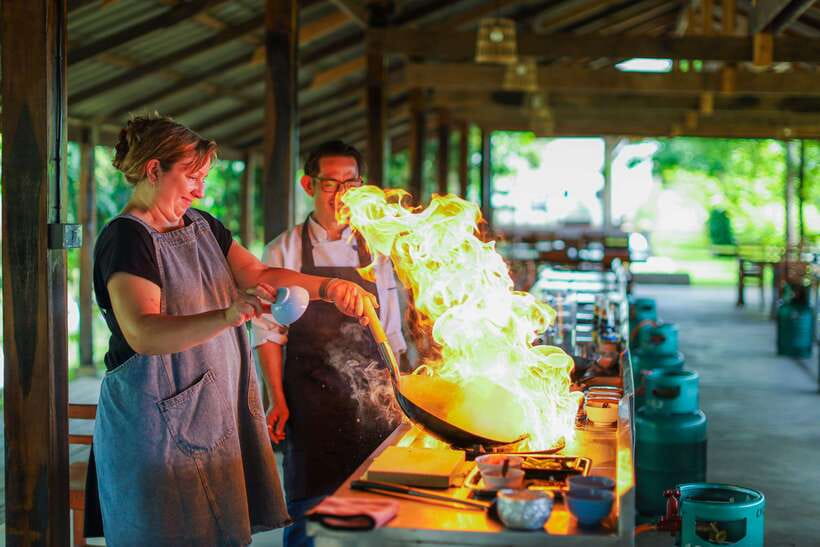
You can expect a lineup of classic Thai dishes, typically several per person. Based on specific dishes mentioned in the class experiences, you’ll likely cook combinations such as:
- Tom yum kung (hot-and-sour shrimp soup)
- Pad Thai (noodles with a sweet-savory-tang balance)
- Cashew stir-fried chicken (often with a moment of high-heat flair)
- Mango sticky rice (sweet finish)
- A curry option such as green curry or panang
- Sticky rice prepared during the session
One of the most fun details mentioned was a high-heat step tied to the cashew chicken dish, including flambé. Even if you’re not aiming to recreate that exact technique at home, it’s a great lesson in how quickly flavor shifts when heat changes.
Also, pay attention to how these dishes cover different Thai flavor families. Soup teaches you how sour and salty talk to each other. Pad Thai teaches noodle texture and how sauce coats rather than pools. Curry teaches paste depth and coconut or creamy balance. Sticky rice teaches timing and water control, because the texture is the point.
A quick tip: if you’re the kind of cook who likes to understand the “order of operations,” this class rewards that mindset. You’ll likely learn what gets cooked first, what softens next, and what’s added to preserve aroma.
The dishes you eat at the end: a real meal, not a snack
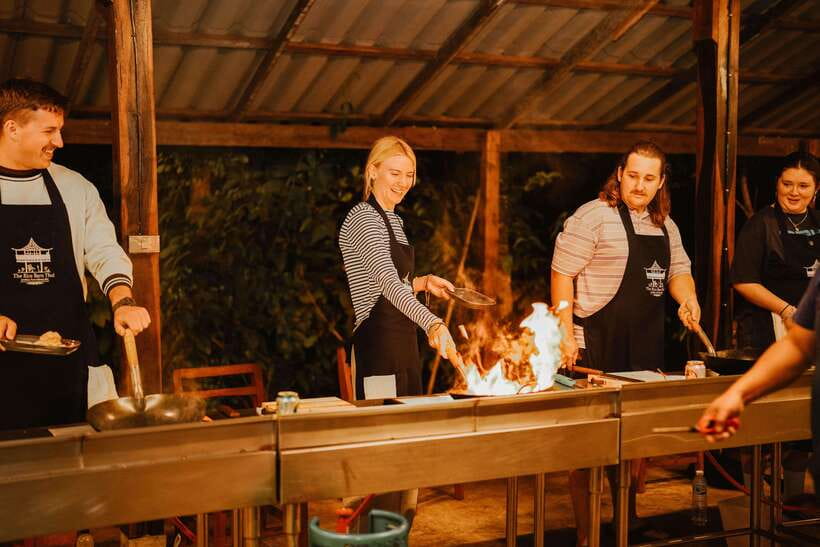
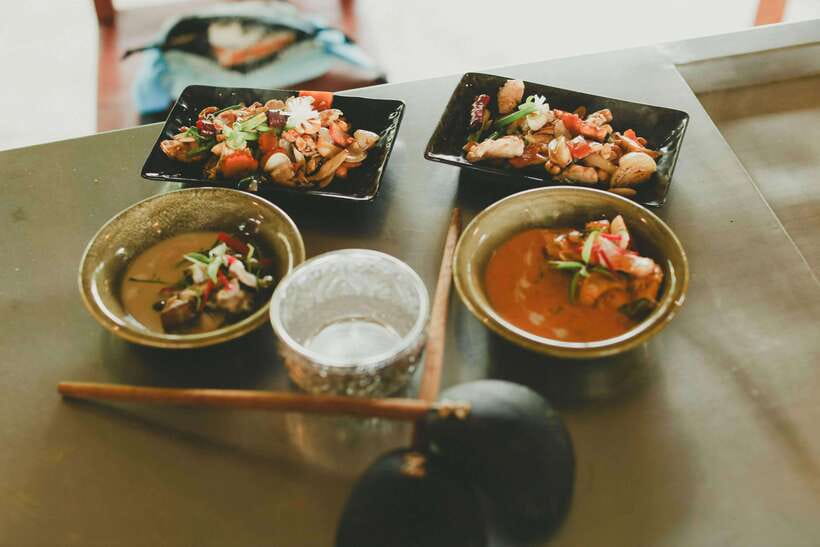
The class isn’t just a cooking exercise. You get to eat what you make, and portions can be substantial. Multiple people specifically warned that the food is plentiful, and one noted that you shouldn’t eat before the class because you’ll want full attention—and a full appetite—for the entire experience.
That helps you plan the rest of your day too. If you book the morning session, you’ll probably carry a light dinner later. If you book an evening session, you may want something small before you go, then enjoy the class meal as your main food.
This is also why the station setup matters. When everyone cooks, everyone ends up with a plate full of what they personally made. You’re not stuck with the awkward situation of watching someone else eat a better final result.
You can also read our reviews of more tours and experiences in Chiang Mai

English instruction you can actually use at home
Language matters in cooking classes. Here, the instruction is listed as English, and the feedback emphasizes that guidance is clear. If you’ve ever taken a food class where the demo was understandable but the translation wasn’t, you’ll appreciate this.
The instructors also talk about confidence: not just what to do, but how to think while cooking. That’s what helps you reproduce dishes later, even if you don’t have the exact same ingredients. You learn how the flavor should behave, so you can adjust with tasting and substitution.
For example, once you understand how pad Thai sauce behaves and when to add aromatics, you’re not guessing. Same with curry: you learn how curry paste affects the whole pot and how you bring it into balance with coconut or broth elements.
One practical note: if you have food needs, speak up. A gluten-free request was handled attentively in one session description. You might still want to message the provider in advance so they can guide you on what’s possible.
Transportation and timing: smooth start to finish, about six hours
The class runs about 6 hours and includes round-trip transportation in an air-conditioned vehicle from your hotel in Chiang Mai. This matters more than it sounds, especially in Chiang Mai traffic. When pickup and drop-off are handled well, you arrive calm and ready to cook.
People highlighted that the transport experience felt easy and well organized. Also, the flow is built so the market stop doesn’t feel like an extra chore. It sets you up, then you move to the farm kitchen without losing momentum.
Because it’s a half-day course, it fits neatly into an itinerary that already includes temples or a night market. You’re not giving up a full day, but you still get a full “learn and cook” experience.
Price and value: what $28 includes, and why it’s fair
At around $28 per person, this class is priced like a value-first experience. The big reason it feels like a good deal: you’re paying for more than a hands-on cooking moment. You also get:
- ingredients and materials for cooking
- round-trip air-conditioned transport
- coffee and/or tea
- a color recipe e-book
If you’ve ever bought ingredients on your own and then realized you still needed guidance for the technique, that’s the hidden cost this class covers. You’re also getting instruction in how to combine Thai flavors reliably, which is hard to replicate from a recipe alone.
The recipe e-book isn’t just an afterthought. It helps you keep the steps in order once you’re back home, which is when you usually forget the best tricks. And because you’re cooking multiple dishes, you’re leaving with a mini Thai menu you can repeat.
Who should book this cooking farm class?
This class suits you best if you want an active cooking experience with Thai culture built in. It’s especially good for:
- Beginners who want clear steps and a supportive teacher
- Food lovers who want to understand ingredients, not just eat them
- Couples and friends who want a shared activity and a full meal together
- Solo travelers who like structured social time without forced performance
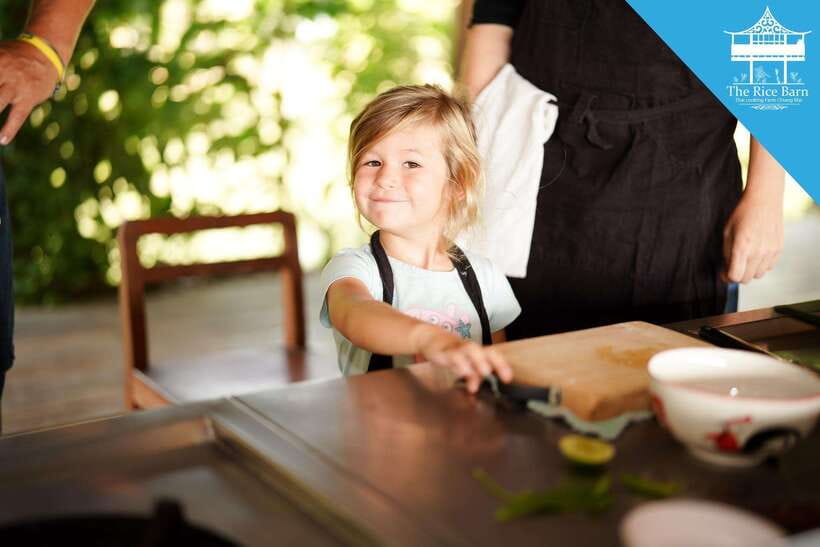
It also works for families, at least for some age groups. One session description mentioned that the instructor was great with kids, answering questions and keeping everyone engaged.
If you’re an advanced home cook, you might still enjoy it for the flavor lessons and technique practice. Just know that some parts of the class are guided, which is ideal for learning—but may feel less “challenge mode” if you want maximum ingredient decision-making.
My decision guide: should you book it?
Book this cooking course if your goal is hands-on Thai food you can actually recreate. The combo of market learning, own workstation cooking, and a guided teaching style hits the sweet spot between fun and useful.
Skip it (or choose a different style class) if you’re looking for a lot of free-form experimentation or advanced cooking complexity. You may find it more structured than you expect, and you’ll likely be making dishes that are designed to work well within the time frame.
If you want a dependable, well-organized Thai cooking day in Chiang Mai—transport included, plenty of food, and real instruction—this is a strong choice. Just come hungry, wear something you can get comfortable in, and be ready to taste as you go.
FAQ
How long is the Chiang Mai cooking course?
The experience is listed as 6 hours.
What dishes will we cook?
The class is described as making multiple authentic Thai dishes. Specific dishes mentioned include tom yum kung, pad Thai, cashew stir-fried chicken, a curry option such as green curry or panang, and mango sticky rice / sticky rice.
Is the class hands-on?
Yes. The course is described as completely hands-on, with each person cooking at their own station.
Is hotel pickup and transportation included?
Yes. You get round-trip transportation by air-conditioned vehicle, with pickup from your hotel in Chiang Mai.
What’s included in the price?
The price includes materials and ingredients for cooking, coffee and/or tea, round-trip transportation, and a color recipe e-book.
Is the instructor English-speaking?
Yes, the instructor is listed as English.