REVIEW · CHIANG MAI
Chiang Mai: Private Historic Old City Bike Tour – Night
Book on GetYourGuide →Operated by Discova Thailand · Bookable on GetYourGuide
Chiang Mai looks totally different after dark. This private old city bike tour threads together lit temples, classic monuments, and local streets in about four easy hours.
I especially love the way you glide through quiet back lanes that you would never find on foot, and I also like the included market stop where your guide helps you choose simple, tasty bites.
One thing to plan for: you’re meeting at Discova’s shop and you’ll need to follow the temple dress rules—no shorts or sleeveless shirts.
In This Review
- Key Things to Know Before You Go
- Why Cycle Chiang Mai’s Old City at Night
- Starting at Discova Day Tour Shop: Bikes, Helmets, and a Real Safety Talk
- Tha Phae Gate: The Big Entrance You Can Still Feel
- Wat Chedi Luang: Ruins, Scale, and Why It’s a Favorite
- Three Kings Monument and Wat Intakhin: City Center Energy
- Moat and Old Wall Sections: How the City Used to Protect Itself
- Morning vs Evening Temples: Wat Chiang Man or Wat Lok Molee
- The Market Stop: Where Your Guide Saves You Time (and Your Stomach)
- How Long, How Far, and What the Ride Feels Like
- Price and Value: When Private Makes Sense
- What to Bring (and the Clothing Rule That Catches People)
- Should You Book This Chiang Mai Night Bike Tour?
- FAQ
- What’s the meeting point for the Chiang Mai bike tour?
- How long is the tour?
- What’s included in the tour price?
- Is hotel pickup and drop-off included?
- How far do you ride?
- Is the tour suitable for pregnant women?
Key Things to Know Before You Go
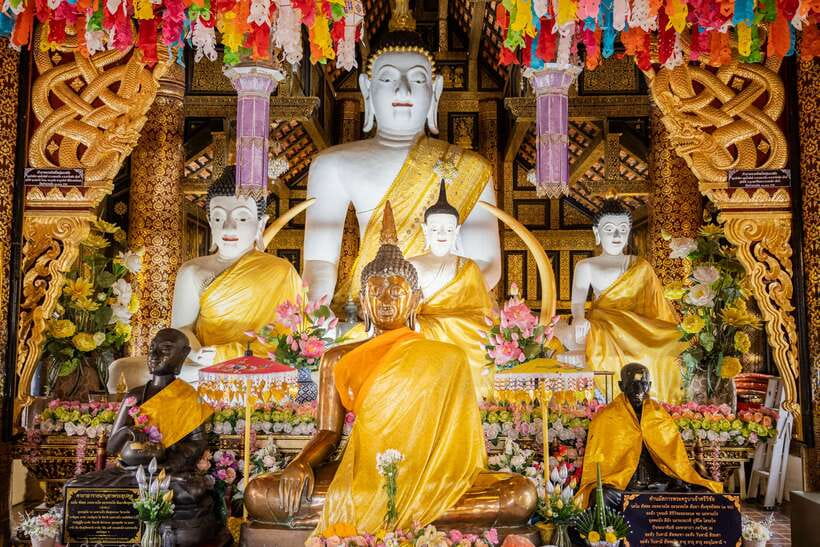
- Night temple lighting turns big landmarks like Wat Chedi Luang into a whole different scene
- Quiet back lanes and flat roads keep the ride comfortable for most people
- A market snack stop helps you eat local without guesswork
- Your guide sets the pace and safety tone, with clear instructions before you start
- Morning vs evening changes the temples you see, so pick based on your mood
- Private group feel means more time for questions and photos, even with mixed ages
Why Cycle Chiang Mai’s Old City at Night
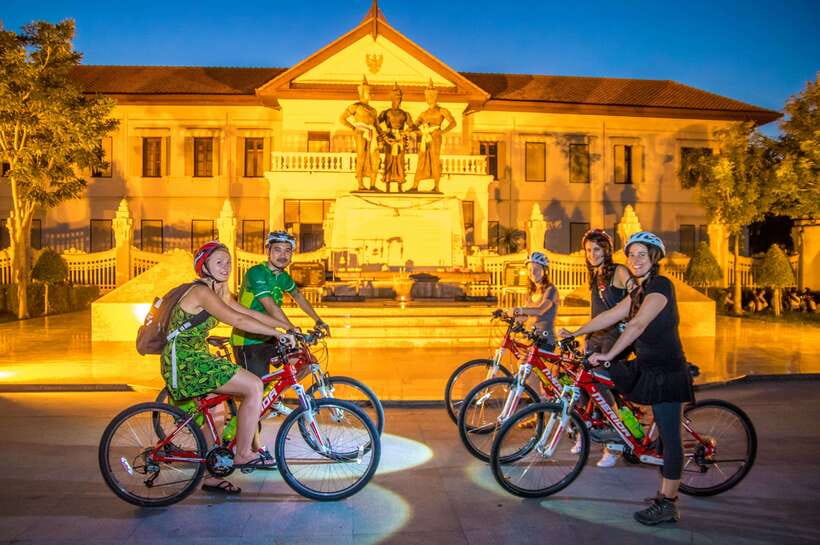
If you’ve only seen Chiang Mai by tuk-tuk or on a walking loop, this tour gives you a better rhythm. Night makes the Old City feel calmer, and temples feel more dramatic when they’re lit up. Instead of racing between stops, you move like a local—slow enough to look around, fast enough to cover real ground.
What I like most is how the ride is built for comfort. You’re not doing stunt-style cycling or long climbs. The plan is about flat, relaxed riding, with pauses that actually let you take in what you’re seeing (and ask why it matters).
The other nice part: your guide doesn’t just point at buildings. They connect the sights to Chiang Mai’s old kingdom story—then you ride through the spaces those stories lived in.
You can also read our reviews of more cycling tours in Chiang Mai
Starting at Discova Day Tour Shop: Bikes, Helmets, and a Real Safety Talk
The tour starts at Discova Day Tour Shop Chiang Mai, right near Chang Puak Gate (about 10/3 Wiang Kaew Rd, in front of the co-working space Punspace). Arrive about 15 minutes early so you’re not stressed when it’s time to gear up.
You get a quality mountain bike and a helmet, plus a short safety talk that sets expectations for traffic and road behavior. In the reviews, guides were repeatedly praised for being careful and clear—so you’re not left guessing where to position yourself or what to do at intersections.
Practical tip: wear comfortable shoes. You’ll spend time walking at temple areas and along the monuments, and you don’t want your feet turning your fun into a chore.
Tha Phae Gate: The Big Entrance You Can Still Feel

Your first major stop is Tha Phae Gate, the old trading entrance to Chiang Mai. Even today, it works as a kind of anchor point. Standing near it, you get a quick sense of how the city was laid out: this was the doorway where movement and commerce came in.
By bike, the gate isn’t just a photo stop. You arrive ready to move, then your guide frames what you’re looking at—why the location matters, and how the Old City’s layout shaped daily life.
If you do the night departure, this area also sets the tone for what’s ahead. Think: street ambience, then quiet lanes that start to feel like you’re slipping behind the main tourist flow.
Wat Chedi Luang: Ruins, Scale, and Why It’s a Favorite
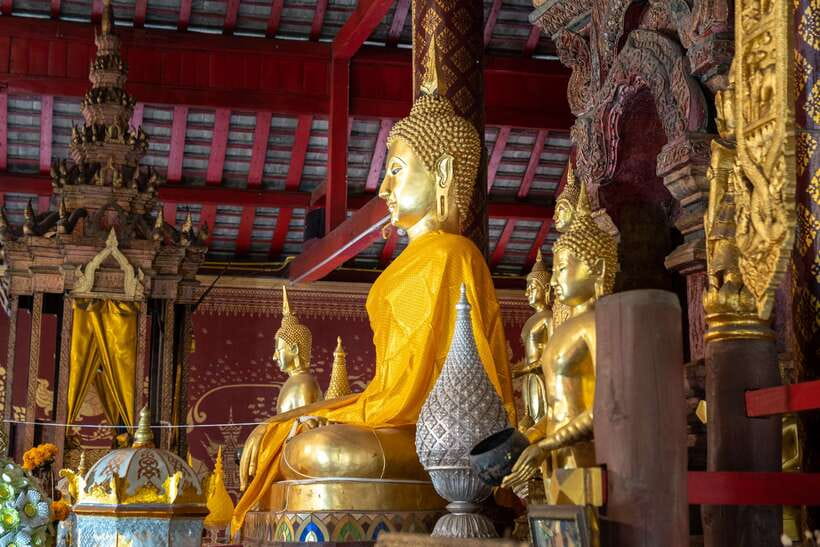
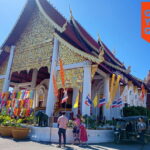
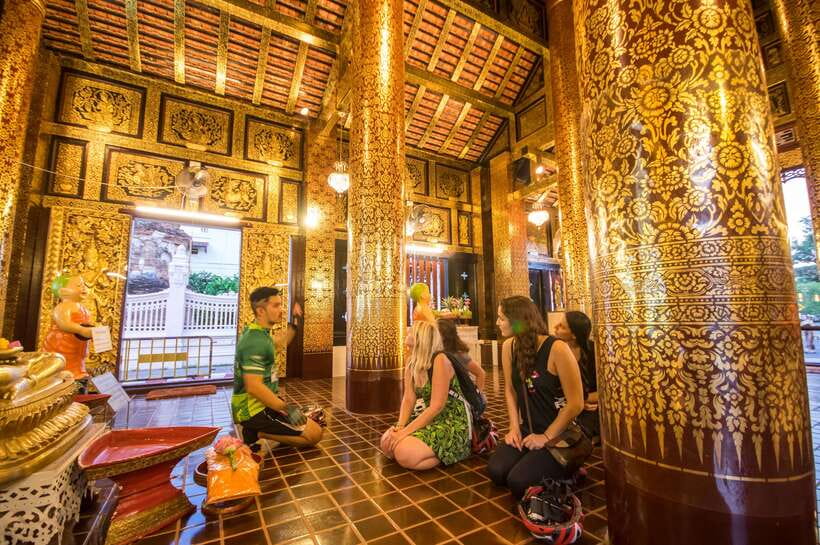
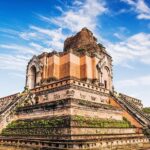
One of the best temple stops on this route is Wat Chedi Luang. You come for the famous massive ruined chedi, but you stay for the atmosphere—especially at night when the lighting makes the stone feel even older.
In reviews, this is repeatedly called out as a highlight because you can see it with fewer people and more calm. A guide also helps with context, so you’re not just admiring architecture—you understand what you’re looking at and why it’s significant to the city.
You may also get opportunities to participate in small, respectful temple acts when appropriate. For example, some guides have been described helping people with simple rituals like pouring water on Buddha images, plus learning about temple giving. Don’t worry if you’re unsure—this is exactly where having a guide matters.
Three Kings Monument and Wat Intakhin: City Center Energy
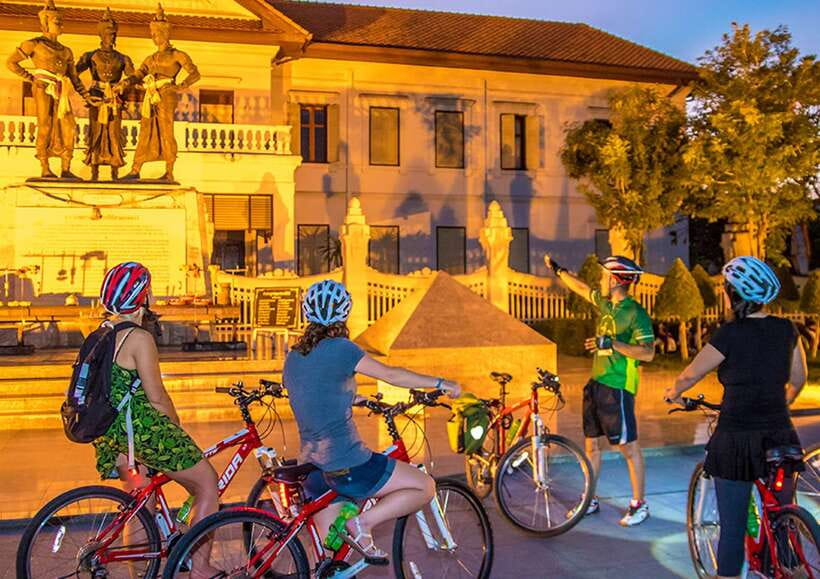
After cycling deeper into the Old City, you hit the area around the Three Kings Monument and Wat Intakhin (City Navel Temple). This is the kind of place where the symbols are obvious once you’re told what they mean.
The Three Kings Monument is tied to Chiang Mai’s founding stories, while Wat Intakhin is linked to the symbolic center of the old kingdom. With the guide’s explanation, it stops being just a landmark and becomes a reference point for how the city thought about itself.
You’ll spend time walking and looking around the square area, which is perfect because monuments like this aren’t just about seeing from a distance—they’re about noticing details and atmosphere up close.
You can also read our reviews of more city tours in Chiang Mai

Moat and Old Wall Sections: How the City Used to Protect Itself
A big value of bike travel here is what happens between the big sites: you ride through parts of the moat area and past sections of the original city wall. On foot, you might miss these edges or not connect them to how the fortress-city worked.
With a guide, it clicks. The old city plan makes sense: the fortress layout was designed to protect the capital of the Lanna Kingdom. You’re not memorizing dates—you’re seeing the logic of the city’s defenses while still moving at an easy pace.
I like that you get the story and the physical setting in the same moment. It’s the difference between reading about a wall and understanding what it meant when the city was actively guarded.
Morning vs Evening Temples: Wat Chiang Man or Wat Lok Molee
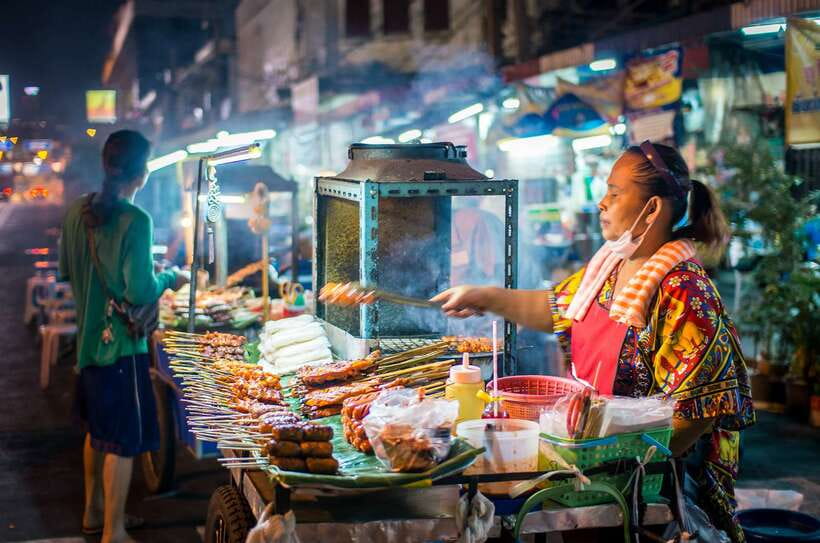
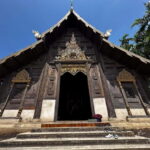
One of the smart things about this tour is that temples change depending on the departure time. If you go in the morning, you may see Wat Chiang Man, often described as the oldest temple in the city. If you go in the evening, you may pass Wat Lok Molee, known for its striking Lanna-style wooden viharn and towering brick stupa.
Either way, you’ll be in temple spaces that feel tied to daily religious life, not just a museum stop.
Morning tours: you might catch monks starting routines, and the whole area can feel quieter and more grounded. Evening tours: the temples are illuminated, which turns your route into a dramatic night walk—only you’re also riding between points.
If you’re picking between the two: choose evening for the lighting and softer crowds, and choose morning if you prefer the chance to see early-day temple activity.
The Market Stop: Where Your Guide Saves You Time (and Your Stomach)
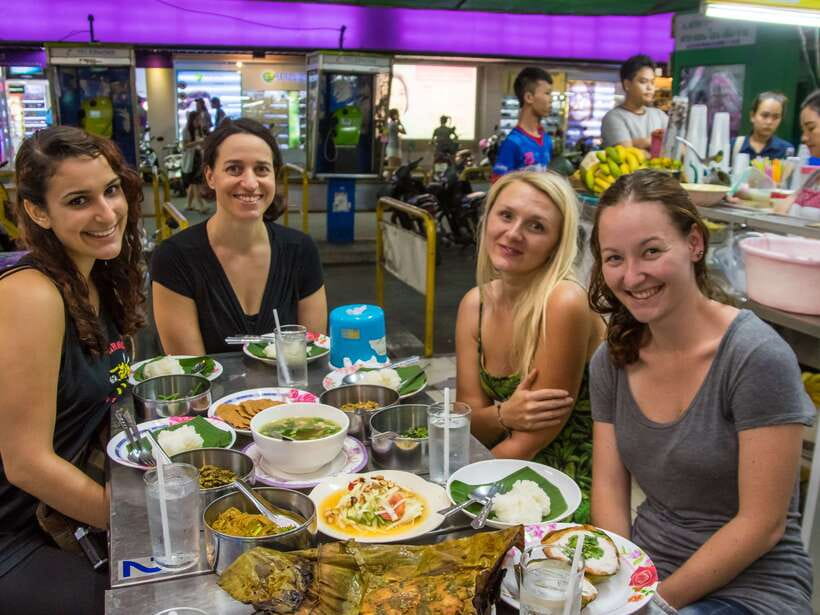
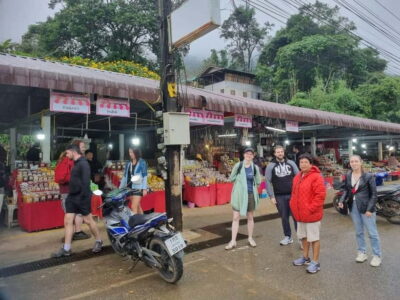
Every departure includes a stop at a local market, with simple snacks included. This is where the tour becomes more than sightseeing.
A good guide doesn’t just hand you food. They help you decide what to try, how to eat it, and what’s worth it for your tastes—so you’re not standing there staring at options like you’re on a pop quiz.
In practice, the market experience works whether you go morning or night:
- Morning: you’re more likely to see produce and fresh items.
- Night: street food takes center stage, and the vibe feels lively without you needing to hunt.
Vegetarian options can be available, and at least some guides have been described making sure people can try multiple dishes without turning it into a frantic food sprint.
How Long, How Far, and What the Ride Feels Like
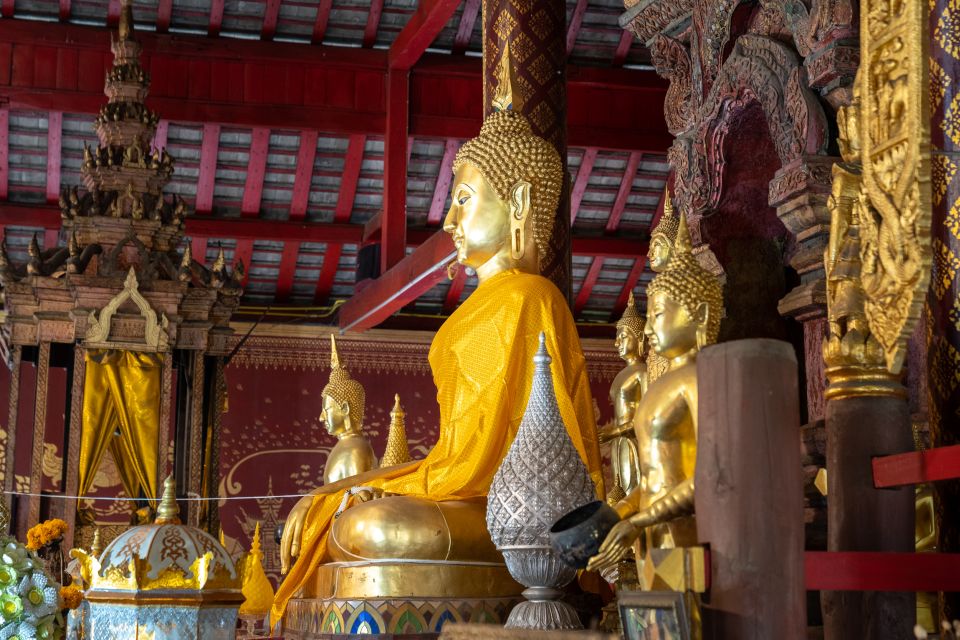
You’ll cover around 12–14 km at a relaxed pace. That number matters because it tells you what kind of effort to expect: this is a real ride, but not a “training” ride.
The best part is how predictable it is:
- You’re on a bike, so you don’t have to walk the entire city loop.
- You make frequent stops, so you’re not sitting in traffic or riding past everything without seeing it.
- The roads are largely flat, and many guides keep the route mostly away from heavy traffic.
In reviews, this tour has been praised for working for mixed abilities and for families with older kids. It’s not listed as “easy for everyone,” but it does have the right ingredients for most travelers who can comfortably ride a bike at a basic level.
One note: it’s not suitable for pregnant women.
Price and Value: When Private Makes Sense
At $116 per group (up to 1) for a 4-hour private tour, the price isn’t “budget bus tour” cheap. But the value can still be strong—especially if you want:
- a private-group feel
- a guide who can slow down for questions and photos
- a route that actually connects multiple Old City landmarks without you navigating
Private is especially worth it when you’re traveling as a small group with different interests—say, teens who want photos and adults who want temple context. Some guides have also been described adjusting the ride to match what people care about, which is harder to do on larger shared tours.
Also, you get more than just transport. Included items—helmet, bottled water, light snacks, and a temple donation allowance—add up in real life. And the guide storytelling is what turns a list of temples into something you remember.
What to Bring (and the Clothing Rule That Catches People)
The tour gives you the bike and helmet, but you control the comfort and temple readiness.
Bring:
- Comfortable shoes
Wear:
- No shorts
- No sleeveless shirts
This dress code matters in practical terms. Chiang Mai temples often expect covered shoulders and modest bottoms. If you show up in the wrong clothes, you might be forced into awkward choices right when you want to enjoy the stops.
If you’re traveling with kids:
- Child seats are available on request for children up to 14 kg.
- Kids bikes and discounts for ages 12 and under are available.
If you’re booking private: the operator asks for full participant names for insurance, and your height so they can arrange the correct right-side bike. That last part is small, but it helps a lot for comfort.
Should You Book This Chiang Mai Night Bike Tour?
If you want an efficient, friendly way to see the Old City without getting lost, this tour is a strong pick. It’s especially good when you care about temples, want help with food choices at the market, and like the idea of seeing landmarks when they’re calmer and lit up.
You should skip it if:
- you can’t handle basic bike time, even at a relaxed pace
- you don’t want to follow temple dress rules
- you’re pregnant
Also, I’d treat it as a great “first evening” or early-visit activity. It helps you get oriented fast, then you can build your own days around what you liked most.
FAQ
What’s the meeting point for the Chiang Mai bike tour?
You meet at Discova Day Tour Shop Chiang Mai, 10/3 Wiang Kaew Rd, near Chang Puak Gate. The shop is in front of the co-working space Punspace.
How long is the tour?
The tour lasts about 4 hours.
What’s included in the tour price?
Included are a friendly English-speaking guide, quality mountain bike and helmet, drinking water and light snacks, temple donation allowance, and accidental insurance, plus a market stop with simple snacks.
Is hotel pickup and drop-off included?
No. Hotel pickup and drop-off are not included.
How far do you ride?
You cover roughly 12–14 km at a relaxed pace.
Is the tour suitable for pregnant women?
No, the tour is not suitable for pregnant women.