REVIEW · CHIANG MAI
Best seller!! Amazing Night tour, Doi Suthep + Wat umong – Top Must visit!
Book on Viator →Operated by joinusthai · Bookable on Viator
Chiang Mai glows after dark. I love how this tour pairs Wat Umong’s forest tunnels with Wat Phra That Doi Suthep’s lit-up golden pagoda, so you’re seeing two of the biggest temple hits in one evening. The main thing to plan for is effort: there are 306 steps (or a paid funicular), and the drive is winding, which can be rough if you get motion sick.
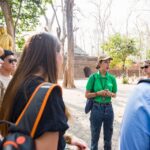
A lot of the charm is that you’re not wrestling with the city after sunset on your own. You’ll be picked up from downtown hotels, taken between stops in an air-conditioned van, and dropped back when you’re done—simple, and it keeps the night from feeling like a logistics project. Guides with names like Matt, Chris, Yoyo, Paul, and Goy show up in customer notes for being friendly and photo-helpful, which matches the vibe you want on a short tour.
In This Review
- Key things I’d zero in on before you go
- Why a night temple tour beats the daytime routine
- Pickup after 5 PM: the part that makes or breaks your evening
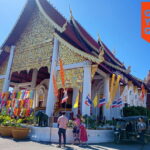
- Wat Umong: tunnels, bats, and a temple that feels off the beaten path
- The ride up to Doi Suthep: beautiful, curvy, and sometimes motion-sickness territory
- Doi Suthep’s 306 steps: climb for the classic approach
- The pagoda glow: what you’re really coming for
- How long you’ll actually spend at the temples
- Photos and the guide’s role: what good guidance looks like here
- Rainy season still runs: what to bring in May to October
- Price and value: why $20.09 can be a good deal
- Who should book this tour (and who might want a different plan)
- Final call: should you book this night temple combo?
- FAQ
- What’s the duration of the tour?
- How much does it cost?
- Are hotel pickup and drop-off included?
- What temples are visited?
- Do I have to climb 306 steps to reach Doi Suthep?
- What admission fees are included?
- What should I wear to enter the temples?
- Does the tour run in the rainy season?
- Can I bring large luggage?
- What’s the cancellation policy if weather changes?
Key things I’d zero in on before you go
- Small group feel (up to 13 travelers): easier pacing and less chaos than the big-bus style night tours.
- Wat Umong tunnels in a forest: a temple experience that feels different from the usual open courtyard stops.
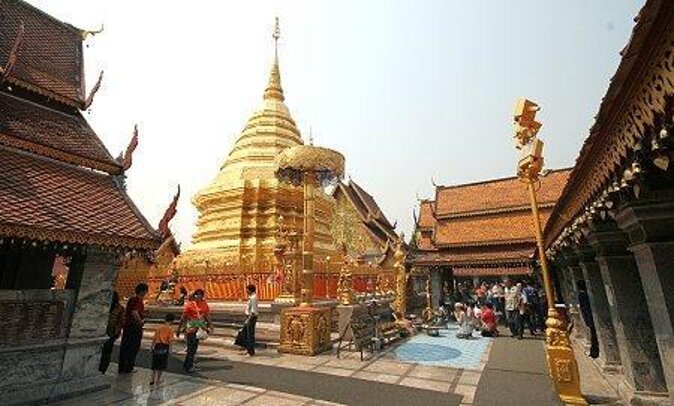
- Doi Suthep at night: the pagoda glows, and you get a real city view from up high.
- 306 steps with an easy out: you can climb the stairs or use the cable car option (20B).
- Convenient pickup and drop-off: you don’t have to figure out nighttime transport between hill and city.
Why a night temple tour beats the daytime routine
Daytime in Chiang Mai can mean heat, brighter crowds, and more time spent just getting from one “must-see” to the next. A night tour flips that. Temperatures are typically cooler, and the city feels calmer as lights start turning on.
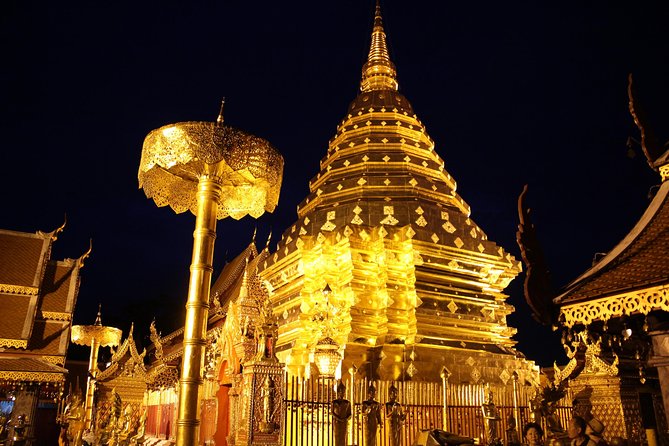
You also get a different kind of temple experience. When the golden structures glow at night, Wat Phra That Doi Suthep stops feeling like a photo spot and starts feeling like a landmark. And Wat Umong—set in the forest and entered via tunnels—doesn’t need a crowd to be interesting. It already has mystery.
The timing is what makes it work: you start around early evening and finish after you’ve seen the hilltop illuminated, without losing your whole night.
You can also read our reviews of more evening experiences in Chiang Mai



Pickup after 5 PM: the part that makes or breaks your evening
This tour is built around a join-in van that collects you from downtown area hotels. Your pickup is usually somewhere between 5:00 and 5:30 PM or 5:40 and 6:10 PM (with pickup times moved 30 minutes earlier starting Dec 1, 2024). You’ll be back at your hotel afterward.
Two practical tips matter here:
- If your pickup window says 5:00–5:30 PM, the van could arrive any time in that range, and it might not wait a full 30 minutes.
- Because it’s a multi-stop pickup, expect minor delays if other hotels run late.
So my advice is simple: plan to be ready early. Sit in the hotel lobby before your window begins, and keep your essentials on you. Also note that the van can’t handle large carry-ons—only items that fit on your lap.
Wat Umong: tunnels, bats, and a temple that feels off the beaten path
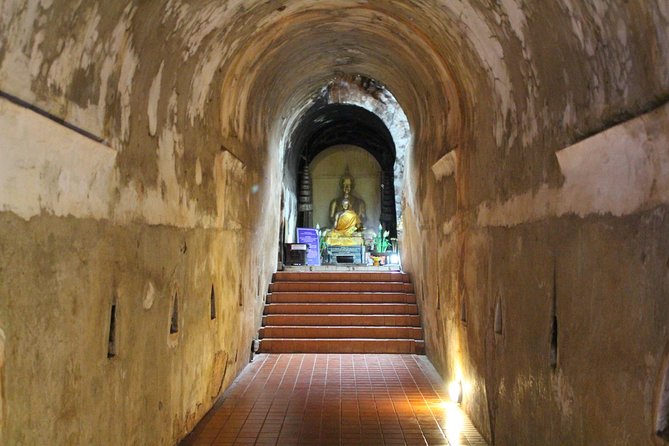
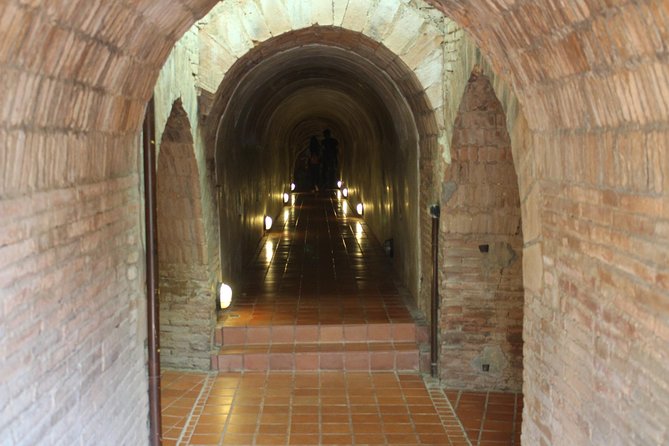
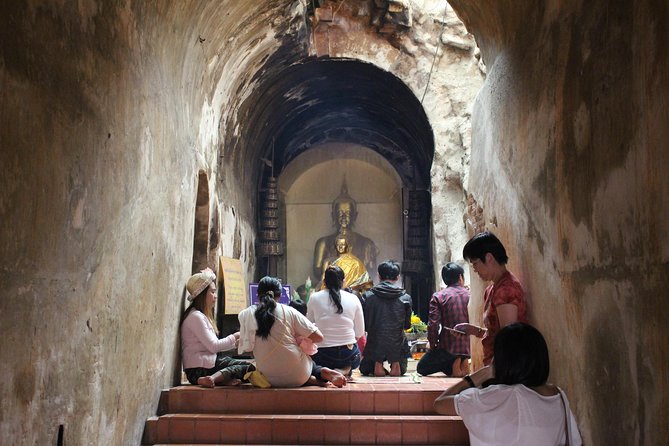
Your evening begins at Wat Umong, a forest temple that stands out because it’s built inside tunnels. Instead of just walking into a main hall, you get to go into the tunnel passages and see Buddha images along the way.
This is the stop that gives the tour personality. Wat Umong doesn’t chase the daytime crowd energy. It’s atmospheric, quieter, and the tunnel setting changes how you experience the space. Even if you’re not religious, you still get a strong sense of age and place—this temple is tied to history going back to the year 1297.
What I’d watch for:
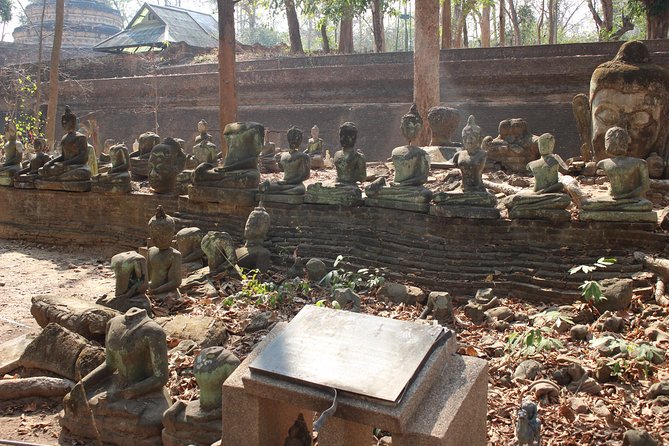
- You may encounter bats in the evening air. Some people advise being careful not to disturb sleeping bats.
- You might notice small animal activity around the grounds, including chickens.
The good news is the time at Wat Umong is not huge—about 30 minutes. That’s enough for you to take your bearings, walk the tunnel areas at a comfortable pace, and grab photos without rushing yourself into the next uphill drive.
Clothes tip: temple rules require shoulders and knees covered. Sandals or flip-flops are allowed, but I’d bring something light that covers your legs and sleeves if you’re traveling in shorts and a tank top.
The ride up to Doi Suthep: beautiful, curvy, and sometimes motion-sickness territory
After Wat Umong, you head to the big showstopper: Wat Phra That Doi Suthep on the mountain. The drive is part of the experience, but it’s also the part that can test your stomach.
People call out the road as winding and curvy, so if you’re prone to motion sickness, don’t gamble. Bring your usual meds and take it easy with camera-snapping during hairpin turns.
One upside: being up there feels like a total shift. You’re going from city evening to hilltop temple grounds, and by the time you arrive, the night atmosphere is starting to click into place.
Doi Suthep’s 306 steps: climb for the classic approach
At Doi Suthep, you’re offered two ways up:
- Climb the staircase of 306 steps, or
- Use the funicular railway (the cable car is listed as 20B, not included).
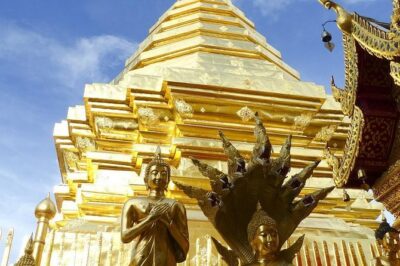
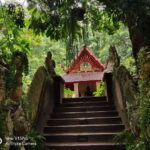
If you want the classic approach, take the steps. The stairway is adorned with the Naga serpent motif, with the dragon-headed style running along the climb. It’s the kind of detail you notice more when you’re moving slowly and paying attention instead of just snapping a single wide shot.
If you’d rather conserve energy, the funicular is a good option, and it keeps your night from turning into a leg-day punishment. Either way, you’re still getting to the same hilltop heart of the temple complex.





The pagoda glow: what you’re really coming for
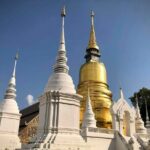
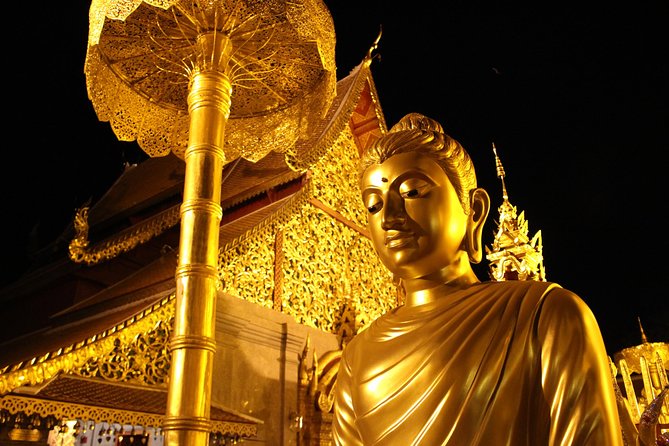
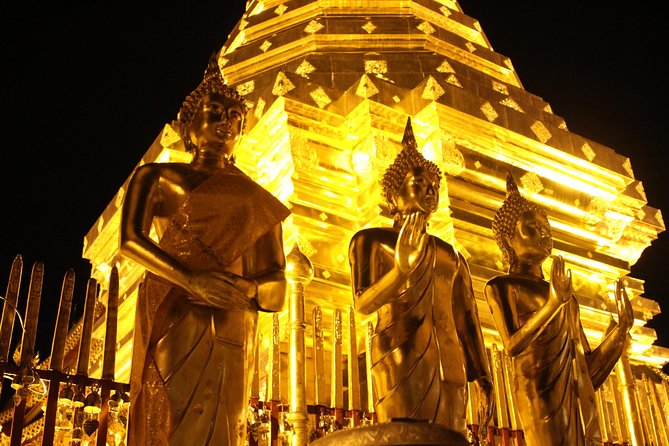
Once you reach the top, you’re greeted by the Lanna-style golden pagoda. The pagoda is described as being covered with engraved gold plates, flanked by four ornamental umbrellas—exactly the kind of design that looks striking when lit up at night.
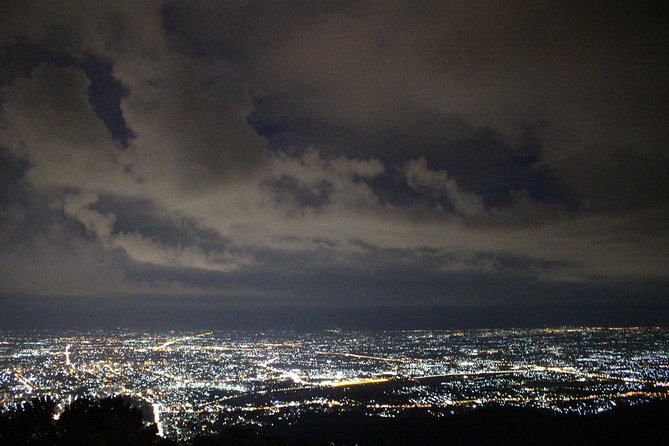
And then there’s the city view. From this elevation, you can see Chiang Mai illuminated below. This is where the night tour earns its keep. In daylight, Doi Suthep can feel like a destination. At night, it feels like a viewpoint.
One timing note: some visits may happen after sunset. That’s not a problem if you specifically want the lit-up effect, but if you’re hoping for a long stretch of twilight-to-night, your “night” window depends on pickup timing and traffic.
How long you’ll actually spend at the temples
The whole tour is about 3 hours 30 minutes. Your stop at Wat Umong is around 30 minutes, and your Doi Suthep time is about 1 hour.
That means you should treat this as a “see, absorb, photograph, move on” plan—not a slow cultural wander with long guided roaming in every corner. Most of the experience is built around hitting the two biggest temple moments in the same evening without stretching your night too far.
If you’re the type who likes deep, extended guidance at each stop, you’ll still get enough time to enjoy both sites. Just don’t expect this to replace a longer temple day tour.
Photos and the guide’s role: what good guidance looks like here
A well-run night temple tour is equal parts route and pacing. What makes this one feel smooth is the focus on keeping you moving between points and helping you capture the best angles without feeling lost after dark.
In customer notes tied to guides such as Matt, Chris, Yoyo, and Paul, a common thread is that they’re friendly, helpful with photos, and willing to answer questions. That matters because night photography at Doi Suthep is not always intuitive, especially if you’re adjusting settings in low light and moving around uneven ground.
I also like that the guide context helps you look beyond the Instagram shot. For example, Wat Umong’s tunnel setting comes with cultural and historical context, which makes the stop feel purposeful rather than random.
Rainy season still runs: what to bring in May to October
Chiang Mai’s rainy season is May to October, and the tour still runs even on rainy days. You’ll want an umbrella or raincoat so your evening doesn’t turn into a wet scramble through temple stairs and uneven paths.
If it rains hard, timing can shift, and your “night vibe” might be affected by visibility and lighting. Bring a small towel or keep a spare layer in your day bag if you get cold easily once the rain cools the air.
Price and value: why $20.09 can be a good deal
At $20.09 per person, the value is strong when you consider what’s included:
- Air-conditioned vehicle
- Admission fees
- A licensed English-speaking guide
- Round-trip hotel transfer within the downtown area
- Travel accident insurance
That’s a lot for one short evening tour, and the included admissions are key. The cable car at Doi Suthep is not included (20B), but that’s optional anyway if you choose to climb.
To decide if it’s worth it for you, ask one question: do you want convenience and a guided route more than you want total flexibility? If yes, this is the right kind of value—especially if you’d otherwise struggle with nighttime transport.
If you’re traveling super slowly and want lots of time in temple grounds with deep explanation, you might feel a bit compressed. The structure is set up for efficiency and night views, not extended wandering.
Who should book this tour (and who might want a different plan)
This tour is a great fit if:
- You want Doi Suthep at night and care about the illuminated city view.
- You like a small-group feel with simpler logistics.
- You’re okay with stairs and want a classic temple climb option.
- You’d rather have pickup and drop-off so you can enjoy the night without navigating.
It may be less ideal if:
- You strongly need a long, unhurried guided experience at each site.
- You’re highly sensitive to motion sickness from a curvy mountain road.
- You expect the tour to guarantee a long stretch of full darkness at the pagoda, regardless of traffic and pickup timing.
Final call: should you book this night temple combo?
Yes, I’d book it if your goal is to see Wat Umong’s tunnel mystery and Wat Phra That Doi Suthep lit up, without spending hours coordinating transport after dark. The included admissions, the hotel pickup/drop-off, and the small-group size make it feel practical.
I’d think twice if stairs and winding roads are dealbreakers, or if you’re the type who wants a slower, more detailed temple narration with lots of time in each spot. For most people, though, this is a very efficient way to get the two biggest temple moments Chiang Mai offers—when the city is cooler, calmer, and glowing.
FAQ
What’s the duration of the tour?
The tour runs about 3 hours 30 minutes (approx.).
How much does it cost?
It costs $20.09 per person.
Are hotel pickup and drop-off included?
Yes. Round-trip hotel transfer within the downtown area is included, and pickup is offered in the 5:00–5:30 PM or 5:40–6:10 PM range (pickup times shift 30 minutes earlier starting Dec 1, 2024).
What temples are visited?
You visit Wat Umong first, then Wat Phra That Doi Suthep.
Do I have to climb 306 steps to reach Doi Suthep?
You can either climb the 306 steps or take the funicular railway. The cable car is listed as 20B and is not included.
What admission fees are included?
Admission fees are included for the temple visits.
What should I wear to enter the temples?
You should wear polite clothes with shoulders and knees covered. Sandals or flip-flops are allowed.
Does the tour run in the rainy season?
Yes. From May to October, it runs even on rainy days. Bring an umbrella or raincoat.
Can I bring large luggage?
No. Carry-ons or large luggage can’t be accommodated in the van. Only items that fit on your lap are allowed.
What’s the cancellation policy if weather changes?
You can cancel for a full refund up to 24 hours in advance. The experience also requires good weather, and if it’s canceled due to poor weather, you’ll be offered a different date or a full refund.