REVIEW · CHIANG MAI
Thai and Akha Cooking Class in Chiang Mai
Book on Viator →Operated by Thai Akha Kitchen · Bookable on Viator
Your stomach will thank you in Chiang Mai. This small-group Thai and Akha cooking class pairs a real ingredient hunt with a big, hands-on menu.
I especially love how the setup keeps you cooking at your own station, not just watching. And I like the mix of Thai basics plus Akha specialties, so you learn flavors and techniques you can actually repeat.
One consideration: it runs about 6 hours, so plan for a full, active day with plenty of eating.
In This Review
- Key points worth noting
- The Kitchen Setup: Small-Group Stations That Keep You Cooking
- Morning vs Afternoon: What Changes in Your Chiang Mai Day
- Morning session: market first, then cooking
- Afternoon session: skip the market, stay focused on cooking
- Hotel Pickup and Timing: When the Day Actually Starts
- Stop 1: Thai Akha Cooking School and the Flow of the Day
- The Big Menu: Thai and Akha Dishes You’ll Make
- What You Learn That Actually Transfers Home
- Taste Test at the End: Enjoying Your Own Meal
- Price and Value: Is $42 Worth It in Chiang Mai?
- Who Should Book This Cooking Class (and Who Might Skip It)
- Should You Book Thai and Akha Cooking in Chiang Mai?
- FAQ
- How long is the Thai and Akha Cooking Class in Chiang Mai?
- Is hotel pickup and drop-off included?
- Is there a market tour?
- What dishes will I cook?
- Do you include coffee?
- Are alcoholic drinks included?
- Is there a cookbook included?
- How big is the group?
- What should I bring?
- Can I cancel for a full refund?
Key points worth noting
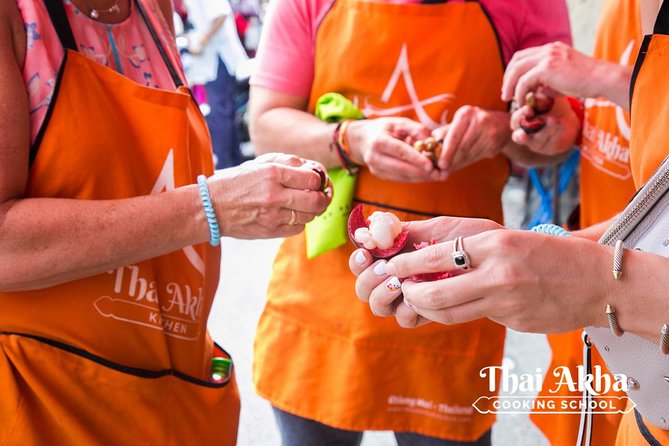
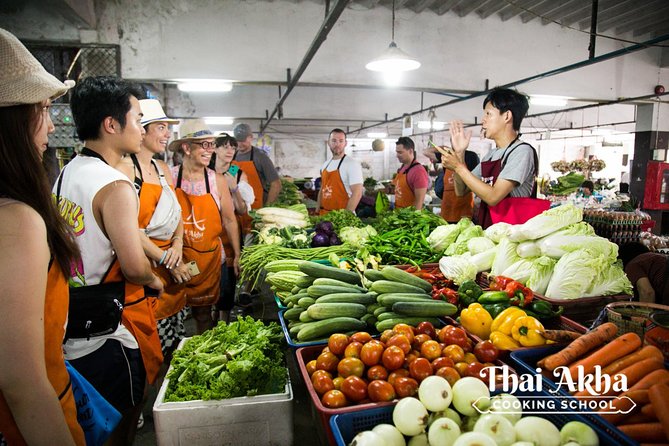
- Morning market included (only in the morning session): you shop for produce, herbs, and ingredients you’ll cook with soon after.
- Small group, up to 12 people: you get real help while you chop, mix, and taste.
- Huge menu across Thai and Akha dishes: appetizers, soup, curry paste, curry, and desserts, plus Akha-style specials.
- Clean, organized cooking stations: step-by-step instruction keeps the pace under control.
- Take-home cookbook: a full-color souvenir keeps the recipes practical for home cooking.
The Kitchen Setup: Small-Group Stations That Keep You Cooking
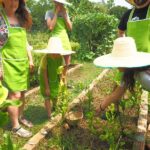
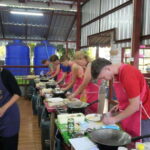
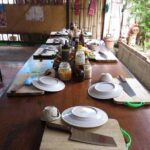
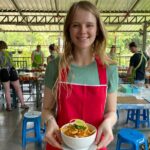
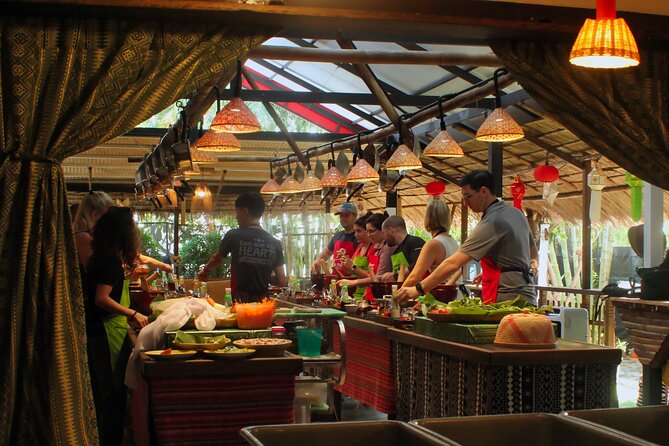
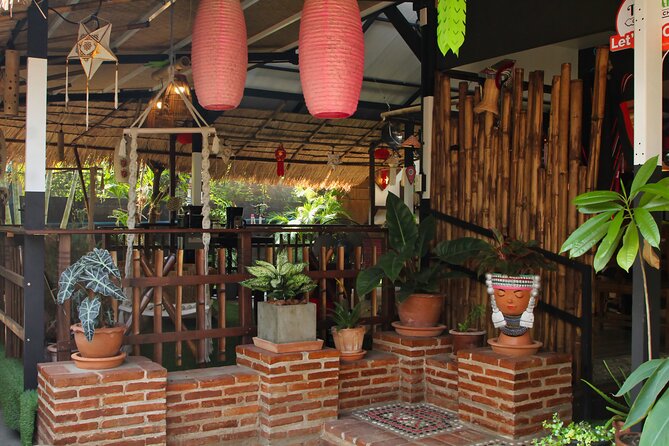
This class works because it’s built around hands-on cooking. Instead of crowding around one counter, you work at an individual station, which helps you practice the steps in real time. The kitchen space is run in a tidy, well-lit way, and the stations are kept well stocked without feeling messy.
That matters for two reasons. First, Thai cooking relies on timing and small technique details (how you prep herbs, how you grind paste, how you balance sour, salty, and fresh). Second, a busy class can still feel calm when the workspace and tools are ready before you start.
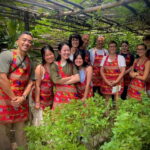
The instructors you may meet, like On or Niti (and support staff such as Eveline in some groups), tend to be funny and warm in style. The helpful part is not just personality. It’s that they explain what you’re doing and why, then correct small issues before your dish goes off course.
You can also read our reviews of more cooking classes in Chiang Mai
Morning vs Afternoon: What Changes in Your Chiang Mai Day
You’ll choose either a morning or afternoon session, and the difference is meaningful.
Morning session: market first, then cooking
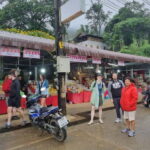
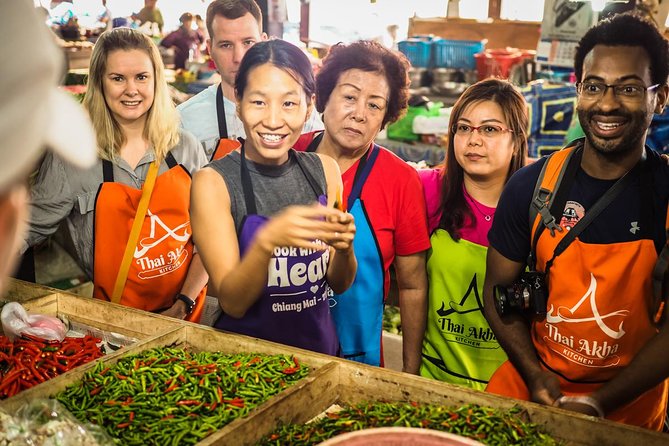
Morning classes include a visit to a local Chiang Mai market where you can see, smell, and taste foods tied to the recipes you’ll cook later. You’ll shop for fresh produce, herbs, and ingredients that define the dish flavors. You also get the local color that makes Chiang Mai feel like a living place, not just a stop on a route.
Afternoon session: skip the market, stay focused on cooking
Afternoon classes still give you the full cooking day format and the same general menu approach, but without the ingredient-shopping stroll. This can be a good call if you already visited a market elsewhere or you want to start cooking sooner.
Either way, the class ends with you eating what you made and a ride back to your hotel in the central area.
Hotel Pickup and Timing: When the Day Actually Starts
The class begins with pickup from a central Chiang Mai hotel. The drop-off is also included, but only within a limited radius: within about 3 km from the city area. If you’re outside that zone, you’ll want to check how the provider handles it so you’re not surprised on timing.
You’re looking at about 6 hours total. That’s long enough to feel like a real experience, not a quick demo. It’s also long enough that you should clear the rest of your day. This is one of those “come hungry, leave full” activities, and the kitchen runs best when everyone starts with a decent appetite.
You can also read our reviews of more tours and experiences in Chiang Mai

Stop 1: Thai Akha Cooking School and the Flow of the Day
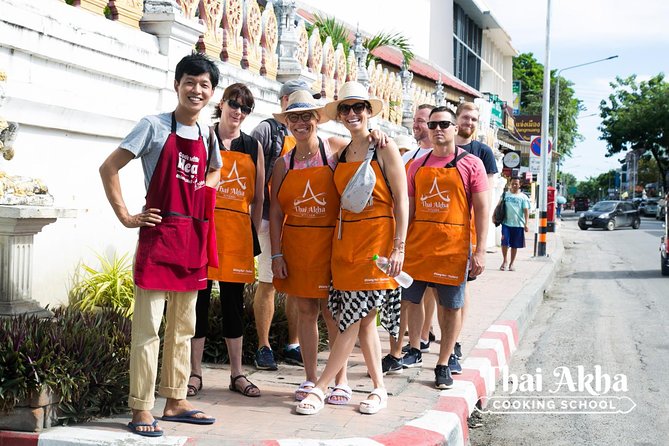
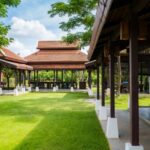
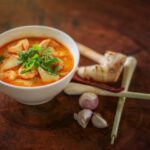
Once you arrive at the school, the session typically moves through a structured sequence. You start with prep skills, then you build up dishes in stages. This is the kind of course where the menu teaches fundamentals: how Thai flavors are constructed, how paste and seasoning behave, and how Akha dishes differ in ingredient choices and texture.
You’ll also learn some Akha-specific ingredients and how they affect taste. That part is what turns the class from a general Thai cooking lesson into something more Northern Thai and hill-tribe focused.
And yes, you’ll be cooking a lot. The menu is intentionally large, so you get exposure without just repeating the same dish in a different form.
The Big Menu: Thai and Akha Dishes You’ll Make
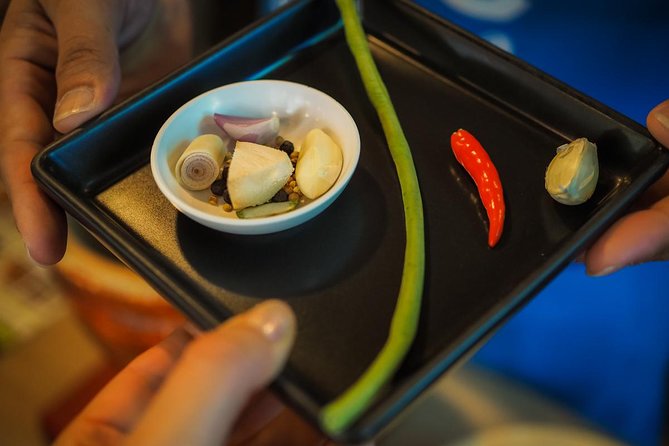
This is the portion that most people are excited about, and it’s also where the class justifies its price.
You’ll prepare:
- Two appetizers
- A soup
- A curry paste and curry
- Two desserts
- Plus several special Akha-style dishes
Specific Akha-style dishes named for the session include:
- Akha salad
- Akha soup
- Sapi thuong, a tomato dipping sauce
You’ll also cook classic Thai elements alongside the Akha ones. The end result is that you’re not only learning recipes, but also picking up how Thai and Akha flavors connect: fresh herbs, balanced acidity, and sauces that taste simple once you understand the method.
One practical bonus: in the way the class is organized, you usually get a say in what you cook for some components. That helps if you have strong preferences for curry types or soup styles.
What You Learn That Actually Transfers Home
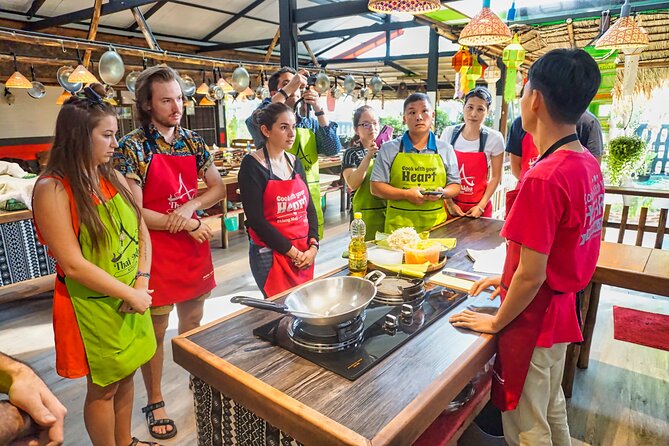
A great cooking class doesn’t just give you food. It gives you a home workflow.
Here’s what this one emphasizes:
- Professional technique tips for getting dishes right, not just following a vague recipe.
- Taste adjustment instincts, so you can fix flavors after the first batch rather than starting over.
- Ingredient substitution guidance, so you aren’t stuck when an Akha ingredient isn’t easy to find back home.
In reviews from instructors like On and Niti, one recurring theme is how they explain swaps that still keep the dish on track. For example, if you’re working with local produce, you’ll often be directed toward alternatives such as cucumber in place of green papaya (the idea being to match texture and freshness, not to copy the exact item).
Also, the course aims for clarity. Step-by-step instruction is a real feature here, not a marketing line. You’ll be guided through the process in a way that helps a beginner keep up.
Taste Test at the End: Enjoying Your Own Meal
At the end, you sit down and eat your creations. This part is more than a meal. It’s how you understand the cooking.
When you taste what you made, you can finally connect:
- what you did during paste-making,
- how the soup seasonings settled,
- how the curry developed after cooking,
- and how the Akha elements differ.
Plus, you’re doing this with other people in a small group, which often turns the day into something social without becoming chaotic.
Coffee is included. If you want alcohol, you can purchase it on-site, but it’s not included. So if you’re the type who likes pairing food with a drink, budget a little extra.
Price and Value: Is $42 Worth It in Chiang Mai?
At $42 per person for a roughly 6-hour class, this sits in the “good value” range for Chiang Mai food experiences. The reason is the mix of what you receive:
- Pickup and drop-off (within the central area limit)
- Market tour for the morning session (if you choose that time)
- Individual cooking stations and guided instruction
- A large menu spanning Thai and Akha dishes
- Coffee included
- A full-color cook book as a souvenir
Many cooking classes give you a couple of dishes and a recipe sheet. This one is built around a bigger output: you cook appetizers, soup, curry components, and desserts, with Akha specialties included. That means you’re not just learning; you’re leaving with a clearer “mental map” of Thai and Akha flavor building.
If you enjoy cooking, this is especially good value because you’ll actually practice multiple techniques and flavor styles in one day.
Who Should Book This Cooking Class (and Who Might Skip It)
This class is a great fit if:
- You’re in Chiang Mai for a short time and want a single day with lots of payoff.
- You like learning how food is made, not just tasting it.
- You want Thai food that goes beyond the usual Bangkok checklist by adding Akha hill-tribe dishes and ingredients.
- You like meeting other travelers in a small, structured setting.
You might consider a different option if:
- You dislike long, hands-on days where you’re actively cooking most of the time.
- You want a lighter experience with less food and fewer dishes.
- You’re looking for a purely sightseeing tour with minimal cooking (this one is definitely cooking-first).
One simple tip that comes up for a reason: come with an empty stomach. The menu is large, and the schedule is designed around eating what you make.
Should You Book Thai and Akha Cooking in Chiang Mai?
I think you should book it if you want a real Chiang Mai food day: markets, hands-on Thai and Akha cooking, and a take-home cookbook you’ll actually use. The small group size makes a big difference, and the fact that the class covers both Thai foundations and Akha specialties gives you variety instead of repeating the same dish theme.
If you’re deciding between morning and afternoon, pick based on how you like starting your day. Choose the morning session if you want the market ingredient hunt and the local snack sampling vibe. Choose the afternoon session if you want to skip shopping and get straight to cooking.
Either way, plan on a full-feeling day. You’ll leave with a stronger sense of how these cuisines fit together, plus recipes you can bring home without guesswork.
FAQ
How long is the Thai and Akha Cooking Class in Chiang Mai?
The class runs for about 6 hours (approx.).
Is hotel pickup and drop-off included?
Yes, pickup and drop-off are included for hotels within 3 km from the city area. Discovering Milan has a longer piece on Milan.
Is there a market tour?
A local morning market tour is included, but only for the morning session.
What dishes will I cook?
You’ll prepare two appetizers, a soup, a curry paste and curry, two desserts, and several Akha-style dishes such as Akha salad, Akha soup, and sapi thuong (tomato dipping sauce).
Do you include coffee?
Yes, Akha Hill Tribe coffee (coffee) is included.
Are alcoholic drinks included?
No. Alcoholic drinks are available to purchase.
Is there a cookbook included?
Yes. A full-color souvenir cookbook from your session is included.
How big is the group?
The class has a maximum of 12 travelers.
What should I bring?
Come with an empty stomach.
Can I cancel for a full refund?
Yes, free cancellation is available up to 24 hours in advance for a full refund. If you cancel less than 24 hours before the start time, you won’t receive a refund.