REVIEW · CHIANG MAI
Half Day Umong Temple and Monk Chanting at Doi Suthep Temple ( Private tour)
Book on Viator →Operated by AP Good@travel · Bookable on Viator
Monks chant, then the tunnels go quiet. This private half-day tour mixes Wat Umong’s tunnel statues with the big-name spirituality of Doi Suthep, and it’s timed for a softer, more atmospheric visit. I also like that you’re not stuck with a rigid route, since your guide can tailor pacing and make sure you’re set up to catch the chanting. A fair consideration: if a spot feels busy, meditation inside the tunnels may not be as peaceful as you hoped, so you’ll want to be flexible.
You’ll get picked up in Chiang Mai city, then ride up with an air-conditioned driver while your guide connects the dots between the temples’ roles and how northern Thai Buddhism shows up in daily life. In multiple guide-name reviews, people singled out guides such as Noom and Mr Nan for history-by-story explanations, and Gobi, Nikki, and Peter for helping them see monks chanting at just the right moment.
You’re paying for a tight plan: three sites, admissions included, and enough time at each stop that you’re not rushing through carvings and chedis like a checkout line. Just know this is a half-day at a holy mountain, so expect some walking, stairs, and outdoor heat after 2:30 pm, even if the schedule helps you miss part of the worst crowds.
In This Review
- Key things to know before you go
- A 2:30 pm start that actually feels right
- Wat Umong: tunnels, Buddha Dhamma garden, and the meditation question
- Wat Pha Lat: the worthwhile “in-between” temple stop
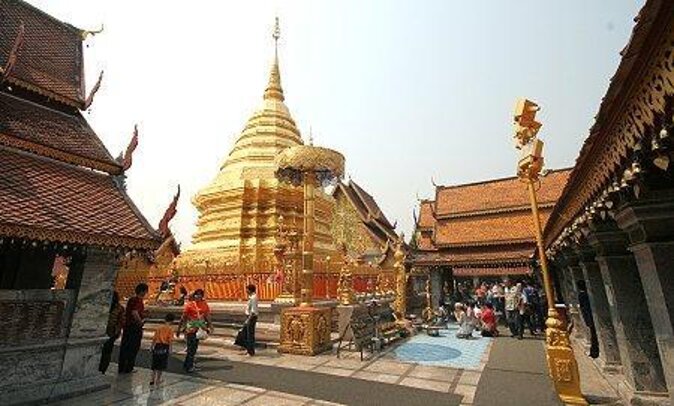
- Wat Phra That Doi Suthep: chanting, chedi history, and sunset-style views
- Private transport and guide value: why this feels worth it
- What to expect at each stop (and how to plan your time)
- Dress code and practical tips for a smoother temple visit
- Who should book this private Umong and Doi Suthep tour?
- Should you book this private half-day Umong and Doi Suthep tour?
- FAQ
- FAQ
- What time does the tour start?
- How long is the tour?
- Is this a private tour?
- Which temples are included?
- Are admission tickets included?
- Do I get hotel pickup?
- Is transportation provided?
- Will the guide speak English?
- Can I meditate at Wat Umong?
- What should I wear to the temples?
- Do I need to share passport details when booking?
Key things to know before you go
- Wat Umong tunnel experience: statues and the feeling of a temple built into the hillside, with an optional meditation moment
- A calmer stop on the way up: Wat Pha Lat is intentionally less crowded than the top chedi area
- Monk chanting timing: you can see monks chant around 6pm (your guide will position you)
- Private guide with TAT license: English-language storytelling tied to Buddhist practice and temple history
- Admissions included: tickets are covered for each temple stop
- 2:30 pm start: designed for late-afternoon light and sunset-style views from the Doi Suthep area
A 2:30 pm start that actually feels right
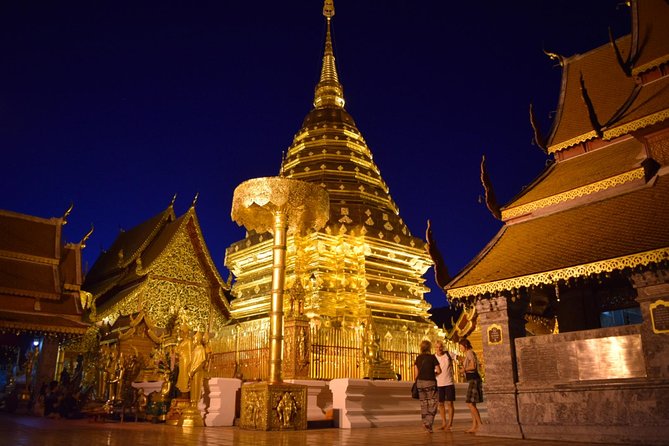
Starting at 2:30 pm is the smartest part of this whole plan. You get out of the midday rush and you’re more likely to enjoy Doi Suthep with a cooler pace, especially as the light starts to turn gentler toward sunset.
The tour runs about 4 to 5 hours, so it’s long enough to feel like a real temple circuit, but short enough that you’re not burning a full day. That matters in Chiang Mai, where you might want the rest of the evening for night markets, dinner, or a massage without feeling destroyed.
You can also read our reviews of more private tours in Chiang Mai


Wat Umong: tunnels, Buddha Dhamma garden, and the meditation question
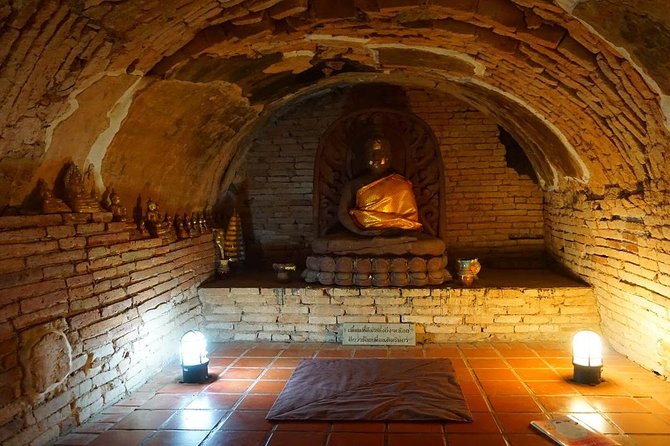
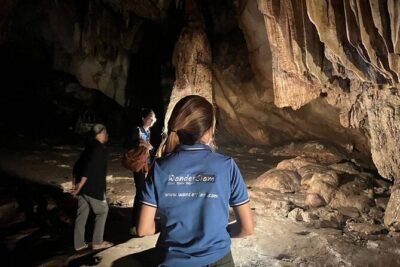
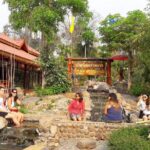
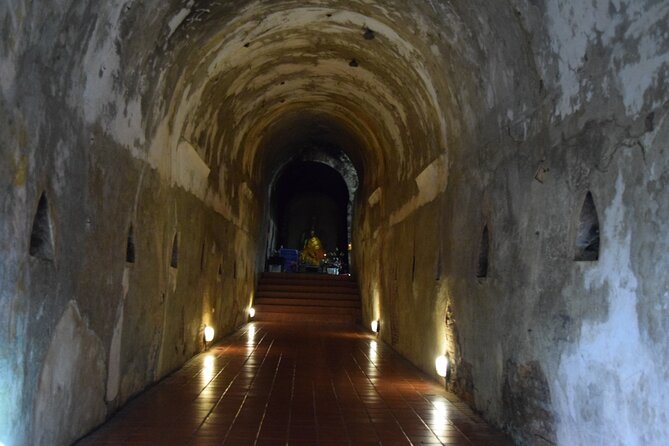
Stop 1 is Wat Umong, often described as the temple of the tunnels. It sits just west of Chiang Mai city near Doi Suthep mountain, and it’s connected to an older phase of the area, including the fact that the temple was abandoned during the 15th century.
What you’ll love here is the visual shift. Instead of the usual bright, open temple scenes, Wat Umong gives you that “temple inside the earth” feeling through its tunnels and the Buddha Dhamma garden. It’s also one of the best places on this route to slow down, because the setting naturally asks you to look, not just pose.
You get around 45 minutes here, and that time includes your chance to take part in meditation at the temple (if it’s offered during your visit). One practical caution: a guide may suggest meditating somewhere quieter if the tunnel area feels too busy. That’s not a failure of the tour—it’s smart on-the-spot decision-making, the kind that shows up when guides are paying attention to comfort, sound, and space.
Wat Pha Lat: the worthwhile “in-between” temple stop
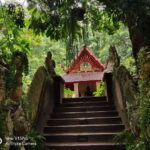
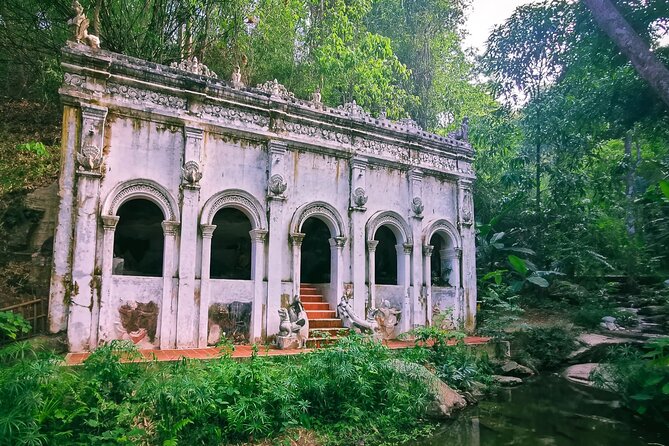
Stop 2 is Wat Pha Lat, a temple on the way up that many people skip because they only focus on the top chedi area. You’ll spend about 30 minutes here, which is just enough to take in the details without turning this into a marathon.
The value of Wat Pha Lat is variety of experience. You’re already doing tunnels at Umong, so moving to a different temple style helps your brain reset between stops. It also tends to feel less crowded than the summit route, which makes it easier to hear your guide’s explanations and take photos without constant shoulder-to-shoulder pressure.
If you care about how temples work as a system—settings for worship, learning, and daily devotion—this stop helps connect the dots. Think of it as the calm chapter between the tunnel chapter and the big finishing scene at Doi Suthep.
Wat Phra That Doi Suthep: chanting, chedi history, and sunset-style views
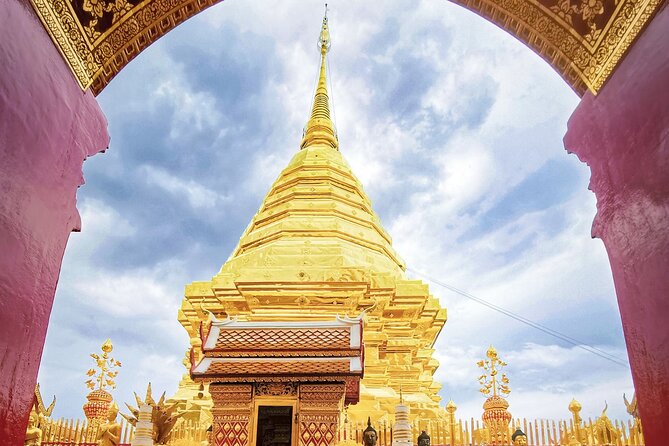
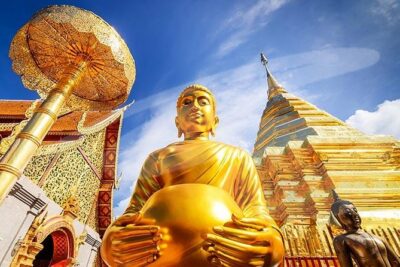
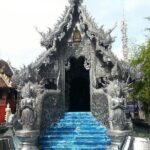
Stop 3 is the main event: Wat Phra That Doi Suthep, near the top of Doi Suthep mountain. You’ll have about 1 hour 30 minutes here, which is a good amount of time for both temple wandering and waiting for the atmosphere to build.
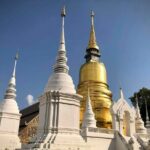
This is also a place of worship, not just a sight. The temple dates back to the year 1373, when the first chedi was built, and you’ll feel that continuity as you move through the grounds. Even if you’ve seen Doi Suthep before, the late-afternoon timing can change how it feels—especially for the moments tied to monks.
The big ticket moment is watching monks chant. Several reviews specifically mentioned that monks chant around 6pm, and guides like Nan and Peter were praised for positioning groups well so the chanting was visible and the meaning was explained. You should expect your guide to set you up for viewing, then talk through what you’re seeing so it’s more than just a cool photo opportunity.
You’ll also get viewpoint time at Doi Suthep, and the sunset angle is one of the reasons this afternoon schedule works so well. The view isn’t just pretty—it’s a reminder that these temples were always built with both devotion and geography in mind.
Private transport and guide value: why this feels worth it
Let’s talk value, because this kind of tour can either be “nice but pricey” or genuinely efficient. Here, the price is $81.24 per person for a private, air-conditioned ride, plus a licensed English-speaking guide and admission tickets included for the three temple stops.
That combination is what makes it practical. If you tried to piece this together with taxis or tuk-tuks, you’d likely spend time negotiating rides up the mountain and back, and you’d still be missing the guide explanations that make the temples click.
The private part is also real. Reviews praise guides such as Noom, Nikki, Bonnie, Fa, Linda, Gobi, and Gobi-style storytelling for culture and temple history, with people noting that the guides helped manage time at each stop. Your guide can personalize pacing—more time to look, less time when you’re ready to move, extra focus when chanting approaches.
One more logistic note: pickup is available for hotels in Chiang Mai city. If your hotel is outside the city area, pickup may not be included, so it’s worth checking so you’re not surprised.





What to expect at each stop (and how to plan your time)
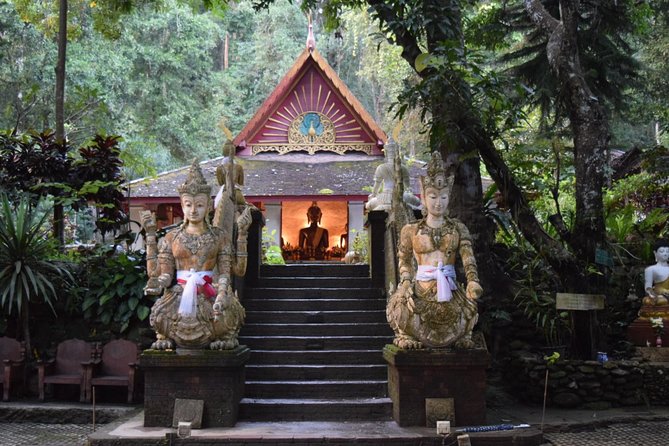
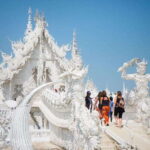
This tour is built around short, focused visits: 45 minutes at Wat Umong, 30 minutes at Wat Pha Lat, and 1 hour 30 minutes at Wat Phra That Doi Suthep. That pacing keeps you from getting temple-fatigue, but it also means you’ll want to come ready to walk and climb a bit.
At Umong, give yourself permission to slow down. The tunnel setting rewards calm observation, not a sprint with your phone held high the whole time. At Wat Pha Lat, keep your expectations flexible: it’s not trying to steal the show, it’s there to make your route feel complete. At Doi Suthep, plan on being a little patient for chanting and view time, since timing can build over the late afternoon.
If you’ve visited Doi Suthep earlier in the day, this still makes sense. One review specifically noted that an afternoon visit added more to what they’d already seen earlier, especially around the chanting and viewpoint timing.
Dress code and practical tips for a smoother temple visit
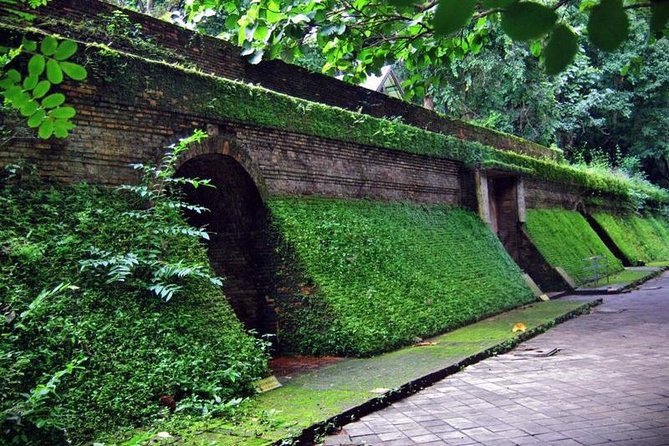
Temple visits in Thailand are easier when you dress for respect and comfort. The suggested dress code here is simple: a T-shirt with short sleeves and long trousers is perfect for this temple tour.
Also think about footwear. Even if the itinerary doesn’t spell out steps, Doi Suthep area grounds usually involve uneven surfaces and stairways. Comfortable walking shoes beat sandals if you want fewer distractions.
Bring a light layer too. Late afternoon can feel warm, but hillside weather changes quickly when you’re near mountain terrain. And yes—this tour includes drinking water in the car, which helps you avoid that small but annoying scramble to buy bottles mid-route.
Who should book this private Umong and Doi Suthep tour?
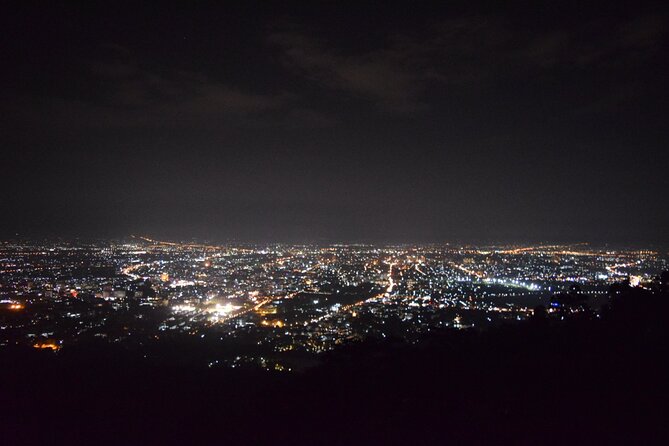
Book this if you want an afternoon temple circuit that feels thoughtful, not rushed. It’s especially good for you if you care about Buddhist practice and temple context, since your guide is there to explain what you’re seeing—often including practical, spiritual details tied to the chanting moment.
It’s also a strong choice if you dislike crowds. The whole point includes getting away from Chiang Mai’s busier temple scenes by hitting Wat Umong and Wat Pha Lat plus returning to the Doi Suthep area at a calmer time of day.
Consider skipping or adjusting if you want only “top sites.” This tour includes three temples, so you won’t get a long, uninterrupted deep soak at just one location. If you prefer spending hours at a single place, you might choose a full-day option instead.
Should you book this private half-day Umong and Doi Suthep tour?
If you want a smart, private route with admissions handled and a guide who can translate the temple experience into something you can actually understand, I’d say yes. The biggest win is the late-afternoon timing plus monk chanting visibility—especially around 6pm—with guides praised for positioning and clear explanations.
I’d book it if your ideal afternoon includes one calmer tunnel temple, one quieter stop on the way, and one grand finishing scene at Doi Suthep with chanting and views. Just come dressed right, plan on some walking, and be flexible if meditation needs a quieter corner rather than inside a tunnel during a busier moment.
FAQ
FAQ
What time does the tour start?
The start time is 2:30 pm.
How long is the tour?
Plan for 4 to 5 hours total.
Is this a private tour?
Yes. It’s a private tour, meaning only your group participates.
Which temples are included?
You’ll visit Wat Umong, Wat Pha Lat, and Wat Phra That Doi Suthep.
Are admission tickets included?
Yes. Admission tickets are included for each temple stop mentioned.
Do I get hotel pickup?
Pickup is offered from hotels in Chiang Mai city. Pickup may not be available for hotels outside the city area.
Is transportation provided?
Yes. You get private transport in an air-conditioned van or car with a licensed driver.
Will the guide speak English?
Yes. The tour includes a private English-speaking tour guide with a TAT license.
Can I meditate at Wat Umong?
There is an option to practice meditation at Wat Umong, though the experience may vary depending on conditions at the tunnel area.
What should I wear to the temples?
The recommended outfit is a T-shirt with short sleeves and long trousers.
Do I need to share passport details when booking?
Yes. You must provide the passport name, number, expiry, and country for all participants at booking.