REVIEW · CHIANG MAI
We Cook Thai Home Garden Cooking School
Book on GetYourGuide →Operated by We Cook Thai Home Garden Cooking School · Bookable on GetYourGuide
Thai cooking, done the hands-on way.
I love that this class starts with a real local market visit with Mem (the owner) and his passion for Thai flavors, then you cook with what you just learned to spot and choose. I also love the pacing and support from Mam, who guides you step by step and keeps the atmosphere calm, even if you’ve never held a wok before. The one possible drawback is that you should come hungry—between the market snacks and the amount you’ll cook and eat, you might struggle if you eat a big breakfast first.
You can choose a morning or evening session, and the format is designed for different skill levels without making anyone feel behind. Expect a small, friendly group feel and a proper sit-down meal after the cooking, not just a quick tasting.
In This Review
- Key Things I’d Plan Around
- The Big Idea: Cooking Thai Food From the Ground Up
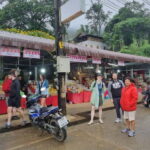
- Mem and the Market: Why This Part Matters
- Getting to Mam’s Home Kitchen (And What the Setup Feels Like)
- Your Cooking Class: Choosing Dishes and Cooking Multiple Courses
- One Wok Per Person: Why That’s a Big Deal
- The Role of Mam: Patient Energy and Real Instruction
- What You’ll Eat: A Proper Meal, Not a Tiny Tasting
- Don’t Eat Too Much Before You Go
- Vegetarian Option: How Flexible Is It?
- Timing and Transportation: Morning vs Evening
- Who This Class Is Best For
- The Height Rule (And the Visitor Option)
- Cost and Value: Why This $32 Class Feels Fair
- Should You Book We Cook Thai Home Garden Cooking School?
- FAQ
- How long is the cooking class?
- Is there a morning or evening option?
- Do I get English instruction?
- What’s included besides the cooking?
- Will I have my own cooking station?
- What if I’m under 120 cm tall?
- Is pickup and drop-off provided?
Key Things I’d Plan Around
- Market-first learning: you shop, smell, and understand key ingredients before the first pan hits heat
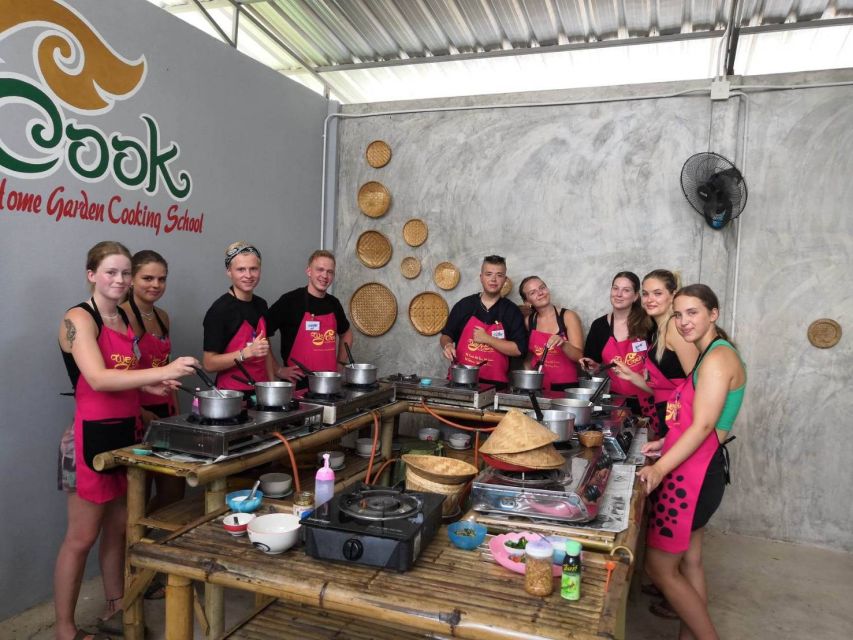
- One person, one wok: less waiting, more doing
- Six-category choice (with 5-course-style results): you pick dishes from categories, and the final meal is usually a multi-course set
- Mam’s calm, patient teaching: clear instructions plus lots of individual help
- Garden home setting: a clean cooking space and a separate dining area, plus a bit of nature
- Vegetarian option: available without feeling like an afterthought
The Big Idea: Cooking Thai Food From the Ground Up
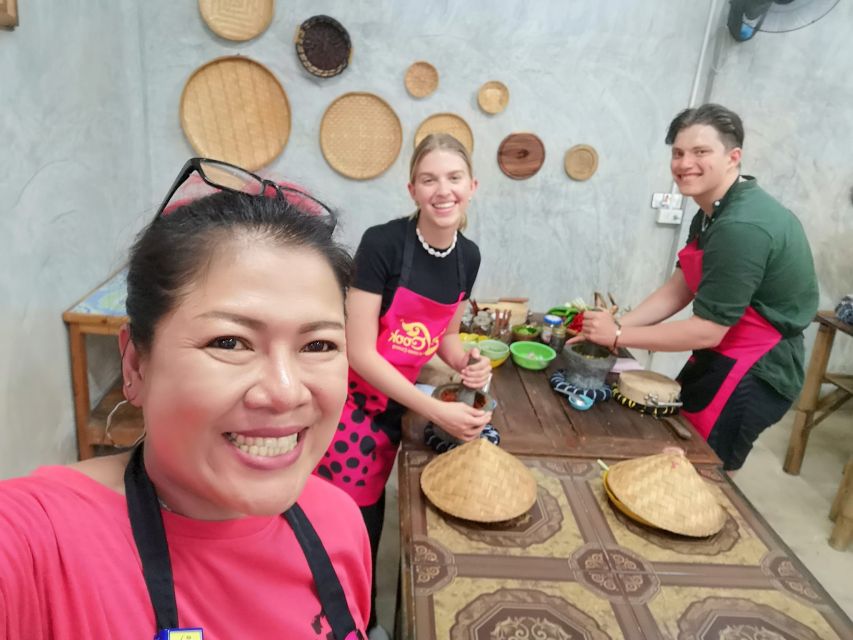
This cooking school is built around one simple idea: you don’t truly learn Thai cooking from recipes on paper. You learn it from ingredients, timing, and the way Thai flavors snap together.
That’s why the experience begins in a market with Mem. You’ll walk among vendors, learn what spices and produce actually are, and practice noticing the ingredients that show up again and again in Thai cooking. Then you move to Mam’s home kitchen to cook from scratch with the ingredients you selected.
The other key piece is the class structure. You’ll choose dishes from multiple categories (the experience is described as 6-category meals), and you’ll cook enough food to sit down and really eat as part of the lesson—not just taste one bite and leave. For most people, it turns into a full, satisfying meal you can’t replicate easily by yourself on vacation.
You can also read our reviews of more cooking classes in Chiang Mai
Mem and the Market: Why This Part Matters
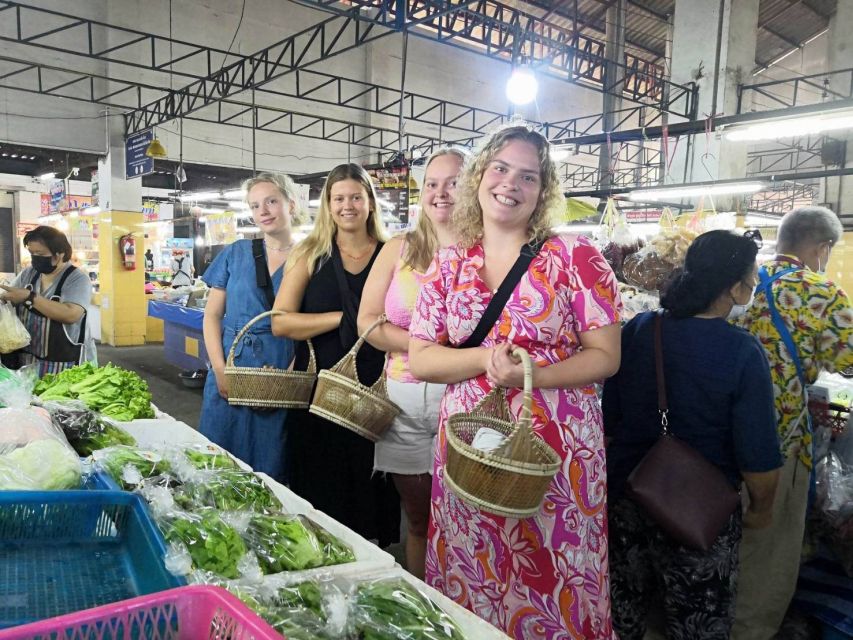
The market stop is not random sightseeing. It’s the “why” behind the cooking.
With Mem, you interact with vendors and learn what makes Thai ingredients work—especially the spices, herbs, and fragrant produce that can look similar until someone shows you what to look for. Several participants specifically pointed out how helpful it was to learn to identify ingredients and understand how they’re used for flavor, not just how to pronounce their names.
Practical tips if you want to get the most from the market:
- Go with a curious mindset and ask what each ingredient does in a dish. That’s where the learning sticks.
- Treat it like ingredient training. If you can spot the same herb in multiple recipes, you’ll cook with more confidence later.
- If you’re sensitive to strong smells, you can still do it, but know that spices and herbs will be in your face (in a good way).
Getting to Mam’s Home Kitchen (And What the Setup Feels Like)
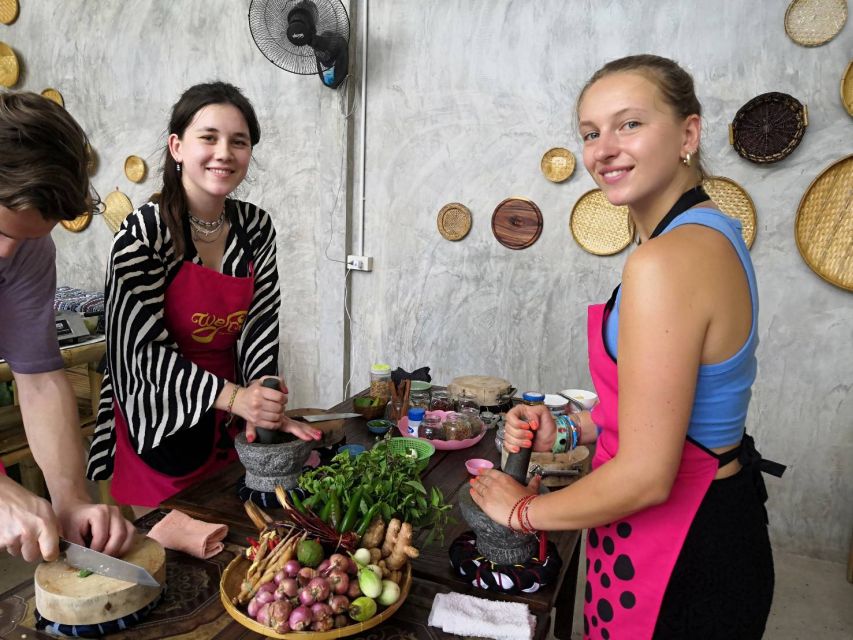
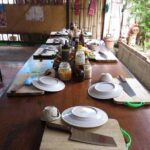
After the market, you head to the cooking space at Mam’s home. The setting is part of the experience: a garden kitchen vibe, with a separate dining area so you can enjoy your meal properly after cooking.
I like this design because it reduces the “cooking scramble” feeling. Instead of eating standing up or rushing through your food, you get a real sit-down moment. In the reviews, people also mention that the kitchen is clean and well run, and the atmosphere stays friendly and not stressful.
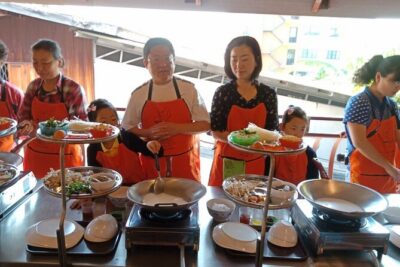
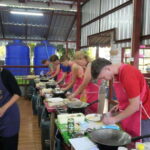
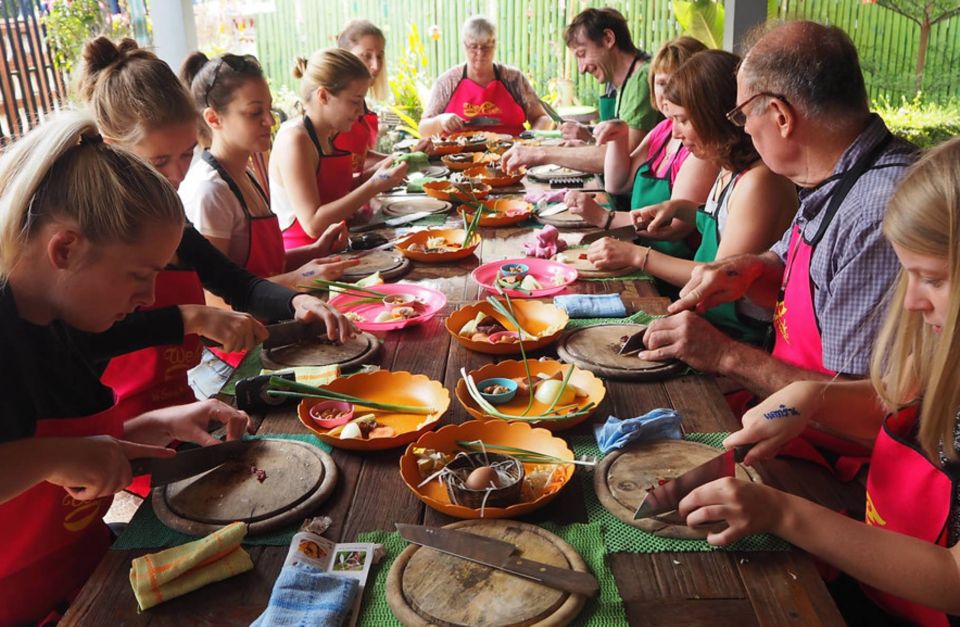
One detail I especially like for practical reasons: the teaching is structured so you’re not just watching a demo. Many participants said they did most of the cooking themselves, with Mam stepping in when needed. If you’ve ever been in a class where the instructor does the work and you stir once, you’ll be relieved here.
Your Cooking Class: Choosing Dishes and Cooking Multiple Courses
Here’s how it works in plain terms. You select your dishes from categories during the class. The experience is described as a 6-category setup, and it’s presented as choosing one dish per category. In real-world reports, many people describe the result as a multi-course meal that often lands around a 5-course set (starter/soup/curry/main/dessert style).
Either way, the takeaway for you is the same: you’re not cooking one small dish. You’re cooking several dishes, and you leave full. Multiple people emphasized how much food they made, with some taking leftovers away, and others even taking mango sticky rice home.
Also, the class is designed for beginners and experienced cooks alike. One of the consistent compliments is that Mam adjusts her help to the group. You get step-by-step guidance, but she also builds understanding—why you add things when you add them, what texture or smell to watch for, and how Thai flavor balances work.
One Wok Per Person: Why That’s a Big Deal
You’ll have 1 wok/person, plus ingredients provided. For cooking classes, this matters more than you’d think.
When each person has their own wok:
- you spend more time cooking and less time waiting
- you learn faster because you feel heat, timing, and texture directly
- it’s easier to ask for help without pausing the whole group
In short: it turns the class from a passive food show into real skill-building.




The Role of Mam: Patient Energy and Real Instruction
Mam is the heart of the experience. The most repeated theme across participant feedback is her patience, her energy, and her ability to teach without judgment.
People also mention that she:
- guides you through each step
- stays responsive to questions
- makes sure everyone is involved
- explains ingredients and cooking decisions clearly
If you’re traveling with kids, cooking for the first time, or just worried you’ll slow the group down, that matters. Reviews mention that even people with little to no cooking background left feeling capable and proud of what they made.
What You’ll Eat: A Proper Meal, Not a Tiny Tasting
One of the best surprises in this setup is the meal quality and quantity. You’ll sit down and eat what you cooked. Many people said the food was among the best they had in Thailand, which isn’t something I say lightly.
You might cook dishes like those repeatedly mentioned in participant notes, including options such as:
- Thai dishes with curry components (including Massaman curry paste and curry in one report)
- noodle soup styles
- fried rice like Khao Pad Gai
- papaya salad
- spring rolls
- mango sticky rice
Even when you don’t choose those exact dishes, the pattern holds: you’ll cook classic Thai flavors and leave satisfied, sometimes with boxed leftovers.
Don’t Eat Too Much Before You Go
If there’s one timing rule you should follow, it’s this: come hungry. Multiple participants explicitly warned that skipping breakfast helps. Between multiple dishes you cook and the meal you eat after, you’re looking at a full half-day feeding.
Vegetarian Option: How Flexible Is It?
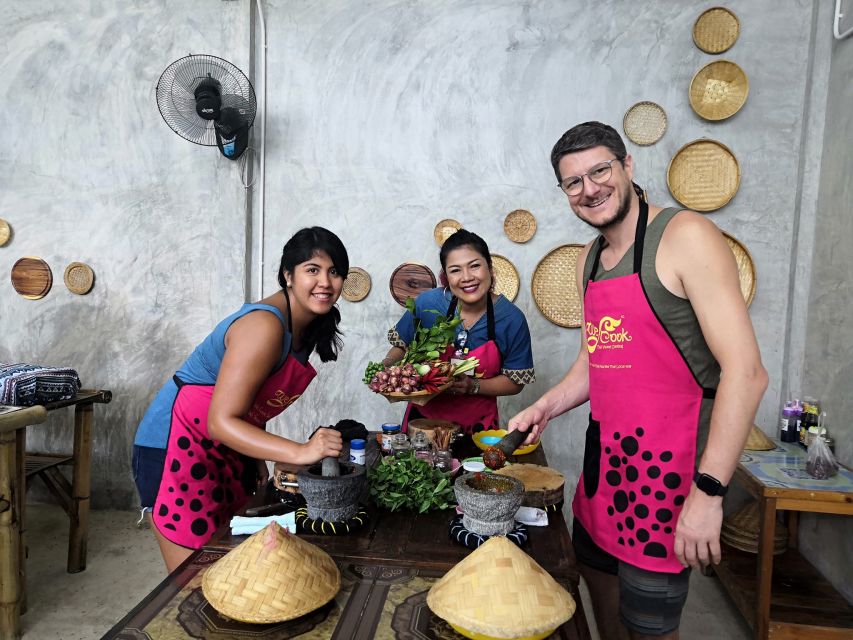
A vegetarian option is available. Some participants specifically mentioned that Mam found alternatives for vegetarian needs, so it doesn’t feel like a last-minute switch.
What I’d do as you plan: when you book, confirm your dietary preferences (especially if you’re vegetarian vs. vegan). The key point from the provided info is that vegetarian is supported, so you shouldn’t need to fear being stuck with plain sides.
Timing and Transportation: Morning vs Evening
You can pick either a morning or evening class. The class runs about 270 minutes (5 hours).
Evening course pickup is clearly stated: pickup time is 4:00 pm–4:30 pm. If you’re doing morning, you’ll need to check availability for the start time, since specific morning timing isn’t listed here.
Transportation is included as free pickup and drop-off within a 3 km radius from Chiang Mai downtown. Practically, this is huge: it keeps the day from turning into a mini transportation puzzle.
Who This Class Is Best For
I think this experience is strongest for:
- first-time Thai cooks who want confidence, not just recipes
- food lovers who enjoy ingredient learning as much as eating
- couples, friends, and small groups who like an intimate feel
- travelers who want a hands-on class with real meal payoff
It’s also reported to be good for families—there’s even an option for kids under the height requirement to join as a visitor.
The Height Rule (And the Visitor Option)
This is important if you’re traveling with shorter kids or you’re worried about safety around the equipment.
- Participants must be at least 120 cm tall due to the height of the wok.
- If you’re under 120 cm (or you want to accompany a child), you can join as a visitor. The visitor price is THB300/person, and you’ll get free 2 dishes in the cooking course.
So if you’re planning with children, factor this in early so you don’t lose time or pay surprises later.
Cost and Value: Why This $32 Class Feels Fair
The price is listed as $32 per person for roughly 5 hours, and the value comes from what’s included, not just the lesson.
Included elements that add up:
- English guide
- local market tour
- welcome snack or fruit in season
- 1 person/1 wok, with ingredients provided
- cook book and certificate
- free transportation to/from your residence within 3 km of Chiang Mai downtown
- vegetarian option
When you compare that to other cooking classes that only provide a tasting or that make you pay extra for ingredients, this one looks like a straightforward deal. You’re paying for time, instruction, ingredients, and the full meal experience.
The only “cost consideration” is your appetite. If you eat a big meal before class, you might feel uncomfortably full near the end. That’s not a downside of the class—it’s just how the format is designed.
Should You Book We Cook Thai Home Garden Cooking School?
If you want Thai food learning that feels practical, hands-on, and centered on ingredients, I’d book it. This class earns its high marks because Mam teaches clearly, the market component makes the cooking make sense, and you genuinely cook and eat a lot.
Book it if:
- you’re excited to learn what’s in Thai cooking, not just how to recreate one dish
- you like small-group, guided instruction
- you want a half-day activity that delivers a full sit-down meal
Skip it (or plan differently) if:
- you hate any strong spice and herb aromas at a market
- you want a light snack-only activity
- you’re traveling with someone under 120 cm who can’t participate as a participant (though the visitor option exists)
If you’re in Chiang Mai and you’ve been wondering how to understand Thai flavors beyond street food, this is one of the most direct ways to get there in a single afternoon.
FAQ
How long is the cooking class?
The experience runs about 270 minutes, roughly 5 hours.
Is there a morning or evening option?
Yes. You can choose either a morning or evening class.
Do I get English instruction?
The instructor/guide is listed as English.
What’s included besides the cooking?
It includes a local market tour, a welcome snack or seasonal fruit, all cooking ingredients, a cook book, and a certificate. Vegetarian option is also available.
Will I have my own cooking station?
Yes. The class includes 1 person per wok, so you’re not just watching.
What if I’m under 120 cm tall?
Participants must be at least 120 cm due to wok height. If you’re under 120 cm, you can join as a visitor for THB300/person, and that includes free 2 dishes in the cooking course.
Is pickup and drop-off provided?
Pickup is included for the evening course, and transportation is free within a 3 km radius from Chiang Mai downtown.