REVIEW · CHIANG MAI
Chiang Mai: Cooking Class with Organic Farm at Mama Noi
Book on GetYourGuide →Operated by Mama Noi Cookery School · Bookable on GetYourGuide
Thai food starts with one great ingredient hunt. In Chiang Mai, Mama Noi Cookery School turns that hunt into an afternoon that mixes a local market visit with cooking at an organic farm—then you sit down to eat what you made. Guides like Nook and Pam are mentioned for their energy and clear instruction, and the whole thing runs with English support.
I particularly like the hands-on rhythm: you pick ingredients, tour the garden, then cook at your own station with assistants moving fast to reset tools for the next dish. I also like the “build your meal” approach, because you choose from a set list (people often end up making combos like soup, stir-fry, curry, plus mango sticky rice and Thai milk tea).
One consideration: the class is designed for speed in about 4 hours, so if you want ultra-deep fundamentals, you may feel the time is a bit tight.
In This Review
- Key things to know before you go
- Why Mama Noi’s organic farm changes the whole cooking class
- Getting there: pickup, a local driver, and a tight 4-hour window
- Market walk in Chiang Mai: learn ingredients by seeing them first
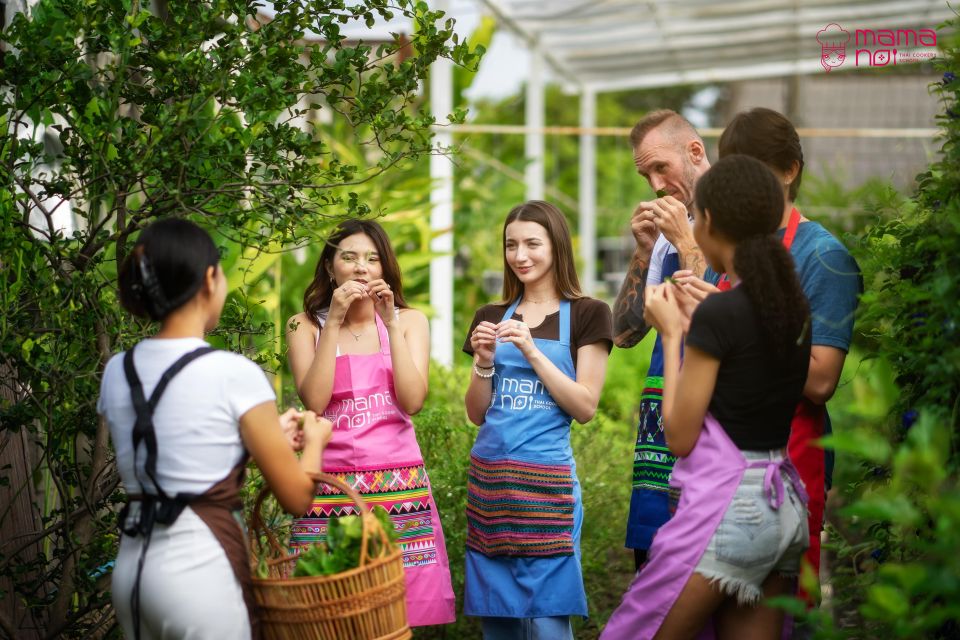
- The organic garden tour: tasting, learning, and getting your hands ready
- Cooking at your station: how five Thai dishes actually come together
- You choose your menu (and that changes everything)
- Dietary needs
- The meal you made: what sitting down really feels like
- Cookbook and certification: the take-home part that matters
- Price and value: why $32 feels fair for what’s included
- Who should book this cooking class in Chiang Mai
- One caution: what the 4-hour format may feel like
- Should you book Mama Noi with the organic farm component?
- FAQ
- How long is the Mama Noi cooking class experience?
- What do I actually cook during the class?
- Is hotel pickup and drop-off included?
- Is this experience suitable for kids?
- Can I bring a visitor who won’t cook?
- Is alcohol included in the price?
Key things to know before you go
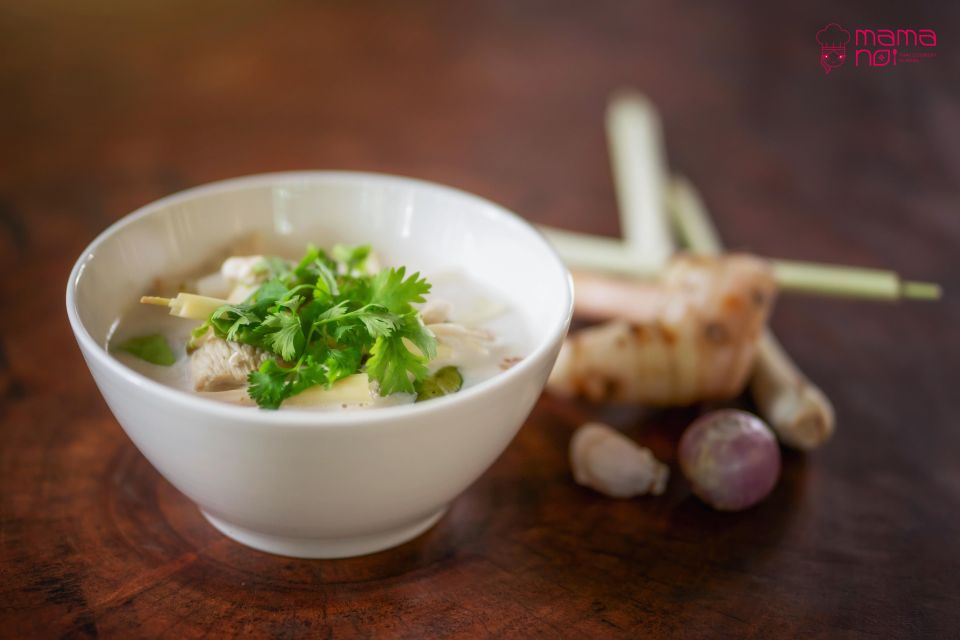
- Organic garden ingredients: you cook with vegetables grown at Mama Noi
- Market-first approach: you learn Thai ingredients by seeing them up close
- Chef-led, hands-on cooking: you cook multiple dishes from scratch, not watch-only
- Pick your own menu: you choose dishes from options offered in class
- Well-run kitchen flow: assistants keep stations moving so you don’t waste time
- Take-home recipe booklet and certification: you leave with a souvenir you can actually use
Why Mama Noi’s organic farm changes the whole cooking class
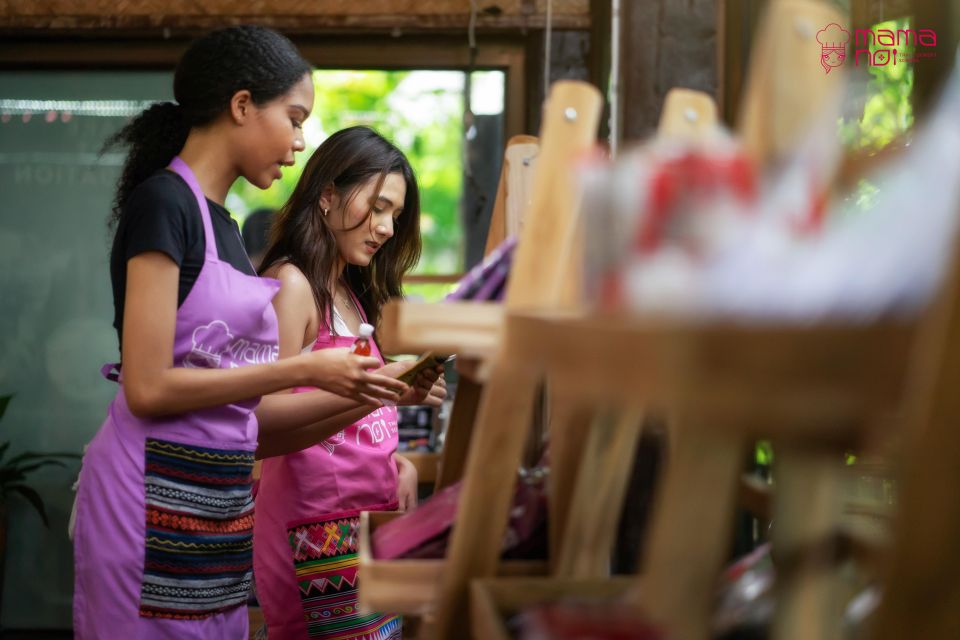
Most cooking classes in Chiang Mai teach recipes. Mama Noi also teaches context. When you start with their organic garden and then cook with those ingredients, the flavors make more sense. You’ll notice how different herbs and vegetables behave when you actually chop, stir, and taste them in the dishes you’re making.
The farm-side experience is practical, not just scenic. You get a garden tour, you may taste plants directly, and you learn what gets used and why. One small detail that shows the place has personality: pet tortoises show up in the garden experience, which makes the whole stop feel like you’re visiting a working Thai food space, not a staged photo spot.
You can also read our reviews of more cooking classes in Chiang Mai
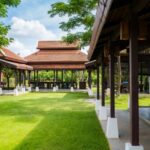
Getting there: pickup, a local driver, and a tight 4-hour window
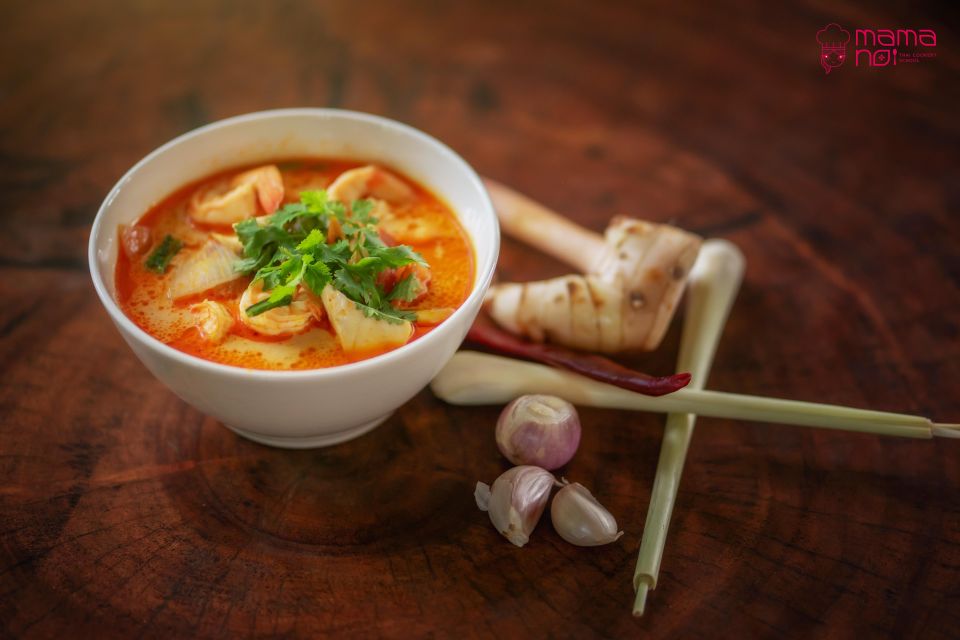
This experience is built around convenience. Your package includes hotel pickup and drop-off from the Chiang Mai city area plus a local driver. That matters because cooking classes can be time-wasters if you’re stuck navigating taxis while hungry and excited.
The total time is listed as 4 hours, which is a big deal for planning. You’re not signing up for a half day of wandering and then cooking at the end. You’ll move through market and farm stops, then into the kitchen at a steady pace, then finish with your meal. Bring comfortable clothes and expect to be in an active mode—there’s chopping, cooking, tasting, and then eating.
Small groups are offered, and instruction is in English. You’re not competing for attention, and you’re not stuck watching other people cook while you hope your station isn’t next.
Market walk in Chiang Mai: learn ingredients by seeing them first
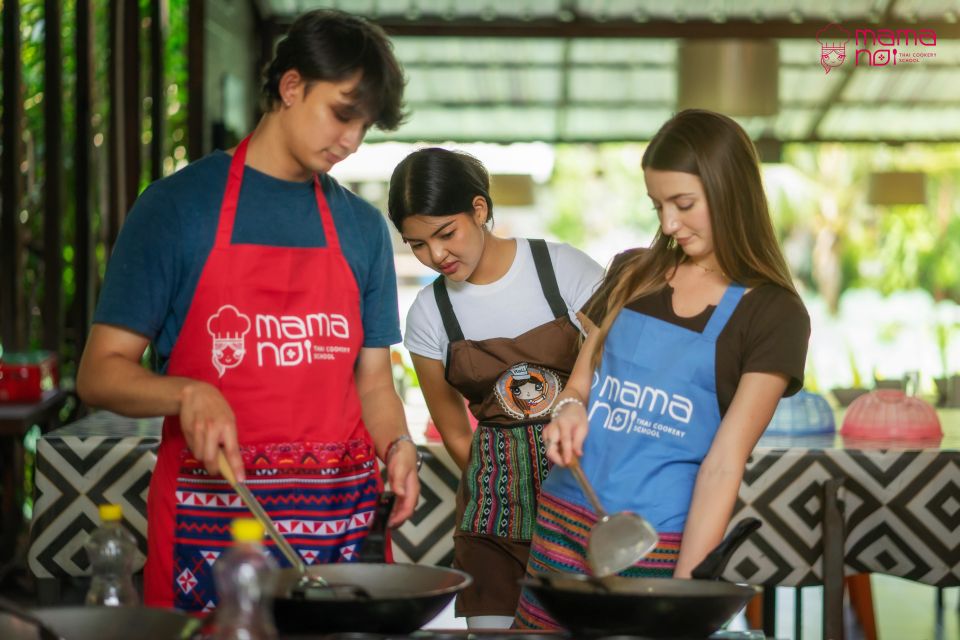
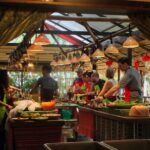
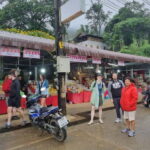
The market visit is where the class stops being abstract. You go out with the guide, and you get a feel for how Thai ingredients show up in real life—fresh produce, aromatics, and the kinds of items that will later turn into flavor in your dishes.
This is also where I think you’ll benefit most, even if you’ve cooked before. When you see herbs and vegetables in the same way Thai cooks shop, you start recognizing what matters. It’s not only about the ingredient names—it’s about picking quality and understanding what a cook is trying to achieve when they choose something specific.
Expect time to wander during part of the market experience. People describe it as more local than the overly tourist-focused markets, which is exactly the point: you want your cooking class to connect to how food is actually gathered in Chiang Mai.
The organic garden tour: tasting, learning, and getting your hands ready
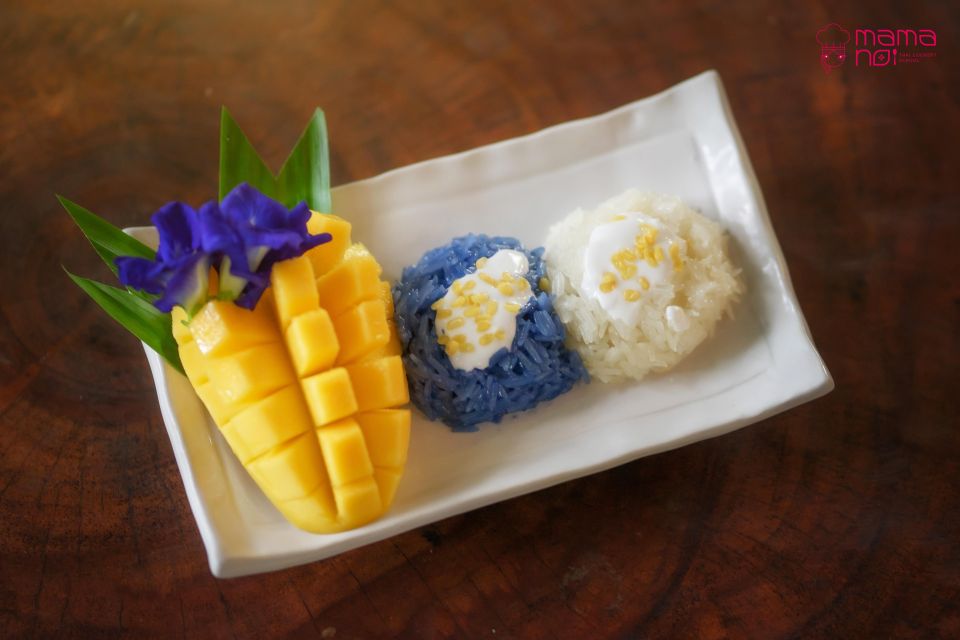
At Mama Noi, the garden visit isn’t just a walk past plants. It’s a guided look at how ingredients are grown and how they land on menus. This is where the “organic farm” part becomes real for your cooking.
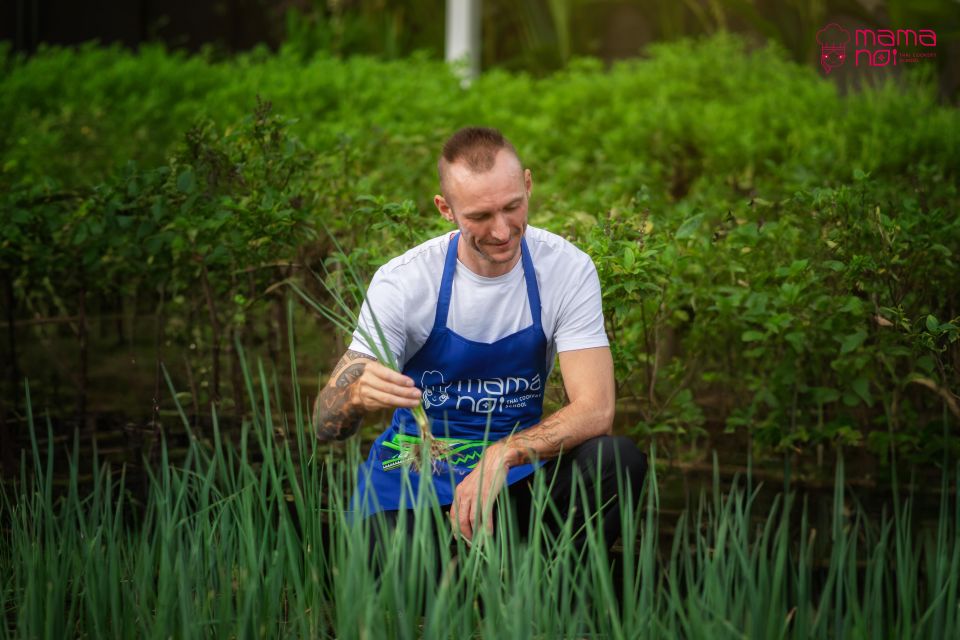
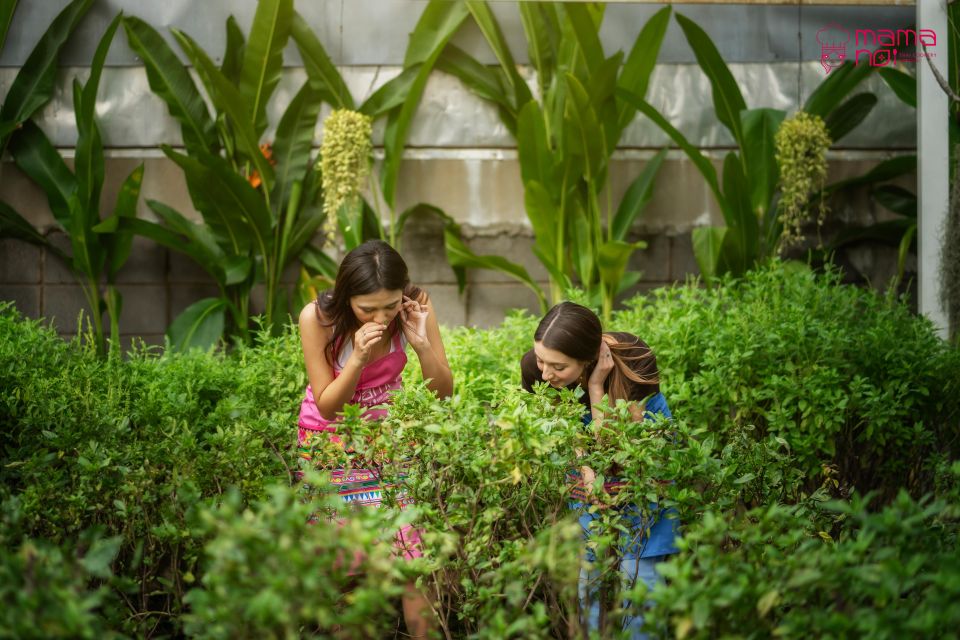
You’ll spend time in the garden and you can taste some herbs and vegetables straight from the plants. You may also get little moments that make the place memorable, like the tortoises. And because you’re doing this before cooking, you’ll remember what you tasted when it shows up later as part of your dish.
If you’re sensitive to heat, look for an option for an air-conditioned room. At least one participant said it was worth it, especially if you want to cool down before you start cooking in earnest.
Cooking at your station: how five Thai dishes actually come together
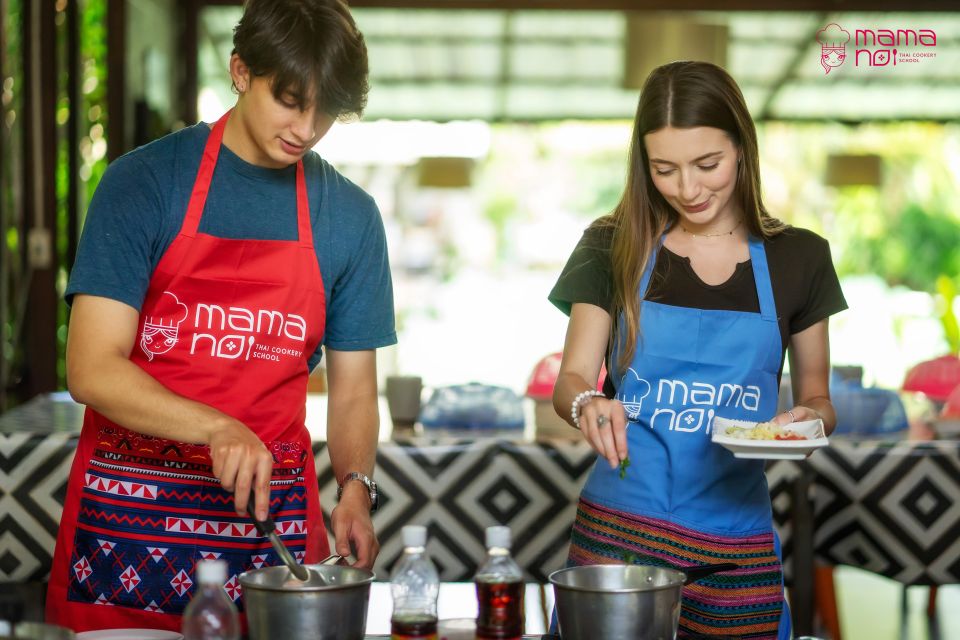
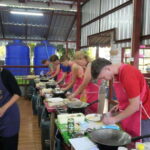
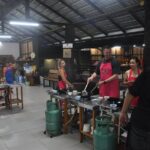
Now the main event: you cook. The class is guided by a local chef/instructor and it’s hands-on from scratch. You make and prepare five authentic dishes—and in practice, that often plays out as a mix of dishes like a soup, a stir-fry, a curry, plus sides such as mango sticky rice and Thai milk tea.
Here’s what I love about the teaching style: it’s not just “do this, add that.” You learn techniques and the role of key ingredients. You’ll hear about Thai cooking methods and the cultural background behind what you’re making. Then you do the work—chopping, mixing, cooking—at your own station.
Cooking stations are set up so you can keep moving. Assistants clear utensils quickly between dishes, which makes the whole thing feel efficient rather than chaotic. Several people note that the workflow is organized and that it’s easy to follow, even when it’s your first time making Thai food.
You can also read our reviews of more tours and experiences in Chiang Mai

You choose your menu (and that changes everything)
You don’t end up locked into one fixed menu. You pick from options on a set list. Some people mention choosing three items out of multiple options (for example soup + stir-fry + curry), then the spread expands into the full meal with sticky rice and Thai milk tea.
That choice is a big value point. If you love spice, you can pick dishes that fit your taste. If you want classics, pick the ones that sound most familiar and then adjust to your preference during cooking. And because everyone cooks the same core techniques, you still learn a broad set of skills.
Dietary needs
Some participants report that dietary needs were catered for. If you have a specific allergy or restriction, tell the team clearly ahead of time when possible.
The meal you made: what sitting down really feels like
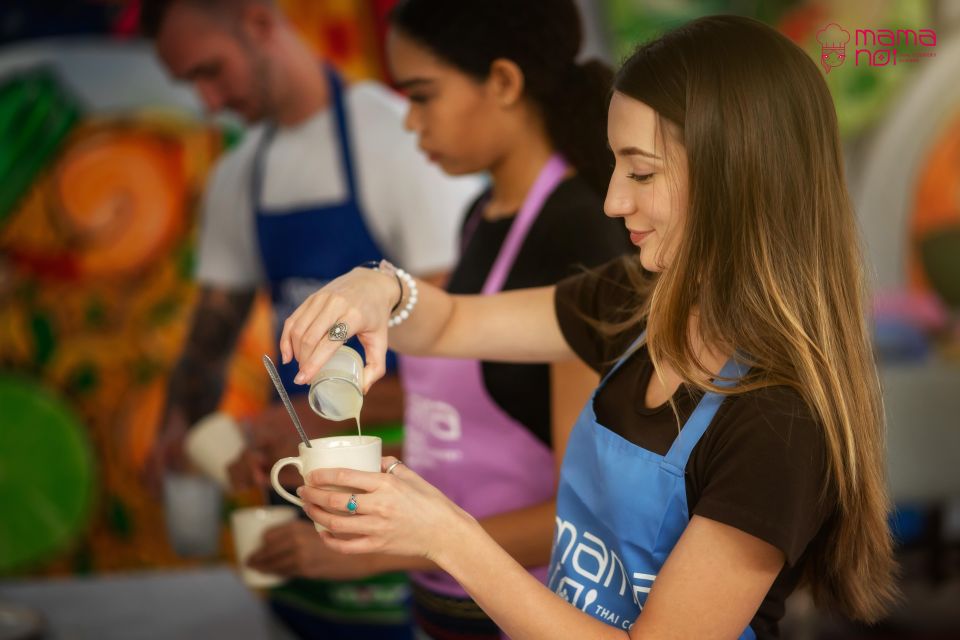
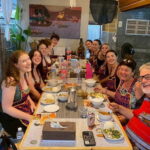
After the cooking, you eat. This isn’t a “here’s a few bites” situation—one reason people rave about this class is that you get a full meal made by your own hands, and you leave satisfied.
Thai meals also come with a lot of variation in flavor: salty, sweet, sour, spicy, herbal. When you’ve built it from scratch, you’ll taste the differences more clearly. It’s also the moment when cooking skills turn into confidence—if you can make one stir-fry and one curry well here, you can reproduce the process back home.
Some participants mention that leftovers can be packed in a to-go container. If you think you’ll want that, ask during the meal when you’re ready to wrap up.
Cookbook and certification: the take-home part that matters
You get a cookbook/recipe booklet with the recipes you made during class. That’s useful because it turns a fun afternoon into something you can repeat. Instead of guessing when you cook later, you’ll have a reference for the dishes you selected.
You also receive certification after you complete the class. Even if you don’t frame it like a school trophy, it’s a nice sense of closure. You completed the process, not just the tasting.
Price and value: why $32 feels fair for what’s included
At about $32 per person for a roughly 4-hour experience, the price starts looking less like “just a class” and more like a mini cultural food lesson with logistics included.
You’re paying for a bundle:
- Hotel pickup and drop-off within Chiang Mai city area
- Local driver for transport
- Local market visit
- Cooking class with an English-speaking guide/chef
- Organic farm ingredients used in cooking
- Recipe booklet
- Certification
That’s a lot of included value for one set price. The only common out-of-pocket add-on mentioned is alcohol, which is available to purchase but not included.
The best way to judge value here is to compare what you’d otherwise pay for separately: a market guide, cooking instruction, and ingredients plus transportation. Mama Noi bundles it into one efficient afternoon.
Who should book this cooking class in Chiang Mai
This is a strong fit if you:
- want a hands-on cooking experience (not a show-and-taste)
- like the idea of learning ingredients at a market and then cooking with garden-grown produce
- want to leave with a recipe booklet you can use back home
- prefer guided instruction in English
- like structured classes where stations are well managed
It’s especially good for first-time Thai cooks who want a clear pathway: shop, learn, cook, eat. If you already know Thai cooking, you’ll still benefit from seeing how an organic farm kitchen organizes its workflow and what techniques they prioritize.
One caution: what the 4-hour format may feel like
Because the class runs around 4 hours, you’ll move briskly. One participant specifically noted that the experience can feel a bit rushed for learning fundamentals. If your goal is deep theory—why each ingredient behaves a certain way across multiple dishes—you might want to balance this class with at least one more slower food experience in Chiang Mai (like a guided food tour or a more lecture-style cooking lesson).
Should you book Mama Noi with the organic farm component?
I’d book it if you want a fun, well-run Chiang Mai food experience that blends real ingredients with real cooking. The best reasons are simple: you get market context, garden-grown produce, and a guided kitchen session that ends with a meal you cooked yourself. The recipe booklet and certification are just the icing—useful icing.
Skip it if you’re very time-sensitive about “quiet, slow learning,” because this setup is built for efficient cooking in a short window. Also, note that it’s not suitable for children under 10, and non-cooking visitors can join only in limited ways (they can be part of the market, meal, and transportation, but they can’t join the cooking activities).
If you want an afternoon that turns Chiang Mai flavors into skills you can repeat, Mama Noi is a smart choice.
FAQ
How long is the Mama Noi cooking class experience?
The experience runs for about 4 hours, including pickup and drop-off from Chiang Mai city area.
What do I actually cook during the class?
You cook and prepare five authentic Thai dishes from scratch, with ingredient guidance from an English-speaking instructor/chef. The menu is chosen from options offered during the class.
Is hotel pickup and drop-off included?
Yes. Pickup and drop-off from the Chiang Mai city area are included, along with a local driver.
Is this experience suitable for kids?
It’s not suitable for children under 10. Children under 10 can join as accompanying travelers for transportation and a meal, but they can’t participate in the cooking activities.
Can I bring a visitor who won’t cook?
Yes—there’s a limit of one visitor per cooking participant. Visitors can join the market, meals, and transportation, but they can’t participate in the cooking class.
Is alcohol included in the price?
Alcoholic drinks are not included. They are available to purchase.