REVIEW · CHIANG MAI
Chiang Mai Fields of Gold Cycling Tour
Book on GetYourGuide →Operated by Trailhead Thailand · Bookable on GetYourGuide
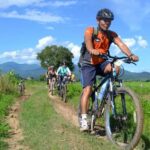
If you like your travel days a little more active, this Chiang Mai cycling tour is a great fit, especially for its Lanna villages and relaxed small-group feel. I love how the route takes you out past the city and into real rural rhythms, and I also like that the bikes and safety gear are taken seriously. One thing to plan around: the famous gold rice is strongest between October and December, so if you go earlier (like March), you’ll see brilliant green instead.
What makes it work well in real life is the setup. You get pickup and drop-off at your accommodation, plus a professional guide, lunch, and snacks so you aren’t trying to improvise a full day on the fly.
The one consideration is simple: it’s an 8-hour ride with up to 36 km and some dirt double-track mixed in. Even though it’s suitable for beginners, you should still feel comfortable being on a bike for most of the day.
In This Review
- Key highlights worth knowing
- Why this Chiang Mai cycling tour feels different
- Rice fields and real countryside timing: when the gold actually happens
- The route: 36 km max, 289 m gain, and mixed surfaces
- Small-group comfort: why up to 9 riders is a big deal
- Bikes, safety gear, and support that makes the day easier
- Food and energy: lunch, snacks, and local bites
- Understanding Lanna life beyond the city
- What the 8 hours likely feel like, hour by hour
- The climb and how to pace yourself
- Who this tour is best for
- Value for $64: what you actually get
- Travel tips to make the ride smoother
- Should you book Chiang Mai Fields of Gold Cycling Tour?
Key highlights worth knowing
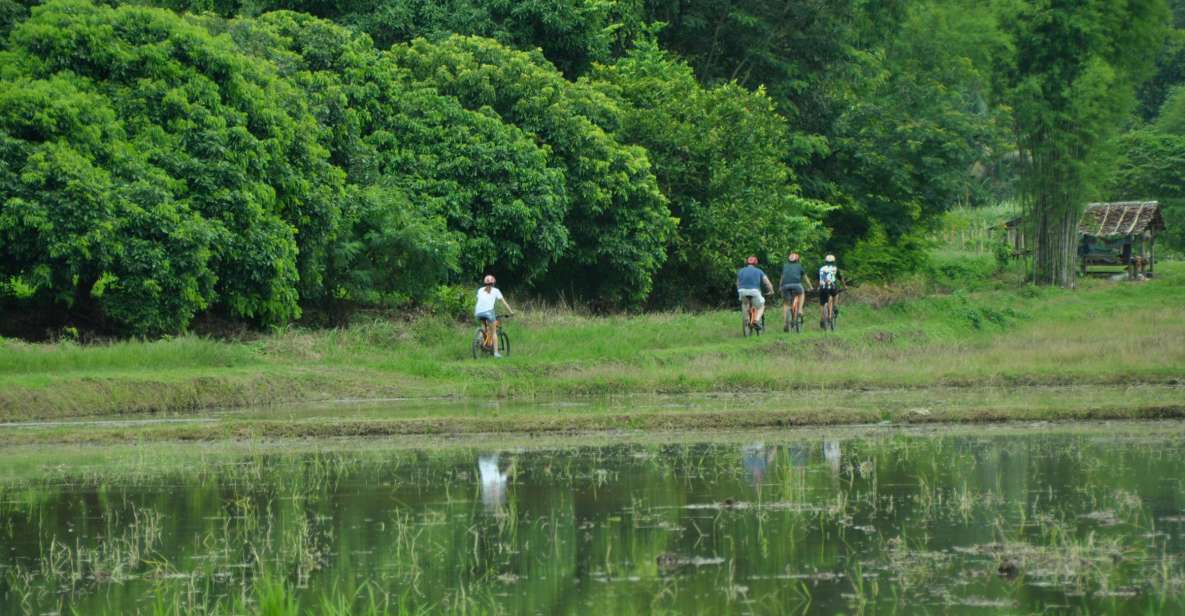
- Small group up to 9 riders keeps things personal and manageable
- Lanna village culture shows up in everyday village life, not just photo stops
- Oct–Dec rice fields shift to gold for the tour’s signature look
- 36 km max with 289 m climbing makes it “doable but real”
- Premium bikes + full safety kit including hydration pack, pads, and helmet
- Support vehicle on hand helps if anything goes sideways
Why this Chiang Mai cycling tour feels different
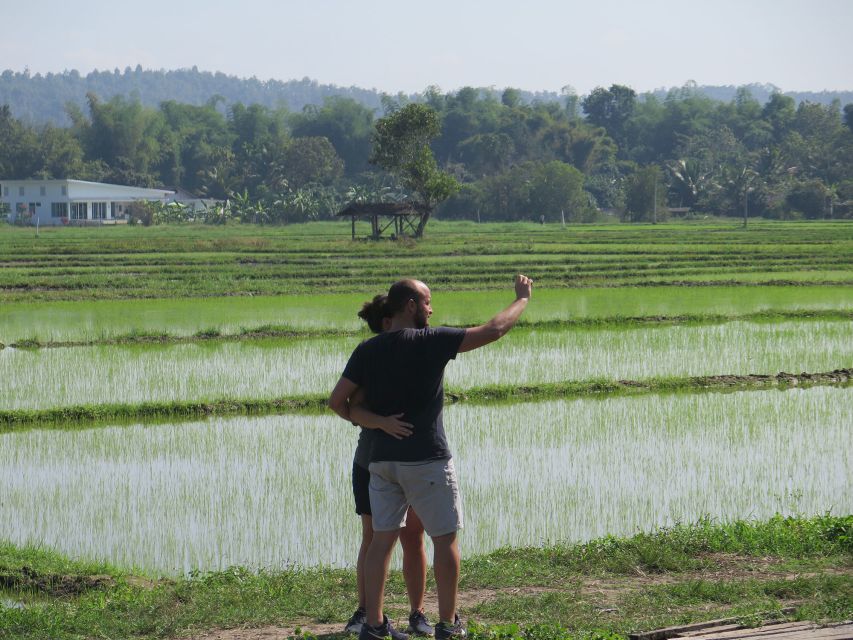
Chiang Mai has plenty to see, but it can also feel stop-and-go. This tour solves that by putting you on a bike for a steady chunk of time, so the countryside becomes the story.
What I like most is that the focus isn’t speed or suffering. You’re riding through rural areas on the outskirts, where Lanna culture comes through in daily life and in the way the land is used. It’s a calmer way to understand a place than rushing from one viewpoint to another.
Also, the “Fields of Gold” promise makes the day feel seasonal. Between October and December, the rice fields turn an iridescent gold color, which is exactly the kind of visual payoff people look for in Northern Thailand. If you miss that window, don’t panic—you can still get beautiful farmland views, just with a greener palette.
You can also read our reviews of more cycling tours in Chiang Mai
Rice fields and real countryside timing: when the gold actually happens
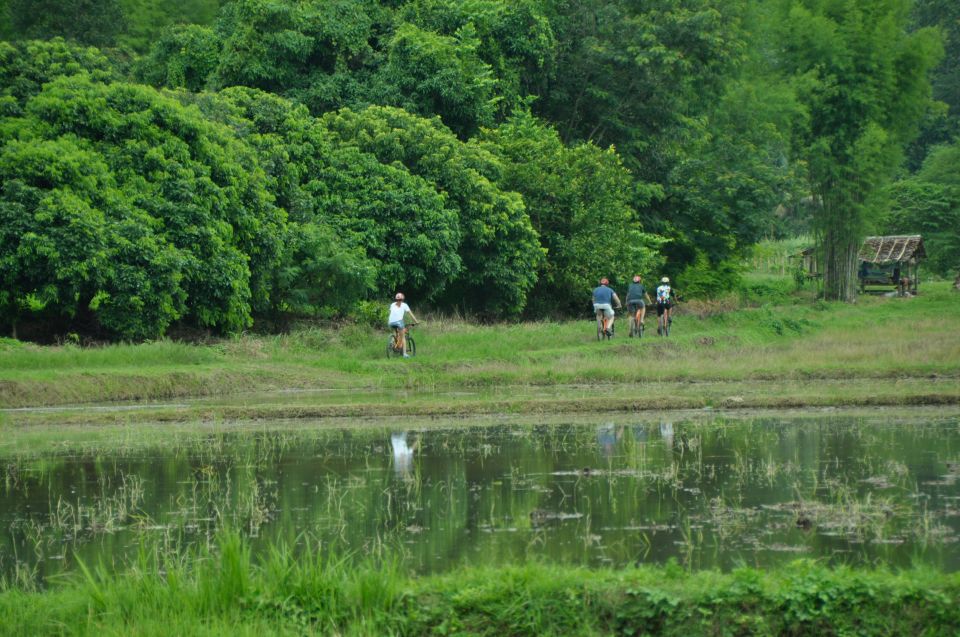
The tour is built around the seasonal look of the rice fields. Between October and December, you get the signature gold tones. It’s the reason this ride has that name and why it sells so well during those months.
If your dates are earlier or later, expect a different mood rather than disappointment. One rider noted that in early March the fields were brilliant green, not gold, but still stunning. That’s the good news: you’re riding through working farmland either way, so there’s plenty to enjoy even when the color isn’t at its peak.
Practical tip: if rice color is your main goal, choose Oct–Dec. If you care more about the ride, the villages, and the overall experience, you’ll still get a great day outside the city.
The route: 36 km max, 289 m gain, and mixed surfaces
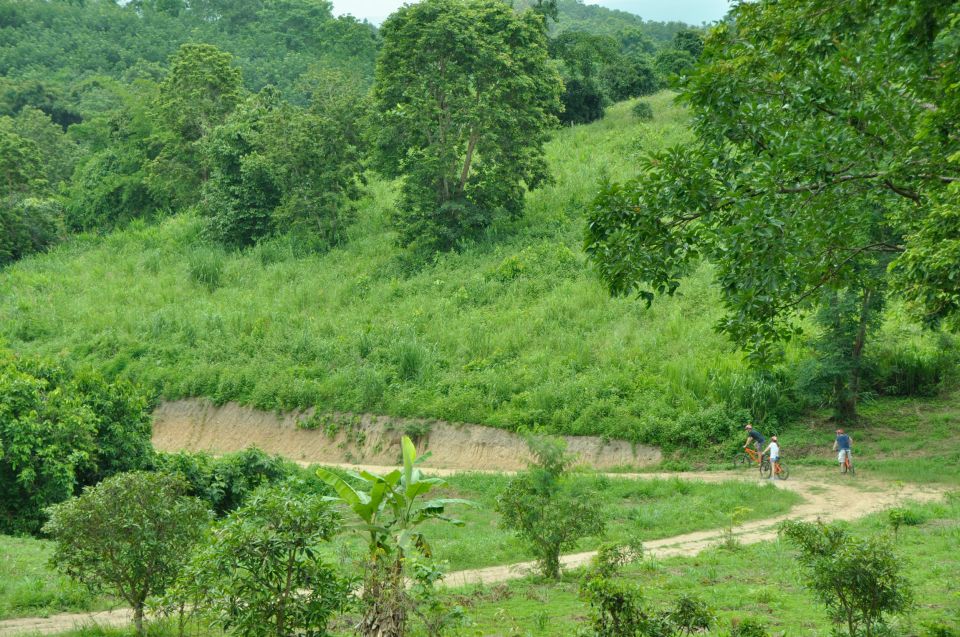
You’ll ride for about 8 hours, with a maximum distance of 36 kilometers and 289 meters of elevation gain. That combination usually lands in a good “moderate effort” zone: enough climbing to feel accomplished, not so much that it turns into a full-on endurance test.
The terrain is a mix of paved road and dirt double-track. This matters because it changes how you ride. On paved sections, you can settle into rhythm. On dirt double-track, you’ll need to pay a little more attention—traction, bumps, and keeping your balance when the surface gets uneven.
The good part is that the tour is described as suitable for anyone, including riders with limited cycling experience. That doesn’t mean you should show up unprepared. It means the pace and support are geared for normal people who ride recreationally.
Small-group comfort: why up to 9 riders is a big deal
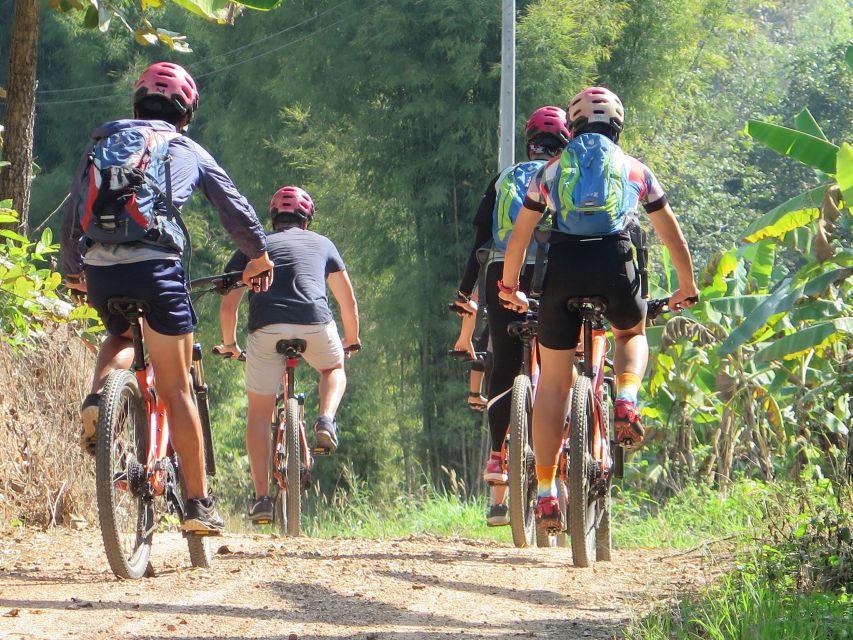
With a maximum group size of 9 participants, this tour stays flexible. You’re less likely to feel lost in a crowd, and it’s easier for the guide to keep track of everyone’s comfort and pace.
For me, small groups also tend to mean fewer awkward gaps—less time waiting around, more time actually moving through the countryside. It’s not just about friendliness. It affects safety and the flow of the day, especially on mixed pavement and dirt.
You’ll also have the advantage of a professional guide who can explain what you’re seeing. Having a guide matters most when you’re riding through rural areas where the “why” of the landscape is not obvious at a glance.
Bikes, safety gear, and support that makes the day easier
This tour provides a premium-quality bike and the gear that keeps you comfortable. You’ll be given a helmet, plus knee pads, elbow pads, gloves, and a hydration pack.
If you prefer extra protection, full-face helmets are available upon request. That’s a thoughtful option if you want more coverage and peace of mind, especially with dirt sections.
Two details that can make or break a cycling day are bike fit and help on hand. The bikes are adjusted for rider size, and there’s also a guided setup with support support available if you need it. In practical terms, that means you’re less likely to spend your ride wrestling an ill-fitting bike or handling small problems alone.




Food and energy: lunch, snacks, and local bites
You won’t be cycling on empty. The tour includes lunch, plus snacks and drinks during the day. That’s a real value point because food is one of the biggest hidden costs of a day trip, and it can also mess with your energy if you end up eating at the wrong time.
There’s also a cultural food angle: you’ll have chances to sample local fruits and snacks along the way. This is one of those “small but memorable” parts of the ride. You’re not just seeing rural life—you’re tasting it too.
If you’re the type who forgets to hydrate, the hydration pack helps. It’s an easy way to stay focused on riding without stopping constantly.
Understanding Lanna life beyond the city
The heart of this tour is the shift into Lanna village life on the outskirts of Chiang Mai. It’s not about turning rural communities into a stage. The real value is that you get to watch everyday routines from a slower pace than a car allows.
Cycling changes your perspective. You’re closer to the ground, you can notice small details, and the day has a natural rhythm. When the group rides together, you also tend to stop more comfortably for photos, fruit tastings, and brief explanations.
The “Lanna culture” element also gives the tour more depth than a scenic ride. You’re not only traveling through countryside; you’re learning how that countryside fits into local life.
What the 8 hours likely feel like, hour by hour
Because the plan is a single continuous ride with breaks for culture and food, the day usually flows like this:
First, you get picked up from your accommodation and settle in with your gear. Once you’re on the road, you spend a good stretch cycling through rural outskirts, where the scenery gradually opens up.
Then you’ll hit moments built for connection—local snacks, fruit samples, and time with your guide as you pass through areas tied to Lanna life. This is where you’ll get context that you can’t get from a map.
Midday tends to be your lunch segment, followed by more cycling. After lunch, you often feel better because you’ve topped up energy, and the rhythm of riding can feel smooth and steady.
By late in the day, you’re back with the same support structure that started with you, and you finish with drop-off at your accommodation. The length is long enough to feel like a true day out, not a quick spin around town.
The climb and how to pace yourself
Even with limited elevation gain, the day includes some uphill moments. You’ll want a steady effort, not a push-and-crash approach.
If you’re new to cycling, aim to keep your breathing controlled and your cadence steady. Dirt double-track can tempt you to sprint for momentum, but that’s where you can tire faster than you expect.
If you’re more experienced, you still won’t want to race the route. This is a guided, cultural ride with moderate distance. Your payoff comes from the pace and the stops, not from hitting personal best numbers.
Who this tour is best for
This is a strong choice if you want an organized day outside Chiang Mai that still feels authentic. The tour is suitable for anyone including riders with limited cycling experience, which makes it less intimidating than many “adventure” options.
It’s especially appealing if you want:
- Countryside riding without needing training for a strenuous event
- Local cultural context tied to Lanna village life
- A tour that includes food and basic bike needs so you can travel light
It’s not the best fit for people who are pregnant, have mobility impairments, or are under 140 cm tall.
Value for $64: what you actually get
At $64 per person for an 8-hour guided ride, the value comes from what’s included. You’re not just paying for a route on a bike.
You’re getting:
- A premium-quality bike
- Insurance
- Helmet and full safety kit (pads, gloves, and hydration pack)
- Entrance fee to the National park
- A professional guide
- Lunch, snacks, and drinks
- Accommodation pickup and drop-off
When all those pieces are bundled, the price stops feeling “budget cycling” and starts feeling like a complete day trip plan. You can show up, ride, eat, and return without hunting down rentals, food timing, and entry fees.
Travel tips to make the ride smoother
Bring comfortable shoes and clothes that can handle a long day. You’ll be on a bike for hours, so your clothing choice matters more than you think.
Also bring sunscreen and sunglasses. Northern Thailand sun can sneak up on you, and dirt sections mean you might get more dust than you expect.
A compact camera is recommended, which makes sense here. With rural roads and rice fields, you’ll want something you can grab quickly without stopping the whole group.
If you’re nervous about full-face helmets, consider requesting one. It’s available, and for peace of mind it’s worth thinking about.
Should you book Chiang Mai Fields of Gold Cycling Tour?
I’d book it if you want a guided cycling day that’s genuinely organized, not just “here’s a bike and good luck.” The small group size, safety gear, included lunch, and professional guidance make it easy to enjoy the ride and still learn something about Lanna life.
I’d also book it if you can travel in Oct–Dec and want the gold rice field look. But even outside that window, the countryside ride and village culture still make it worth considering.
Skip it only if you know a long ride and mixed surfaces won’t work for your body or comfort, or if you fall into the listed categories where it’s not suitable.
If you want a practical, memorable way to see the outskirts of Chiang Mai, this one delivers.