REVIEW · CHIANG MAI
Cooking Morning Class Chiang Mai Visit Organic Garden and Market
Book on Viator →Operated by Siam Garden Cooking School · Bookable on Viator
Six Thai dishes, one morning, zero guesswork. This Chiang Mai class pairs a local market and organic garden walk with a hands-on cooking session where you choose your own menu and cook lunch yourself. Plus, hotel pickup and drop-off (from select spots) keeps the logistics simple.
Two things I really liked: you get a guided look at the ingredients first, not just a recipe later, and the class is built around one person per wok so you’re actually cooking every course. One possible drawback: the kitchen runs with firm timing, so some steps may feel partially prepared for you, and you’ll get less solo prep time than you might expect.
In This Review
- Key things I’d highlight before you go
- Why This Chiang Mai Morning Class Works So Well
- Pickup, Timing, and the Pace of the Morning
- Market Walk: Shopping for Thai Flavors Like You’ll Actually Use
- The Organic Garden Stop: Herbs You’ll Recognize at the Wok
- Your Wok, Your Menu: How the Six-Course Class Works
- One person per wok
- Curry paste made your way
- Sticky rice with mango (your dessert win)
- You’ll eat what you make
- Lunch Setup: Air-Conditioned Dining Room or Open-Air Garden Pavilion
- Dietary Options and Spice Level: How Flexible Is It, Really?
- Value for $13: Why This Feels Like a Deal
- What to Watch Out For: Timing and How Much Prep You Do
- Is This the Right Class for You?
- Should You Book This Cooking Class in Chiang Mai?
- FAQ
- What time does the morning cooking class run in Chiang Mai?
- Is hotel pickup and drop-off included?
- How many dishes do I cook?
- Can I choose a vegetarian, vegan, or gluten-free menu?
- Can I control how spicy my dishes are?
- Do I eat lunch as part of the class?
- Is alcohol included?
- What’s the cancellation policy if I need to change plans?
- Is Wi-Fi and a recipe book provided?
Key things I’d highlight before you go
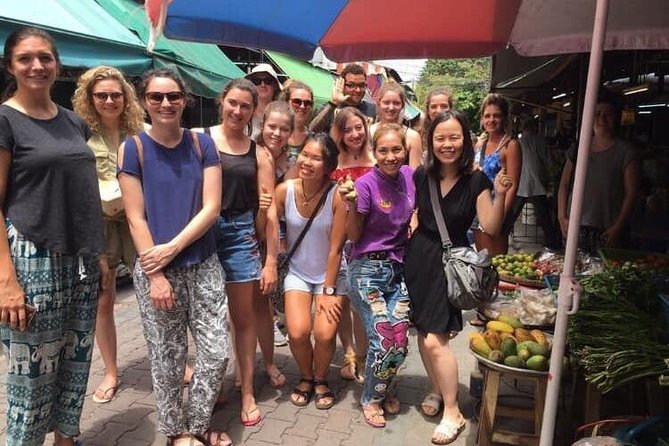
- Market-first shopping so your Thai ingredient choices make sense when you’re cooking
- Organic garden herb time before the stove work starts
- One person per wok with hands-on supervision, not just watching
- Choose-your-own menu across 6 courses, including vegetarian, vegan, and gluten-free options
- Curry paste + mortar work (and you’ll taste the difference)
- Lunch in two settings: air-conditioned dining room or an open-air garden pavilion
Why This Chiang Mai Morning Class Works So Well
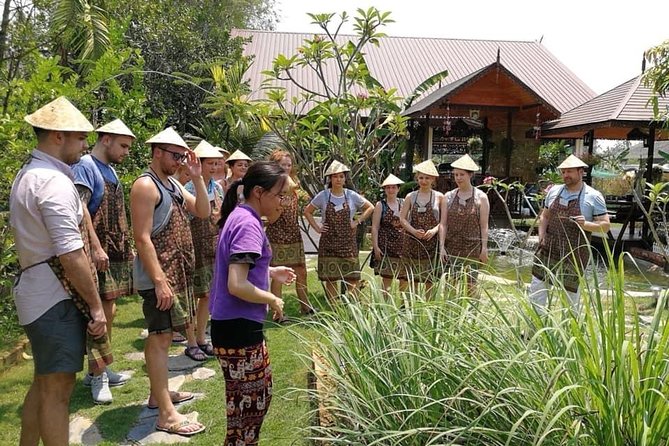
If you want Chiang Mai food that tastes like it has a plan, this class fits the bill. The morning is designed around understanding what goes in Thai dishes, then cooking those dishes yourself while the flavors are still fresh in your mind.
You’ll start with a market visit to identify produce and herbs you’ll use later. Then you’ll move on to an on-site organic garden to see plants used in Thai cooking. Finally, you’ll cook a full meal—six courses—with guidance that stays practical and step-by-step.
The best part is that you’re not just copying someone else’s plate. You select what you want to cook for each course (within the menu options), and you can adjust the spice level to match your tolerance. That means the lunch you eat is also the lunch you actually learn.
You can also read our reviews of more shopping tours in Chiang Mai
Pickup, Timing, and the Pace of the Morning
This is a morning program that typically runs about 4.5 hours. You can expect the route to look like this: hotel pickup happens in the 9:00 to 9:30 window, then the market visit begins around 10:00. You’ll reach the cooking school by about 10:30, cook your meal, and finish around 14:00.
Why that timing matters: you’re not fighting the worst heat and crowds, and your market ingredients don’t sit around too long before they become lunch. Also, because the class ends around early afternoon, you keep plenty of time for temples, a Thai massage, or a lazy stroll afterward.
Pickup is included for select hotels in Chiang Mai Old Town. If you’re not in the pickup zone, you’ll use the listed meeting point (Pizza Company รวมโชค…). It’s worth double-checking that before you go so you’re not figuring it out mid-morning.
Market Walk: Shopping for Thai Flavors Like You’ll Actually Use
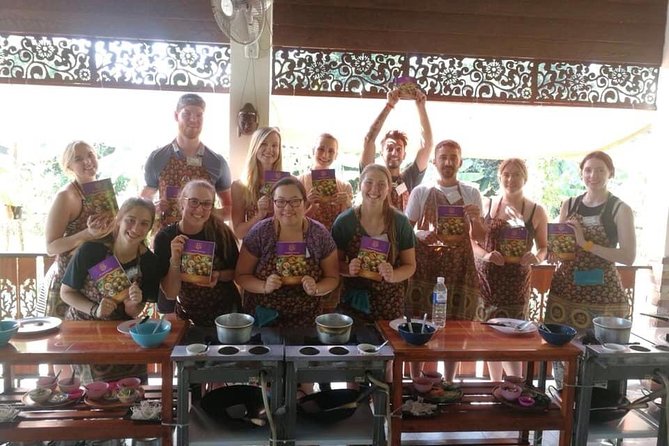
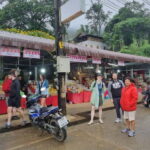
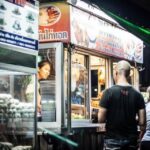
The market portion is more than a photo stop. Your guide helps you shop with purpose, pointing out fruits, vegetables, and everyday ingredients that Thai cooks use every day. You also get explanations that help you understand what certain herbs and produce are doing in the dish.
This is where you’ll pick up a mental map of Thai flavors. For example, Thai cooking relies heavily on fresh herbs and aromatic ingredients, and learning which items are which makes the cooking step feel less random. You also get a sense of what’s seasonal. That matters because Thai food is often about using what’s best right now, not chasing the same ingredients year-round.
Practical tip: go in hungry for learning, not just hunger pangs. If you want to ask questions, this is the moment. After you start cooking, everyone focuses on the wok and the flow.
The Organic Garden Stop: Herbs You’ll Recognize at the Wok
After the market, you’ll visit the cooking school’s organic garden. The point isn’t a nature walk for its own sake. It’s ingredient education in a place where you can see plants growing.
You’ll learn how the herbs and spices connect to what you’ll cook next. That helps in two ways. First, you understand flavors as living plants, not just dried packets. Second, you’ll have an easier time recreating dishes later—because you’ll remember what the fresh ingredient looked like and how it smells.
Some classes like this focus mostly on procedures. This one also focuses on the ingredient logic. Even if you already cook at home, this garden stop is the part that makes Thai dishes feel less like a mystery.
Your Wok, Your Menu: How the Six-Course Class Works
At the school, the cooking portion is built around choice. You’ll cook six menu items, with one selection per course:
- One appetizer
- One curry paste
- One curry
- One stir-fried dish
- One soup
- One dessert
Each person chooses their own menu options, and you can request vegetarian, vegan, or gluten-free variations, plus you can choose mild or spicy.
You can also read our reviews of more tours and experiences in Chiang Mai


One person per wok
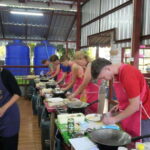
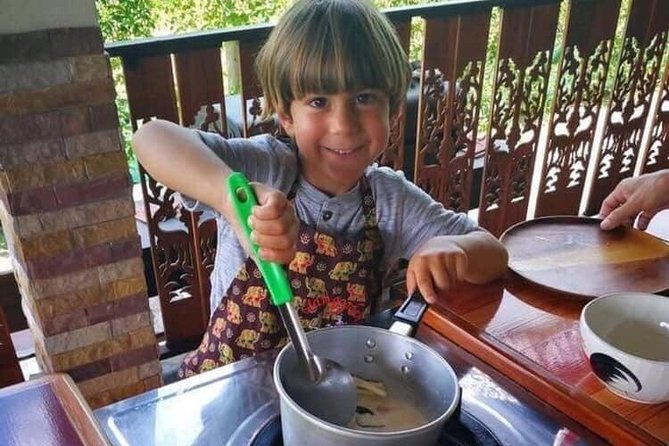
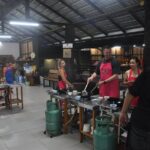
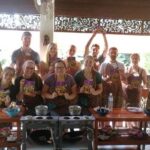
This is big. With one person per wok, you do real cooking instead of watching from the sidelines. You’ll prep and cook your dishes while the English-speaking instructor guides you through timing and technique.
Curry paste made your way
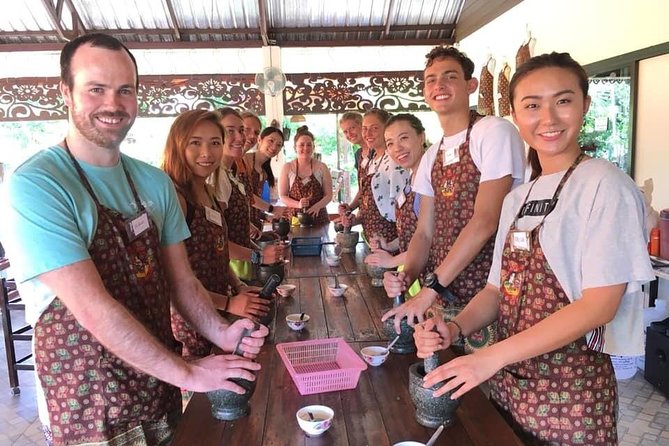
You’ll also make your own curry paste using a mortar. That’s one of those steps that sounds small until you taste the final dish. When you grind ingredients together, you’re releasing aromas you don’t always get from store-bought pastes. Even if your final curry is not restaurant-level yet, you’ll taste the logic right away.
Sticky rice with mango (your dessert win)
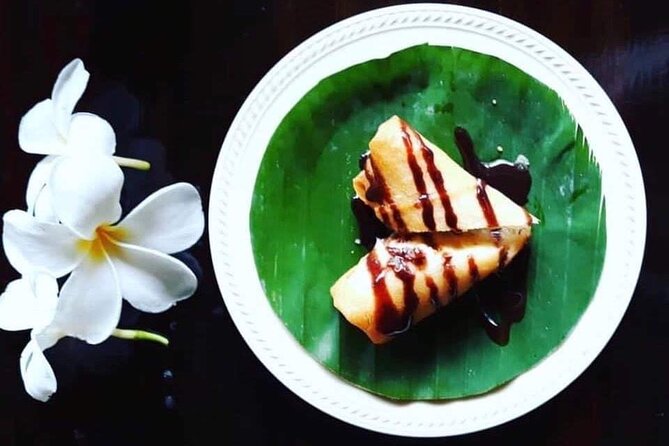
You’ll learn how to cook glutinous rice for sticky rice with mango. This is one of those Thai desserts that people talk about a lot because it’s memorable. The cooking class approach helps you understand texture and timing, not just assemble a plate.
You’ll eat what you make
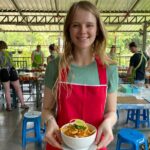
The class isn’t a quick taste-and-run. You’ll sit down and eat your own home-cooked lunch, with the option to take food away if there’s any surplus.
Lunch Setup: Air-Conditioned Dining Room or Open-Air Garden Pavilion
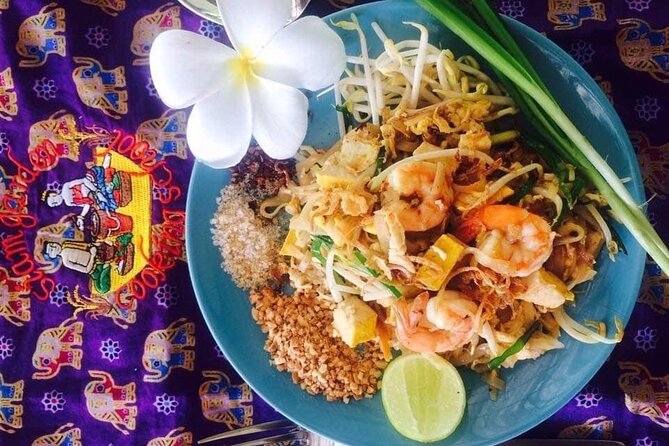
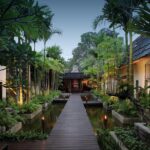
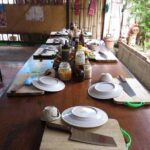
Once cooking is done, the food moves to a dining setting. You’ll eat either in a Chiang Mai-styled dining room with air conditioning, or outdoors in an open-air Thai pavilion by the garden.
That choice is practical. If it’s hot or you just want to cool down after the market, the air-conditioned room is a relief. If you like atmosphere and you don’t mind some garden air, the outdoor pavilion can feel more relaxed.
Either way, you’re eating fresh, and you’re eating what you cooked. That’s the difference between a class that’s about food and one that’s about collecting stamps.
Dietary Options and Spice Level: How Flexible Is It, Really?
This is one of the strongest parts of the experience for many people: you can pick a menu that fits your needs. The class offers meat, vegetarian, vegan, and gluten-free options, and you can request them during menu selection.
You also have control over how spicy your food is. That’s important in Thailand, where spice can range from mild-pleasant to face-flush fast. If you’re cautious, choose mild. If you want heat, ask for spicy.
Practical advice: if you have allergies, you should mention them during the selection of your menu. The class system is built around accommodating different dietary needs, but clear communication helps everyone cook safely and confidently.
Value for $13: Why This Feels Like a Deal
At $13.04 per person, this class feels unusually good value for what you get. You’re not just paying for a cooking lesson. The package includes:
- Market and organic garden visits
- Ingredients for your courses
- English-speaking instruction
- Curry paste made during the class
- Lunch (and in many cases, you’ll eat everything you cook)
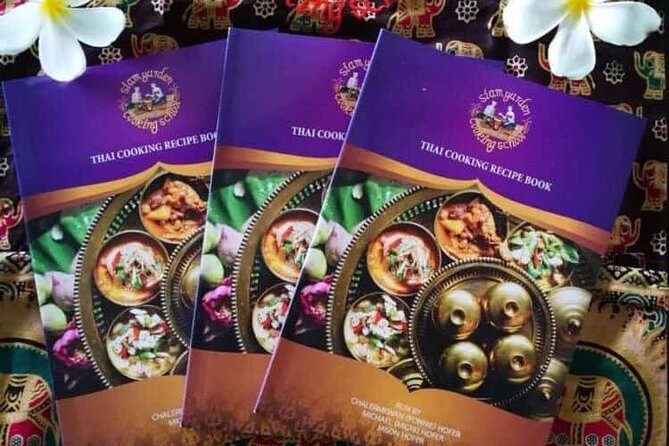
- A full color online recipe book
- Tea, coffee, and drinking water
- Free Wi-Fi and online photo albums
- Hotel pickup and drop-off (select Old Town hotels)
When you break it down, you’re paying for transportation, market guidance, ingredients, and a meal—plus the instruction time. Many cooking classes in popular tourist areas cost far more for only one or two dishes and less hands-on cooking.
One reason the price can work: the class has a set structure and runs with a defined menu system. You’re not just buying an instructor’s availability. You’re buying a system that moves.
What to Watch Out For: Timing and How Much Prep You Do
A key consideration is the class pace. The kitchen runs in a scheduled flow, and not every step will feel like 100% free-for-all prep time. Some parts may be partially prepared to keep the group moving.
That doesn’t mean you’re doing nothing. It usually means your role is focused on cooking and executing the key techniques, while the workflow helps the whole class finish on time.
If you’re the type who wants to spend extra time chopping every ingredient yourself, you might wish for a slower, more workshop-style format. But if you want to learn how to cook Thai dishes reliably and then eat them for lunch, this pace is a feature, not a flaw.
Also consider group energy. The class is designed to handle a small group size, but the cooking space can still feel busy. The good news: the structure is meant to keep instructions clear even when the room is active.
Is This the Right Class for You?
This class is a great fit if you want:
- A hands-on Thai cooking experience, not a sit-and-watch demo
- A market plus garden intro that makes ingredient choices click
- Flexibility for vegetarian, vegan, or gluten-free cooking
- A meal you’ll actually remember because you cooked it yourself
It’s also a solid choice for families and couples who want one shared activity that delivers food and a souvenir: the full color online recipe book and the recipes you’ll use again at home.
If you want a super slow, deeply technical kitchen experience where you control every chop and grind from scratch, you might want a different style of cooking workshop. But for most people, this morning format hits the sweet spot.
Should You Book This Cooking Class in Chiang Mai?
Yes, I’d book it if you want a practical Thai-food education with real results. The combination of market shopping, organic garden herbs, and a structured six-course menu you cook at your own station is exactly the kind of learning that sticks. The $13 price also makes it an easy decision, since pickup, ingredients, and lunch are part of the deal.
I’d skip or rethink it only if you’re expecting a totally unstructured, long, slow cooking day where you do every single step from zero. This is more of a well-run morning system than a wandering culinary school.
If you can handle a scheduled morning and you’re excited to cook, this is one of the most satisfying ways to spend a Chiang Mai morning.
FAQ
What time does the morning cooking class run in Chiang Mai?
The morning course runs from about 9:00 to 14:00, with hotel pickup in the 9:00–9:30 window and the class ending around 14:00.
Is hotel pickup and drop-off included?
Yes, transport from and to select Chiang Mai Old Town hotels is included. If you’re not in the pickup area, you’ll use the listed meeting point.
How many dishes do I cook?
You cook six courses, choosing one menu item per course: one appetizer, one curry paste, one curry, one stir fried dish, one soup, and one dessert.
Can I choose a vegetarian, vegan, or gluten-free menu?
Yes. Vegetarian, vegan, and gluten-free options are available, and you can request dietary choices during the menu selection.
Can I control how spicy my dishes are?
Yes. You can make your dishes spicy or mild to your preference.
Do I eat lunch as part of the class?
Yes. You’ll eat the food you cook. You can eat in either the air-conditioned dining room or the open-air garden pavilion, and there’s also an option to take food away.
Is alcohol included?
No. Alcoholic beverages are available to purchase separately.
What’s the cancellation policy if I need to change plans?
Free cancellation is available up to 24 hours in advance for a full refund. If it’s canceled less than 24 hours before the start time, the amount paid is not refunded. The experience can also be canceled due to poor weather, in which case you’ll be offered a different date or a full refund.
Is Wi-Fi and a recipe book provided?
Yes. The class includes free Wi-Fi and a full color online recipe book, along with online photo albums.