REVIEW · CHIANG MAI
Chiang Mai | TeeTee Elephant Home Elephant Care Half-Day
Book on GetYourGuide →Operated by Tee Tee Elephant Home · Bookable on GetYourGuide
Elephants up close, with real caretaking. This half-day stop at TeeTee Elephant Home in Chiang Mai pairs a long transfer with hands-on time around a small group of elephants, including baby Nam Chok. You’re not just watching from a distance; you’re helping with daily activities like feeding fruit and making vitamin balls.
What I really liked is how personal it feels when you’re spending time with just a few elephants, each with their own vibe. I also like that the day includes caretaker-led moments with older elephants, like hugging warm-hearted mothers such as Mo Jo Ko and Lam Yai. One thing to consider: you’ll lose a chunk of the day to the drive from Chiang Mai to Kuet Chang district, so it’s best if you’re okay with sitting in transit.
In This Review
- Key points before you go
- TeeTee Elephant Home in Chiang Mai: why this feels more human
- Getting to Kuet Chang: the 1.5-hour transfer reality check
- Meet Nam Chok, Phu Pha, San Dee, and the older mothers
- Feeding fruit and making vitamin balls: the hands-on part
- Walking time and the elephant shower routine
- Lunch with vegetarian Pad Thai: eating while the day stays close
- Guides in English and Chinese: what the names tell you
- Price and value: what about $57 actually buys
- Who should choose the half-day (and who may want full day)
- Practical tips for your day with elephants
- Should you book TeeTee Elephant Home Half-Day?
- FAQ
- How long is the TeeTee Elephant Home half-day experience?
- Where does the pickup happen?
- How far is the transfer to the elephant home?
- What activities are included in the half-day booking?
- Is lunch included, and what will I eat?
- What outfit is provided?
- Are drinks provided during the tour?
- What languages is the guide available in?
- What’s the total price?
- Is there cancellation flexibility?
Key points before you go
- Personal, name-based elephant time with several elephants you get to meet closely
- Hands-on care moments like feeding fruit, making vitamin balls, walking, and assisting with shower time
- A vegetarian Pad Thai lunch served during the visit, not an afterthought
- Care centered on the elephants’ routine, including daily morning release as part of their care approach
- English/Chinese support with live guidance (including Ping in at least one recent experience)
- Good value for what’s included: pickup/drop-off, outfit, insurance, and lunch
TeeTee Elephant Home in Chiang Mai: why this feels more human
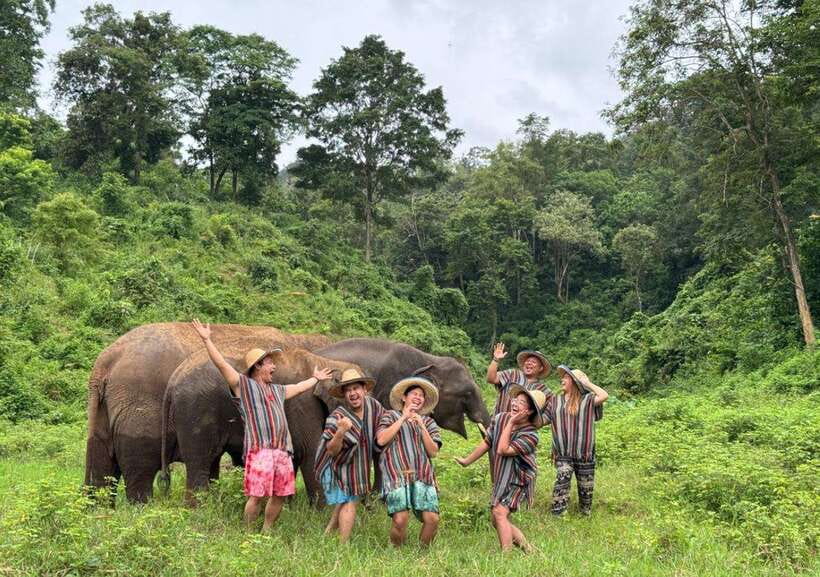
Most elephant experiences in Thailand are built for quick photo moments. This one is built around day-to-day interaction. The half-day visit focuses on care tasks you can actually do, like feeding and working near the elephants while they move through their routine.
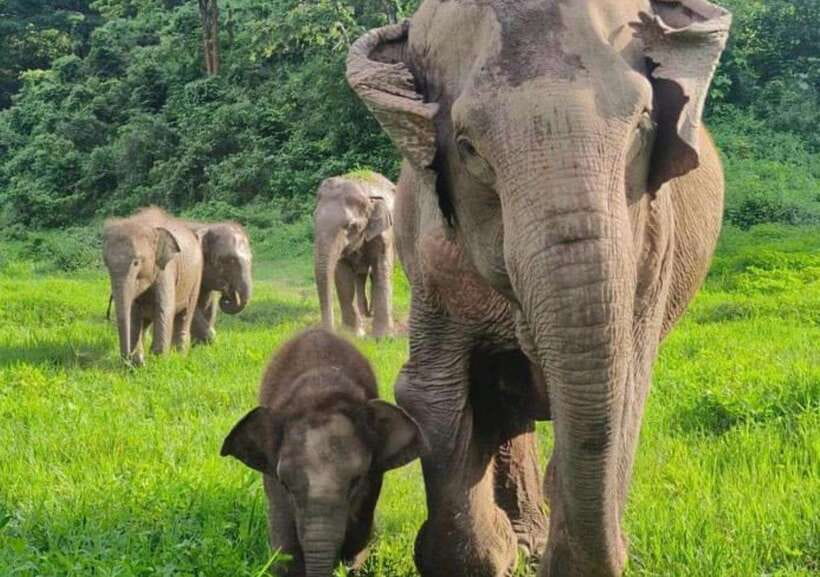
What makes it stand out is the sense of connection. You meet multiple elephants—baby, growing, and older mothers—so your brain isn’t stuck on one “cute moment.” The names you’re given help you follow along, like Nam Chok for the baby elephant, and Phu Pha and San Dee for the growing ones.
I also appreciate that the caretaking approach is presented as ethical and routine-based. One review specifically notes that the elephants have daily morning release. That detail matters, because it signals the people here are thinking about the animals’ lives, not just the visitor’s schedule.
You can also read our reviews of more tours and experiences in Chiang Mai


Getting to Kuet Chang: the 1.5-hour transfer reality check
TeeTee Elephant Home is in Chiang Mai Province, but it’s not in the city center. Pickup happens in central Chiang Mai, and the drive to Kuet Chang district is about 1.30 hours.
Plan your expectations accordingly. Half-day means you’ll get less time with the elephants than a full day, but you still pay the time cost of transport. If you’re short on time in Chiang Mai, this can be a smart compromise. If you hate long rides, consider whether a full-day option would let you spread that travel time over more activities.
Also, the good news is you don’t have to organize anything. The tour includes hotel pickup and drop-off, plus an insurance component. That takes a layer of stress off your day, especially if you’re traveling solo or without a motorbike.
Meet Nam Chok, Phu Pha, San Dee, and the older mothers

The experience is organized around meeting different elephants at different stages, and that’s more meaningful than it sounds.
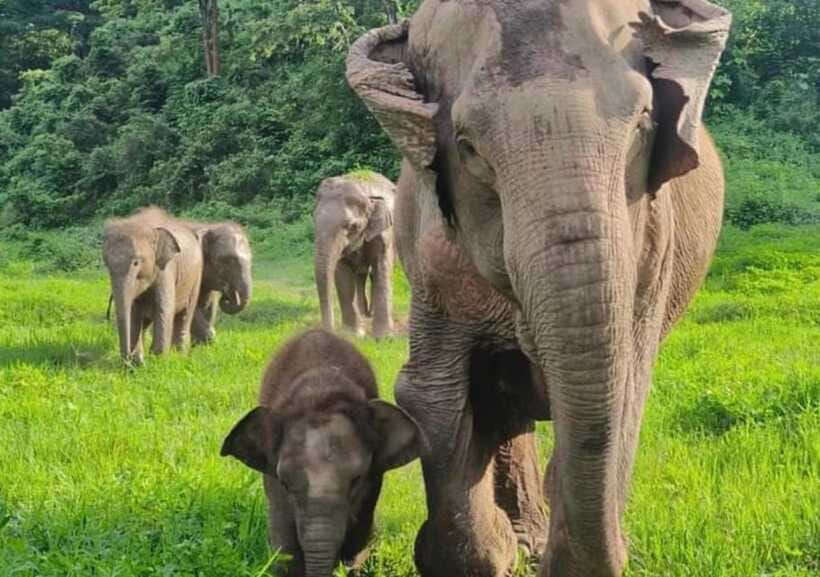
You’ll start with the younger elephant, Nam Chok, described as both very cute and also tricky. That word matters. Baby elephants can be energetic and unpredictable, which usually means you’ll pay attention and follow the guide’s cues. For me, that’s part of why it feels real: you’re not in control of everything, and you’re learning how their behavior sets the tone.
Then you’ll move to the growing elephants, Phu Pha and San Dee. They’re known for eating a lot during the visits, so expect feeding time to be active. If you like close-up observation—how they take food, how they react to human contact—this portion is likely to be your favorite.
The emotional highlight for many people is the older group. You’ll have warm, gentle interactions with older elephants like mothers referenced as Mo Jo Ko and Lam Yai. The way the interaction is described leans affectionate—think hugging—rather than a rushed performance.
Feeding fruit and making vitamin balls: the hands-on part
This half-day experience isn’t just “watch and point.” You help with feeding. You’ll start with fruit feeding, which is straightforward and easy to understand. It also sets expectations for the rest of the care tasks: you’re moving at the elephants’ pace and working within a guided routine.
A fun, practical piece is making vitamin balls. It’s one of those activities that helps you understand why people call it care, not entertainment. Instead of only feeding, you’re also contributing to the “how” behind the meal.
One more detail that stands out: you’re given an outfit—a local shirt, hat, and flip-flop. That means you can show up without building a whole special wardrobe. Still, I’d treat it as an outdoor working day. You’ll likely want a comfortable base layer underneath and keep your valuables secured, because you’ll be close to animals and moving around.
Walking time and the elephant shower routine
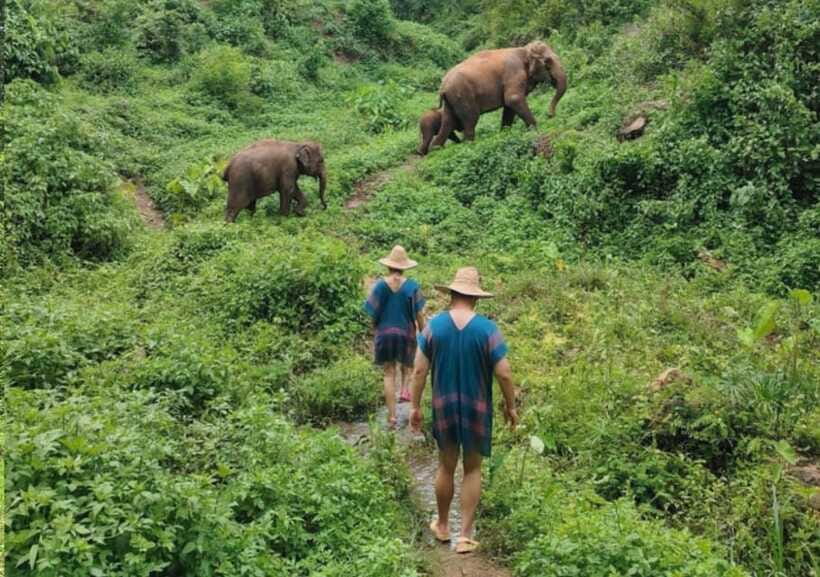
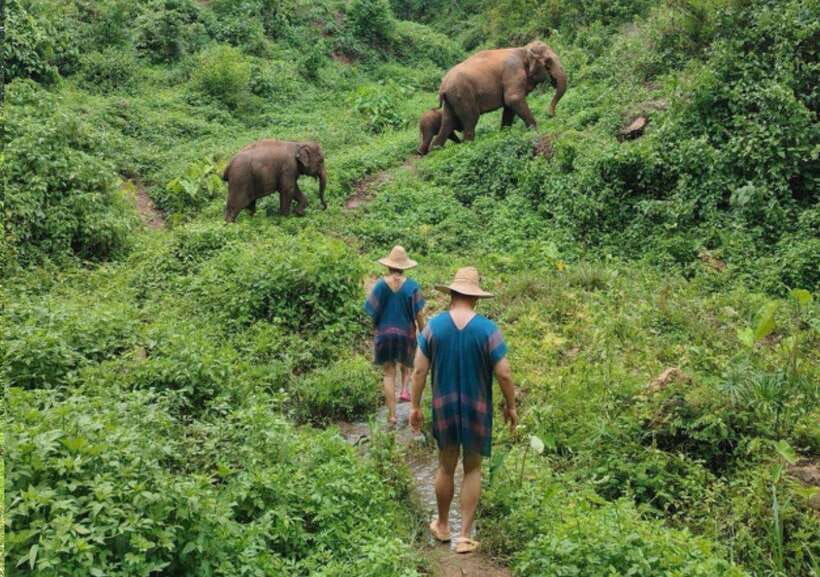
After feeding, the day typically continues with a walk with the elephants. This isn’t about pretending you’re on a jungle trek. It’s more like you’re accompanying the elephants as they move through their space, with you playing a supportive role.
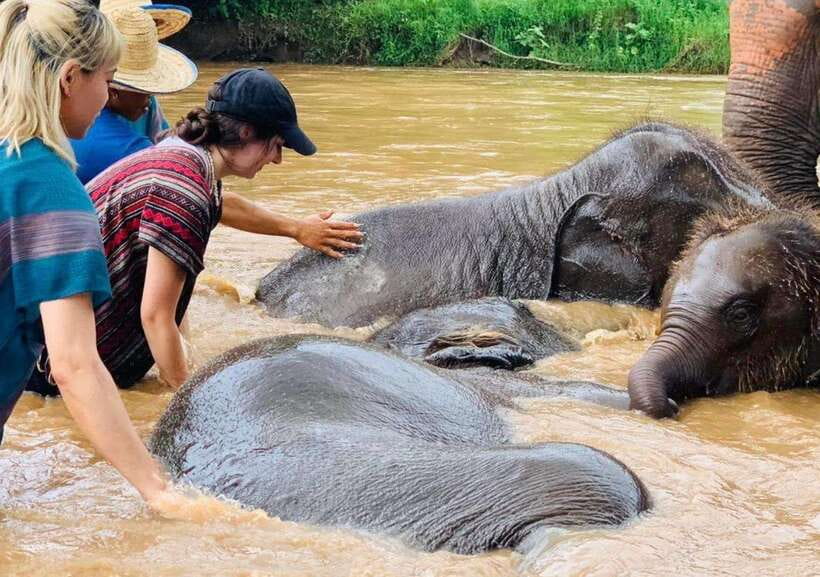
Next comes one of the most memorable activities: helping with the elephant shower. If you don’t like getting wet, this is the moment you’ll feel it. The shower component is part of elephant care, and that means you should come ready for water contact.
Because the half-day schedule is tight, the care tasks happen in a logical sequence rather than all-day wandering. You’ll likely feel the day move fast, which is good if you’re excited to meet the elephants, but less ideal if you prefer slow, unstructured experiences.




Lunch with vegetarian Pad Thai: eating while the day stays close

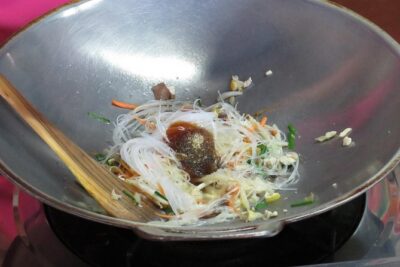
Lunch is included, and it’s not a separate bus tour you barely remember. You’ll have a vegetarian lunch served with Thai menu focus, specifically Pad Thai.
The meal timing matters because it keeps you in the flow of the visit. You can eat without fully breaking away from the elephant setting. In one recent experience, lunch was described as generous and served while observing the elephants.
I like that the tour doesn’t treat lunch as filler. It’s a real pause, and it keeps the day balanced. You’re doing active care tasks, so having food and water ready is a practical win.
Guides in English and Chinese: what the names tell you
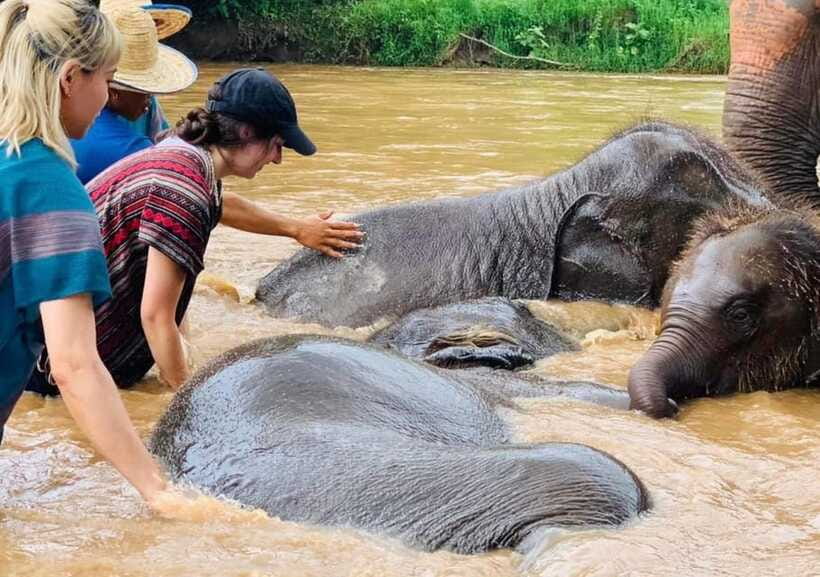
You’re guided by a Chinese/English-speaking tour guide. In one recent experience, the guide named Ping stood out for kindness and for leading the day with care.
That matters because elephant interactions go better when you understand what to do and why. When a guide can explain behavior, routine, and your role in the tasks, you feel less like a spectator. You also avoid the common problem of visitors “winging it” and making the interaction awkward.
If you’re traveling with friends who speak different languages, this setup is handy. At minimum, it gives you a way to connect to the care process even if your Thai is limited.
Price and value: what about $57 actually buys
At $57 per person for about 150 minutes, this is not a cheap tourist activity. But it also doesn’t feel like a barebones add-on.
Here’s what you get for the price:
- Hotel pickup and drop-off
- Elephant food
- Outfit (local shirt, hat, flip-flop)
- Towel
- Vegetarian Pad Thai lunch
- Drinking water
- Insurance
- Live Chinese/English speaking guide
That list is the backbone of value. You aren’t just paying for access. You’re paying for transport, included meals, protective coverage via insurance, and the structured care experience.
If you tried to recreate it yourself, the cost would probably rise quickly once you include transport and a guided format. Even if you found a similar animal-care site, the combination of lunch and outfit usually isn’t part of DIY plans.
So the question isn’t just the price tag. It’s whether you want a guided half-day that reduces logistics while focusing on hands-on elephant care.
Who should choose the half-day (and who may want full day)
This half-day format is ideal if you want a close, ethical-feeling experience without losing an entire day. It’s also a smart pick when your Chiang Mai itinerary is already packed.
It fits well for:
- Couples or small groups who like an intimate feel (and prefer fewer elephants to meet)
- People who want hands-on care tasks like feeding and vitamin balls, not just observation
- Travelers who value a guide-led schedule and included meal comfort
If you want more than interaction—if you like longer nature time—then the full-day version may suit better. The full-day booking adds hiking with elephants and includes cleaning the live area, plus teaching a Thai menu cooking session like Pad Thai. That’s a bigger time investment, but it also turns your day into more of an ongoing care routine.
Practical tips for your day with elephants
A few things can make the experience smoother, even though the tour supplies key items like an outfit and towel.
First, treat the schedule as active. Half-day still includes feeding, walking, and shower help. Wear clothing you’re comfortable getting wet or dirty. Your flip-flops are provided, but you still want to make sure you can move safely.
Second, bring a basic mindset: you’re helping the elephants’ routine, not performing for them. Follow the guide’s pace and cues. Nam Chok is described as cute and tricky, and growing elephants eat a lot, which usually means the interaction is energetic. Your job is to stay calm and attentive.
Third, if you’re sensitive to smells or weather, remember this is outdoors and close to animals. It can be humid, and the care process includes water contact. You’ll likely leave feeling like you did something, not like you only took photos.
Should you book TeeTee Elephant Home Half-Day?
Book it if you want a short, guided Chiang Mai elephant day that leans into actual care tasks. The strongest reasons are the hands-on activities (fruit feeding, vitamin balls, walking, and shower time) plus the included vegetarian Pad Thai and transportation from central Chiang Mai. The experience also sounds thoughtful in how it organizes elephant time by age and routine, with older mothers like Mo Jo Ko and Lam Yai included for warm, close interaction.
Skip it or choose another format if the long drive is a dealbreaker for you. Since it’s a half-day, you’re paying for transit time and then squeezing a lot into a short window.
If you’re hoping for a “no effort, lots of photos” tour, this won’t be the best fit. If you want a more involved, respectful elephant-care day with a guide who speaks your language, this is a very workable option in Chiang Mai.
FAQ
How long is the TeeTee Elephant Home half-day experience?
The duration is listed as 150 minutes.
Where does the pickup happen?
Hotel pickup is from Chiang Mai city area.
How far is the transfer to the elephant home?
The drive is about 1.30 hours to Kuet Chang district.
What activities are included in the half-day booking?
You’ll feed the elephants (including fruit feeding), make vitamin balls, walk with the elephants, and help with showering the elephants.
Is lunch included, and what will I eat?
Yes. Lunch is included and it’s vegetarian Thai menu, with Pad Thai mentioned.
What outfit is provided?
You receive a local shirt, a hat, and flip-flops as part of the experience.
Are drinks provided during the tour?
Yes. Drinking water is included.
What languages is the guide available in?
The live tour guide is available in English and Chinese.
What’s the total price?
The price listed is $57 per person.
Is there cancellation flexibility?
Free cancellation is offered up to 24 hours in advance for a full refund.