REVIEW · CHIANG MAI
Chiang Mai : Traditional Northern Cooking Class
Book on GetYourGuide →Operated by Baannoi Nornmuan · Bookable on GetYourGuide
Spice, smoke, and noodles in 3 hours. This Traditional Northern Cooking Class in Chiang Mai is hands-on, small-group, and focused on the North’s real-world comfort food: sticky rice techniques and banana-leaf grilling are big wins for me. One thing to consider: the included menu includes pork in some dishes, so you’ll want to be comfortable with that (or ask ahead about swaps).
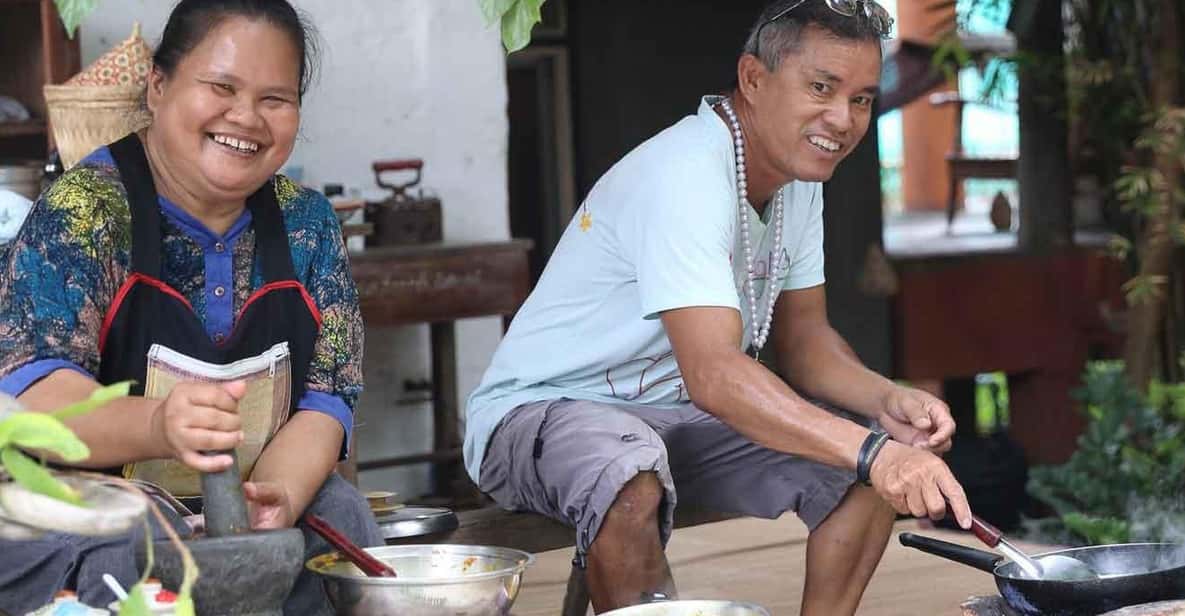
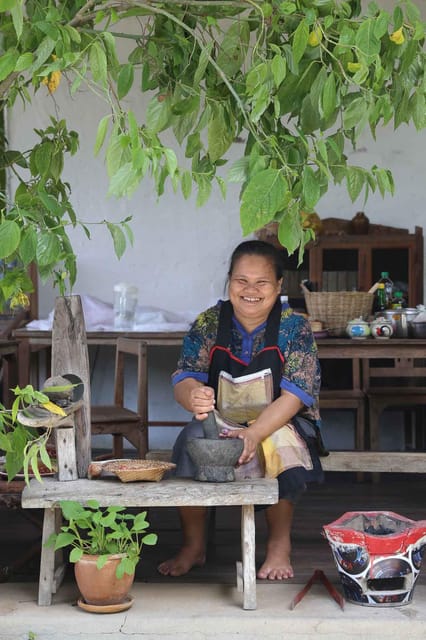
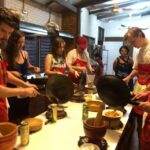
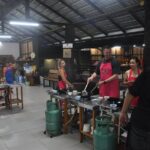
The class is run by Baannoi Nornmuan, and it has a down-to-earth feel. I like that you cook with real ingredients and herbs, often using a charcoal-fire setup, and you can ask questions as you go. Small-group size (10 max) matters here because you’re not just watching from the back row.
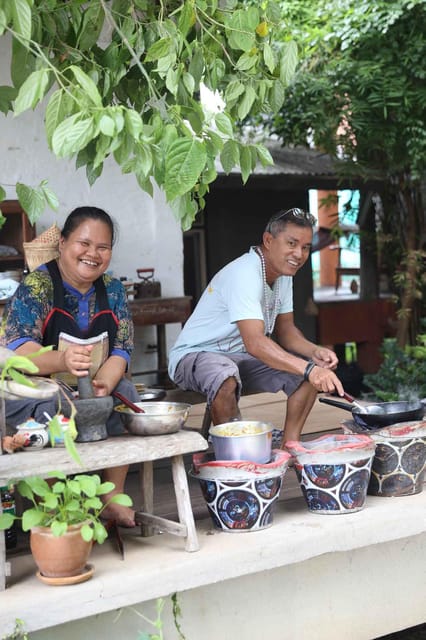
If you want polished, fancy restaurant vibes, this isn’t that kind of experience. It’s more “porch cooking, family-style instruction, and getting your hands dirty,” which is exactly why it works.
In This Review
- Key Points to Know Before You Go
- Northern Thai Food Changes How You Taste Thai Cooking
- How the 3-Hour Class Typically Feels: Fast, Practical, and Hands-On
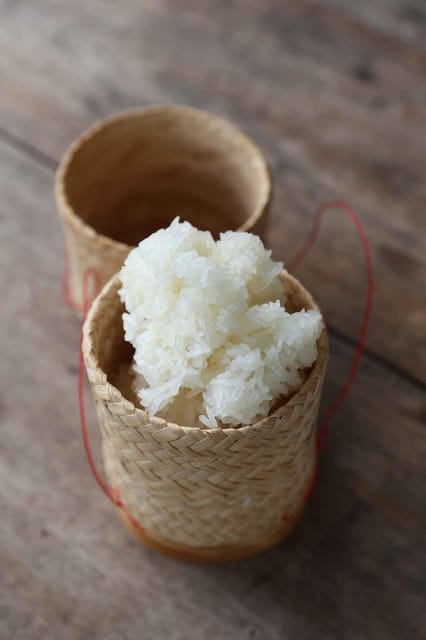
- Sticky Rice Mastery: Getting That Northern Texture Right
- Northern Curry With Pork: Learn the Spice Logic, Not Just the Result
- Khao Soi Creation With Chicken: The Noodle-Soup Trick That Makes It Northern
- Homemade Chili Sauce: Your Flavor Control Tool
- Grilled Egg on Banana Leaf: Smoke, Charcoal, and a Simple Technique
- Why the Small Group (10 Max) Is Real Value
- Ingredients, Freshness, and the Feeling of a Working Kitchen
- Price and Value: Is $38 Worth It?
- What to Expect From the Dishes You’ll Cook
- Who This Cooking Class Is Best For
- Should You Book It? My Honest Call
- FAQ
- How long is the Chiang Mai Traditional Northern Cooking Class?
- What is the price per person?
- What dishes are included in the class?
- Is there an English-speaking instructor?
- How big is the group?
- Is the class wheelchair accessible?
- Can I cancel for a refund?
- Is there a pay-later option?
Key Points to Know Before You Go
- Small group up to 10 people means you get actual help while you cook
- Sticky rice mastery so you understand the texture goal, not just the recipe
- Northern curry with pork teaches how Northern spice works in a richer curry base
- Khao Soi creation focuses on the noodle-and-soup contrast that makes it Northern
- Homemade chili sauce helps you control heat and balance instead of relying on bottled stuff
- Grilled egg on banana leaf brings a smoky technique you may not see elsewhere in Thailand
Northern Thai Food Changes How You Taste Thai Cooking
Chiang Mai food has its own personality. It’s still Thai, yes, but the flavors lean different: more emphasis on aromatic spice, noodle textures, and those Northern-style chili balances that feel less like heat for heat’s sake and more like flavor structure. That’s why this class feels worth your time.
You’re not just learning five dishes. You’re learning the logic behind them. In a great cooking class, the goal is to leave with skills you can repeat later at home. Here, the emphasis on sticky rice texture, Khao Soi assembly, and homemade chili sauce points you toward exactly that.
Also, the format matters. You’re in a small group with an instructor who speaks English and Thai, so questions don’t get lost. If you’ve ever cooked from a recipe and thought, I don’t get it, this kind of guided feedback is what fixes that.
You can also read our reviews of more cooking classes in Chiang Mai

How the 3-Hour Class Typically Feels: Fast, Practical, and Hands-On
This experience runs about 3 hours, which is enough time to cook, taste, and understand what’s happening without turning into a half-day commitment. You’ll be moving through several Northern dishes in sequence, with instruction tied to the moment.
The rhythm you should expect is:
1) Start with fundamentals (sticky rice and spice base work)
2) Build one major noodle dish (Khao Soi) with the right components
3) Make a simple but powerful flavor tool (homemade chili sauce)
4) Finish with a grilling technique (eggs on banana leaf)
Because the class includes both pork- and chicken-based dishes, you’ll likely switch ingredients during the session. That’s not a problem—it’s part of how you learn. In real kitchens, you don’t cook one thing in isolation. You multitask, taste as you go, and adjust.
Sticky Rice Mastery: Getting That Northern Texture Right
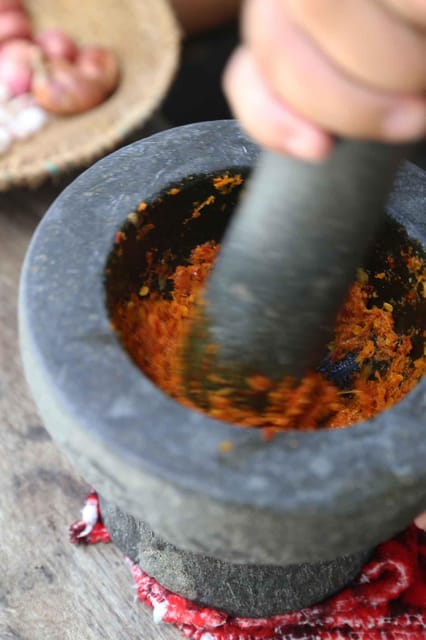
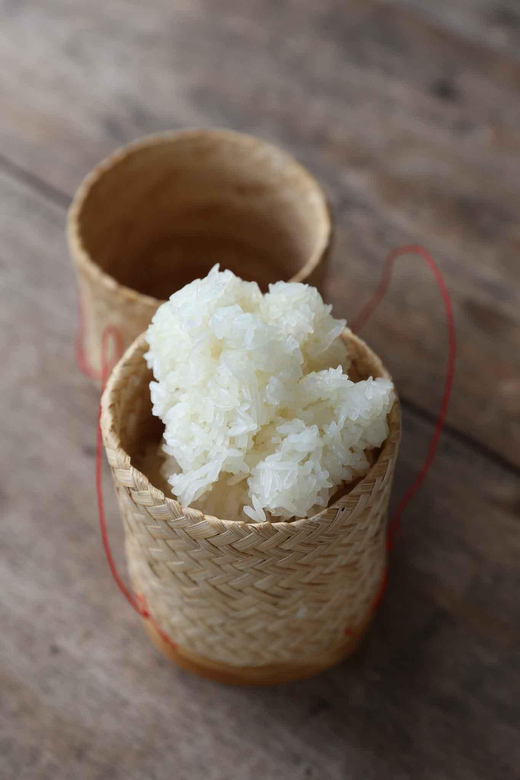
Sticky rice isn’t just a side dish in Northern Thailand. It’s a staple, and the texture is the whole story. This class gives you the chance to learn sticky rice in a way that’s useful outside of Chiang Mai—so you can reproduce the feel when you’re back home.
What I like about this portion is that it’s not treated like a throwaway step. You’re learning the art of getting it right, which usually comes down to timing, method, and the way you handle and serve it.
If you’ve ever had sticky rice that felt too hard, too wet, or weirdly bland, you already know why this matters. Sticky rice should be springy and satisfying, and it should carry flavor from what you pair it with—like curry sauce or chili mix. This class prepares you to do that pairing on purpose.
And since Northern meals often rely on rice as the anchor, mastering this first makes everything else easier.
Northern Curry With Pork: Learn the Spice Logic, Not Just the Result
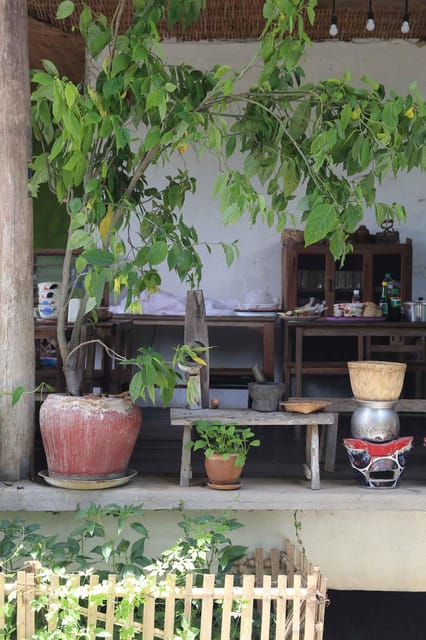
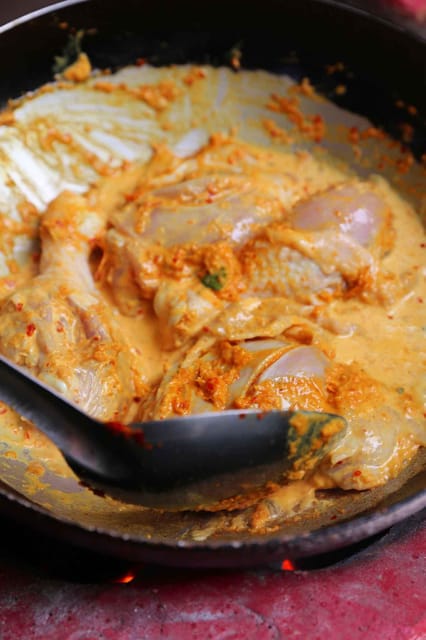
Next comes Northern curry with pork, where the focus is on the aromatic side of Northern Thai cooking: spices, technique, and building a richer curry feel.
Curry can look “simple” on paper. In real life, what you’re really learning is how to manage scent and flavor depth—when to add components, how to stir, and what balance looks like as it thickens. A good class makes you pay attention to these small changes instead of treating curry as a single step.
Also, because pork is included, this is a good chance to understand how curry clings to meat and how sauce texture changes when the dish is finished properly.
If you don’t eat pork, be cautious. The menu includes pork in Northern curry and chili sauce, so you may want to confirm in advance whether they can adjust for you. The class is only 10 people, so it’s reasonable to ask.
Khao Soi Creation With Chicken: The Noodle-Soup Trick That Makes It Northern
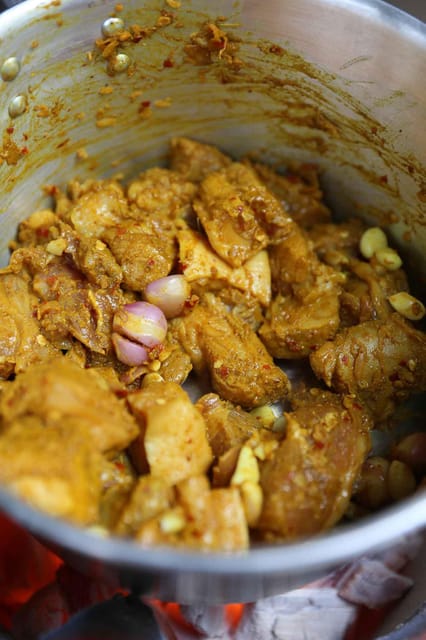
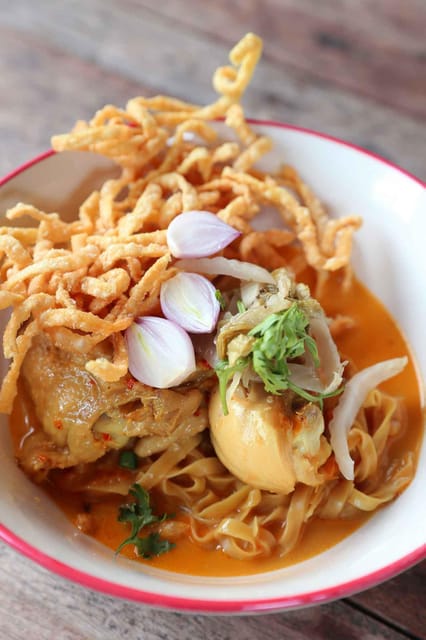
Khao Soi is the dish that many people come to Chiang Mai for, and the best part of learning it here is that you’ll see how it’s built.
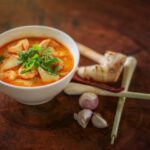
The class includes Khao Soi with chicken, which is the traditional noodle soup-style comfort food most associated with Northern cuisine. The magic of Khao Soi is the contrast: silky noodles, a spiced soup base, and toppings that change the bite and texture.
This is one of those dishes where a cook’s instinct matters. Too much thickness can ruin the balance. Too thin can make it taste flat. The class approach—hands-on and guided—helps you understand the point where things feel right.
I also like that this isn’t framed as only a one-time “eat now” experience. Once you learn how the components fit together, you can rebuild it later with whatever noodle options you can find.
You can also read our reviews of more tours and experiences in Chiang Mai

Homemade Chili Sauce: Your Flavor Control Tool
Most people buy chili sauce. This class makes you do it. And that changes everything.
You’ll learn homemade chili sauce with pork, which may sound like just another sauce step, but it’s actually a skill. When you make it yourself, you learn how heat, salt, tang, and chili character work together. You stop guessing.
This matters at home. Bottled chili sauces can be too hot, too sweet, or just one-note. A homemade version lets you tune it to your taste, and you’ll have context for why it tastes the way it does.
Also, if you’re a spice lover, this is where your effort pays off quickly. You’ll taste, adjust, and understand how Northern chili flavor behaves when paired with rice and curry.
Grilled Egg on Banana Leaf: Smoke, Charcoal, and a Simple Technique
This is the fun, memorable finish: grilled chicken egg on banana leaf. The banana leaf is more than decoration. It helps create a smoky aroma and a distinct character during grilling.
One review-style detail I found especially appealing is the sense that the cooking happens in a real, practical way—like cooking on a porch, sometimes on charcoal fire. That kind of setup makes the food taste more alive, and it also helps you learn by doing rather than following a step-by-step slideshow.
What to pay attention to here is not just the egg itself, but the method. Grilling requires timing. You’ll see how quickly texture changes, and you’ll learn when to pull things off so the egg stays satisfying rather than overcooked.
If you’re the type who remembers food by texture and aroma, this banana-leaf egg step will stick with you.
Why the Small Group (10 Max) Is Real Value
In cooking classes, group size decides whether you get meaningful guidance. Here the limit is 10 participants, which is small enough that the instructor can actually help while you’re cooking, not just at the start.
That also creates a comfortable pace. You can ask questions in the moment—especially useful if you’re cooking with unfamiliar ingredients or techniques. I like formats where you’re not rushed, and this class’s time limit still leaves room to work through multiple dishes.
And because the instructor uses English and Thai, you’re more likely to get clear explanations, not just gestures.
Ingredients, Freshness, and the Feeling of a Working Kitchen
What I appreciate most about this class is the grounded setup. Fresh ingredients are ready for you, and the cooking feels like something a real family or household would do.
One consistent theme in the experience style is warmth and professionalism. The host and staff are friendly, and the instruction feels down to earth. Even if you’re not an expert cook, you’ll feel guided rather than judged.
That matters in Chiang Mai, where some food experiences can be overly performance-driven. This one is about cooking for real, not putting on a show.
Price and Value: Is $38 Worth It?
At $38 per person for about 3 hours, you’re paying for more than a meal. You’re paying for instruction, ingredients, and time with a small group so you can actually build competence.
Here’s the value logic I’d use:
- You learn multiple Northern dishes: sticky rice, Northern curry, Khao Soi, homemade chili sauce, and banana-leaf grilled eggs
- You get hands-on guidance in a small group of 10 max
- The class includes both pork and chicken dishes, meaning you cover a broad flavor range rather than just one item
Compared with paying restaurant prices for a handful of dishes, $38 can feel fair. The bigger benefit is the skill transfer. If you only eat the food, you’re done. If you learn how it’s made, you keep getting value every time you cook afterward.
If your budget is tight, prioritize classes where you learn core techniques—this one hits sticky rice and Khao Soi logic, which are the two hardest to fake at home.
What to Expect From the Dishes You’ll Cook
Just so you can mentally map the menu, this class includes:
- Sticky rice
- Northern curry with pork
- Khao Soi with chicken (traditional soup-style noodle dish)
- Chili sauce with pork
- Grilled chicken egg on banana leaf
That lineup gives you:
- A staple (sticky rice)
- A curry base experience (Northern curry)
- A signature Chiang Mai noodle dish (Khao Soi)
- A DIY flavor booster (chili sauce)
- A smoke-and-timing technique (banana-leaf grilled egg)
If you love Northern Thai food, you’ll probably leave with a stronger sense of what makes it different from central Thai cooking.
Who This Cooking Class Is Best For
This class is a strong match if:
- You want a hands-on Chiang Mai food experience, not just a tasting
- You want to learn Northern signatures like Khao Soi and sticky rice technique
- You prefer small-group formats so questions are actually answered
It may be less ideal if:
- You avoid pork, because pork shows up in included dishes
- You’re expecting a super fancy, modern kitchen experience
If you’re traveling solo, this class still works well. With only 10 people, solo travelers often get more interaction than they would in larger group tours.
Should You Book It? My Honest Call
Yes, I’d book this if your goal is to learn Northern Thai cooking and bring skills home. The combination of sticky rice, Northern curry, Khao Soi, and homemade chili sauce is exactly the kind of set that teaches you flavor structure. Add the banana-leaf grilled egg technique, and you get a memorable method you can’t easily copy from a generic cookbook.
Use this quick checklist before you decide:
- You’re comfortable with pork in the included menu
- You want instruction, not just eating
- You like practical skills you can repeat at home
- You value a small group (10 max)
If those checkmarks are you, this is a great use of a few hours in Chiang Mai.
FAQ
How long is the Chiang Mai Traditional Northern Cooking Class?
It lasts 3 hours.
What is the price per person?
The price is $38 per person.
What dishes are included in the class?
The included menu includes sticky rice, Northern curry with pork, Khao Soi with chicken, chili sauce with pork, and grilled chicken egg on banana leaf.
Is there an English-speaking instructor?
Yes. The instructor speaks English and Thai.
How big is the group?
The class is a small group limited to 10 participants.
Is the class wheelchair accessible?
Yes, it is wheelchair accessible.
Can I cancel for a refund?
Yes. You can cancel up to 24 hours in advance for a full refund.
Is there a pay-later option?
Yes. You can reserve now & pay later, meaning you can book your spot and pay nothing today.