REVIEW · CHIANG MAI
Chiangmai : Doi Inthanon unseen spot , Rice terrace & temple
Book on GetYourGuide →Operated by Journey D Travel · Bookable on GetYourGuide
One day, three landscapes worth planning for. You get Wachiratarn Waterfall in Doi Inthanon National Park, a meeting with the Karen community for coffee and weaving, and a long look at the rice terraces with panorama views. The main downside: lunch and drinks cost extra, and the day can shift if weather affects access to certain spots.
I also like how the day runs with clear pacing and a guide who pays attention to what you want to see and how long you want to stay. In my kind of travel style, I’m happiest when someone adds extra stops and helps you get the photos you came for. One thing to consider: English can be limited depending on the guide.
If the sky turns moody, you’re not just stuck. I like that the guide approach includes an alternative plan when rain messes with the original route, so the day stays good instead of getting wasted.
In This Review
- Key Points You’ll Remember
- A Full Day Beyond the Usual Doi Inthanon Route
- Pickup Timing and Where the Day Starts (8:00 AM)
- Wachiratarn Waterfall: The Crown-Jewel First Impression
- Wat Pgageyo Ram: A Hidden Temple Stop in the Mountains
- Ban Mae Klang Laung: Karen Life, Coffee, and Woven Textiles
- Huay Sai Laung Waterfall Trek Near the Summit
- Rice Terraces Panorama and the July–October Color Shift
- Price, Value, and What’s Not Included in the $70
- Guide Quality and Small-Group Feel (Eddie’s Approach)
- What Might Feel Challenging (and Who Should Skip This)
- Should You Book This Chiang Mai Doi Inthanon Day Trip?
- FAQ
- What time does the tour start and end?
- Where can I be picked up and dropped off?
- What’s included in the price?
- What costs extra during the day?
- What languages are available for the live guide?
- Is the tour suitable for wheelchairs or altitude sensitivity?
Key Points You’ll Remember
- Wachiratarn Waterfall: the park’s star stop, with a chance of rainbow color in the mist when conditions line up
- Wat Pgageyo Ram: a quieter mountain temple visit you don’t see on the busiest routes
- Karen life at Ban Mae Klang Laung: coffee tasting plus time to admire woven textiles
- Huay Sai Laung Waterfall trek: an uphill walking portion near the mountain’s summit area
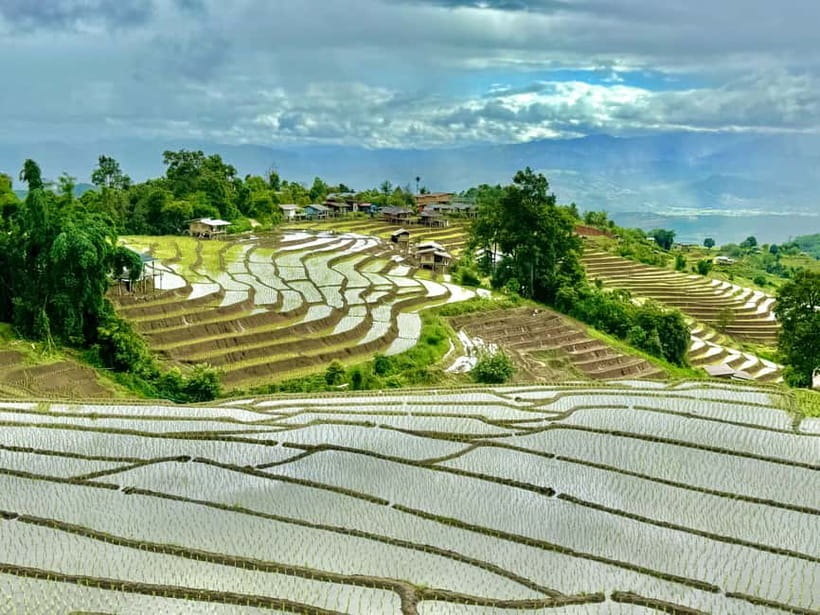
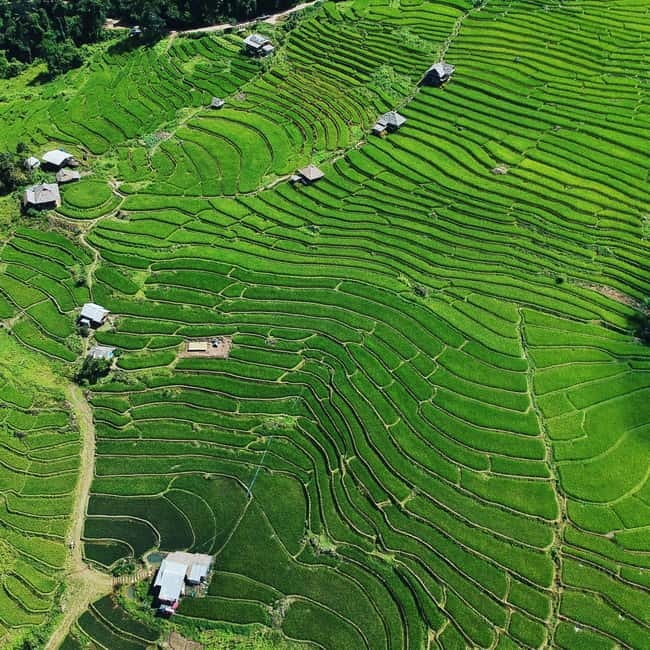
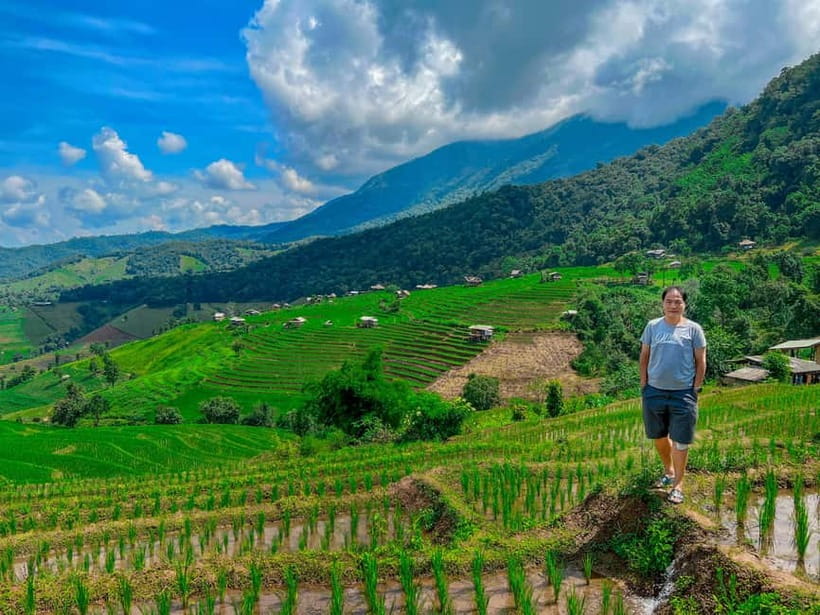
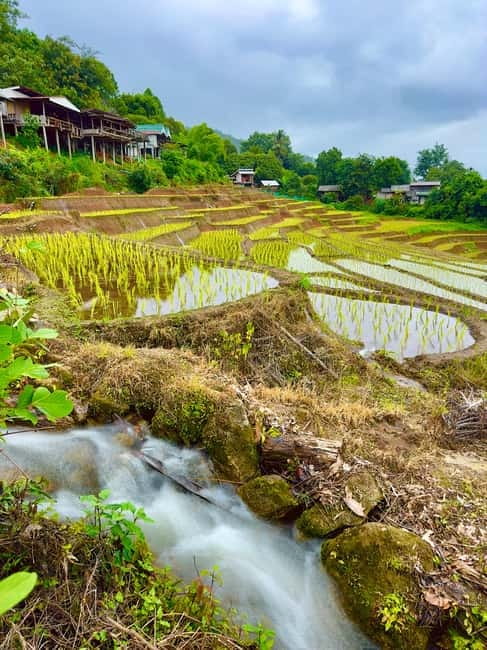
- Rice terraces panorama: a slow, scenic stroll with changing colors through the rainy season (July to October)
- Guide-led photo help: time taken for pictures, and in some cases drone video capture
A Full Day Beyond the Usual Doi Inthanon Route
This is a one-day push from Chiang Mai into Doi Inthanon National Park, built for people who want more than the standard waterfall-and-back routine. The big idea is simple: you mix nature (waterfalls and terraces) with culture (Karen hill tribe life) and add in a temple stop that feels tucked away.
The price, at $70 per person for about a full day, makes sense if you value guided navigation and transportation. You’re not paying for a bunch of included meals or entrance fees. Instead, you’re paying for someone to drive the route, manage timing, and keep the day flowing across multiple scenic points.
The day is also very “hands-on” travel. There’s time to walk, look closely, and take photos. If you prefer a purely bus-to-viewpoint style, this won’t feel as comfortable as you might hope.
You can also read our reviews of more tours and experiences in Chiang Mai.



Pickup Timing and Where the Day Starts (8:00 AM)
Your tour day begins with an 8:00 AM hotel pick-up. Depending on where you’re staying, you can be collected from one of three places: Chiang Mai, Central Chiang Mai Airport, or Three Kings Monument. You’ll usually return at about 5:00 PM.
Why this matters: a full day with waterfalls and a trek needs early start time. It also means you can still have your evening back in the city without scrambling for transfers.
Packing tip from the way this kind of itinerary plays out: bring something for rain, plus shoes you’re okay getting muddy. This route can include walking and ground that’s not perfectly dry, especially during the rainy season when the rice terraces look best.
Wachiratarn Waterfall: The Crown-Jewel First Impression

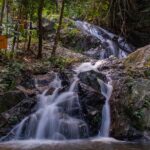
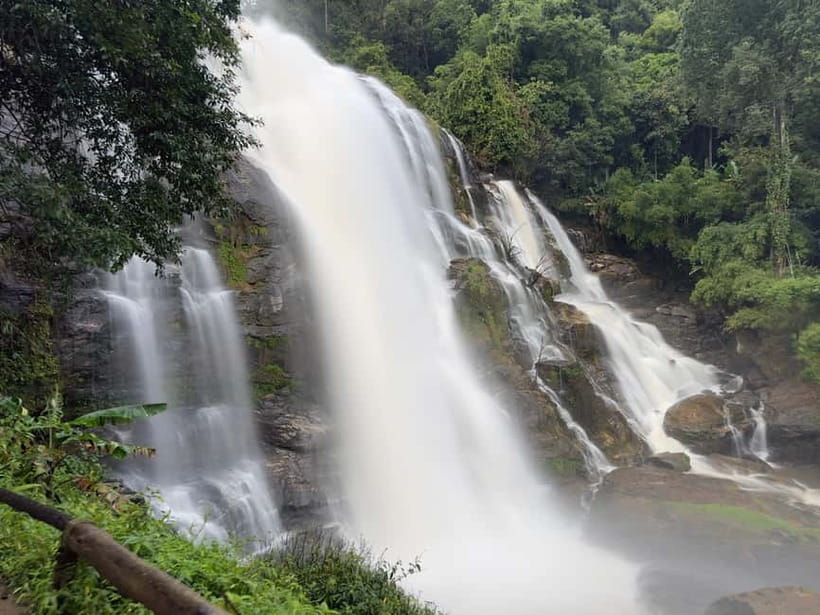
The day kicks off with Wachiratarn Waterfall, described as the park’s crown jewel. This is the big first nature hit: cascading water, viewpoints, and that classic Thai mountain-jungle feel you came for.
One especially interesting detail is the possibility of a rainbow in the waterfall mist. It’s not something you can schedule like a museum show, but when the light and weather line up, it turns a pretty stop into a memorable one.
Practical advice: if you’re there during rainier months, you’ll often get thicker mist. That can make the rainbow chance better, but it also means you should watch your footing. Expect spray and slippery surfaces in some areas.
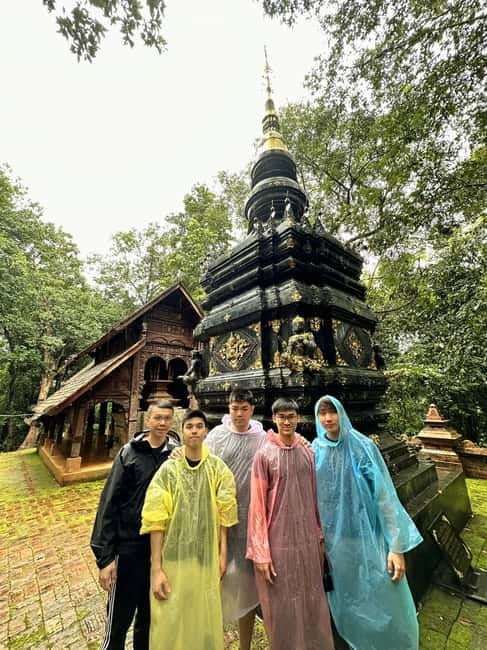
Wat Pgageyo Ram: A Hidden Temple Stop in the Mountains
After the main waterfall, you’ll move to Wat Pgageyo Ram, a temple set within the mountain area that feels more secluded than the typical “stop-and-shoot” temple tour.
What you’ll like about this kind of stop is the rhythm shift. After hours of water views, the temple adds stillness and a different kind of learning. You also get a sense of how locals relate to the landscape, not just how it photographs.
What to watch for: this part is mostly about viewing and respectful time on-site. Dress modestly and keep your expectations simple. You’re not there for entertainment. You’re there to slow down and notice.
Ban Mae Klang Laung: Karen Life, Coffee, and Woven Textiles
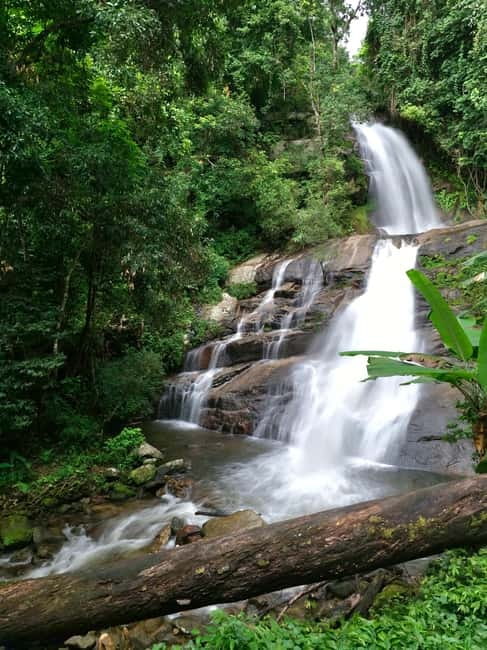
Next comes Ban Mae Klang Laung, where you spend time with the Karen hill tribe. This is more than a quick photo stop. The itinerary includes experiencing their traditional way of life and trying their homemade coffee.
I love these moments because they don’t feel like a generic souvenir zone. When the day includes a real taste of local coffee and time to see woven textiles up close, you leave with something concrete, not just pictures.
A few things to keep your expectations grounded:
- You’ll be seeing daily life through the lens of a guided cultural visit.
- The focus is on interaction and observation more than “performance.”
- Coffee tasting is part of the experience, but you may want to treat it like a cultural sample, not a cafe meal.
If you’re a fan of handicrafts, this is one of the best windows of the day. Woven textiles take time to truly understand, and the guide helps you slow down long enough to appreciate details.

Huay Sai Laung Waterfall Trek Near the Summit
After lunch time (which you’ll pay for yourself), the itinerary turns into a walking section: a trek to Huay Sai Laung Waterfall, located near the mountain’s summit area.
This is where comfort and footwear matter most. Even if the trek isn’t extreme, it’s still a trek, meaning uneven ground, changing footing, and more sweat than you planned for on a day that also includes waterfalls and terraces.
What makes this stop worth it is the contrast. You’ve already seen Wachiratarn. Now you’re going for a different waterfall feel and a tougher access element. It turns the day from scenic sightseeing into something you actually earn on foot.
If weather is rough, this trek can also be the hardest to adjust. The good news is the guide approach includes route changes when needed, so you’re less likely to waste the day.
Rice Terraces Panorama and the July–October Color Shift
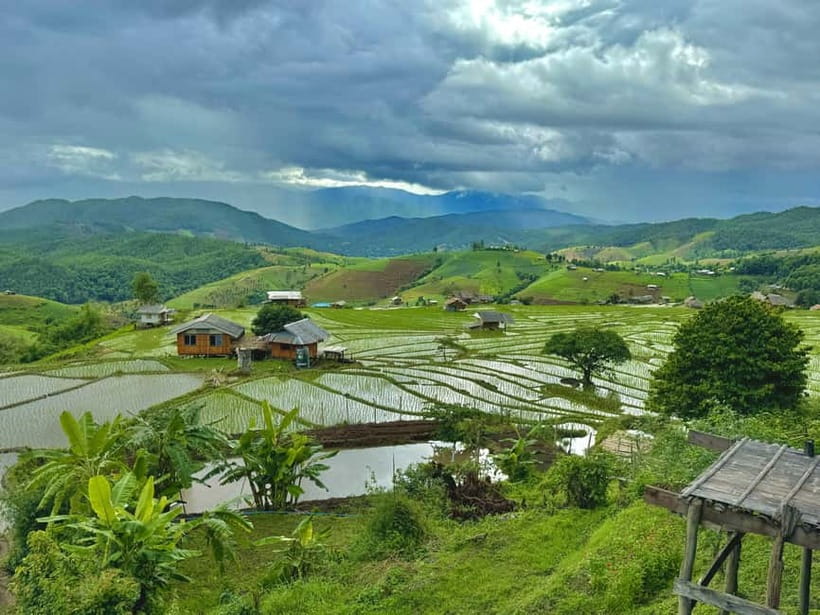
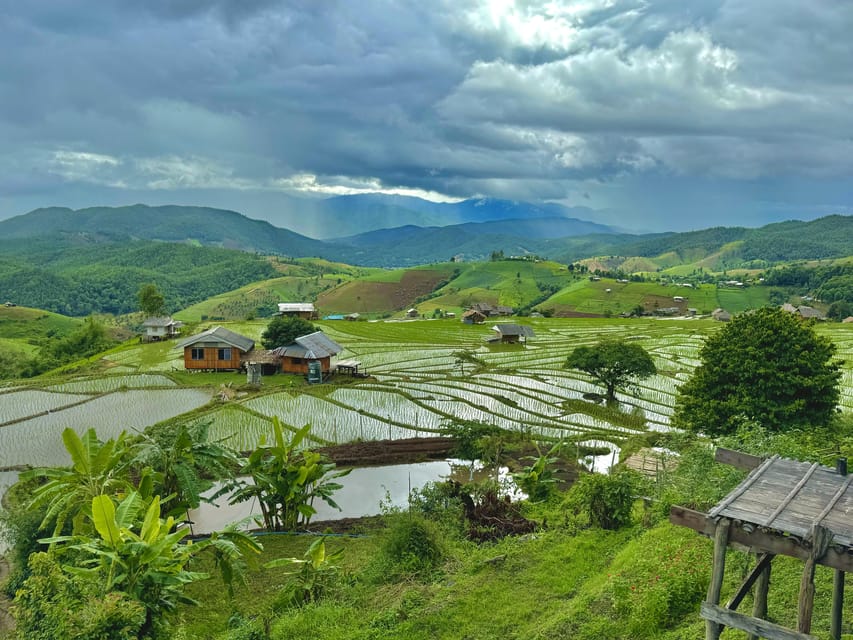
One of the most memorable parts is the late-day walk among rice terraces. The day ends with a leisurely stroll through terraces where the scenery changes color over time.
Here’s the detail that makes it special: during the rainy season, from July to October, the terraces can shift from lush green to a golden harvest look. The panorama view means you’re not just walking in narrow paths. You’re seeing a bigger mountain-to-valley picture as the day light changes.
Two reasons I like this ending:
- It’s calmer than the waterfalls.
- It feels different from the “arrive, look, leave” pattern.
If you’re planning your trip around photos, this is the moment to take your time. Ask your guide where to pause for wide views. And if clouds roll in, terraces can still look good because the light often turns softer rather than harsh.
Price, Value, and What’s Not Included in the $70
Let’s talk money like adults.
The tour costs $70 per person and includes:
- Transportation
- A guide
You should budget separately for:
- Lunch (own expense)
- Drinks (own expense)
- Entrance tickets (optional for additional places on the way)
So is it worth it? For most people who want both culture and nature in one day, yes. You’re paying for guided routing and access to several areas that would be hard to string together comfortably on your own—especially if you want the temple stop and the Karen visit, not just drive-by waterfalls.
The added value shows up in how the day is managed. The guides in this style tend to:
- adjust the route when weather disrupts plans
- add extra spots instead of cutting everything
- take time for photos, and sometimes drone video capture
One caution: because lunch and drinks are not included, don’t assume the final trip cost is exactly $70. If you like bottled water and a sit-down meal, factor in that budget.
Guide Quality and Small-Group Feel (Eddie’s Approach)
This is the kind of tour where the guide can make or break your day. In this case, the guide experience is a major selling point, especially with Eddie.
The most praised guide traits you should expect from this itinerary style:
- super organized planning
- friendly, proactive communication
- extra time to explain history and culture
- extra stops added when conditions allow
- frequent photo help, including professional-quality results and in some cases drone videos
- caring route adjustments in bad weather so you don’t end up disappointed
Language is listed as Chinese, English, and Thai. Still, one review noted limited English for a day trip. If you want detailed explanations in English, make sure you pick the language that matches your needs.
Also, bring a flexible attitude. When the day can change due to weather, your best experience comes from going with the plan the guide proposes in the moment.
What Might Feel Challenging (and Who Should Skip This)
This trip includes walking and some trekking, plus outdoor conditions in a mountain national park area. It’s not designed for everyone.
It’s not suitable for:
- wheelchair users
- people with altitude sickness
- babies under 1 year
Even if you’re not in those categories, consider these practical points:
- Expect uneven paths during waterfall stops and the trek
- Bring rain gear during rainy-season months, since terrace colors are best then but wet conditions are also more likely
- Plan for extra paid costs for lunch and drinks
If you’re someone who needs fully paved, minimal-walking routes, choose something lighter. If you enjoy nature, photo stops, and a couple of culture touchpoints, this day fits well.
Should You Book This Chiang Mai Doi Inthanon Day Trip?
Book it if you want a full-day mix that goes beyond the obvious waterfall route. This tour has a strong balance: two waterfall moments (including a trek), a quiet temple break at Wat Pgageyo Ram, and real cultural time at Ban Mae Klang Laung with Karen coffee and textiles. The rice terraces ending gives you a scenic payoff, especially if you’re visiting between July and October.
Skip it if:
- you’re sensitive to walking or slippery surfaces
- you need wheelchair-accessible routing
- you cannot handle potential altitude-related issues
- you don’t want to pay extra for lunch and any optional entrances
If you do book, go with a simple game plan: wear shoes you can trust, bring a rain layer, and lean into the guide’s alternate plan when weather changes the day. The best version of this tour is the one that adapts, not the one you hoped for on a clear forecast.
FAQ
What time does the tour start and end?
The tour starts with an 8:00 AM hotel pick-up and returns to your hotel at around 5:00 PM.
Where can I be picked up and dropped off?
Pick-up options are Chiang Mai, Central Chiang Mai Airport, and Three Kings Monument. Drop-off options are also Three Kings Monument, Chiang Mai, and Central Chiang Mai Airport.
What’s included in the price?
The price includes transportation and a guide.
What costs extra during the day?
Lunch and drinks are not included. Entrance tickets are not included either, and they are described as optional for additional places on the way.
What languages are available for the live guide?
The live tour guide is available in Chinese, English, and Thai.
Is the tour suitable for wheelchairs or altitude sensitivity?
No. The tour is not suitable for wheelchair users or people with altitude sickness, and it’s also not recommended for babies under 1 year.