REVIEW · CHIANG MAI
Full-Day Doi Inthanon Nature Tour from Chiang Mai
Book on Viator →Operated by Asian Trails LTD · Bookable on Viator
Doi Inthanon is cool, close, and visually different. This day trip takes you up to Thailand’s highest peak area, where you’ll trade Chiang Mai heat for evergreen forest air and big viewpoints, then finish with the Wachirathan Waterfall walk. I especially like how the stops are spread out: summit views and a royal stupa up top, followed by the iconic twin pagodas, and then a hill-tribe culture stop paired with lunch.
My only heads-up is that the hill-tribe portion can feel more like a short cultural visit than a long hands-on experience, with time spent walking around. Also, if weather turns, mountain viewpoints can be less dramatic than on a clear day, so go in with flexible expectations.
In This Review
- Key Highlights Worth Your Time
- Morning Pickup and the Drive Toward Thailand’s Highest Peak
- Doi Inthanon National Park: Summit Views, Forest Air, and the Birding Bonus
- Air Force Radar Station and King Inthawichayanon’s Stupa
- The Twin Pagodas of Phra Mahathat Napha Methanidon and Naphaphon Phumisiri
- Karen Hill Tribe Cultural Centre, Royal Project, and Lunch
- Wachirathan Falls: A Short Walk With a Real Payoff
- How the Pace Really Feels in a 7.5-Hour Mountain Day
- Price and Value: What You’re Paying For
- Who This Tour Suits Best (and Who Might Want to Rethink)
- Should You Book This Full-Day Doi Inthanon Tour?
- FAQ
- What time does the tour start?
- How long is the tour?
- Is hotel pickup included?
- What’s included in the price?
- Is lunch included, and what does that mean?
- Do I need to pay entrance fees separately?
- What should I bring for the mountain day?
- What if the weather is bad?
Key Highlights Worth Your Time
- Thailand’s highest-peak area at 2,595m: Cool air, thick forest, and a real change of scenery from Chiang Mai
- Bird-and-botany focus: More than 400 bird species are associated with the area, with places to spot them
- Air Force Radar Station stupa stop: A quick but memorable cultural stop tied to King Inthawichayanon
- Twin pagodas for King Bhumibol and Queen Sirikit: Beautiful symmetry and great photo angles
- Karen village + lunch: A cultural stop with an included meal (food only)
- Wachirathan Falls walk: A short hike that keeps the day active without being a full trek
Morning Pickup and the Drive Toward Thailand’s Highest Peak
This tour starts at 8:30am with morning pickup from your hotel in central Chiang Mai (downtown, main hotels only). If you’re staying outside that zone—places like Mae Rim, Hang Dong, Doi Saket, Mae Taeng, or Chiang Mai International Airport—supplementary charges may apply, or you may be asked to meet at a nearby hotel.
Once you’re in the vehicle, the day becomes a gradual climb. You’ll move through increasingly alpine scenery on the way to Doi Inthanon National Park and preserved forest. The payoff is real: the higher elevation brings a cooler climate that you’ll feel right away, and it sets the tone for everything that follows.
You can also read our reviews of more tours and experiences in Chiang Mai



Doi Inthanon National Park: Summit Views, Forest Air, and the Birding Bonus
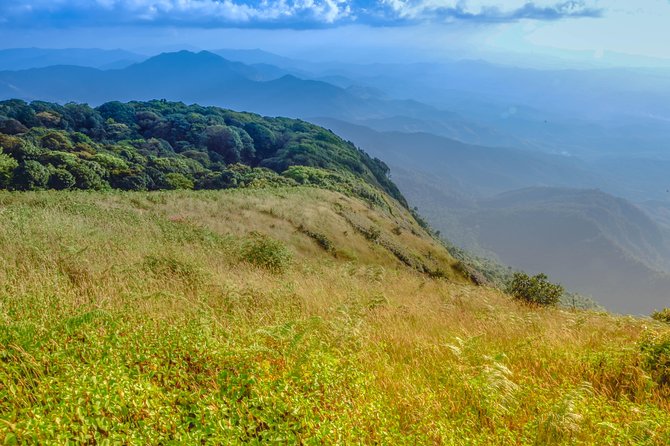
The first major stop is Doi Inthanon itself, and it’s a strong choice if you like nature with purpose—not just random photo stops. At this altitude (2,595 meters / 8,514 feet), the forest turns denser and cooler, with evergreen trees and dwarf rhododendron groves along the way.
What I’d call the hidden value here is the bird element. The region is associated with more than 400 species of birds, including Eurasian woodcocks, and the cooler forest habitat is what makes that kind of wildlife interest possible. Even if you’re not a serious birder, you’ll likely notice birds and listen for them more than you would in the city.
Practical note: bring sunglasses and sunblock even if it’s cloudy, and plan for temperature swings. The tour guidance specifically recommends a light jacket or sweater because it can get colder at higher elevation.
Air Force Radar Station and King Inthawichayanon’s Stupa
After the summit area, you’ll stop at the Air Force Radar Station, where you’ll find the stupa dedicated to King Inthawichayanon. This is the kind of stop that’s easy to gloss over if you only care about views, but it adds meaning to the day.
The stupa doesn’t ask for a long commitment—more of a pause than a detour—but it’s a reminder that this mountain region is not just scenic. It’s also tied to Thai history and royal commemoration, which helps you understand why locals treat these places with care.
If you’re taking photos, aim for a mix: wide shots of the mountaintop feel, then close-ups of the stupa details and surrounding view lines.
The Twin Pagodas of Phra Mahathat Napha Methanidon and Naphaphon Phumisiri
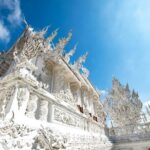
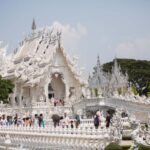
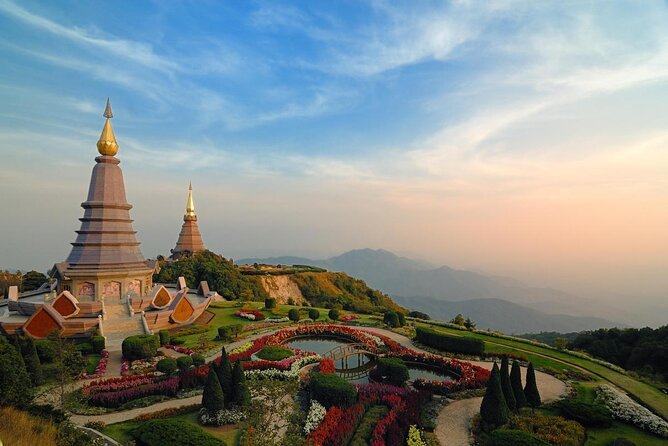
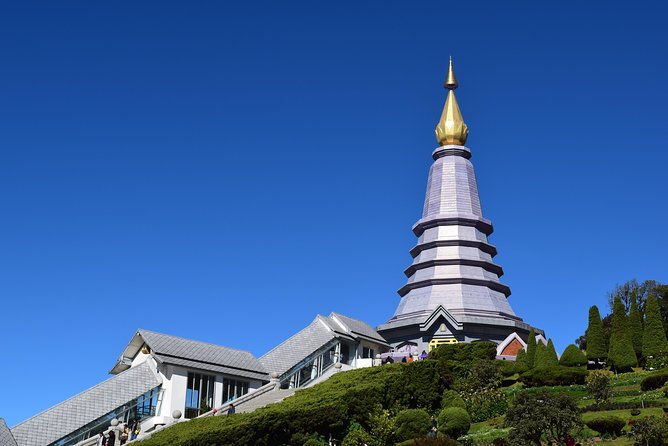
Then comes one of the most visually satisfying parts of the day: the twin pagodas built in honor of King Bhumibol Adulyadej and Queen Sirikit. These are the Phra Mahathat Napha Methanidon and Phra Mahathat Naphaphon Phumisiri pagodas, made to commemorate their fifth cycle birthdays.
I like this stop because it’s not only pretty. It gives you a clear example of how Thai royal culture shows up in mountain religious architecture. You’ll usually find that the symmetry makes the pagodas feel extra photographic, but the calmer atmosphere also gives you time to stand back and actually look.
In guide-led days, this is where good commentary matters. In past tours, English-speaking guides such as Toon and Amorn (names seen in guide feedback) were praised for sharing history and keeping the flow smooth—useful when you want the pagodas to feel like more than just a stop on a schedule.
Karen Hill Tribe Cultural Centre, Royal Project, and Lunch
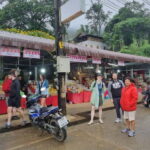
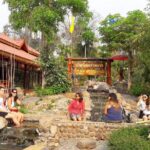
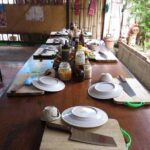
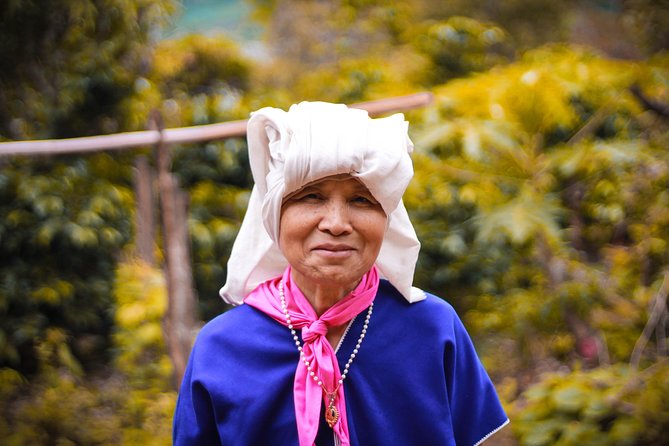
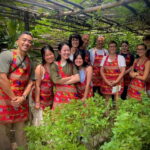
Next is the Karen hill tribe Cultural Centre and a Karen village visit area (sometimes described with ties to the Royal Project). Your included lunch is served around this stop at a local restaurant, and the inclusion is clearly food only—so plan on paying for drinks separately if you want extras.
Here’s what to watch for. The cultural portion can vary depending on timing and how the day is paced. One caution I’d give you: if you’re expecting an in-depth, hands-on workshop style visit, you may find it lighter than that. Some people felt there wasn’t much to do beyond walking around.
Still, the value is in the exposure and context. You get a chance to see how hill tribe culture is represented in a managed visitor setting, and the lunch helps keep energy stable before the waterfall hike.
If you have dietary needs, the tour operator says they’ll do their best to accommodate, but it may not be guaranteed based on the local restaurant’s options. If food matters a lot to you, message in advance and be ready with a Plan B mindset.



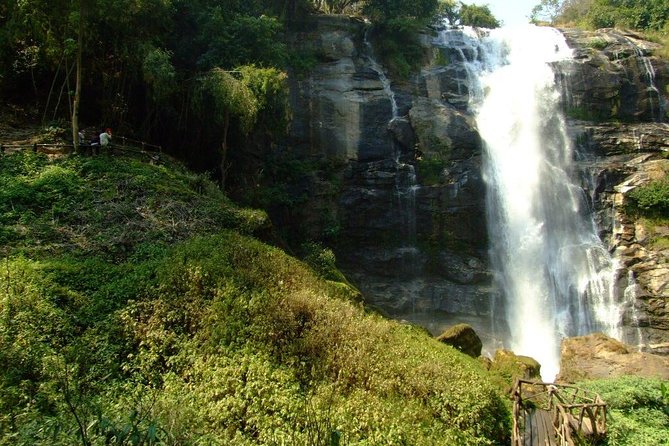
Wachirathan Falls: A Short Walk With a Real Payoff
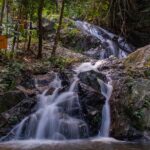
After the cultural and lunch break, you’ll head to Wachirathan Falls. This is where the day shifts into “move your legs” mode, with a short walk to the waterfall.
I like waterfall stops that aren’t a full expedition, and this fits that sweet spot: you get the sound and the sight of water without turning the day into a long trek. It’s also a good reset after temples and cultural viewing, since it’s sensory and simple.
One more practical tip: pack for changing weather. The tour notes that it needs good weather to run as planned, and many mountain days go either way. If rain arrives, traction can matter on walkways near falls—wear shoes you can trust.
If time allows, the tour can also include a stop in Chom Thong, plus a local hill tribe village and a temple with holy relics. This is optional based on time, so don’t build your entire day around it.
How the Pace Really Feels in a 7.5-Hour Mountain Day
The tour duration is about 7 hours 30 minutes, with the overall day trip described around 8.5 hours. That time block is tight enough that you’ll cover multiple distinct environments, but not so long that you’ll be miserable at the end—assuming your body handles car time and some walking.
Because this is a private tour with an English-speaking guide, the pacing can be more human than group bus tours. You can often ask quick questions, pause for photos, or adjust slightly within reason. In one positive experience, a driver named Ben was praised for patience and safe handling through holiday traffic and narrow roads near the national park area.
Still, “private” doesn’t mean “slow.” You’re moving between the summit area, pagodas, a hill tribe stop, and the waterfall. If you prefer a relaxed day with lots of wandering, consider that the itinerary is built to hit major highlights efficiently.
Price and Value: What You’re Paying For
At $163.20 per person, this isn’t a budget throw-in. So the question is value: what do you get that cheaper options often miss?
You get:
- Pickup and round-trip touring by air-conditioned vehicle (downtown Chiang Mai pickup area)
- A full day with a professional English-speaking guide
- Entrance fees included for the named stops
- Lunch included (food only)
Those items matter because mountain logistics add up fast: park access, pagoda entry, and the guide’s time in a full-day format. The cost also lines up with what a lot of visitors pay for a genuinely guided day rather than a self-drive day where you’ll spend time figuring things out.
If you’re a couple or small group, private touring often starts to look more reasonable per person, because you’re not paying “seat pricing” on a bus. If you’re traveling solo, it can still feel worth it if you want a clear plan and someone managing the mountain roads and timing.
One more value factor: you get built-in time for both nature and culture. The combination of high elevation forest, royal pagodas, a hill-tribe cultural stop, and a waterfall makes it harder to end the day feeling like you only saw one type of thing.
Who This Tour Suits Best (and Who Might Want to Rethink)
This is a great fit if you want a structured mountain day without planning. You’ll love it if you care about scenic viewpoints, cooler weather, Thai religious monuments, and a short hike that still feels like an experience.
It may be less perfect if you mainly want:
- long time in one place (this day is efficient)
- a deep, hands-on hill tribe program (time there can feel more like viewing/walking)
- a slow, unguided nature walk style (the itinerary keeps you moving)
For families and most ages, the day is often workable because the waterfall walk is short and the vehicle handles the distance. Still, if you’re sensitive to narrow roads or stairs on temple areas, plan for extra care.
Should You Book This Full-Day Doi Inthanon Tour?
I’d book it if your goal is a high-impact day that mixes Doi Inthanon views, the twin pagodas, a cultural stop with lunch, and Wachirathan Falls without the stress of coordinating the whole thing yourself.
I’d hesitate if you’re expecting a very long, immersive hill tribe activity or if you’re the type who needs lots of quiet downtime. In that case, you might want a more relaxed itinerary day, or at least be ready for the cultural segment to be shorter than you hope.
My practical advice: if you book, pack a light jacket, protect your skin and eyes, and ask the operator to confirm your pickup time as close to departure as possible. That way the day starts smoothly, and you can focus on the parts that really matter—the mountain air, the pagodas’ symmetry, and that waterfall walk.
FAQ
What time does the tour start?
The start time is 8:30am.
How long is the tour?
It runs about 7 hours 30 minutes (and the day trip is described as around 8.5 hours).
Is hotel pickup included?
Yes, pickup is offered from downtown Chiang Mai areas and restricted to main hotels. If you’re not in the pickup zone, supplementary charges may apply and you may be asked to meet at a nearby hotel.
What’s included in the price?
A full-day tour with a professional English-speaking guide, air-conditioned transportation, entrance fees for the listed stops, taxes and service charges, and lunch (food only).
Is lunch included, and what does that mean?
Lunch is included at a local restaurant, and the inclusion is food only (drinks and other items are not stated as included).
Do I need to pay entrance fees separately?
No. Entrance fees for the visits mentioned in the description are included.
What should I bring for the mountain day?
Bring sunglasses, a hat or cap, and high-SPF sunscreen. Also pack a light jacket or sweater because temperatures can drop at higher elevation.
What if the weather is bad?
The tour requires good weather. If it’s canceled due to poor weather, you’ll be offered a different date or a full refund.