REVIEW · CHIANG MAI
Half Day Traditional Handicraft Craftsmanship Tour from Chiang Mai
Book on Viator →Operated by Sightseeingbangkok.com · Bookable on Viator
Crafts in Chiang Mai, minus the hard sell. This half-day tour takes you from your hotel into two of the city’s best-known craft zones—San Kamphaeng Road and Bo Sang (Umbrella Village)—where you’ll watch skills being made, not just sold.
What I like most is how the pace is easy for a 4-hour morning plan, and how the guide keeps it practical and low-stress. You get door-to-door pickup from select central hotels (and a free radius option), plus a group capped at 10 travelers, so you’re not stuck in a big bus-march.
One thing to consider: shopping is part of the day. The tour is gentle about it, but if you really don’t want to buy anything, keep your plan to buy only small souvenirs after you’ve seen how the process works.
In This Review
- Key things you should know before you go
- First stop: from hotel comfort to San Kamphaeng’s craft highway
- San Kamphaeng Saturday Walking Street: silk weaving you can actually follow
- Baan Jang Nak: elephant-wood carvings and the factory-to-finish story
- Umbrella Village (Bo Sang): making saa-paper umbrellas from scratch
- Groups, timing, and the “don’t waste time” value equation
- Who this tour suits best (and who should skip it)
- A quick note on guides and the “friendly explanation” factor
- Should you book this Chiang Mai craft tour?
- FAQ
- What time does the tour start?
- How long is the tour?
- Is hotel pickup included?
- How many people are in the group?
- What will I do during the tour?
- Are entrance fees included?
- Do I need to bring anything?
- Are children allowed?
- Is free cancellation available?
Key things you should know before you go
- Small group (max 10) means more questions, less waiting around.
- Handmade demonstrations focus on silk weaving, wood carving, and umbrella production.
- Baan Jang Nak adds a “how it’s made” angle with elephant-wood carving and a museum style stop.
- Bo Sang umbrellas are taught from scratch using saa-paper and mulberry bark paper.
- Central Chiang Mai pickup can be free within a set radius, but extra pickup areas have a 300 THB surcharge.
- Comfortable shoes matter; you’ll walk around the craft districts at two points.
First stop: from hotel comfort to San Kamphaeng’s craft highway
Your day starts at 8:00 am, with pickup offered from selected hotels in central Chiang Mai, and a free pickup option for the city-center area (within about a 3 km radius). If your hotel is outside that center zone, you may pay a 300 THB surcharge for pickup/drop-off beyond the stated city-centre area (the tour notes it as outside roughly 5 km from the 3 Kings Monument). Either way, having an air-conditioned vehicle for the ride is a big win in the morning heat.
Once you’re dropped into the Sankampaeng district area, you’ll have a short transfer time (about 30 minutes is built into the schedule) and then you’re ready for the main craft stops. San Kamphaeng Road is basically Chiang Mai’s craft corridor—think workshops, small factories, and families making products the same way they’ve done for generations.
Why this matters for you: you don’t waste time searching for craft shops. You go straight to the place where the production happens, which makes it easier to understand what you’re seeing—and easier to choose what you actually want to bring home.
You can also read our reviews of more tours and experiences in Chiang Mai.



San Kamphaeng Saturday Walking Street: silk weaving you can actually follow
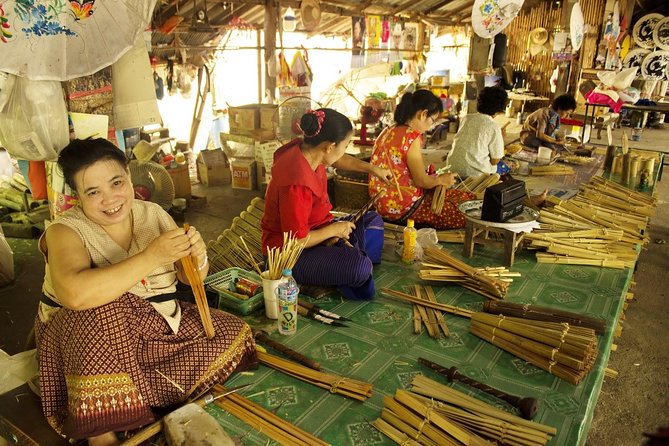
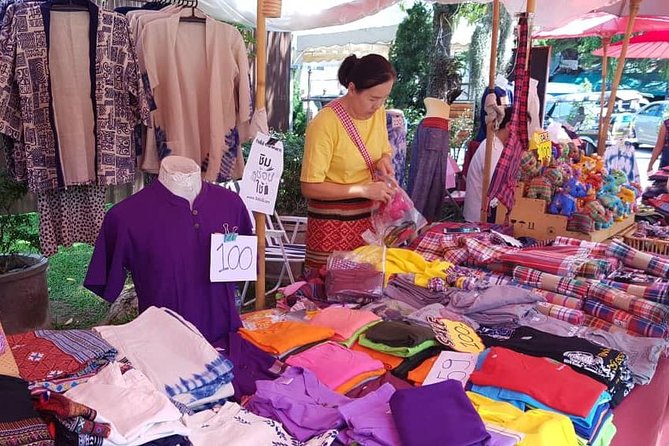
One of your first “watch it happen” moments is the San Kamphang Saturday walking street market. Even if you’re not shopping, this is where the day starts to feel real. You’ll see demonstrations connected to the craft production happening in the area, especially hand weaving silk.
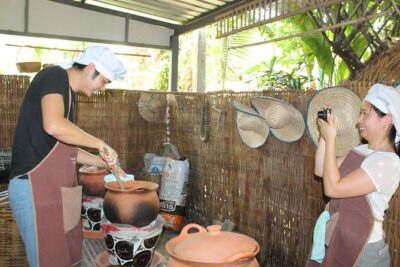
The guide-led explanation focuses on the detailed, step-by-step process of silk production, and that’s the key. Silk can look like a finished fabric in a shop window, but here you’re shown how the work connects from earlier stages to the final thread and textile. When people say it’s labor-intensive, they’re not kidding—this is work where tiny decisions matter.
The good part for most visitors: you’re not just looking at products. You’re learning how people create them, while the market atmosphere stays relaxed enough to feel enjoyable rather than rushed.
Possible catch: you’ll be around a market scene, so wear light clothes and plan for some walking. The tour recommends comfortable walking shoes, and I agree—market paths and workshop entrances can be uneven or crowded.
Baan Jang Nak: elephant-wood carvings and the factory-to-finish story
Next comes Baan Jang Nak – A Museum of Elephant Wood Carvings and a nearby stop that connects the museum vibe to real production. You’ll also pass through a wood and furniture factory where you can see how materials move from raw inputs to finished pieces—an approach that helps you spot quality differences fast.
What I found most useful here is the “process mindset.” The tour doesn’t treat wood products like magic. It frames them as a chain: material prep, cutting and shaping, finishing, and the kind of care that shows up in the final look. If you like crafts but don’t want to become an expert, this is still a very informative stop because you learn what to notice.
There’s also an exhibit at a local handicrafts center connected to the stop—items like locally made native costumes, jewelry, and home novelties. That broadens the day beyond just wood carvings and gives you a sense of how many different crafts can live under the same roof in Chiang Mai.
One practical note: this section is about viewing craftsmanship and production steps, so if you’re hoping for a super interactive workshop you can take home, you might find it more observational than hands-on. Still, it’s the kind of stop that makes later shopping feel smarter, not impulsive.
Umbrella Village (Bo Sang): making saa-paper umbrellas from scratch
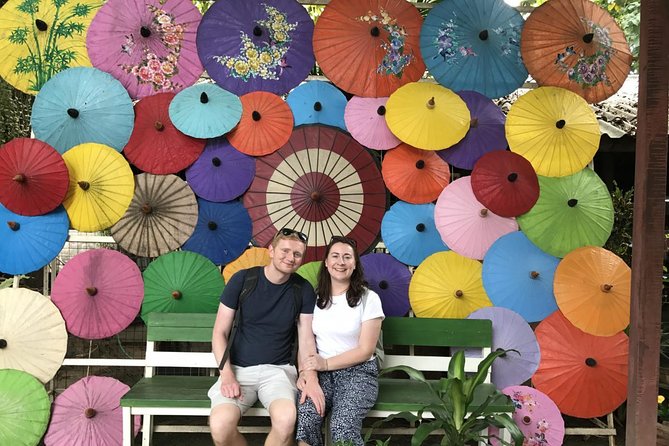
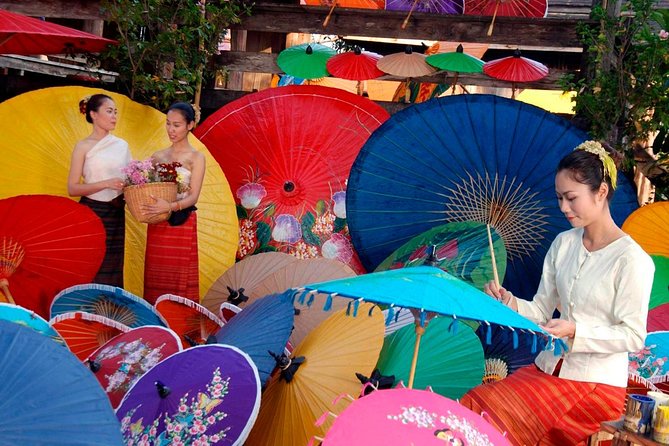
The final major craft zone is Umbrella Village – Bor Sang, where you’ll see how the famous Saa-paper umbrellas are made. This is the stop that feels the most “show-and-tell,” because the day’s focus narrows to one iconic craft: umbrellas made from saa-paper and connected to mulberry bark paper production.
You’ll get a look at the workflow from early stages to the finished umbrella, and then you’ll have time to wander through the district. The goal is to let you connect the demonstration to what’s sold right in the area.
Why it’s a strong ending: it’s satisfying. You watch the steps, you see the materials, and then you can compare what you saw with the finished products in front of you. That makes it easier to spot the difference between decorative styles and the more time-consuming details.
Shopping can happen here, too. The tour sets up time to browse and interact with locals, so if you want a souvenir that feels tied to a real-making process (not just printed “copy” art), Bo Sang is usually where you’ll want to spend your attention.
Groups, timing, and the “don’t waste time” value equation
This tour is built around a half-day duration of about 4 hours, which is ideal if you’re trying to balance crafts with temple time, food markets, or day trips. It’s also scheduled for the morning at 8:00 am, so you get going before the day gets too warm.
Group size is no larger than 10 travelers, which is meaningful here. Craft factories and demonstration points can be tight. A small group helps you avoid that awkward feeling of being herded and separated from the guide’s explanations.
About price: it’s $65 per person, which sounds like a lot until you look at what’s included. You get a guided route through craft-focused areas, plus hotel pickup and drop-off (selected hotels) and an air-conditioned vehicle. Each main stop lists admission ticket free, which improves the value if you’re the type who hates paying separate entry fees on top of a tour price.
The main variable that can affect your final cost is pickup distance. If you’re outside the free pickup range, the tour notes a 300 THB pickup/drop-off surcharge. That’s the only “watch this” detail in the cost picture, and it’s easy to plan around once you know your hotel location.


Who this tour suits best (and who should skip it)
This tour is a great fit if you like crafts and you want to understand the making process without a full-day commitment. It’s also ideal if you’re in Chiang Mai for a short stay and you want a concentrated hit of San Kamphaeng Road and Bo Sang in one morning.
You’ll likely enjoy it if:
- you care about how products are made (silk, wood carvings, and umbrellas)
- you want small-group attention while exploring workshop areas
- you might buy something small but want to feel confident about what you’re purchasing
You might choose something else if:
- you hate shopping zones entirely and want a craft tour with zero browsing time
- you prefer hands-on classes over observation and short factory/museum-style stops
A quick note on guides and the “friendly explanation” factor
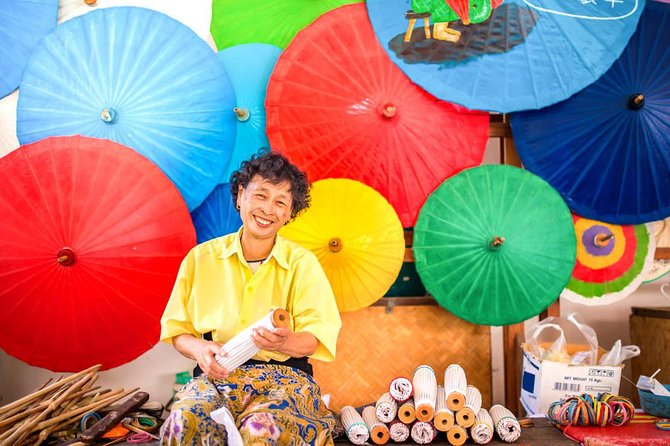
One name that shows up in feedback for this kind of craft route is Ms Ooh lala—described as someone who pointed out multiple craft enterprises and helped keep traditional skills alive. Even if your guide is different, the pattern you should expect from a good craft guide in Chiang Mai is exactly that: clear explanations, time to ask questions, and a focus on real production rather than only brand-like selling.
Should you book this Chiang Mai craft tour?
If you want an efficient, morning-length introduction to Chiang Mai’s best-known craft corridors, I’d book it. The value comes from two things working together: a guided process story (silk, wood, umbrellas) and small-group comfort with pickup and an air-conditioned ride.
I’d especially recommend it if you’re the type who enjoys souvenirs but wants them to mean something. Watching how silk weaving and saa-paper umbrella production works turns shopping into a reward, not a chore.
Just check your hotel pickup radius ahead of time, and wear shoes you can handle on market paths. Do that, and you’ll come away with a better eye for craft—and probably a couple of thoughtful mementos.
FAQ
What time does the tour start?
The tour starts at 8:00 am.
How long is the tour?
It runs for about 4 hours.
Is hotel pickup included?
Hotel pickup and drop-off are included for selected hotels. There’s also a free door-to-door pickup option in the city-center area within about a 3 km radius, and an additional 300 THB surcharge may apply outside the city centre area (noted as beyond about 5 km from the 3 Kings Monument).
How many people are in the group?
The tour has a maximum group size of 10 travelers.
What will I do during the tour?
You’ll visit craft areas along San Kamphaeng Road and Bo Sang (Umbrella Village), watch demonstrations such as hand silk weaving and umbrella making, and visit Baan Jang Nak for elephant-wood carving information.
Are entrance fees included?
The itinerary lists admission ticket free for each main stop.
Do I need to bring anything?
Wear comfortable walking shoes, since you’ll spend time walking around the districts.
Are children allowed?
Children must be accompanied by an adult.
Is free cancellation available?
Yes. You can cancel for a full refund up to 24 hours in advance of the experience’s start time, and free cancellation is offered.