REVIEW · CHIANG MAI
Evening Thai cooking class
Book on Viator →Operated by Aromdii Cooking School · Bookable on Viator
Thai cooking gets real fast when you’re choosing ingredients in a live market. This evening class in Chiang Mai pairs a short market tour with hands-on cooking at Aromdii Cookery School, so you’re not just copying a recipe—you’re learning why Thai flavors work the way they do. The two big wins for me are the step-by-step coaching (you’ll get help even if your knife skills are still loading) and the food you make feels better than typical restaurant plates because you’re building it yourself from scratch. One thing to consider: the kitchen and eating area don’t have air conditioning, only fans, so plan for warmth.
You start at Kad Kom Market and pick your menu before cooking begins, which makes the whole flow smooth. After that, you move station to station—stir-fries first, then soup and appetizers, and finally dessert plus curry paste made from scratch—then you eat what you cooked as dinner. If you want a practical souvenir (a recipe download you can use later), this is one of the better ways to spend an evening in town.
In This Review
- Key Highlights Worth Planning For
- Evening Thai Cooking Class in Chiang Mai: The Big Picture
- Where You Meet and How the Timing Feels
- What you should mentally prepare for
- The 15–20 Minute Market Stop That Changes Everything
- A practical drawback to watch
- Aromdii Cookery School: What Cooking Is Actually Like
- How the cooking stages are organized
- Menu Choices: Pick What You Want to Master
- Stir-fried options
- Appetizers to choose from
- Soup choices
- Curry plus curry paste choices
- Dessert choices
- What You Actually Eat: Dinner Built From Your Decisions
- Value for Money: Why This Is a Fair Deal
- Who Should Book This (and Who Might Not)
- My Booking Checklist Before You Go
- Should You Book the Evening Thai Cooking Class at Aromdii?
- FAQ
- What time does the evening Thai cooking class start in Chiang Mai?
- Where do I meet for the class?
- How long is the experience?
- What’s included in the price?
- Is beer or alcohol included?
- How many people are in the class?
Key Highlights Worth Planning For
- Market-first ingredient picking so you understand what you’re buying and why
- Small group (max 8) for more attention when you hit a question or a sticky spatula moment
- Menu choices across stir-fry, soup, curry, and dessert so you cook what you’re craving
- Curry paste from scratch instead of shortcuts—this is where flavor learning happens
- Recipe download included so you can repeat your favorites at home
- No aircon in the cooking/eating space, just fans, which affects comfort
Evening Thai Cooking Class in Chiang Mai: The Big Picture
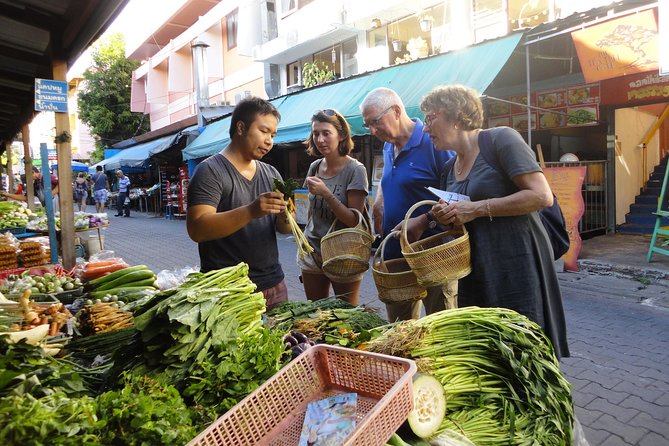
This class is built for people who want more than a demo. I like that you begin with ingredient selection, not a lecture. You head to Kad Kom Market (the meeting point is listed right there), and you get a quick walkthrough of Thai veggies, spices, and herbs. That matters because Thai cooking is ingredient-driven. When you understand what goes in—how it smells, what it looks like, and how it’s used—you can cook similar dishes later without guessing.
The evening timing also works nicely. Starting around 3:30 pm means you’re not burning your entire day to cook dinner. You’re basically turning a late afternoon into a full meal experience, and the schedule flows into the evening without feeling rushed.
Price-wise, the class is listed at $27.58 per person, which is usually the zone where cooking classes can feel either like a polished workshop or a quick food show. Here, the value comes from the structure: market ingredient picking, a small class size (max 8), and a real meal you eat at the end. Alcohol isn’t included, but you do get a welcome snack and bottle water, which helps the experience feel complete without extra spending.
You can also read our reviews of more cooking classes in Chiang Mai
Where You Meet and How the Timing Feels
You meet at Kad Kom Market, address given on the booking info, starting at 3:30 pm. The class runs about 4 hours 30 minutes and ends back at the meeting point. The dinner timing is part of the point: by the time you finish dessert and curry, you’ve got a full homemade meal to eat right there, not later on your own.
There are also logistics covered. Pickup is offered from select areas, and you’ll have a mobile ticket. Even if you don’t use pickup, the meeting spot is described as near public transportation, which is useful if you’re exploring on your own around Chiang Mai first.
What you should mentally prepare for
- You’re going from market to cooking school with a bit of walking and standing.
- The cooking room runs warm because there’s no air conditioning, only fans.
- You’ll be making multiple items through the stages, not just one dish.
The 15–20 Minute Market Stop That Changes Everything
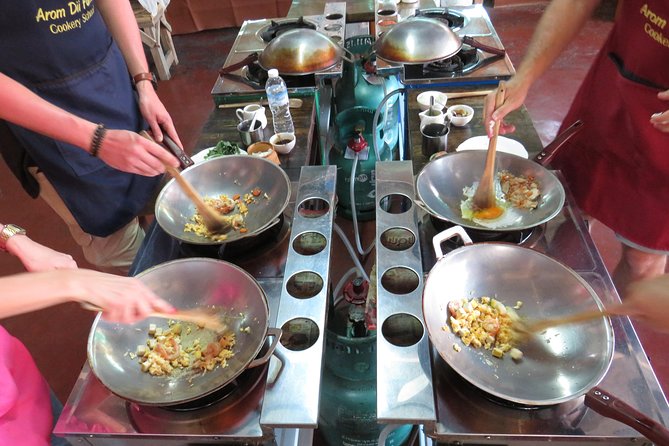
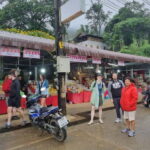
The market part is short—about 15 to 20 minutes—but it’s designed to set you up for success. Before class starts, you choose your dishes from the menu. Then, during the market stop, everyone selects the produce needed for the dishes they picked.
This is the moment I’d recommend paying attention, even if you’re not a big food nerd. Thai markets can be overwhelming, especially if you don’t know the spice names or what looks similar but tastes different. Here, you’re shown Thai veggies, spices, and herbs in context. That makes it easier later when you’re holding an ingredient and realizing it’s not just for looks.
You can also take photos and, if you want, buy some spice to take home. That’s a nice option if you want at least one ingredient shortcut without trying to find everything back at home. The market is also an easy way to get a feel for Chiang Mai flavors without committing to a long tour.
A practical drawback to watch
Since this market stop is weather dependent (good weather is required for the experience), you might want to keep your expectations flexible if skies are unstable. Even if you’re in rainy season travel mode (July to October), the plan works best when the market can run smoothly.
You can also read our reviews of more evening experiences in Chiang Mai




Aromdii Cookery School: What Cooking Is Actually Like
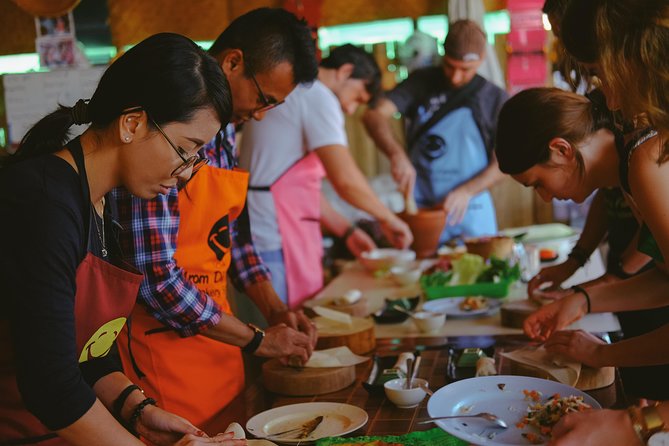
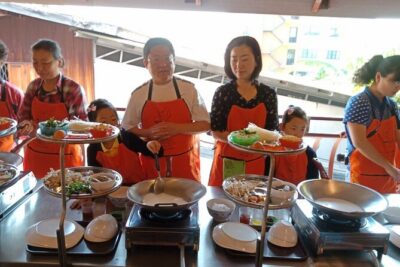
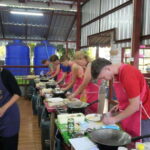
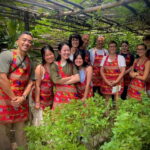
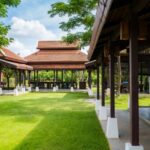
Once you reach Aromdii Cookery School (the main stop listed in the itinerary), the vibe is simple: you cook, you get coaching, and you eat what you make. The class is described as small, with up to 8 travelers, which is a big deal. In larger classes, you often feel like you’re waiting your turn. Here, you’re more likely to get hands-on help when you’re figuring out timing or texture.
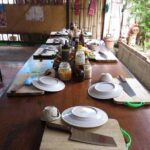
There’s another reality check worth mentioning: the kitchen and eating room have no aircon, only fans. That affects comfort, especially if you tend to get heat-sensitive. If you’re the type who sweats fast, pack light clothing and hydrate before you go. The class includes bottle water, but it’s still smart to start the afternoon in good shape.
How the cooking stages are organized
The class doesn’t jump randomly between dishes. It runs in stages:
- You start with stir fried dishes
- Then you move into soup and appetizers
- Finally you finish with dessert and curry paste
This order makes sense because certain tasks need prep time. Also, cooking from scratch (like curry paste) tends to be the “hands busy and learning happens” part of the evening.
Menu Choices: Pick What You Want to Master
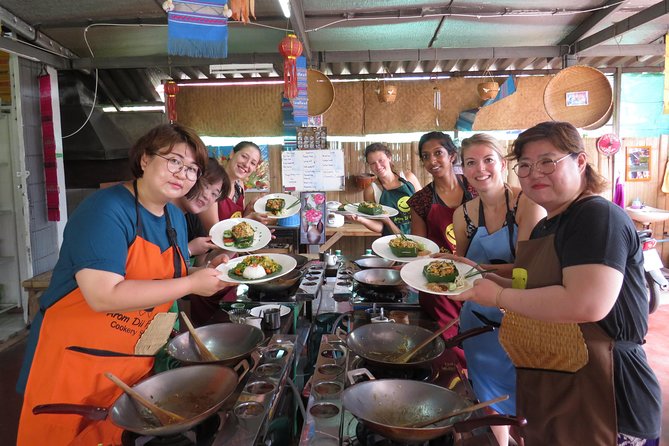
Your menu choices cover a wide range of Thai comfort foods. You’re not locked into one dish, so you can steer your learning toward what you actually like eating. That flexibility is one of the best reasons to book this style of class instead of a basic Thai noodle-only workshop.
Stir-fried options
You can choose one from:
- Pad Thai
- Fried Drunken noodles
- Pad See Ew
- Fried cashew nut
These are great choices if you want dishes that are usually easy to find ingredients for later, and they teach a lot about stir-fry technique. Even if you don’t nail the perfect wok timing, you’ll understand how Thai stir-fry sauce flavors build.
Appetizers to choose from
You can choose one from:
- Papaya Salad
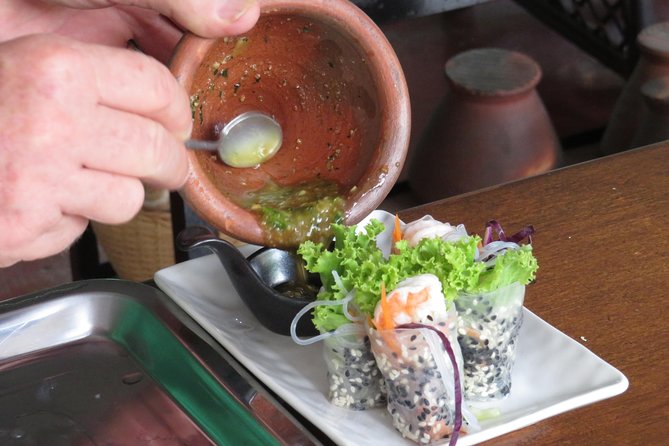
- Fresh spring rolls
- Fried spring rolls
- Mixed fruits salad
Papaya salad is especially useful for learning balance—sour, salty, and fresh notes working together. If you’d rather keep it lighter, fruit salad can help you end up with a varied plate without turning the whole meal heavy.
Soup choices
You can choose one from:
- Hot & Sour Prawns thick soup
- Coconut chicken
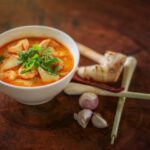
- Tom Yum Chicken
- Hot & Sour prawns clear soup
Soups are a great way to learn Thai flavor structure because you taste the seasoning directly in the broth. Tom Yum is known for its punchy sour-spicy character, while coconut-based options tend to teach creaminess and how spice behaves when it’s mellowed.
Curry plus curry paste choices
This is the section you’ll remember. You’ll make curry paste from scratch, then cook curry based on your choice:
- Khao Soi (Chiangmai noodles)
- Green curry
- Massaman curry
- Red curry
Learning curry paste is where value really shows up. Pre-made paste can give you a decent result at home, but making it forces you to pay attention to aromatics and how grinding changes flavor. For me, this is the core skill in Thai cooking. If you learn one thing from the class, let it be this.
Khao Soi is also a smart local choice if you’re spending time in Chiang Mai specifically. It’s not just generic “Thai curry”; it ties the experience to northern Thai tastes.
Dessert choices
You can choose one from:
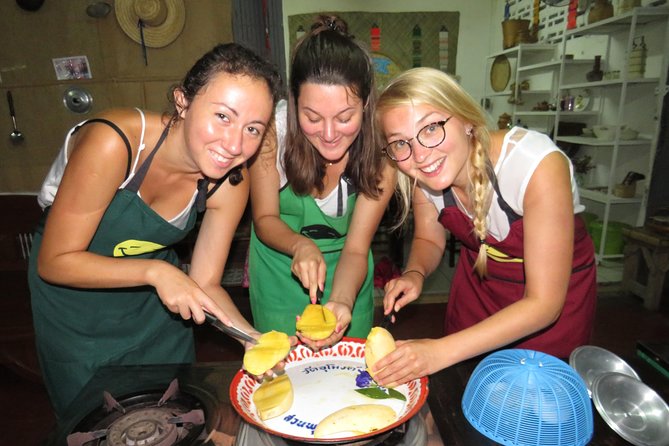
- Mango sticky rice
- Pumpkin in coconut milk
Dessert rounds out the meal in a way that makes the whole evening feel complete. Mango sticky rice is a familiar favorite, but doing it in a class setting helps you understand the texture side—sticky rice and sweet sauce balance matters. Pumpkin in coconut milk is comforting and pairs well with spicy dishes.
What You Actually Eat: Dinner Built From Your Decisions
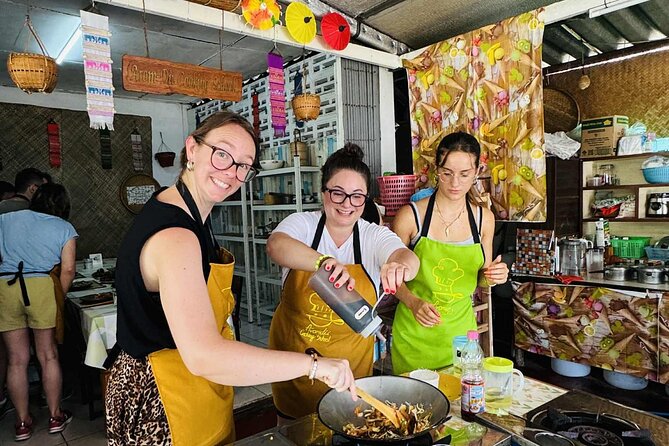
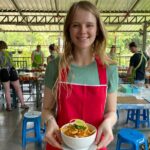
At the end, your handmade dishes become dinner. The class includes dinner and a welcome snack, plus bottle water. Since beer or alcohol isn’t included, you’ll want to plan for that if you drink socially. But even without alcohol, the menu set is built to feel like a full meal: you’ll have stir-fry, soup/appetizer, curry, and dessert.
This is one of those experiences where you leave full with real food, not just photos and crumbs of learning. And because you picked dishes beforehand, it doesn’t feel like you’re settling. You’re cooking what you wanted to eat, which makes the whole evening more satisfying.
Value for Money: Why This Is a Fair Deal
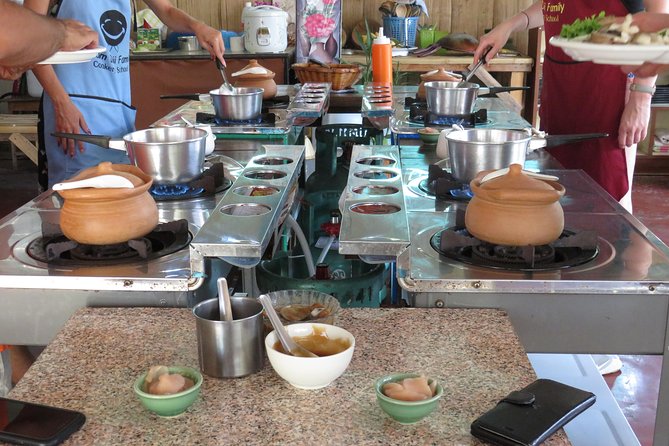
Let’s talk value in a practical way. At $27.58 per person, you’re paying for:
- market ingredient selection (not just a walk-and-watch stop)
- instruction while you cook multiple dishes
- curry paste made from scratch (more work, more learning)
- a full dinner with multiple components
- a handmade recipe download included on the website
Many cooking classes charge a similar amount but focus on a single dish or act like a show where you don’t really control the food. This one is structured so you actively cook and then eat the results. Also, the class limit of up to 8 travelers is a quiet cost driver—but it’s exactly what helps you get better outcomes, especially if you’re new to Thai cooking.
So if you want one evening in Chiang Mai that teaches you something you can reproduce, this is good value. If you’re only looking for a casual snack and don’t care about cooking skills, you might feel the time is a bit long. But if you like hands-on learning and want a meal you can repeat at home, it fits.
Who Should Book This (and Who Might Not)
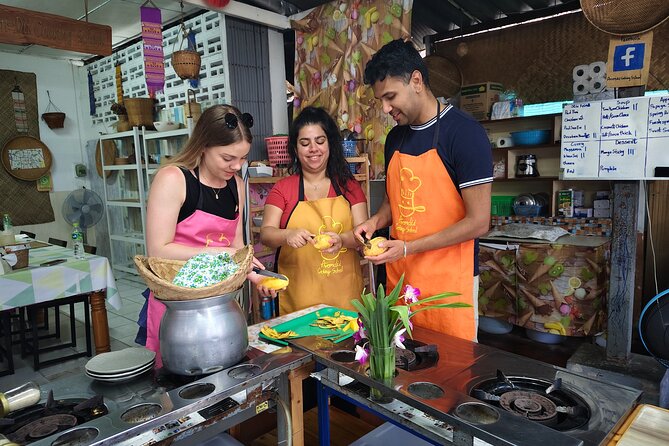
This class is ideal if:
- you want Thai cooking skills you can recreate later
- you like the idea of choosing a menu and cooking your own dinner
- you prefer a smaller group with more attention
- you’re curious about curry paste and how Thai dishes start with aromatics
It may be less ideal if:
- you hate warm rooms (no air conditioning, only fans)
- you’re very sensitive to heat or humidity
- you want a class focused on alcohol pairing or long dining time (beer/alcohol isn’t included)
If you’re traveling solo, it still works because you’ll be grouped into a small class. Couples also fit well since you’re both making dishes and sharing the meal you cooked.
My Booking Checklist Before You Go
Use this as your quick prep list:
- Pick your dishes early in your mind. You’ll choose menus before the class, and that helps the market stop run efficiently.
- Wear breathable clothes. The kitchen/eating room is warm.
- Bring your appetite. You’re making multiple courses, not just one recipe.
- Plan for curry paste learning. If you love Thai flavors, this is the highlight section to focus on.
- Think about souvenirs differently. You may be able to buy spices at the market, plus you get recipe download back home.
Should You Book the Evening Thai Cooking Class at Aromdii?
Yes, if you want a hands-on Chiang Mai experience that turns into dinner and a skill you can repeat. The combination of ingredient picking at Kad Kom Market, a small class size up to 8, and curry paste made from scratch makes this feel like more than a tourist meal.
I’d recommend booking especially if you care about learning the why behind Thai flavor—spices, herbs, and how sauces and pastes get built. The only real caution is comfort: the cooking and dining area has no air conditioning, only fans. If that won’t bother you, this is a strong pick for an evening in Chiang Mai.
FAQ
What time does the evening Thai cooking class start in Chiang Mai?
The class starts at 3:30 pm.
Where do I meet for the class?
You meet at Kad Kom Market (listed address: บ้านเลขที่19 3มบ เวียงทอง 1 Tambon Chang Khlan, อ.เมือง Chang Wat Chiang Mai 50100, Thailand).
How long is the experience?
It runs about 4 hours 30 minutes.
What’s included in the price?
The price includes dinner, a welcome snack, bottle water, a handmade recipe download, and transportation if you are within 3 kms of the place (and pickup is offered from select areas).
Is beer or alcohol included?
No. Beer or any alcohol is not included.
How many people are in the class?
The class has a maximum of 8 travelers.