REVIEW · CHIANG MAI
Chiang Mai Cooking Class
Book on GetYourGuide →Operated by TTWU Company Limited · Bookable on GetYourGuide
Cooking Thai food in Chiang Mai starts with the market.
I like that this class pairs a local market visit with real cooking, so you understand the ingredients instead of just following steps. I also like the small-group pace (up to 10 people) with an English-speaking instructor, including examples from Opal, who makes the lesson feel fun and doable.
The one thing to consider: it’s a full 5 hours, so you’ll want to plan a lighter day around it rather than squeezing in extra sightseeing.
In This Review
- Key highlights worth planning for
- Chiang Mai market shopping: the part that makes everything else easier
- From pickup to open-air cooking: how the class feels in real life
- The Thai menu flow: what you’ll actually cook for your meal
- Dietary options: vegetarian, vegan, and gluten-free that don’t feel like an afterthought
- What you’re paying for: value at $45 per person
- Logistics that matter: timing, pickup zone, and class rhythm
- Who should book this Chiang Mai cooking class (and who might skip it)
- Should you book? My recommendation
- FAQ
- How long is the Chiang Mai cooking class?
- Where does pickup happen?
- What is included in the price?
- How many people are in the group?
- Are vegetarian, vegan, or gluten-free options available?
- What languages are used during the class?
- Is the market visit part of the experience?
- Is there an option for a private class?
- What’s the cancellation policy?
- Can I reserve without paying right away?
Key highlights worth planning for
- Local market shopping with your chef to pick ingredients before you cook
- Small group size (up to 10) so questions don’t get lost
- Hands-on Thai cooking where you actively make multiple dishes
- Dietary choice for vegetarian, vegan, or gluten-free options
- A complete meal flow from appetizers and soups to curry and mango sticky rice
- Pickup in Chiang Mai Old Town so you can skip the logistics headache
Chiang Mai market shopping: the part that makes everything else easier
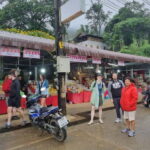
Before you touch a stove, you’ll get picked up from the Chiang Mai Old Town area. Then you head out with the chef to a local vegetable market. This is one of those experiences that seems simple on paper, but it changes how you cook.
Here’s why I think the market stop is the secret sauce:
- You see the ingredients in real life, not as vague items on a shopping list.
- The chef can explain what matters for taste and texture—like what to look for, and how ingredients behave in Thai cooking.
- You’re not just learning recipes; you’re learning decisions.
Even better, you’ll help buy groceries for the class. That means you’re actively participating from the start, and you’ll recognize ingredients later when you’re back in the class kitchen.
From the reviews, the market visit is a standout for many people because it gives context and lots of small learning moments. Expect the chef to explain things as you go—how ingredients are used, and how they fit into the menu you’ll cook.
You can also read our reviews of more cooking classes in Chiang Mai
From pickup to open-air cooking: how the class feels in real life
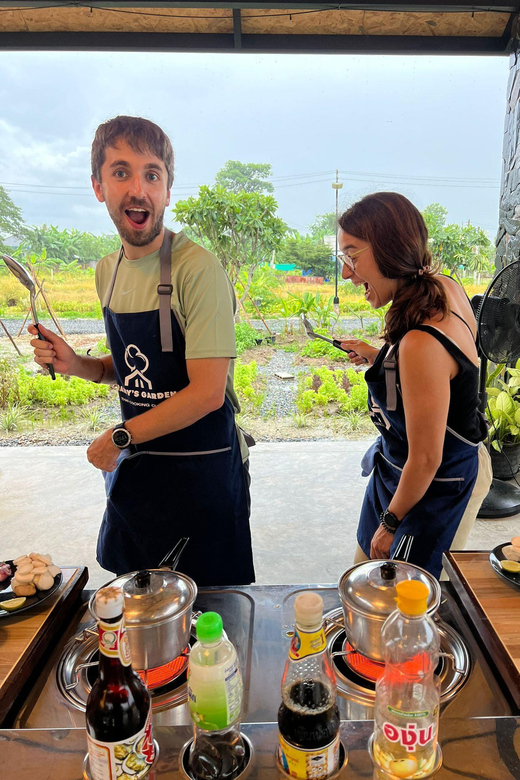
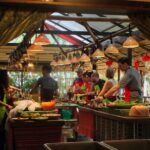
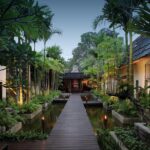
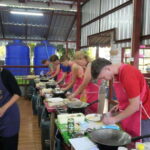
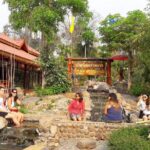
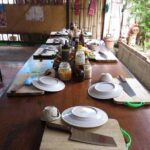
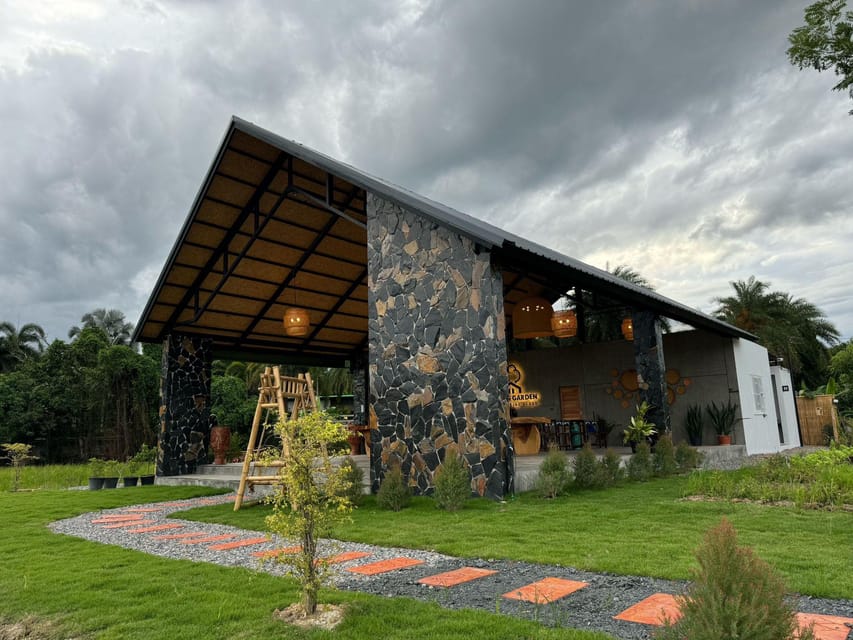
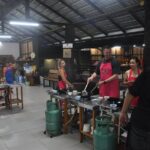
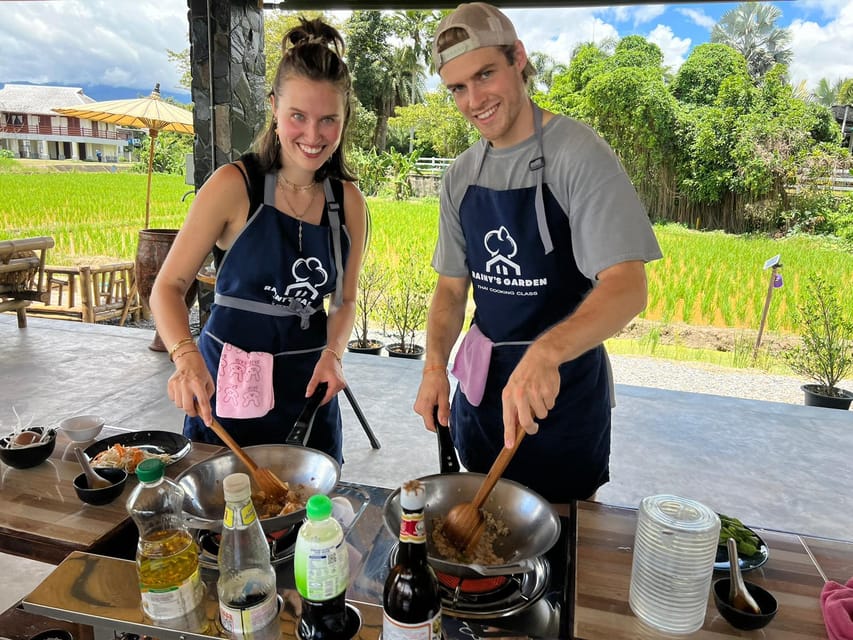
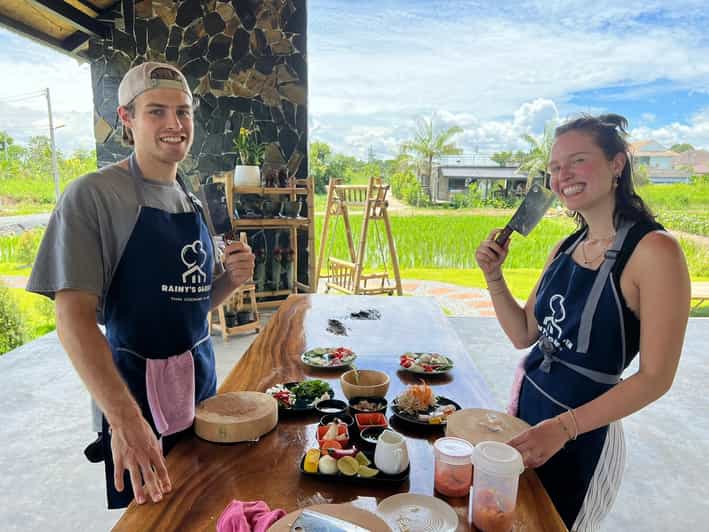
Once the market part is done, you go to the cooking class itself. In at least one recent experience, the lesson took place at a nice open-air cooking location outside of Chiang Mai, which helps it feel relaxed instead of cramped and overheated.
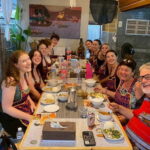
You’ll join the group with other participants. The class is limited to 10 people, which matters more than you might think. Smaller groups mean:
- You get attention when something doesn’t make sense.
- You can move through tasks without waiting forever.
- You’ll have an easier time asking practical questions in real time.
Language-wise, the instructor works in English and Thai. That’s a big deal for a cooking class because good translation isn’t about vocabulary—it’s about technique. You want to understand how to handle herbs, balance flavors, and adjust as you cook.
If you’re hoping for private instruction, there’s an option for that too—you just need to message separately. Most people will be happy in the small group setup, but private can be great if you have a specific learning goal or dietary needs and want extra time.
The Thai menu flow: what you’ll actually cook for your meal
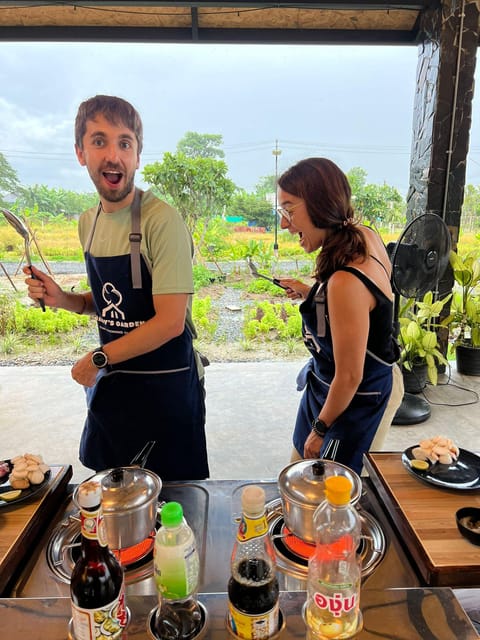
This isn’t a one-dish workshop. The class is built around a full menu with a clear rhythm from start to finish. Based on the class experience described in the reviews, you’re likely to make multiple categories such as:
- One appetizer
- One soup
- One rice or noodle dish
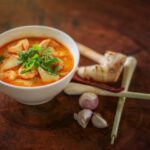
- One curry
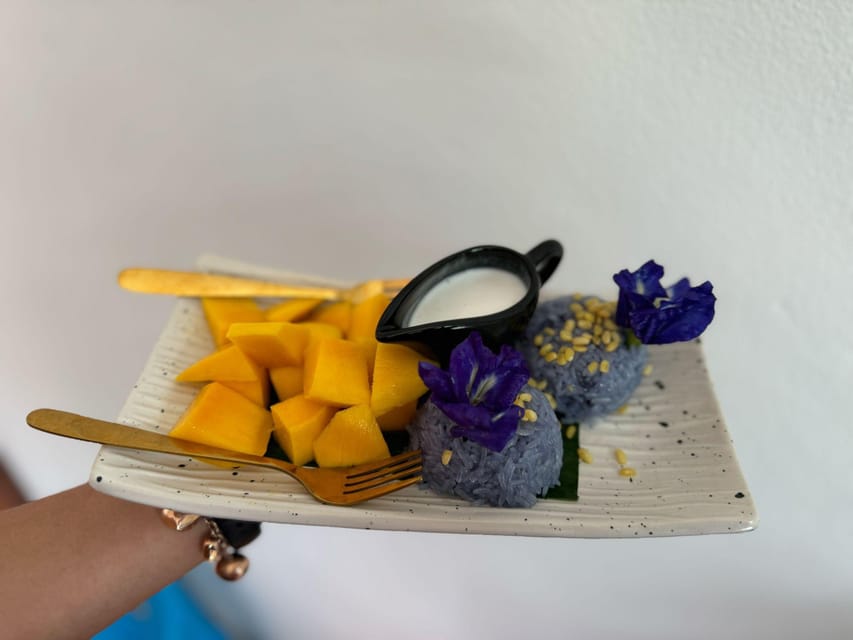
- Mango sticky rice for dessert
That order is smart. Thai meals often move from lighter starters into warming soups, then heavier mains like curry, and finally something sweet. Cooking it in that sequence helps you taste the logic of the cuisine rather than treating each dish like a separate project.
You’ll also get a chef-led introduction to the Thai kitchen, including the history and the menu in detail before you start cooking. I like lessons that do this because it gives you a framework. When you understand what a dish is supposed to taste like, you can troubleshoot while you cook.
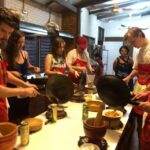
Then the hands-on part begins: you work on your selected dishes with ingredients provided. Since all ingredients are included, you can focus on technique instead of scrambling for items later.
One more detail I appreciate from the review experience: the pace sounds well managed. People mentioned that the class had lots of food without dragging on forever, which is exactly what you want when you’re spending the day cooking.
Dietary options: vegetarian, vegan, and gluten-free that don’t feel like an afterthought
If you eat vegetarian, vegan, or gluten-free, this is one of the better setups I’ve seen because you have options for the dishes you prepare.
You’ll have the choice to prepare:
- Vegetarian
- Vegan
- Gluten-free
And the chef will guide you through it as part of the class. That’s important. In some experiences, special diets turn into a side workaround. Here, the class format is structured so you can still cook a full menu that makes sense.
Practical tip for you: when you book, think ahead about what you want most—curry, soup, dessert, or noodles—then choose dietary-friendly versions that still match the flavors you love. Thai food can be surprisingly flexible, but your enjoyment improves when you’re picking dishes intentionally, not just reacting to what’s available.
The mango sticky rice also deserves a note. Thai desserts often anchor the final flavor experience, and being able to end the meal with something complete is a big part of why a cooking class feels satisfying rather than like work.
What you’re paying for: value at $45 per person
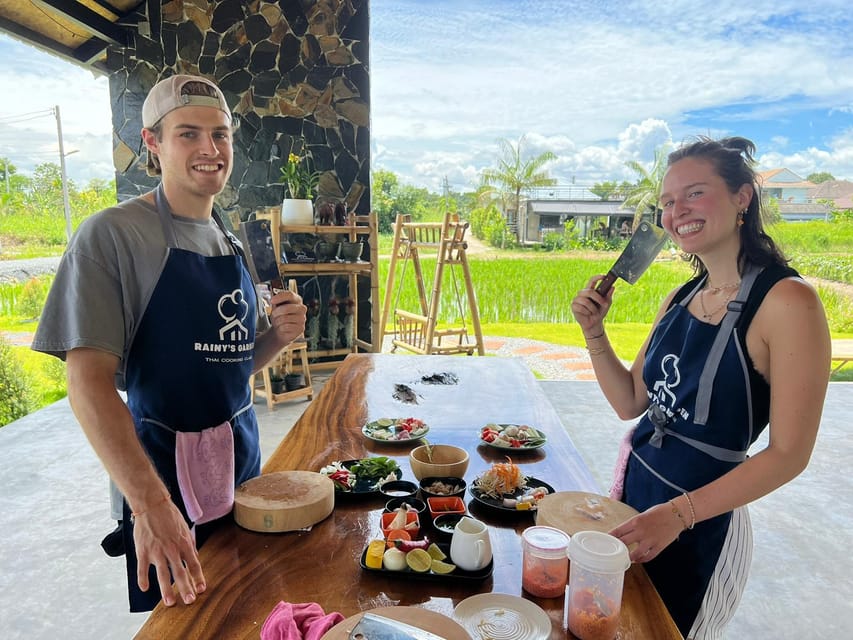
$45 for a 5-hour, hands-on Chiang Mai cooking class can seem straightforward, but the value comes from what’s included and how much food you leave with.
Here’s what justifies the price:
- Market visit plus grocery shopping with the chef (not all cooking classes include this)
- All ingredients for the dishes you cook
- Hotel pickup and drop-off within Chiang Mai Old Town
- Small group structure (up to 10 participants)
- A full meal sequence of multiple dishes, not a single sampler
If you compare it to buying cooking gear and ingredients on your own, you’re really paying for instruction and a guided shopping trip. And compared with casual restaurant meals, you’re getting far more than one plated experience—you’re cooking, tasting, and learning.
In other words: this price makes sense when you want a real skill-building session and a lot of food in one day.
You can also read our reviews of more tours and experiences in Chiang Mai

Logistics that matter: timing, pickup zone, and class rhythm
This tour runs for about 5 hours. Starting times depend on availability, so check what works with your day in Chiang Mai.
You’ll be picked up from the Old Town area, which is convenient if you’re staying nearby and don’t want to negotiate transport. That pickup-and-drop-off support is one of the easiest value adds on the day, especially after a market walk when you’re hungry and ready to cook.
Also note: the experience manager contacts you after booking to finalize and confirm. That’s good for reducing surprises, since you’ll have a clear plan for pickup and timing.
For timing sanity, plan your schedule so you’re not rushing in from a long trip right before class. You’ll be moving through market and kitchen steps, and the day feels best when you’re present.
Who should book this Chiang Mai cooking class (and who might skip it)
This class is a great match if you:
- Want a practical Thai cooking skill set, not just a food tasting
- Like learning why ingredients matter (market stop helps a lot)
- Prefer a small group setting where instruction is easier to follow
- Need vegetarian, vegan, or gluten-free options
You might think twice if:
- You hate structured schedules and prefer wandering freely with minimal commitments
- You’re looking for something only casual and quick—this is a full cooking session with multiple dishes
If your goal is to eat well in Chiang Mai while also taking home technique, this is exactly the kind of activity that pays off later when you cook at home.
Should you book? My recommendation
Book this Chiang Mai cooking class if you want the best kind of souvenir: a meal you cooked yourself, plus the ingredient knowledge behind it.
I’d especially recommend it if:
- Your travel style includes food education, not just eating
- You want dietary flexibility (vegetarian, vegan, gluten-free)
- You like a guided experience with a small group and an instructor who can explain in English and Thai
You might skip it if your day is already packed and you can’t spare a solid 5 hours. Otherwise, the market-to-kitchen flow is exactly what makes this class worth your time.
FAQ
How long is the Chiang Mai cooking class?
The class lasts about 5 hours.
Where does pickup happen?
Pickup is included if you’re in the Chiang Mai Old Town area.
What is included in the price?
It includes hotel pickup and drop-off (Old Town area), a local market visit, a hands-on cooking class, all ingredients, and a local chef.
How many people are in the group?
It’s a small group limited to 10 participants.
Are vegetarian, vegan, or gluten-free options available?
Yes. You can choose to prepare vegetarian, vegan, or gluten-free dishes.
What languages are used during the class?
The instructor and experience are supported in English and Thai.
Is the market visit part of the experience?
Yes. You’ll visit a local vegetable market and help buy groceries for the cooking class.
Is there an option for a private class?
A private class option is mentioned if you message separately.
What’s the cancellation policy?
There is free cancellation up to 24 hours in advance for a full refund.
Can I reserve without paying right away?
Yes. You can reserve now & pay later, meaning you pay nothing today.