REVIEW · CHIANG MAI
Chiang Mai: Doi Suthep and Hmong Village Half-Day Tour
Book on GetYourGuide →Operated by Oh-Hoo · Bookable on GetYourGuide
A temple day with a culture detour. This half-day tour mixes the legend-soaked Doi Suthep viewpoint with a hands-on look at Hmong life, all wrapped in comfy A/C rides. I like that it’s built for people who want big sights without losing the whole day, and you get a real change of pace after the temple climb.
Two big wins: the temple visit is steeped in story (including the famous white-elephant legend and Buddha relic tales), and the Hmong village stop gives you a window into everyday traditions and artistry. One thing to consider is that both stops can feel busy—especially around the main temple—so you’ll want to keep expectations realistic and move with the crowd.
In This Review
- Key highlights worth your attention
- Wat Phra That Doi Suthep: temple legends, steps, and big sky views
- The mountain drive that frames Chiang Mai from above
- Hmong village visit: culture, daily life, and small add-on moments
- How the 4-hour format feels in real life
- Price and value: what you get for about $28
- Comfort and practical tips that keep the day easy
- Should you book the Doi Suthep and Hmong village half-day?
- FAQ
- How long is the Chiang Mai: Doi Suthep and Hmong Village half-day tour?
- Where is hotel pickup available?
- What time does pickup start?
- Does the tour include admission fees and skip the ticket line?
- How do you reach Wat Phra That Doi Suthep?
- How much time is spent at the main stops?
- What’s included in the Hmong village visit?
- What language is the tour guide?
- What should I bring and wear?
- Is the tour suitable for pregnant women or people with mobility impairments?
Key highlights worth your attention
- Wat Phra That Doi Suthep perched on a mountain, with history reaching back to 1383
- 306-step ascent or tram option so you can choose effort vs. convenience
- Panoramic views of Chiang Mai skyline from the temple area
- Hmong village walk focused on culture, craft, and daily life
- Optional extras at the village like a waterfall stop and locally made coffee
Wat Phra That Doi Suthep: temple legends, steps, and big sky views
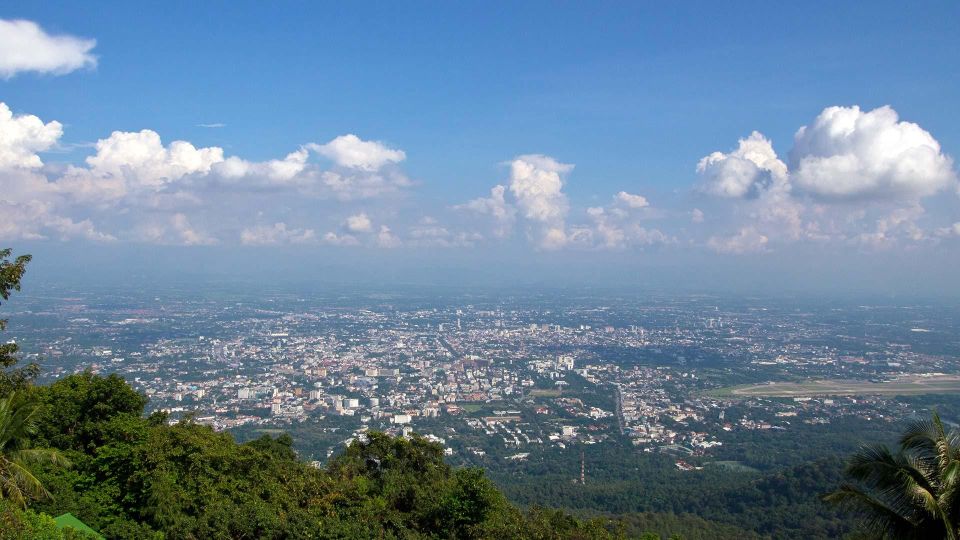
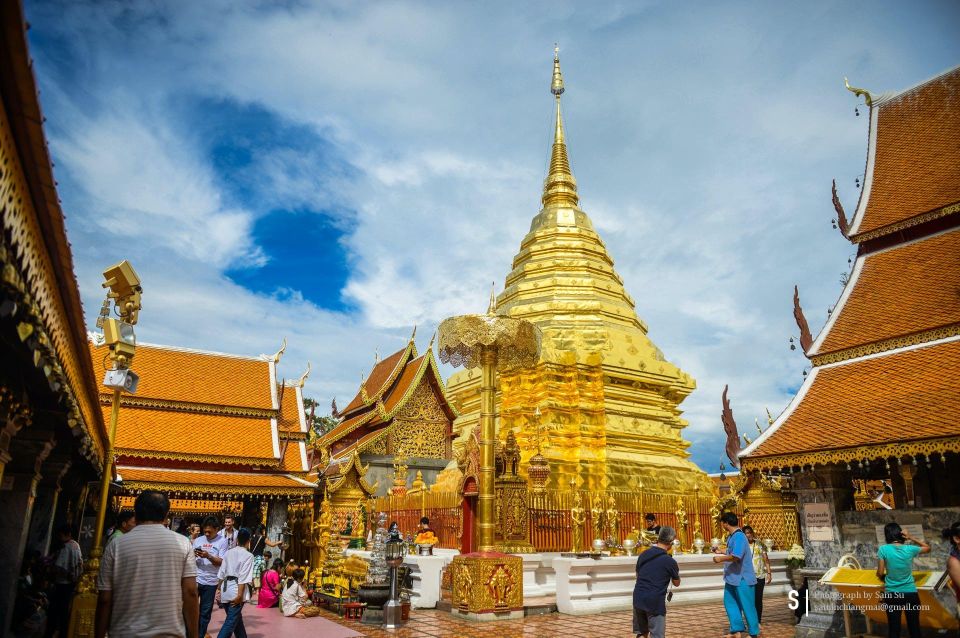
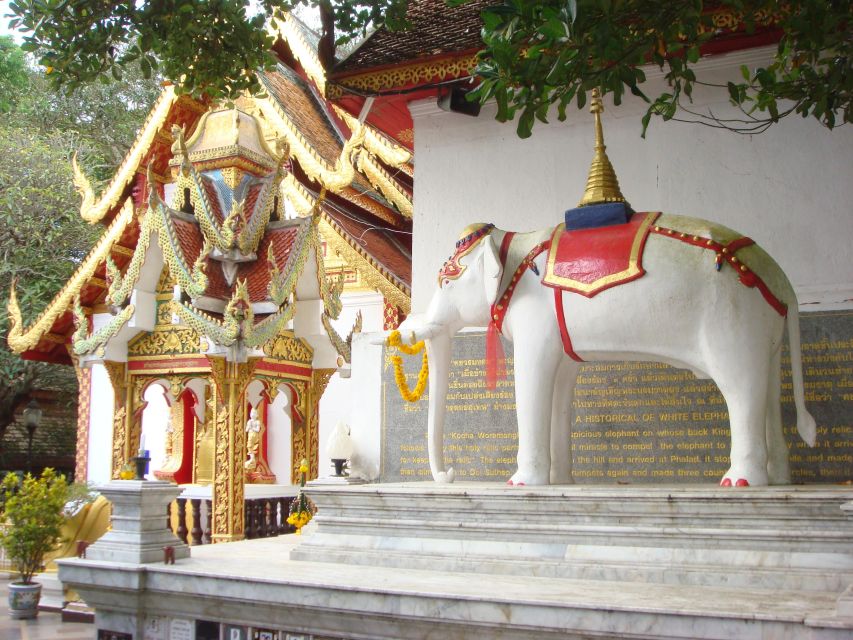
Wat Phra That Doi Suthep is the main event, and the setting does a lot of the work for you. The temple dates to 1383, and the stories tied to it are part of the appeal: legends involving white elephants, plus accounts of sacred Buddha relics. Even before you get fully inside, you’re already in “myth + viewpoint” territory.
Once you’re there, the experience is about more than photos. You’ll get a chance to explore the sanctuary area and take in the views over Chiang Mai. The tour also includes a safety briefing, which matters because temple areas involve steps, uneven ground, and lots of foot traffic.
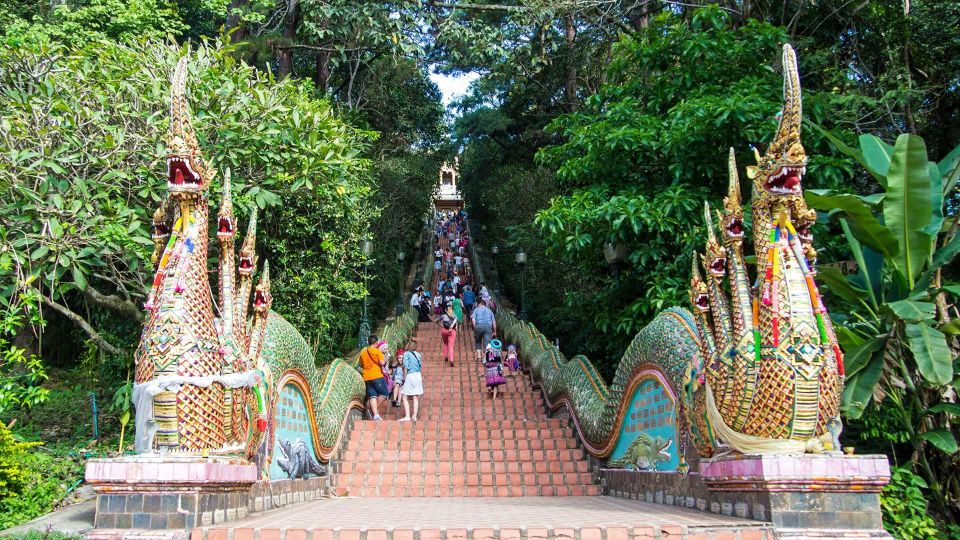
Then comes the decision point: you can take the symbolic 306 steps or use the tram for a more relaxed ascent. If you’re traveling with limited time or you just don’t want to burn your energy on a stair circuit, the tram is the smarter choice. If you like movement and want the classic feeling of “earned views,” the steps do add that sense of arrival.
You can also read our reviews of more tours and experiences in Chiang Mai



The mountain drive that frames Chiang Mai from above
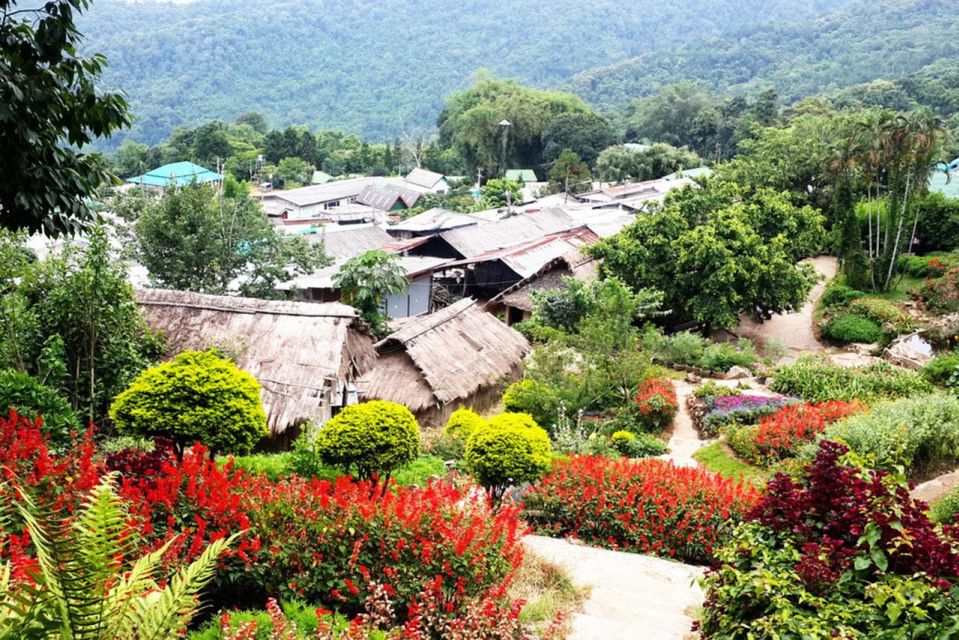
Before you even reach the temple, you’ll get the scenic mountain ride that makes Doi Suthep feel like its own world. The drive is where you start noticing how spread out Chiang Mai can be—then you finally get the full skyline view once you’re up near the temple grounds.
One practical note: the tour description doesn’t promise extra dedicated viewpoint stops on the way up. You might find that the best views are seen from the road or while you’re already in the temple area. So if you care about sunrise-style photo angles, plan to treat this as a daytime viewpoint trip, not a slow “scenic pull-offs” outing.
Hmong village visit: culture, daily life, and small add-on moments
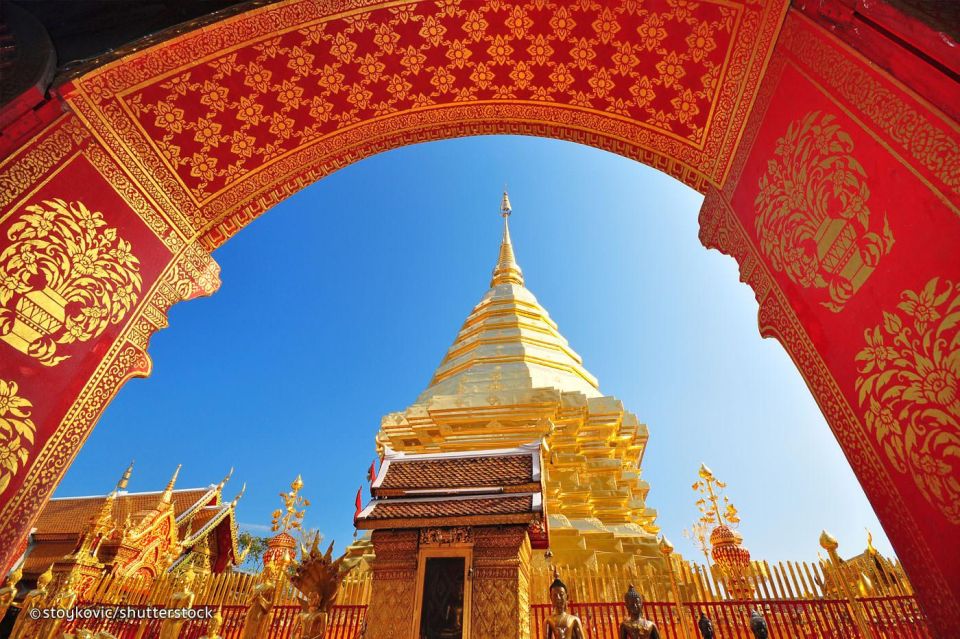
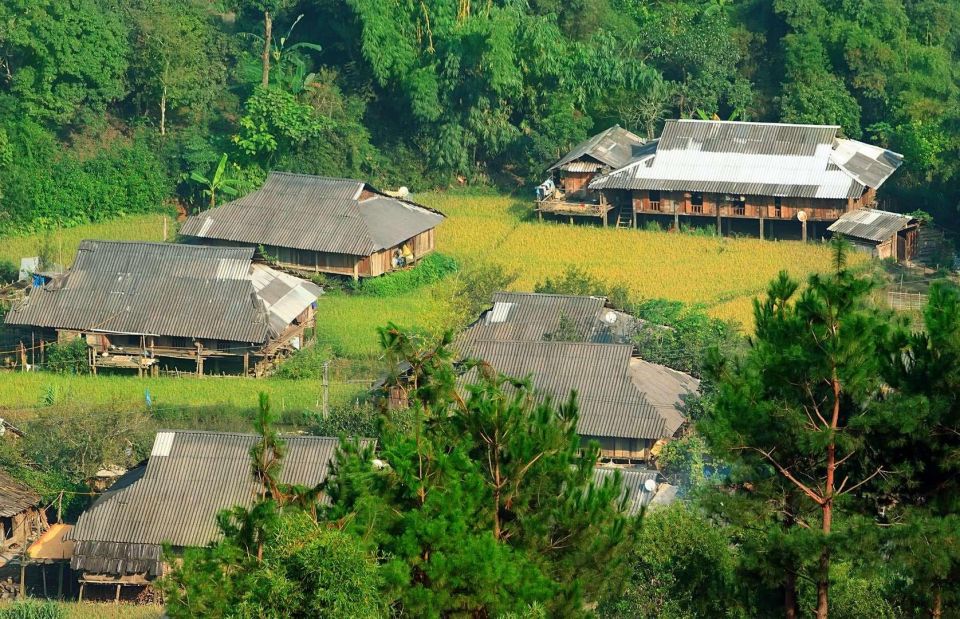
After the temple, the tour switches gears to the Hmong village. This part is usually what makes the half-day feel more meaningful than a simple temple stop, because you’re not just looking at a building—you’re seeing people and practices. The visit includes time to walk around and learn about Hmong traditions and artistry in a real village setting.
What you’re aiming for here is perspective. In a short time, you won’t absorb everything, but the structure makes it easier to notice details: how daily life is organized, what kinds of crafts and work are visible, and how culture shows up in everyday routines—not only in performances.
From the feedback, there’s also often an extra nature option at the village: a waterfall/cascade visit that costs 20 baht per person, plus the chance to drink coffee produced there. Those are small, low-pressure add-ons, and they can turn the visit from “look around” into “pause and enjoy the setting.” If you want that kind of break, keep a little cash handy and decide on the spot based on how your time feels.
The village stop is also a good reality check. Some people arrive expecting a quick photo moment; instead, you’ll get a guided look that focuses on culture and how people live. If that sounds like your kind of travel—less shopping, more understanding—you’ll probably enjoy this portion a lot.
How the 4-hour format feels in real life
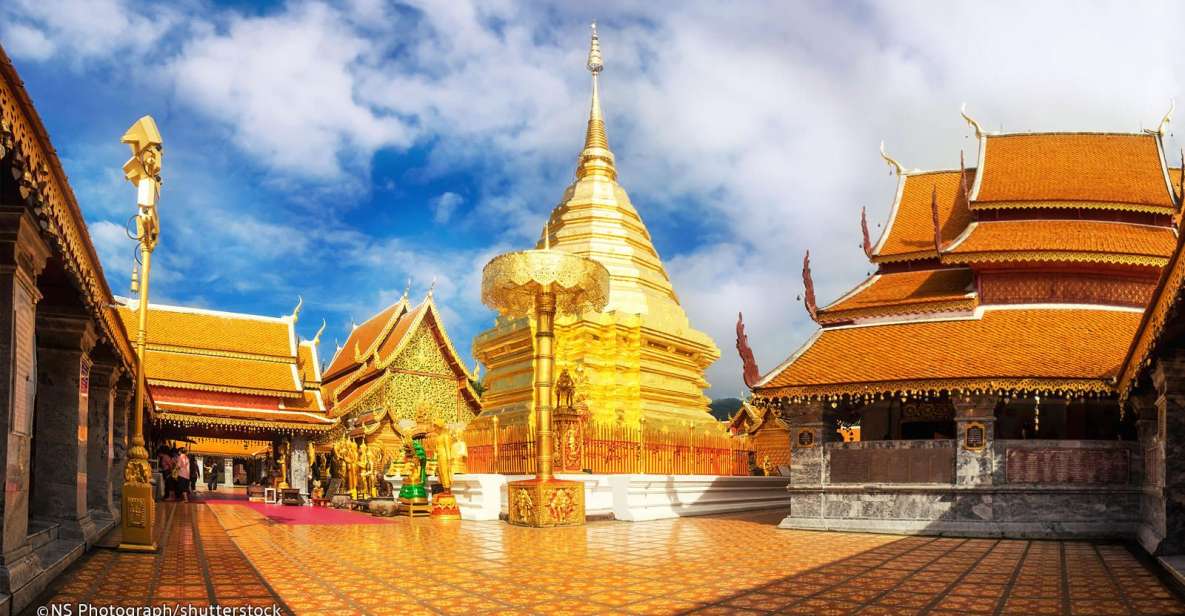
This is built as a half-day trip with a clear rhythm: morning pickup, temple time, village time, then back to your hotel. The tour timing is compact by design, which is great if you want Doi Suthep and you still want energy left for lunch or a second activity in Chiang Mai.
At the temple, plan for about two hours. That includes sightseeing time and the safety briefing, plus the reality of temple crowds. Two hours is usually enough to explore what’s important, get your bearings, and enjoy the views without feeling rushed.
Then you switch to the Hmong village for about two more hours, including walking. In that timeframe, you’re not going to cover every corner of culture in a deep academic way, but you will get a coherent introduction you can build on later. The village stop is often where you start noticing the difference between seeing a culture and understanding it—because you’re surrounded by the actual environment where life happens.
Finally, you return by van. You’ll get back to your hotel around 1:00–1:30 PM, depending on where you’re staying and road traffic. That’s a genuinely helpful ending time because it protects your afternoon plans.
Price and value: what you get for about $28
At around $28 per person for a four-hour guided experience, the value is strongest if you care about two things: saving time and getting a structured introduction. You’re not just paying for sightseeing—you’re paying for a guide, admission included, and transportation from central areas.
Here’s what you’re getting that matters for value:
- Air-conditioned van pickup and drop-off (from Chiang Mai Old Town and Nimman)
- A live tour guide in Thai and English
- Admission fees included
- Skip the ticket line at the main temple
- Life insurance included
Skipping the ticket line may sound small, but on a busy half-day it helps your schedule feel smoother. Admission included also prevents awkward “where do I pay?” moments when you’re on a tight timeline.
If you’re the type who wants a Do-It-Yourself day, you could potentially piece together transport and tickets. But for many people, this tour’s best value is the “no friction” morning: someone handles the route, the key stops are covered, and you get context from a guide while you’re there.




Comfort and practical tips that keep the day easy
You’ll be in an A/C vehicle for the drive up and back, which is a real comfort win in Chiang Mai’s heat. Pickup is available in the Old Town and Nimman areas, and pickup time starts between 8:00 AM and 8:30 AM. The operator confirms the exact time by email, so keep an eye on your inbox and show up a few minutes early to avoid missing the van.
Dress matters for temple visits. You’ll want modest clothing, especially for shoulders and legs. Also bring an ID or passport—a copy is accepted—so you’re covered if they need it for check-in.
Because this is a half-day format with mountain steps and busy temple areas, it helps to wear shoes with solid grip. Even if you take the tram, the temple grounds are still a walking experience with stairs and uneven surfaces.
One more consideration: there’s some conflicting info about who should join. One part of the provided details says pregnant women and persons with disabilities can join; another part says the tour is not suitable for pregnant women and mobility impairments. I’d treat this as a “confirm directly with the operator” situation before booking, especially if you’re pregnant or you use mobility aids. Better to get a clear yes from the people running the trip than to gamble.
Should you book the Doi Suthep and Hmong village half-day?
Book it if you want a morning that gives you two strong cultural stops without committing to an all-day temple marathon. The mix of Doi Suthep’s legend + skyline views and a Hmong village culture visit is a smart way to see more than just one side of Chiang Mai.
Skip or carefully reconsider if:
- You hate crowds and need a very quiet, slow pace.
- You want deep, hours-long temple exploration instead of a tight schedule.
- You have mobility concerns or you’re traveling with needs related to pregnancy—because you’ll want confirmation on what’s realistic on the ground.
If you’re flexible and you’re aiming for comfort, big views, and a meaningful cultural contrast in just a few hours, this is an easy recommendation. It’s the kind of trip that helps you start understanding Chiang Mai fast, then gives you time to enjoy the rest of the day on your own terms.
FAQ
How long is the Chiang Mai: Doi Suthep and Hmong Village half-day tour?
The tour lasts about 4 hours.
Where is hotel pickup available?
Pickup is available for hotels within Chiang Mai’s Old Town and Nimman areas.
What time does pickup start?
Pickup starts between 08:00 AM and 08:30 AM. The operator will confirm the exact pickup time by email.
Does the tour include admission fees and skip the ticket line?
Yes. Admission fees are included, and the tour includes skip-the-ticket-line access.
How do you reach Wat Phra That Doi Suthep?
You can choose between a symbolic 306-step ascent or using a tram ride to reach the pinnacle area.
How much time is spent at the main stops?
You spend about 2 hours at Wat Phra That Doi Suthep and about 2 hours at the Hmong village.
What’s included in the Hmong village visit?
You’ll visit the local village, do a sightseeing walk, and learn about Hmong culture and daily life.
What language is the tour guide?
The tour guide speaks Thai and English.
What should I bring and wear?
Bring an ID or passport (a copy is accepted). For temples, dress modestly.
Is the tour suitable for pregnant women or people with mobility impairments?
The details provided include conflicting guidance: one note says pregnant women and persons with disabilities can join, while another says the tour is not suitable for pregnant women and mobility impairments. Confirm directly with the operator before booking.