REVIEW · CHIANG MAI
Chiang Mai: Elephant Sanctuary & Thai Cooking Workshop
Book on GetYourGuide →Operated by PON ELEPHANT (THAILAND) CO., LTD. · Bookable on GetYourGuide
Elephants, herbs, and Thai cooking in one day. You get safe, respectful elephant feeding plus a real Thai cooking workshop using garden-picked herbs, but the river bathing is elephant-led so plans can shift.
I like that the day is built for both hearts and stomachs: you’ll learn how Thai cooks balance the five flavors while the sanctuary team explains elephant habits and behavior. One thing to consider is the practical side: you’ll likely get wet, so you need the right clothes and gear.
- Garden-to-pan cooking herbs: You pick fresh herbs from an organic garden inside the sanctuary before you cook.
- Thai flavor framework, not just recipes: You learn sweet, sour, salty, bitter, and spicy, then build dishes around your taste.
- Hands-on choices: You can tailor dishes to your preferences, with vegetarian and vegan options available.
- Napier grass, sugarcane, bananas feeding time: You feed elephants in a natural setting as part of their daily routine.
- River bathing only if the elephants want it: You don’t force anything, so the final moments can vary.
In This Review
- Pon Elephant Thailand: what makes the elephant part feel right
- A 9-hour Chiang Mai itinerary that actually flows
- Organic garden and market browsing: where your Thai flavors begin
- Thai cooking workshop: what you’ll make, and how the class stays fun
- Elephant feeding and river time: what to expect minute-by-minute
- Transport, group size, and practical value of the $63 price
- Your guide and the energy of the day (Pimdao, Som, Air, and more)
- Who should book this, and who should skip it
- Should you book Pon Elephant Sanctuary and the Thai Cooking Workshop?
- FAQ
- How long is the Chiang Mai elephant sanctuary and Thai cooking experience?
- What is different about the morning versus afternoon sessions?
- Is hotel pickup available?
- What meals and drinks are included?
- What Thai dishes will I learn to cook?
- Are vegetarian and vegan options available?
- Do you force elephants to bathe in the river?
- What should I bring, and is a towel included?
- Can I cancel or pay later?
Pon Elephant Thailand: what makes the elephant part feel right
This is not a quick photo stop. You spend real time with elephants in their natural jungle habitat, and the focus stays on calm observation, safe feeding, and basic education about elephant behavior.
Before you interact, you get a briefing on elephant history, habits, and what you should and shouldn’t do around them. That matters, because it turns the day from just entertainment into something safer for you and less stressful for the animals. You’ll also learn how Asian elephants live and what their routine looks like here, so the time feels intentional rather than rushed.
One detail I appreciate: feeding includes fruit for elephants (provided), and you’ll also feed them favorites like Napier grass, sugarcane, and bananas. Even better, you’re told they choose how their day goes. For the river portion, the elephants decide whether they bathe, and you don’t force them. That keeps the experience grounded in welfare over spectacle.
Finally, you’ll hear about the sanctuary’s community forest support angle. The day is designed so the elephants and the local village support each other long-term, not just for a one-day crowd.
A 9-hour Chiang Mai itinerary that actually flows
The full experience runs about 9 hours, and you get two starting options in Chiang Mai Province: a morning session or an afternoon session. Both combine elephant time and Thai cooking, but the order and meal timing differ.
First, you head out of town by air-conditioned van to Pon Elephant Thailand, about 1 hour and 20 minutes. Then the day splits into two big themes: cooking (with herbs, flavors, and recipes) and sanctuary time (briefing, walking, feeding, and river moments).
Morning session: starts around 7:30 to 8:00 AM. You return to Chiang Mai around 5:00 PM, with lunch included. This session includes a market visit along with the organic farm tour.
Afternoon session: starts around 12:30 to 1:00 PM. You return to Chiang Mai around 9:00 PM, with dinner included. The package includes an organic farm tour, but there’s no market visit because it’s handled differently in the evening schedule.
The best part is how the cooking and elephants are linked. You’re not only doing two activities back-to-back. You’ll also prepare herbal treats for the elephants, which connects the kitchen learning to the sanctuary purpose.
You can also read our reviews of more cooking classes in Chiang Mai
Organic garden and market browsing: where your Thai flavors begin
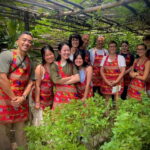
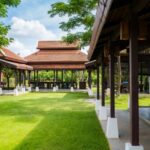
Before you start cooking, you explore an organic vegetable garden located inside the sanctuary. This is where you collect fresh herbs daily, and it changes the whole feel of the class. Instead of tasting herbs in a restaurant and moving on, you’ll learn where they come from and why they matter in Thai food.
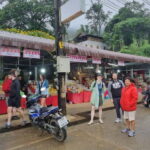
If you choose the morning session, you also get a market visit. That gives you context for the ingredients you’ll later chop, grind, and balance on your plate. It’s also a good way to understand what Thai kitchens see as everyday building blocks, not tourist-only food.
Then you shift into the cooking framework. You’ll learn preparation for your Thai ingredient base (the program calls it your four chords of Thai ingredients), and you’ll learn the five basic flavors: sweet, sour, salty, bitter, and spicy. That might sound like a classroom moment, but it becomes practical fast. You start thinking like a cook: not just what dish to make, but what flavor should lead.
This is also where tailoring your food matters. You can adjust dishes based on your preferences with guidance from the chef and guide, so even if you hate one flavor direction, you’re not stuck eating something that doesn’t work for you.
Thai cooking workshop: what you’ll make, and how the class stays fun
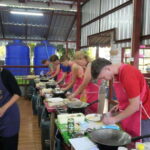
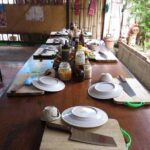
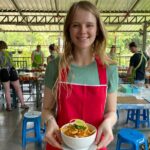
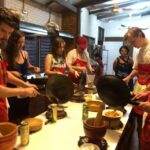
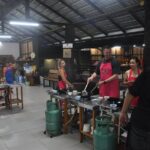
The cooking part is led by a local chef, with an English-speaking guide handling the day’s flow. You’ll cook traditional Thai dishes from scratch using ingredients collected earlier, and you’ll eat what you make.
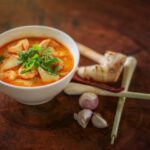
The program specifically includes techniques and dish options like Pad Thai, Khao Soi, Tom Yum Goong, Green Curry, and Mango Sticky Rice. You’ll also choose from other dishes, and the menu can be adjusted to fit preferences.
What I like about the way this class is set up is the balance between guidance and real work. You’re not just watching a cooking show. You’ll actively prep, cook, and plate, and you’ll learn practical techniques rather than memorizing a single recipe.
Vegetarian and vegan options are available, which is important in Thailand where fish sauce is common. If you’ve got dietary needs, this is a big plus that keeps you from having to guess or improvise.
You’ll also get a recipe booklet to take home. That’s your safety net for recreating what you actually liked instead of trying to replicate something vague after you’re back in your apartment.
Elephant feeding and river time: what to expect minute-by-minute
After cooking and eating, you head back to the sanctuary. You’ll get another briefing to help you behave safely around the elephants, and then you’ll walk around the natural environment with them.
Feeding is a core activity. You’ll have opportunities to feed them Napier grass, sugarcane, and bananas. The goal is gentle interaction in a safe space, not forcing contact or chasing moments. You’ll also have fruit provided for feeding, and you’ll practice preparing herbal treats for the elephants as part of the day’s education.
One standout moment for many people is the river portion. The program notes that elephants choose to bathe, and you don’t force them. So if they don’t want the water at that exact time, the schedule may change slightly. That’s a real consideration, but it’s also a sign the sanctuary is letting the animals lead.
There’s also an opportunity for swimming and bathing when the elephants decide to go in. Some days include being around them closely enough that you might get showered if you’re nearby in the river area. That’s why the packing list matters: bring beachwear, flip-flops, and a change of clothes. The towel and change of clothes are not included, so plan to bring your own.
Transport, group size, and practical value of the $63 price
This day trip costs $63 per person for a full 9-hour experience. What makes it feel like good value is what you’re getting for that time: English guidance, sanctuary time, cooking instruction, ingredients, meals, and insurance.
You’re also in a small group limited to 10 participants, which is the right size for actually learning and not waiting for everything. With a bigger group, cooking classes turn into chaos. Here, you’re more likely to have time to ask questions and cook what you chose.
Transport is included in the sense that you’re driven in an air-conditioned van, and it’s highly rated. The data indicates that 96% of reviews gave the transport a perfect score. That’s a helpful signal in a long day like this, since bumpy rides can drain energy fast.
Meal inclusion is also clean and session-based: lunch for the morning group, dinner for the afternoon group. Drinking water is included, and the tour includes insurance. On top of that, the cooking ingredients are provided, including what you need to make your selected dishes and your herbal treats.
If you want hotel pickup, it’s optional but limited to Chiang Mai town. If your hotel is outside town, you might need to meet at the office.
You can also read our reviews of more tours and experiences in Chiang Mai

Your guide and the energy of the day (Pimdao, Som, Air, and more)
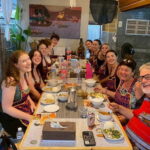
The day lives or dies by the guide, and this tour’s guide team is consistently praised for being friendly, energetic, and clear in English. Names that show up in strong past bookings include Pimdao, Som, Air, and Noi.
Even when guides aren’t teaching every single cooking step, they tend to steer the day with a mix of fun and useful context: ingredient explanations, elephant behavior rules, and making sure you’re comfortable during the wet river portion. If you’re the type who likes asking questions, this style of guiding is a big advantage.
There’s also a local-driver element to keep the day smooth. A driver named Narow is mentioned in one set of experiences as warm and reliable, which matches what you want on a long van day that starts early or ends late.
Who should book this, and who should skip it
This tour is best for you if you want a single Chiang Mai day that blends two things most people separately pay for: ethical elephant interaction plus a hands-on Thai cooking class.
It’s also a good fit if you enjoy food learning. The class doesn’t just hand you a dish. You learn the flavor logic (sweet, sour, salty, bitter, spicy) and you cook dishes like Pad Thai and Tom Yum Goong using ingredients you can trace back to a real garden and, in the morning, a market.
It’s not for everyone. The tour data says it’s not suitable for children under 5 and people over 70. Also, if you dislike water activities completely, the river bathing portion is still controlled by the elephants, but you should expect the wet option to be available when they choose it.
Finally, you should be ready for walking and time outdoors in a mountain atmosphere. If you handle heat and short nature walks comfortably, you’ll probably enjoy the day more.
Should you book Pon Elephant Sanctuary and the Thai Cooking Workshop?
If you’re choosing one big half-day or day trip in Chiang Mai, I’d book this combination if both elephants and cooking matter to you. The value is strong because the day isn’t only one activity with a cheap add-on. You get ingredient learning, real cooking practice, elephant education, and multiple feeding moments.
I’d book it even more confidently if you care about ethical, welfare-centered interaction. This tour is built around feeding and calm contact, and it explicitly notes that the elephants choose whether they bathe in the river.
One smart move: pack like you mean it. Bring your own change of clothes and towel, along with biodegradable sunscreen and insect repellent if you have it. This isn’t a dry, sit-and-snack kind of day.
If you want a day that feels both cultural and heartfelt, this is a solid pick.
FAQ
How long is the Chiang Mai elephant sanctuary and Thai cooking experience?
It runs about 9 hours. The morning session returns to Chiang Mai around 5:00 PM, while the afternoon session returns around 9:00 PM.
What is different about the morning versus afternoon sessions?
The morning session includes a market visit and an organic farm tour, with lunch included. The afternoon session includes an organic farm tour, but there is no market visit, and dinner is included.
Is hotel pickup available?
Pickup is optional and includes hotel pickup and drop-off within Chiang Mai town only.
What meals and drinks are included?
The tour includes lunch for the morning session and dinner for the afternoon session. Drinking water is included.
What Thai dishes will I learn to cook?
The program includes teaching and making dishes such as Pad Thai, Khao Soi, Tom Yum Goong, Green Curry, and Mango Sticky Rice. You can also choose other dishes, and vegetarian and vegan options are available.
Are vegetarian and vegan options available?
Yes. Vegetarian and vegan options are available as part of the cooking experience and meals.
Do you force elephants to bathe in the river?
No. The elephants choose to bathe in the river, and the program notes that activities may change shortly if the elephants don’t want to bathe.
What should I bring, and is a towel included?
Bring a change of clothes, camera, sunscreen (biodegradable if possible), flip-flops, beachwear, cash, and biodegradable insect repellent. A towel and a change of clothes are not included, so plan to pack your own.
Can I cancel or pay later?
Yes. You can cancel up to 24 hours in advance for a full refund. You can also reserve now and pay later.