REVIEW · CHIANG MAI
Chiang Mai: Historical and Culture Exploration Walking Tour
Book on GetYourGuide →Operated by Discova Thailand · Bookable on GetYourGuide
Three temples, one clear story of Lanna. This small-group walking tour turns Chiang Mai’s historic core into an easy-to-follow lesson on the Lanna Kingdom and the spiritual rhythms that still shape daily life. You start at the Three Kings Monument, learn about King Mangrai, and then move temple to temple with context that makes the architecture and rituals click.
I especially like how the tour connects people to place. You’re not just staring at buildings; you’re learning why specific spaces matter, from revered halls to sacred symbols tied to birth years. Second, I love the practical pacing: enough time to look closely, plus short walks that keep the day from dragging.
The main drawback to plan for is that it’s not wheelchair-friendly, and you’ll do a fair amount of walking on foot. Also, temple dress rules apply, so skip shorts or short skirts and wear comfortable shoes.
In This Review
- Key things that make this Chiang Mai walk worth your time
- Getting your bearings at Three Kings Monument
- Wat Phra Singh: murals, woodcarving, and the Dragon pagoda detail
- Wat Chedi Luang: 600-year-old ruins and a Buddha you can actually see
- Why the monks’ talks change the whole vibe
- Walking pace, temple dress rules, and heat reality checks
- Price and logistics: what $15 really buys you
- Guides like Bim, Emmy, Amy, and Farm: what to expect from the experience
- Who should book this Chiang Mai old-city walk
- Should you book this walking tour of Chiang Mai temples?
- FAQ
- Where is the meeting point for this Chiang Mai tour?
- How long does the guided tour last?
- Is hotel pickup or drop-off included?
- What’s included in the price?
- What language is the tour guide?
- What should I wear, and what is not allowed?
- Is it wheelchair accessible?
- Is free cancellation available?
Key things that make this Chiang Mai walk worth your time
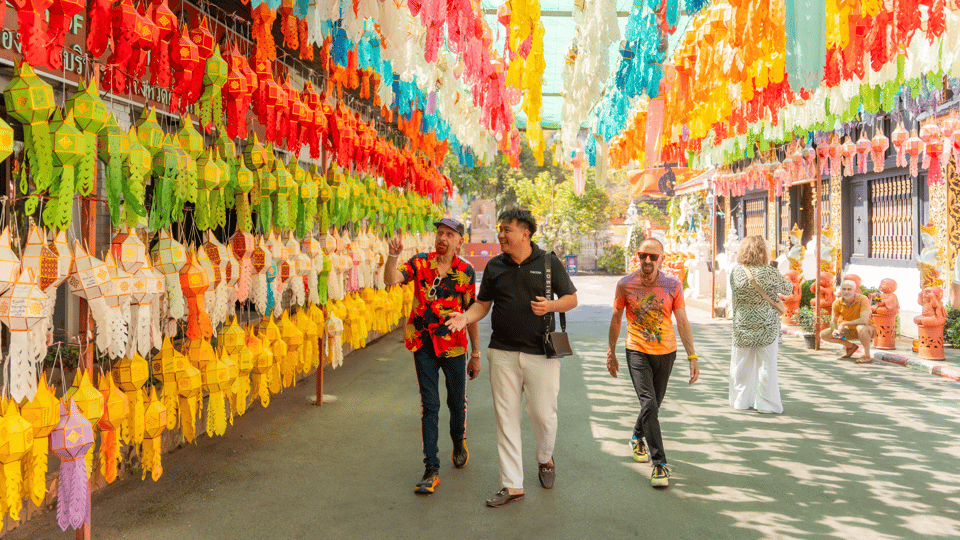
- Three Kings Monument start with King Mangrai context that frames everything you’ll see next
- Wat Phra Singh highlights like distinctive northern Thai-style murals and carved details
- The Lai Kam Assembly Hall and a dragon-linked symbol connected to Buddhist tradition
- Wat Chedi Luang ruins plus a Buddha inside at a site with centuries of history behind it
- Monks’ talks as part of the flow, so the experience feels spiritual, not only visual
- Small group size (up to 8) makes it easier to ask questions and get personal explanations
Getting your bearings at Three Kings Monument
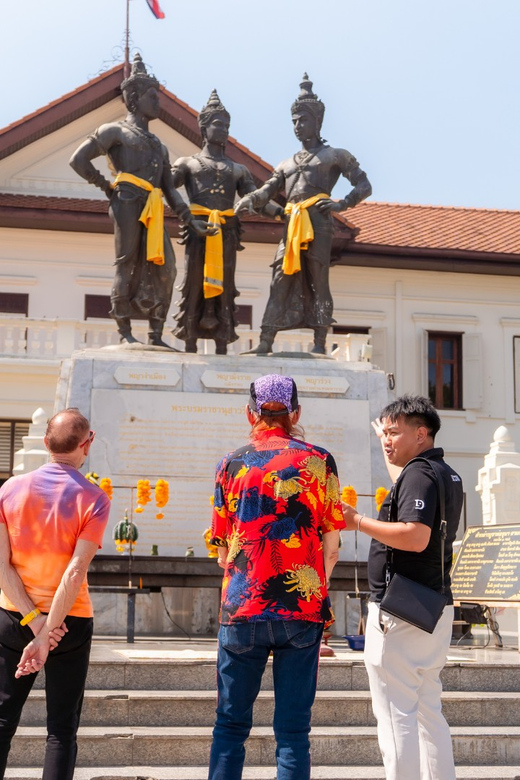
Most Chiang Mai tours start with a vague “meet here, then temples, then photos.” This one starts with a landmark that gives you a timeline. You meet at Three Kings Monument in the old town area, where the guide covers the basics you actually need: who King Mangrai was, and how he relates to the founding era of Chiang Mai. It also helps that this monument sits right in the heart of the historic district, so you get oriented fast before you start walking deeper into the temple circuit.
After the initial briefing, you’re set up to notice patterns. In northern Thailand, temple design, ceremony spaces, and even the way people behave inside compounds make more sense when you understand the Lanna story first. That’s what this opening does well: it gives you a frame, so later details don’t feel random.
If you care about photos, this is also the best moment to slow down. People tend to move quickly once the tour gets going. Early on, you can take establishing shots of the old-town vibe and monument area before you switch to close-ups inside the temple grounds.
You can also read our reviews of more walking tours in Chiang Mai
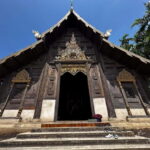

Wat Phra Singh: murals, woodcarving, and the Dragon pagoda detail
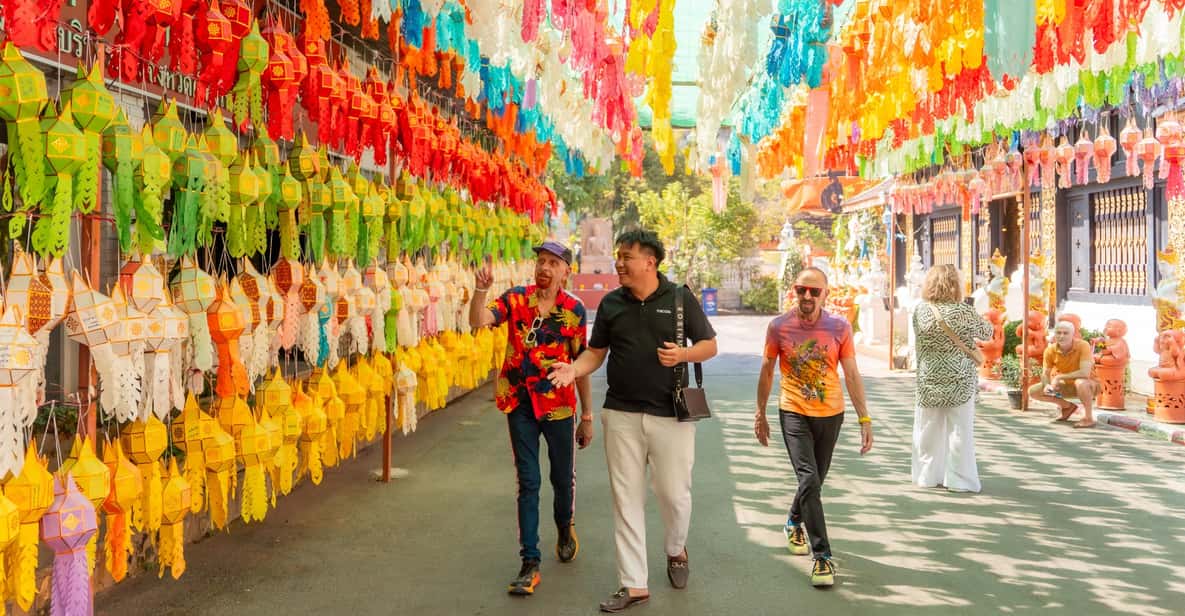
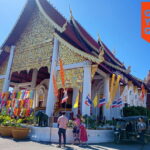
Your first major temple stop is Wat Phra Singh, one of Chiang Mai’s most revered sites. This is where the tour shifts from “history explanation” into “look closely at what craftsmen built.” You’ll walk in and then get time to explore the compound at a comfortable pace.
There are two things I think you’ll notice right away. First, the distinctive northern Thai-style architecture—especially the careful woodcarving and the interior mural work. Northern Thai temples often feel different from the more famous central-style temples, and this is a strong introduction. Second, the tour highlights the meaningful spaces inside, rather than only the front façade.
One standout focus is the Lai Kam Assembly Hall and pagoda. The pagoda detail is a good example of why guided context matters. The tour explains a symbol connected to people born in the Year of the Dragon. Even if you don’t personally identify with that, you’ll come away understanding how Buddhist traditions can show up in practical, symbolic ways tied to people’s lives.
Practical tip: If you want clearer photos of mural and carving details, pause where the guide tells you to look rather than trying to shoot everything at once. In these temples, the “best” angles are often the ones that respect how people move through the space.
One more small plus: Wat Phra Singh is often a comfortable first temple because it helps you settle into temple etiquette quickly. You learn how to observe without blocking, how to look up without rushing, and how to be respectful without feeling stiff.
Wat Chedi Luang: 600-year-old ruins and a Buddha you can actually see
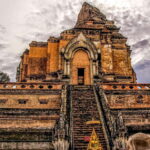
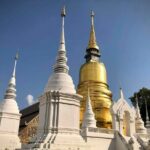
Next comes Wat Chedi Luang, a 600-year-old site where the scale hits you even before the guide starts explaining. This stop leans into a different emotional tone than Wat Phra Singh. Instead of “ornate perfection,” you get “big sacred space with layered history,” including ruins and the story of how the site developed over centuries.
The tour gives you time to explore the temple premises, and it also points out an experience that can be hard to notice on your own: seeing the Buddha inside the temple area. When you know what to look for, it stops being just a famous ruin in the middle of town and becomes a living part of the spiritual landscape.
This is also where the Lanna connection matters again. The guide ties the site back to King Mangrai’s era and the Lanna kingdom roots. That matters because Chiang Mai’s old city isn’t just a collection of pretty buildings—it’s a chain of influence. Ruins and reconstructions can feel confusing unless someone explains the connection between people, rulers, and the sacred structures they left behind.
What to watch for: At Wat Chedi Luang, keep your eyes on both the outer chedi form and the way people gather within the compound. The atmosphere tells you as much as the architecture does. If you only focus on photographs, you miss that quiet, everyday devotion that makes the place feel real.
Also, the tour typically ends at Wat Chedi Luang. That’s convenient if you want to keep exploring nearby, but it can mean you’ll plan your ride home from that area rather than returning to your starting point.
Why the monks’ talks change the whole vibe
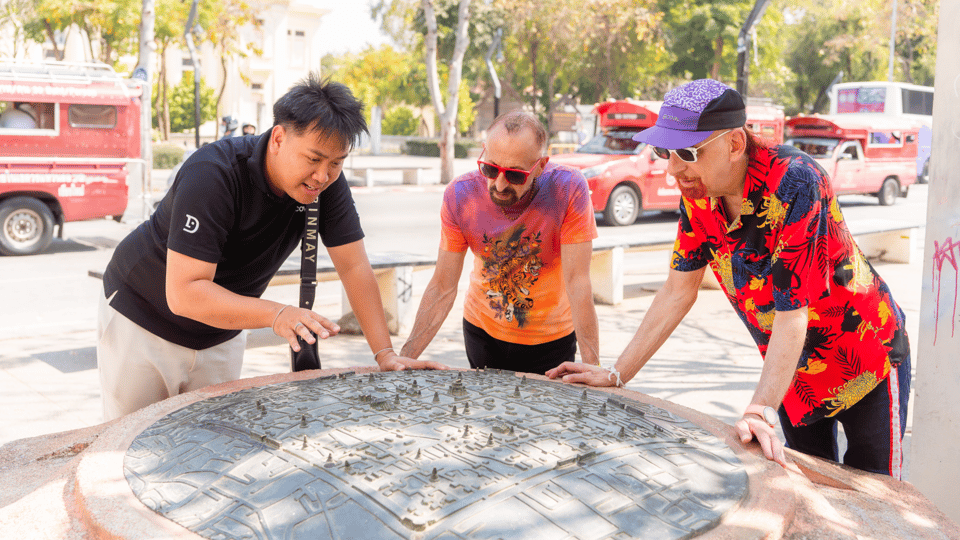
A lot of temple tours give you a quick stop, a few facts, and then move on. This one builds in opportunities to hear talks by monks. That shift matters, because it’s the moment you stop thinking of temples as museums.
Even if your Thai is limited, you’ll catch the rhythm: the way explanations are framed, the respect in how visitors listen, and the practical spirituality behind what’s being said. It’s not just “Buddhism 101.” It’s the living voice of the tradition showing up right in the places where people come to practice.
I also like the way this tour blends meaning with observation. The guide points you toward details—then the monks add human context to what those details represent. That combo makes the experience stick longer than a photo-only walk.
If you’re someone who gets a little overwhelmed by temple etiquette, monks’ talks can also feel grounding. You see what respectful listening looks like, and you get a clearer sense of when to speak, when to stay quiet, and how to watch without turning it into a show.
Walking pace, temple dress rules, and heat reality checks
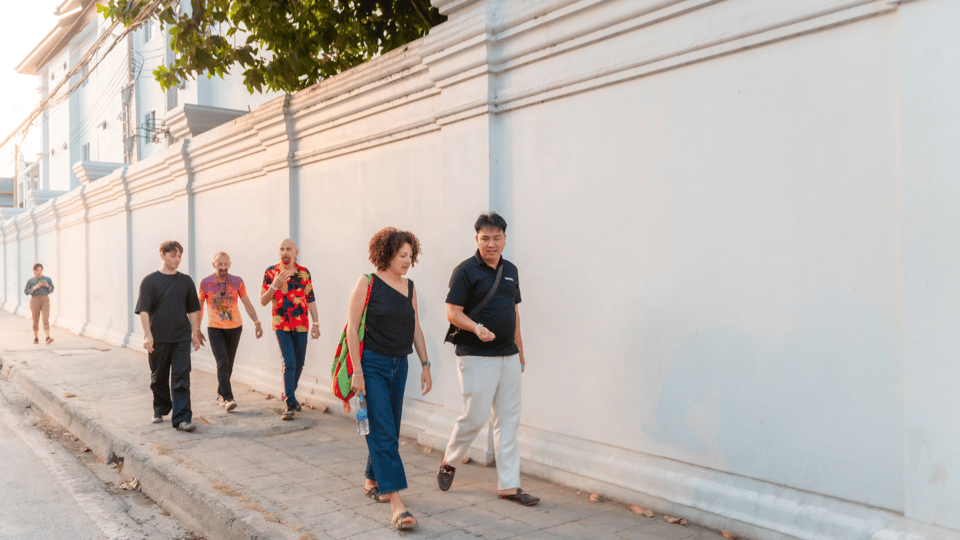
This is a walking tour in the true sense: you’re moving from one key old-city site to the next on foot, with short stretches between stops. It’s not a long trek through the countryside, but it still adds up, especially in warm weather.
So yes, plan for your body. Bring comfortable shoes—not flip-flops—and wear clothing that won’t cause trouble at the entrances. The tour’s rules are clear: no shorts and no short skirts. You should also plan for a day where you might be standing and walking while looking up at carvings or chedis.
Time-of-day matters in Chiang Mai. One strong strategy is choosing a later departure. A 5pm tour is mentioned as a smart option for reducing heat and catching temples in softer golden light. If you’re choosing between morning and afternoon slots, I’d lean toward the later one when possible. You’ll enjoy the walk more, and your photo attempts will be more forgiving.
Also, you’re on a guided schedule, so don’t plan long add-on stops during the middle of the temples. If you want extra shopping or café breaks, do it before or after the tour window.
You can also read our reviews of more historical tours in Chiang Mai

Price and logistics: what $15 really buys you
At $15 per person, this tour is priced like a budget-friendly way to see serious landmarks without cutting corners. The best value part is what’s included. You get an English-speaking tour guide, entrance fees/tickets, water, and tour insurance.
That matters because Chiang Mai temple admission costs and ticketing can add up when you do it alone, and it can be stressful to figure out what’s open and what’s worth your time. Here, you’re pointed to the major sites that anchor the old-city story: Three Kings Monument, Wat Phra Singh, and Wat Chedi Luang.
The one logistics catch: there’s no hotel pickup/drop-off. You’ll need to get to Three Kings Monument on your own, and the tour finishes at Wat Chedi Luang. For many people, that’s still a win, but it’s worth planning your ride home before you start.
Group size is also part of the value. With small groups limited to 8 participants, you’re more likely to get real answers rather than rushed explanations. In a temple environment, that difference is not small.
Guides like Bim, Emmy, Amy, and Farm: what to expect from the experience
Guide quality can make or break a temple walk, and this one has a lot of positive signal around friendly, engaging instruction. People highlight guides such as Bim (including notes about Lanna heritage), as well as Bin/Emmy/Amy/Farm, for being warm, clear, and able to explain history, arts, culture, and Buddhist ritual in a way that makes the visit easier to understand.
What I’d take from that for your planning: you should expect more than names and dates. The explanations are aimed at helping you see connections between architecture, symbols, and how people live their faith today.
Some groups also mention the guide arranging extra help like tuk-tuk rides when needed. That’s a nice touch because it keeps the day smooth, especially if you arrive from somewhere outside the immediate old-city walking zone.
If you care about photos, you might also benefit from extra guidance on where to stand and how to frame details. You’ll get the best results by following the guide’s “look here” cues rather than trying to solve temple photography with guesswork.
Who should book this Chiang Mai old-city walk
This tour is a great fit if you:
- Want a structured introduction to Chiang Mai’s old city and the Lanna context behind it
- Prefer guided temple visits where you learn how to look, not just where to stand
- Like small-group pacing and the chance to ask questions
- Are comfortable with a walking day and can follow temple dress guidance
It may be less suitable if:
- You need wheelchair access (it’s not wheelchair friendly)
- You dislike walking between sites or want a car-based route
- You aren’t willing to follow the dress code (no shorts or short skirts)
If you’re pairing this with other Chiang Mai sights, think of it as your “set the context” day. After it, you’ll often read other temples and city details differently because you’ll understand what the architecture and symbols are trying to communicate.
Should you book this walking tour of Chiang Mai temples?
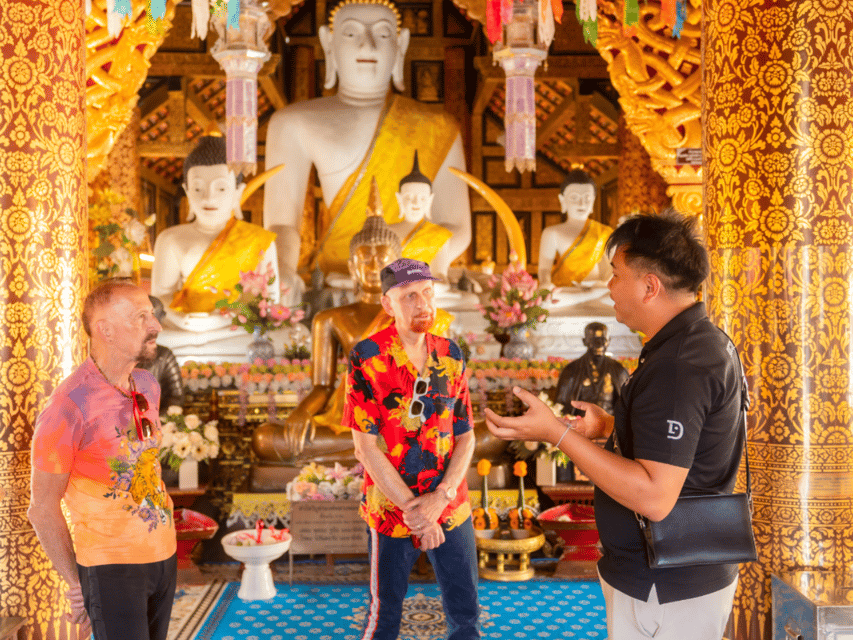
If your goal is to understand Chiang Mai quickly and respectfully—without spending hours researching which sites matter—this is an easy yes. The $15 price is strong when you consider that entrance tickets, a guide, water, and insurance are included. The route hits the big anchors you need for a real feel of the old city: Three Kings Monument, Wat Phra Singh, and Wat Chedi Luang.
I’d book it especially if you enjoy learning through details—murals, carved design, sacred symbols tied to tradition, and the added meaning from monks’ talks. The small-group size also makes it more personal.
One final check: wear shoes you trust and plan for walking. If you can handle that, this is a smart way to turn a handful of famous temples into a clear story you’ll remember.
FAQ
Where is the meeting point for this Chiang Mai tour?
You meet at Three Kings Monument. Your guide will be waiting there, so arrive on time.
How long does the guided tour last?
It’s described as an about 2.5-hour guided walking tour.
Is hotel pickup or drop-off included?
No. Hotel pickup and drop-off are not included, so you’ll need to make your own way to the meeting point and plan your return from where the tour finishes.
What’s included in the price?
The price includes an English-speaking tour guide, entrance tickets, water, and tour insurance.
What language is the tour guide?
The tour guide speaks English and Thai.
What should I wear, and what is not allowed?
Bring comfortable clothes and comfortable shoes. Shorts and short skirts are not allowed.
Is it wheelchair accessible?
No. It is not suitable for wheelchair users.
Is free cancellation available?
Yes. There’s free cancellation up to 24 hours in advance for a full refund. The booking also offers a reserve-now and pay-later option.