REVIEW · CHIANG MAI
Chiang Mai Temples Visit Walking Tour with Ex-Monk Guide Part 2
Book on Viator →Operated by Chiang Mai City Temple Visit Walking Tour With Ex-Monk Tourist Guide (Part 1) · Bookable on Viator
Former-monks make temple facts feel personal. This walking tour strings together several key Chiang Mai temples, then gives you the meaning behind the bells, gates, statues, and daily rituals through an ex-monk guide. I love that you’re not just looking at buildings; you’re learning how people actually make sense of Buddhism. I also love that the tour hits several free-admission sites, so your money goes toward the guiding and conversation, not ticket lineups.
One thing to plan for: you’ll be on your feet for about 3.5 hours, and the experience works best in good weather. If it’s hot or rainy, you’ll feel it fast, so wear shoes you can walk in and be ready for a bit of sun.
You also get a small-group feel, with a maximum of 20 people, and it runs from Three Kings Monument and ends back where you start. Add the mobile ticket and a 1:00 pm start time, and it’s the kind of tour that fits easily into a Chiang Mai afternoon.
In This Review
- Key Highlights at a Glance
- Why an Ex-Monk Guide Makes This Walk So Much More Than Photos
- Price and Value: What You’re Paying For at $25.92
- Meeting at Three Kings Monument: Easy Start, Clear Direction
- Stop 1: Three Kings Monument (Where the Meaning Begins)
- Stop 2: Wat Chiang Man (Built in 1296 and Often Considered Ground Zero)
- Stop 3: Wat Pa Pao (Tai Yai Heritage You Don’t See on Every Route)
- Stop 4: Wat Chiang Yuen (The Burmese Colonial Gate and a Beautiful Pavilion)
- Stop 5: Wat Lok Molee (A Wooden Chanting Hall in Traditional Lanna Style)
- What You’ll Learn About Buddhism on This Walk
- Walking Time, Weather, and What to Bring
- Group Size and How That Affects Your Experience
- Should You Book This Temple Walk?
- FAQ
- How long is the Chiang Mai Temples Visit Walking Tour with Ex-Monk Guide Part 2?
- Where is the meeting point?
- What time does the tour start?
- How much does the tour cost?
- Is admission included for the temples?
- What languages does the guide speak?
- What is the maximum group size?
Key Highlights at a Glance
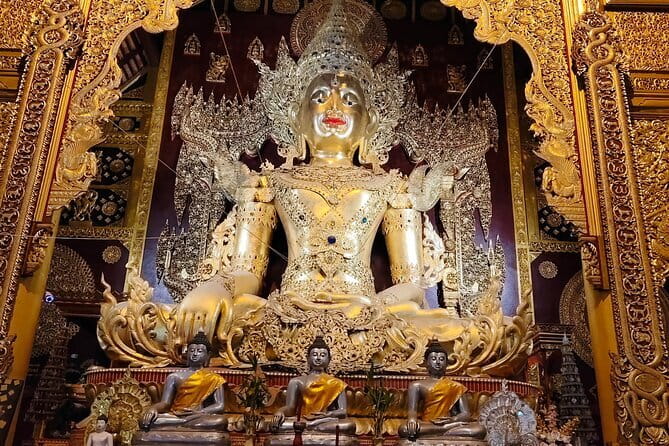
- Three Kings Monument is the meeting point, with an intro before you set off
- Ex-monk guide Katoon-style teaching helps you understand temples and daily practice
- Wat Chiang Man (built 1296) sets the tone with one of Chiang Mai’s earliest temple stories
- Tai Yai heritage at Wat Pa Pao (built 1883) adds a less-common angle on Lanna faith
- Burmese colonial gate at Wat Chiang Yuen shows how Chiang Mai absorbed regional influences
- Wat Lok Molee’s wooden chanting hall brings Lanna architecture into focus
Why an Ex-Monk Guide Makes This Walk So Much More Than Photos
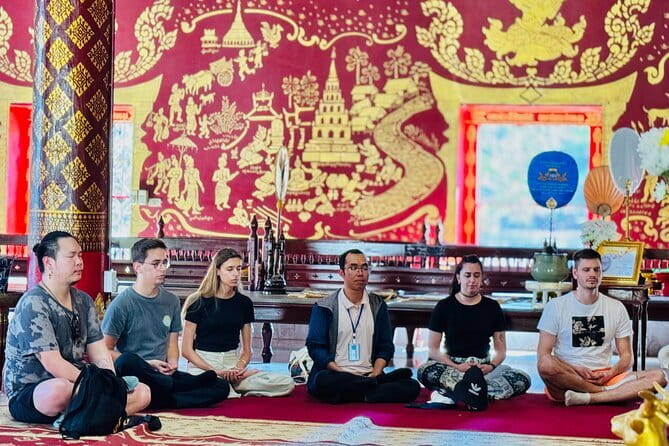
A temple tour usually becomes a photo stop list. This one moves differently. The big difference is the guide is an ex-monk, and that changes how the conversation lands. You’re not only hearing dates and names. You’re getting the “why” behind the space—how people interpret the symbols, and what visitors often misunderstand when they just follow signs.
If you’re curious about Buddhism beyond surface-level facts, you’ll like the way this tour explains practice in plain language. In past sessions, the guide (Katoon, as shown in bookings) has taught people how to approach the idea of prayer—while also making clear that the Buddhist approach here isn’t a simple word-for-word Western-style prayer. That matters, because it helps you avoid the common trap: treating Buddhist rituals like they’re just performances for tourists.
And because the guide encourages questions, you can steer the learning toward what you actually want to know—temple layout, etiquette, what different parts of the temple are for, or how someone’s life as a monk changes what they notice. In other words, you’re not stuck in lecture mode.
You can also read our reviews of more walking tours in Chiang Mai

Price and Value: What You’re Paying For at $25.92
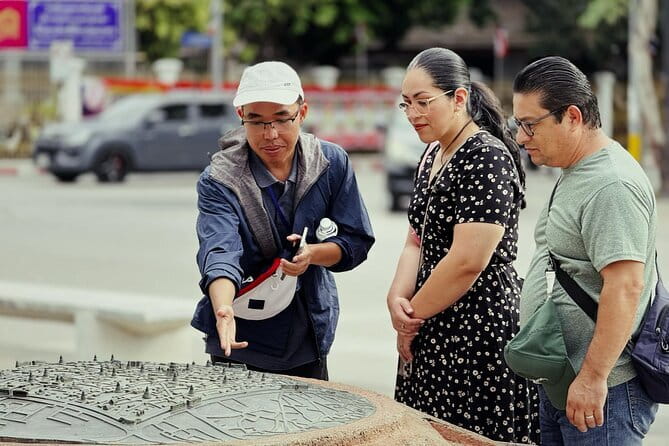
At $25.92 per person for about 3 hours 30 minutes, this tour is priced like a solid small-group guided experience, not a bargain gimmick. The value comes from two things you’ll feel right away:
First, you’re paying for a licensed guide experience (the tour specifies a TAT-licensed guide who speaks English or Chinese). You’re not just following a generic map.
Second, your route includes multiple temple visits where the listed admission is free. That’s practical. You can spend the morning or evening elsewhere without worrying about adding extra temple ticket costs for each stop. Bottled water isn’t included, so you’ll want to plan for that on your own.
Also, the tour is offered in a small maximum group size (up to 20). You’ll get more back-and-forth, and the guide can actually respond instead of racing to keep everyone moving.
One small planning note: the tour has an average booking window of about 11 days ahead. That’s long enough that you shouldn’t wait until the last minute if you’re traveling in a busy stretch.
Meeting at Three Kings Monument: Easy Start, Clear Direction
The tour begins at Three Kings Monument. That’s a helpful anchor point because it’s easy to find and easy to orient from. Before you move, the guide gives a tour intro—exactly the kind of warm-up that makes the rest of the walk make sense.
The meeting point is listed near Prapokklao Road in the Si Phum area. The tour also notes that it’s near public transportation, so if you’re using Grab, songthaew, or public options, you’re not trying to reach some remote temple complex that requires a car and a prayer.
Start time is 1:00 pm, and the tour returns to the same meeting point at the end. That looping format is a small but real convenience: you don’t have to figure out a complicated end-of-tour commute.
For planning, expect shade to change through the walk. Bring water (since bottled water isn’t included), and wear breathable clothes. Good shoes matter here—3.5 hours walking on uneven temple pathways can feel longer than the clock says.
Stop 1: Three Kings Monument (Where the Meaning Begins)
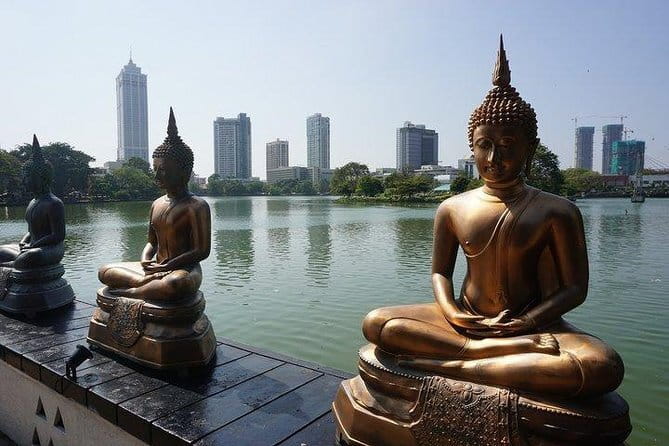
You’ll spend about 10 minutes at the meeting point area, with the guide introduction before the first temple.
This “pre-walk” moment can sound minor, but it’s actually important. You’re being set up to understand what you’re about to see. With an ex-monk guide, that intro often includes the language of temple etiquette and what to watch for once you’re inside.
Think of this as the key to turning the day from sightseeing into understanding.
Stop 2: Wat Chiang Man (Built in 1296 and Often Considered Ground Zero)
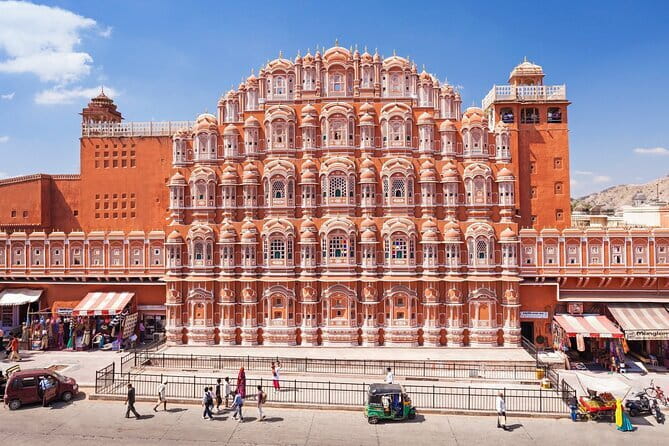
Next comes Wat Chiang Man, one of Chiang Mai’s oldest and most iconic temples. The tour notes it was built in 1296 and is believed to be the first temple constructed in the city.
This stop gives you a strong foundation. When you’re learning about Buddhism in a new place, an early, “root” temple helps you connect stories to architecture. You also get a sense of how Lanna-era religious sites developed over time—without needing a history lecture that loses people.
You’ll have around 45 minutes here, which is long enough to ask questions without feeling like you’re rushing through. If you’re trying to figure out what’s ceremonial, what’s symbolic, and what’s just part of daily temple life, this is a great place to slow down and look carefully.
Potential drawback: because Wat Chiang Man is a famous stop, the area can be lively. If you’re hoping for quiet contemplation, you’ll still get it—just be patient about timing and move at a comfortable pace with your group.
You can also read our reviews of more guided tours in Chiang Mai

Stop 3: Wat Pa Pao (Tai Yai Heritage You Don’t See on Every Route)
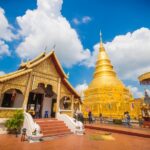
Then you head to Wat Pa Pao, described as the first temple of the Ngiaw or Tai Yai people in Chiang Mai. The tour states it was constructed during the reign of Prachao Intawichayont in 1883, built by Lady Bua Lhai, a Tai Yai concubine of the king.
This is the kind of stop that makes Part 2 feel different from a standard “big temples only” walk. It adds regional diversity—how different ethnic and cultural groups shaped religious life in northern Thailand.
With about 30 minutes at this stop, you’re not stuck in one place. You get enough time to take in the atmosphere and ask targeted questions: Why does this temple matter to Tai Yai history? How do communities express identity through religious architecture?
If you love cultural details that go beyond the usual postcards, you’ll appreciate this stop a lot.
Stop 4: Wat Chiang Yuen (The Burmese Colonial Gate and a Beautiful Pavilion)
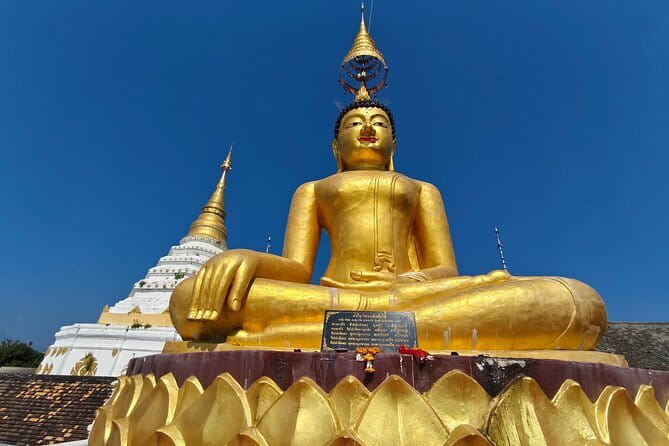
At Wat Chiang Yuen, the tour highlights two standout features: an ancient Burmese colonial gate and a beautiful pavilion. This stop also notes the temple played an important role in the Lanna kingdom’s history.
About 30 minutes here is a smart duration. It gives you time to focus on what makes this temple different, rather than treating it like a quick checkbox.
This is also where the guide’s teaching really helps. Architecture tells stories. When you’re shown what to look for—specific elements of the gate or the pavilion layout—you’ll start noticing how Chiang Mai’s religious sites reflect contact with neighboring regions.
Possible consideration: if you’re very sensitive to crowds, you may want to keep your expectations realistic at popular gates. The solution is simple: listen closely to the guide and take your time moving through the spaces they point out.
Stop 5: Wat Lok Molee (A Wooden Chanting Hall in Traditional Lanna Style)
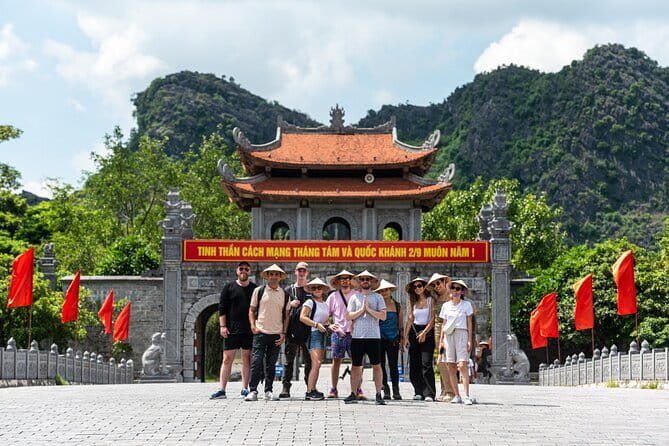
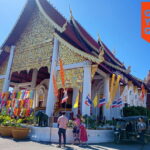
Your final temple stop is Wat Lok Molee (also spelled Wat Lok Moli in the tour description). Here, the key feature is its wooden chanting hall, built with traditional Lanna architecture. You’ll spend about 45 minutes.
This stop is a favorite type of temple visit for me because it shifts the focus from monumental stone structures to wood and everyday religious movement. Chanting halls are about how people gather and worship, not just how they pose in front of something ancient.
If you’re wondering how Buddhism shows up in the everyday rhythm of a place, a chanting space gives you clues. You can pay attention to how the room is arranged and how the space supports ceremony and voice.
This stop is also a good moment to ask broader questions you’ve saved up during the walk. By now you’ve seen multiple styles and historical connections, so the guide’s answers often feel more grounded.
What You’ll Learn About Buddhism on This Walk
The tour is Buddhist-themed, but it’s not just about “Buddhism is peaceful.” You’re getting a guided explanation of temple meaning and the basics of practice.
In prior experiences with this guide format, the ex-monk leader has been patient and encouraging, answering questions even when kids were curious and blunt. That tells me the tour is built for real conversation, not just careful adult formality.
You’ll likely hear clarifications about how people “pray” in Buddhism, including the idea that the standard Western mental picture of prayer doesn’t always match what’s happening. The point isn’t to confuse you—it’s to help you see rituals as they are, in context.
Even if you’re not trying to become a Buddhism student, you’ll come away with less guesswork. You’ll know what you’re looking at, why people treat certain parts of the temple respectfully, and how to approach the experience without awkwardness.
Walking Time, Weather, and What to Bring
Duration is listed at about 3 hours 30 minutes. That’s enough time to cover five major stops without feeling like you’re sprinting, but it’s still a real walk.
The tour requires good weather. That usually means fewer rainy-day cancellations, but you should still plan around Chiang Mai afternoons being hot and bright. Bring water, because bottled water is explicitly not included.
Other practical tips:
- Wear shoes you can handle on temple grounds
- Dress with temple etiquette in mind (covering shoulders and knees is usually expected at Buddhist sites)
- Bring a small umbrella or rain layer if the weather looks uncertain
Because the tour ends back at Three Kings Monument, you can easily pair it with dinner or a night market visit after you refresh.
Group Size and How That Affects Your Experience
With a maximum of 20 travelers, this is the right size for a Q&A-focused tour. Large groups often mean you only catch part of the story. Smaller groups mean the guide can respond to what you ask and adjust explanations on the fly.
If you like having moments to stop, ask follow-ups, and actually hear the answer (instead of just nodding), you’ll appreciate the size.
This also tends to help families. Past sessions described the tour as workable for children, with the guide being caring and patient. If you’re traveling with kids, it’s a good sign that the guide can handle curiosity without brushing it off.
Should You Book This Temple Walk?
I’d say book it if you want:
- A structured walk through key Chiang Mai temples
- Ex-monk context that makes Buddhism feel less abstract
- A tour that supports questions and explains what you’re seeing in plain language
I’d think twice if:
- You hate walking for 3.5 hours
- You’re only interested in quick photo stops and don’t care about meaning
- Weather is unpredictable during your afternoon and you’re not flexible
If you’re the type who likes to understand what a place is really doing—why it looks the way it does and what people believe inside those walls—this is a strong choice. The free temple entry aspect is also a practical bonus that keeps your day easy to budget.
FAQ
How long is the Chiang Mai Temples Visit Walking Tour with Ex-Monk Guide Part 2?
It lasts about 3 hours 30 minutes.
Where is the meeting point?
You meet at Three Kings Monument (QXRP+3WX, Prapokklao Road, Tambon Si Phum, Amphoe Mueang Chiang Mai, Chang Wat Chiang Mai 50200, Thailand).
What time does the tour start?
The start time is 1:00 pm.
How much does the tour cost?
The price is $25.92 per person.
Is admission included for the temples?
The listed admission for the stops is free.
What languages does the guide speak?
The guide provides English or Chinese-speaking interpretation.
What is the maximum group size?
The tour has a maximum of 20 travelers.