REVIEW · CHIANG MAI
Half-Day Thai Cooking Class on a Local Farm Near Chiang Mai
Book on GetYourGuide →Operated by Smile Organic Farm Cooking School · Bookable on GetYourGuide
Half-day Thai cooking near Chiang Mai should be this practical. This farm class mixes a market start, an organic farm walk, and real hands-on cooking you can repeat at home. I especially like the focus on seasonal ingredients you actually see and choose, and the way the dishes fit together into a full Thai meal (not just one “show” recipe).
The one thing to keep in mind: it’s a full 6-hour block with hands-on work, so if you only want light sightseeing or you hate chopping and stirring, you may prefer a shorter food tour.
In This Review
- Key things to look forward to
- From Pickup to a Smooth Market Start
- The Local Market: Where Your Thai Cooking Gets Real
- The Herb Garden Walk at an Organic Farm
- Fruit Picking on a Farm: Mango and Longan Timing
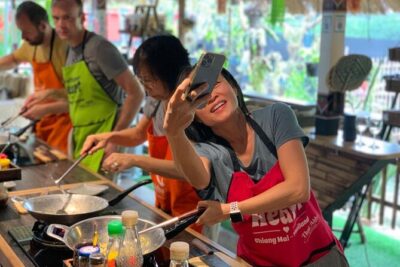
- Hands-On Cooking Class: Curry Paste to Pad Thai and Tom Yum
- What you can expect to cook
- How the instruction usually feels
- Relax After Cooking: Pool Break and Countryside Calm
- Price and Value: Is $28 Worth It?
- Who This Works Best For (and Who Might Skip)
- The Practical Details That Make or Break Your Day
- Should You Book This Farm Cooking Class?
- FAQ
- FAQ
- How long is the Thai cooking class?
- What’s included in the price?
- Do you pick fruit during the class?
- What dishes will I learn to make?
- What language is the instructor?
- Is pickup included, and where do they pick you up?
- Is there somewhere to relax after cooking?
- Is free cancellation available?
Key things to look forward to
- Market shopping first: you learn what makes Thai ingredients worth buying and how to choose them for cooking
- Herb garden + farm lesson: you stroll the garden to see what’s used in class and get tips on growing herbs and vegetables
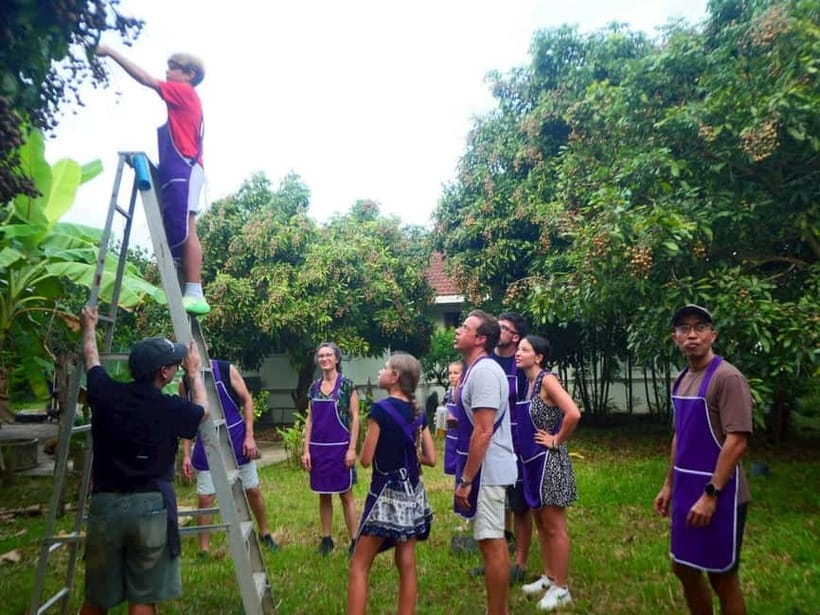
- Fruit-picking on schedule: mangoes or longans depending on the season, straight from the trees
- English instruction throughout: the instructor guides the cooking step-by-step for a smooth, hands-on experience
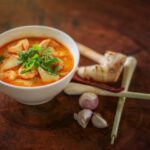
- You make a Thai set of dishes: curry paste, curry, stir-fry, soup, spring rolls, plus staples like pad thai and tom yum goong
- Relaxing downtime by the pool: a chill-out area (and you can take a refreshing dip) after cooking
From Pickup to a Smooth Market Start
This experience runs as a true half-day adventure, but it still lasts 6 hours. You’ll get picked up from your hotel or accommodation within a 3-kilometer radius of Chiang Mai Old City, with pickup windows set for the day’s schedule: morning starts at 8:00–8:30am and an afternoon session at 3:00–3:30pm.
Why that matters: Chiang Mai’s heat can turn “light” plans into a slog. A morning start helps you shop and cook while the day is still manageable. An afternoon start is better if you prefer to do temples or coffee spots first, then end with something hands-on and satisfying.
You’ll travel in an air-conditioned vehicle, and the transport has scored very well (92% of reviewers gave it a perfect score). That’s not just comfort trivia—it helps you arrive ready to cook, not tired and cranky.
You can also read our reviews of more cooking classes in Chiang Mai
The Local Market: Where Your Thai Cooking Gets Real
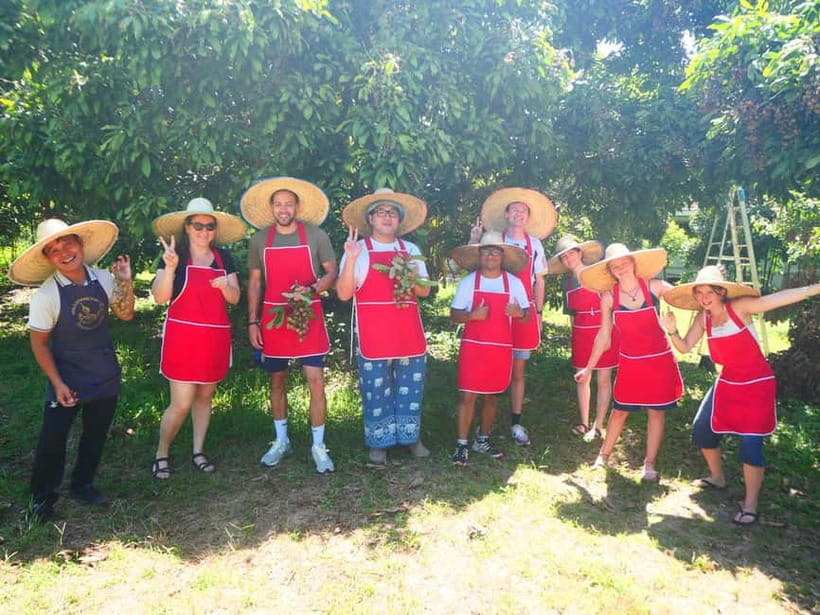
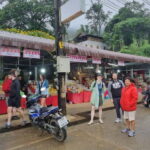
Your class begins with a visit to a local market. This isn’t a quick photo-stop either. You’ll explore fresh ingredients with guidance on what to look for for Thai cooking—think the difference between ingredients that taste flat and ingredients that actually carry flavor.
The practical value here is huge: Thai cooking is ingredient-driven. If you’ve ever tasted a dish overseas and then struggled to recreate it at home, this is usually why. When you understand what you’re buying and why, the recipes stop feeling like magic and start feeling like skills.
Also, you’ll get to connect flavors to names. You’ll see the produce and herbs you’ll later use in the herb garden walk and in your cooking session. Even if your Thai cooking experience is basic, you’ll feel oriented fast.
The Herb Garden Walk at an Organic Farm
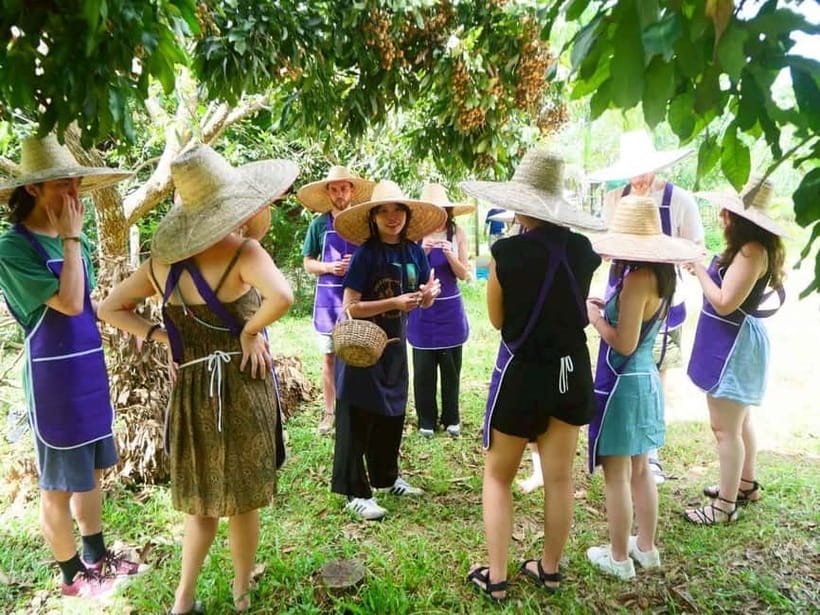
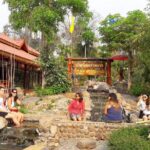
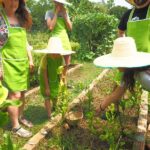
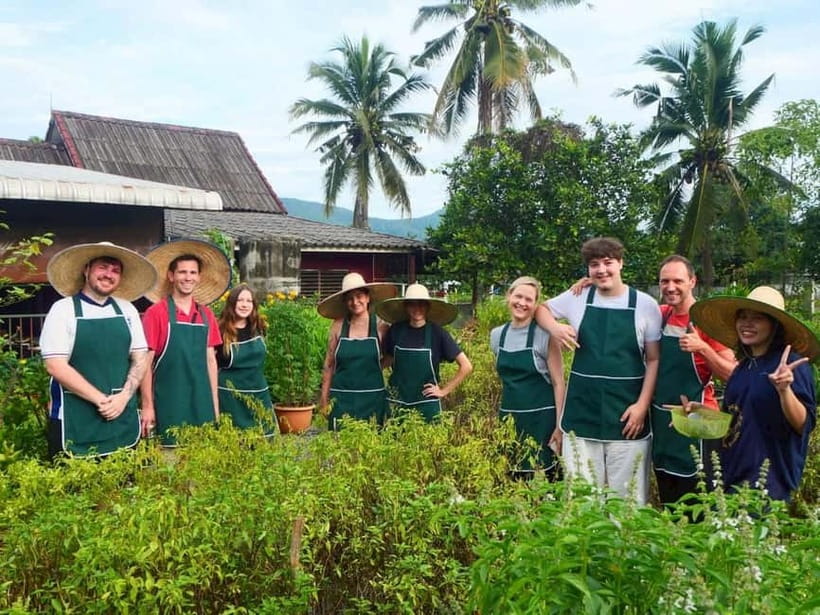
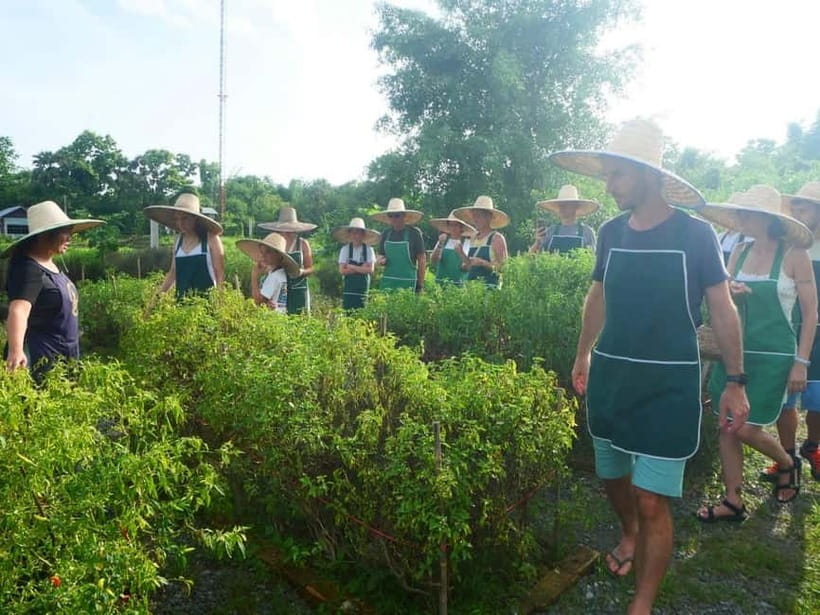
After the market, you head back to the farm for a stroll through the herb garden. This is where the experience turns from “food class” into a farm-to-table lesson.
You’ll discover the local herbs and ingredients you’ll be using. And you’ll also get expert tips on growing herbs and vegetables, which makes the farm feel purposeful rather than just scenic. I like this because it turns what could be a standard kitchen workshop into a lesson you can carry forward: when you understand what grows well and how herbs contribute to Thai flavor, you’ll start thinking differently about cooking.
One more detail that helps the whole flow: the farm atmosphere gives you a mental reset. You’re trading city motion for a quieter pace before you start making curry paste and rolling spring rolls.
Fruit Picking on a Farm: Mango and Longan Timing
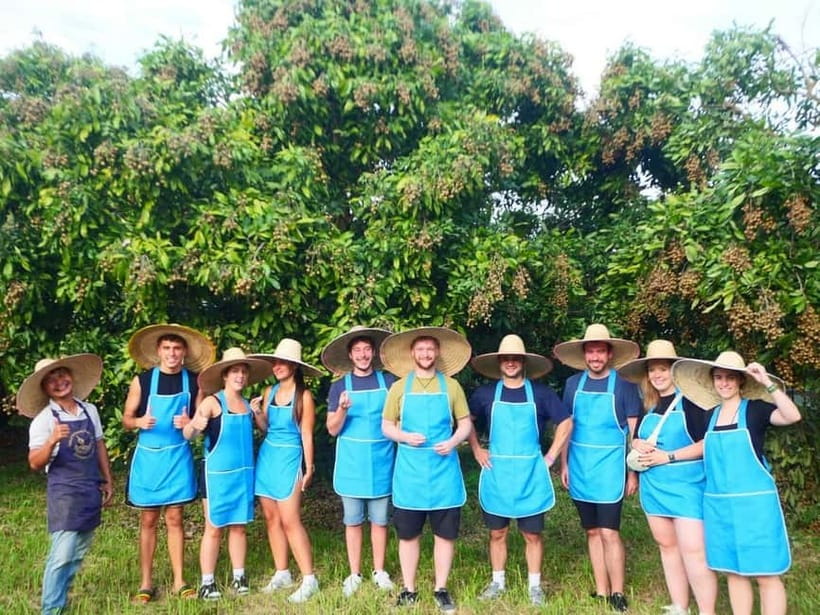
One of the most memorable parts is the chance to pick seasonal fruit straight from the trees. The season depends on what’s available:
- Longans: typically July–August
- Mangoes: typically March–May
Even if you’re not a “farm person,” this is a clever way to teach ingredient awareness. Fruit in Thailand isn’t just for dessert—it shows up in drinks, snacks, and balances alongside spicy and sour flavors.
Practical tip: If your trip falls outside the mango/longan windows, you can still enjoy the class, but the fruit-picking piece may not match what you expected. It’s worth checking the timing before you plan around it.
Hands-On Cooking Class: Curry Paste to Pad Thai and Tom Yum
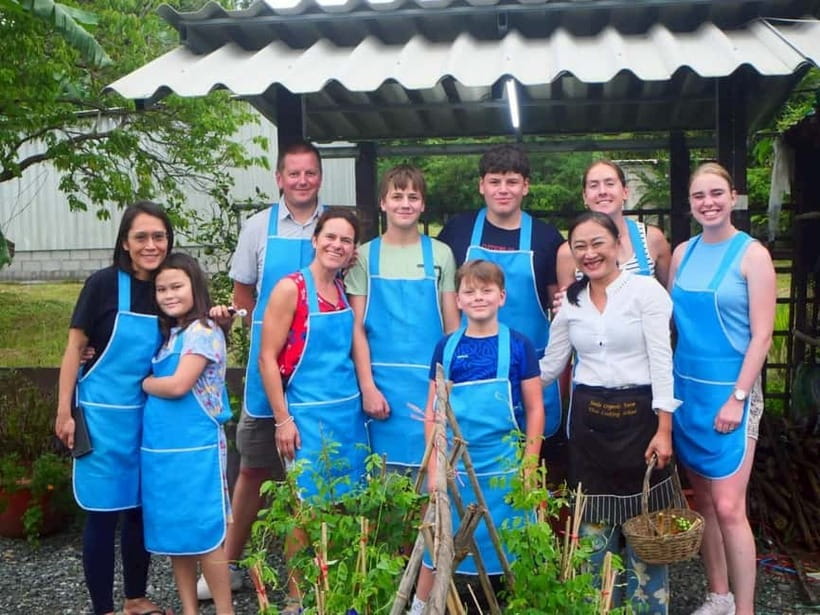
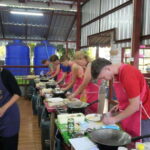
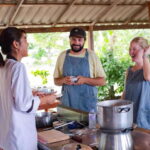
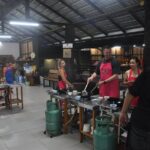
Back in the kitchen, the workshop turns hands-on in a real way. This is not you watching someone else cook while you take notes. You’ll actively prepare dishes, guided by an English-speaking instructor.
You can also read our reviews of more tours and experiences in Chiang Mai

What you can expect to cook
The class includes a variety of Thai dishes such as:
- curry paste
- curry
- stir-fry
- soup
- spring rolls
And you’ll also learn classic favorites like pad thai and tom yum goong (spicy prawn soup). That’s a great mix because it covers different flavor structures:
- curry paste teaches depth and balancing (spice + aromatics)
- pad thai shows sweet-savory-tang balance
- tom yum goong trains you to respect sour, spicy, and aromatic notes
How the instruction usually feels
The sessions run with a relaxed, friendly vibe. One English-speaking guide mentioned in previous bookings is Louna, and the common thread is that she keeps things moving with steady help and a smile. That matters because Thai cooking can feel fast: you need to taste as you go, and someone has to help you correct flavor before it’s too late.
I also like that you’ll learn techniques you can repeat. If you practice the curry paste basics and the “how to taste and adjust” approach, you’ll be able to cook variations at home even if you don’t reproduce the exact same ingredients.
Relax After Cooking: Pool Break and Countryside Calm
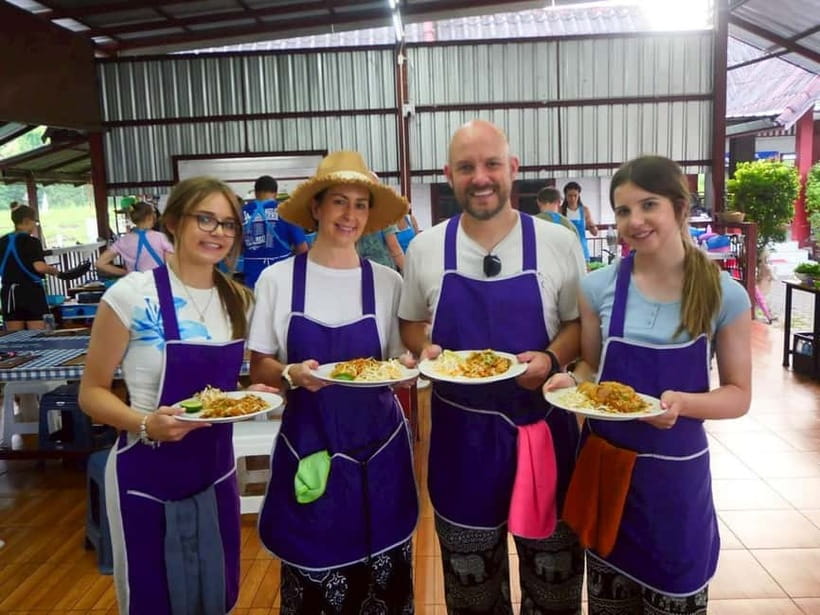
Once you’ve cooked and ate, you won’t just get dropped back into the city. There’s a chill-out area by the swimming pool, and you can take a refreshing dip if you’d like.
This part is more than a nice perk. After a day that includes chopping, tasting, and standing over a hot cooking station, your body wants downtime. A simple place to sit without rushing makes the whole experience feel like a break, not a workout disguised as fun.
And because the farm sits in the countryside just outside Chiang Mai, you get that slower pace without needing a long overnight trip. It’s a smart way to make your day feel restorative while still leaving with a real skill.
Price and Value: Is $28 Worth It?
At $28 per person, this is priced like a mid-range food experience, but the value comes from what you actually get for that money.
You receive:
- an air-conditioned vehicle
- all ingredients for your cooking class
- an e-book with recipes
- a photo album posted on Facebook
- an English-speaking instructor and guided farm/market experience
Why that can be good value in Chiang Mai: cooking classes can easily become expensive if you’re only paying for a meal. Here, the day is built around multiple components—market shopping, farm learning, ingredient prep, and making several dishes—plus the recipes afterward. The e-book especially helps. It’s one thing to eat a great tom yum goong in Thailand; it’s another to have a written guide to recreate it later.
One caveat: this is a group activity, so if you’re the type who wants total privacy or a very strict schedule for your camera and photos, you may feel more structured than free. But if you’re there to cook and learn, the price-to-experience ratio looks strong.
Who This Works Best For (and Who Might Skip)
This class is ideal if you:
- want a hands-on way to learn Thai flavors rather than just tasting them
- enjoy markets and ingredient selection
- like cooking skills you can actually use at home
- want a relaxing countryside break with a pool to cool off afterward
- travel with a friend or small group and want an active shared experience
It may not be the best fit if you:
- want a quick “watch and snack” activity
- dislike interactive cooking (chopping, mixing, tasting)
- need a fully sedentary day
The Practical Details That Make or Break Your Day
A few things I’d plan around so your experience stays smooth:
- Bring comfortable shoes for the market and farm walk. You’ll be on your feet more than you might expect.
- Wear light, breathable clothes. Even with air-conditioning for transport, you’re outside part of the time.
- Arrive ready to taste and adjust. Thai cooking is about balance; it helps if you’re open to tasting and learning quickly.
- Pick the right start time for your energy. Morning for cooler shopping and cooking; afternoon if you want a slow start to the day.
You also have flexibility with planning: free cancellation is offered up to 24 hours in advance for a full refund, and there’s a reserve-now, pay-later option so you can lock in a spot without paying immediately.
Should You Book This Farm Cooking Class?
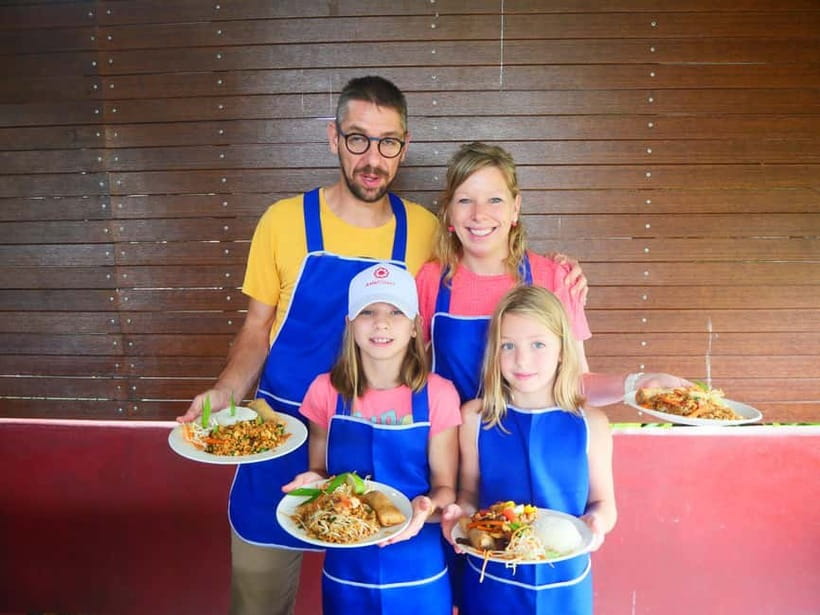
I’d book it if you want more than a meal. This is a structured, practical Thai cooking day with a market start, an organic farm walk, seasonal fruit picking, and a kitchen session that covers the kinds of dishes that actually teach Thai flavor—curry paste, curry, pad thai, and tom yum goong.
Skip it only if you want a minimal-effort activity or a purely sightseeing-style day. If cooking, ingredients, and a calm farm setting sound like your kind of Thailand, this one is a strong match.
FAQ
FAQ
How long is the Thai cooking class?
It’s a 6-hour experience.
What’s included in the price?
The price includes air-conditioned vehicle transport, all ingredients for the cooking class, an e-book with recipes, and a photo album shared on Facebook.
Do you pick fruit during the class?
Yes, you may get to pick seasonal fruit from the trees, with longans (July–August) and mangoes (March–May) listed as options.
What dishes will I learn to make?
You’ll learn to cook a variety of Thai dishes, including curry paste, curry, stir-fry, soup, and spring rolls, plus classics like pad thai and tom yum goong.
What language is the instructor?
The instructor speaks English.
Is pickup included, and where do they pick you up?
Yes, pickup is included for hotels or accommodations within a 3-kilometer radius of Chiang Mai Old City. Pickup times are 8:00–8:30am for the morning course and 3:00–3:30pm for the evening course.
Is there somewhere to relax after cooking?
Yes. There’s a chill-out area by the swimming pool, and you can take a refreshing dip if you’d like.
Is free cancellation available?
Yes. You can cancel up to 24 hours in advance for a full refund.