REVIEW · CHIANG MAI
Half-day with CHIANGMAI ELEPHANT CARE program (12pm-6pm.)
Book on GetYourGuide →Operated by CHIANGMAI ELEPHANT CARE_ · Bookable on GetYourGuide
Elephants feel like neighbors here. You get to feed and touch them closely, then help make herbal medicine balls to support their health. The vibe is calm and elephant-led, but the fixed half-day timing might not fit everyone’s schedule.
I like that this program is built around clear rules and gentle interactions. You start with a uniform change and a briefing on what to do and what not to do, then spend about two hours in hands-on contact and observation. One consideration: if the elephants don’t want an activity (or the weather changes plans), you may not do everything exactly as written.
The day is also easy to manage. Hotel pickup happens around 12pm to 12:30pm, with a drive of roughly 1.5 hours to the Maeteang area, and you’re back by about 6pm. If your guide is Tong Cruise or Ford, you’ll likely hear a lot of elephant behavior and Thailand culture through a friendly, question-friendly format.
In This Review
- Key Things That Make This Program Worth Your Time
- Half-Day Schedule (12pm–6pm): How the Day Really Flows
- Getting to the Maeteang Area: Pickup, Van Time, and Meeting Point
- Camp Arrival: Uniforms, Briefing, and a Home-Cooked Lunch
- The Two-Hour Elephant Interaction: Feeding, Patting, Walking, Photos
- Making Herbal Medicine Balls: A Hands-On Health Moment
- Elephant Bathing and Brushing in the River: When It Happens
- Education That Helps You See Elephant Behavior
- Transport and Comfort: Shower Time Matters
- Price and Value: What $54 Buys You (and What It Suggests)
- Who This Tour Fits Best (and Who Might Prefer Something Else)
- What to Pack and How to Prepare (Practical Tips)
- Should You Book Chiangmai Elephant Care With a Half-Day Program?
- FAQ
- What time does hotel pickup usually happen?
- How long is the experience, and when will I be back?
- Where is the meeting point on Google Maps?
- What’s included in the $54 price?
- Is the tour guide available in English?
- Do you get to bathe the elephants?
- What is the cancellation policy?
Key Things That Make This Program Worth Your Time
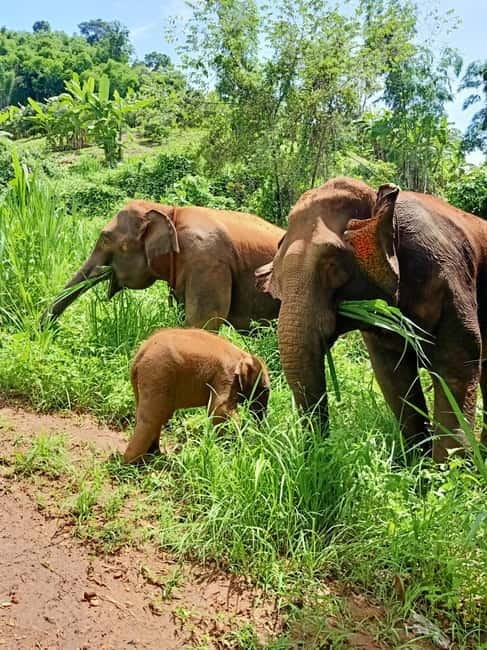
- Elephant-first rules: activities are based on the elephants’ comfort, not forced poses
- Hands-on feeding and patting: you can get very close during the interaction time
- Herbal medicine ball making: you’ll prepare a digestion-support treat, then feed it
- River bathing and brushing (when appropriate): clean-up in the water, guided safely
- Education built into the visit: you learn behaviors, care, and context as you go
- Good support on the ground: shower and changing time before you head back
Half-Day Schedule (12pm–6pm): How the Day Really Flows
This is a half-day outing designed for a late start. You’ll usually get picked up from your hotel lobby around 12pm–12:30pm, then head out toward the Maeteang area.
Plan for real travel time. The drive is about 80 to 90 minutes one way, so you’re not just “walking around for a couple hours.” Once you arrive, the camp portion feels organized and unhurried, with set blocks for lunch, briefing, interaction, and bathing.
You’ll also have a built-in recovery window at the end. After saying farewell to the elephants and mahouts, you get about 30 minutes to shower and change, which helps a lot if you end up muddy or wet.
You can also read our reviews of more tours and experiences in Chiang Mai


Getting to the Maeteang Area: Pickup, Van Time, and Meeting Point
Pickup is part of the package. Your guide and driver come to your hotel lobby, and it can be a shared van experience that may stop at 2–3 hotels before you reach the elephant care area.
If you like having a backup reference, the tour lists a map pin you can use to orient yourself: 7MCWQXJC+63W. That’s especially handy if you’re the kind of traveler who likes to check routes in advance.
Because this is a joined transport style, keep your phone charged and your timing flexible. Nothing ruins a relaxed visit like being late for a pickup that already has a set departure window.
Camp Arrival: Uniforms, Briefing, and a Home-Cooked Lunch
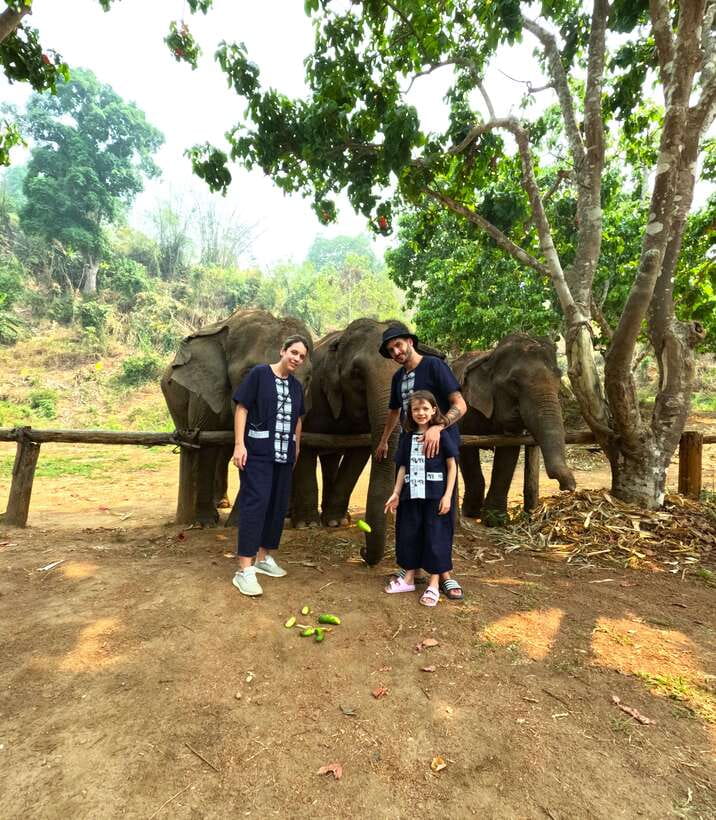
When you arrive, you’ll change into provided uniforms before joining the day’s activities. It’s a small thing, but it helps everyone shift into the same “elephant care” mindset.
Then comes lunch and a short orientation. You’ll have a home-cooked lunch with fruit, plus drinking water, and it’s scheduled for about 30 minutes. After eating, there’s an introduction and briefing on what to do and what not to do around the elephants.
I like this part because it sets expectations for safe, respectful interaction. You’re not just told “be careful.” You get clear guidance on behavior around the animals, which matters most when you’re getting close enough to feed, touch, and walk with them.
The Two-Hour Elephant Interaction: Feeding, Patting, Walking, Photos
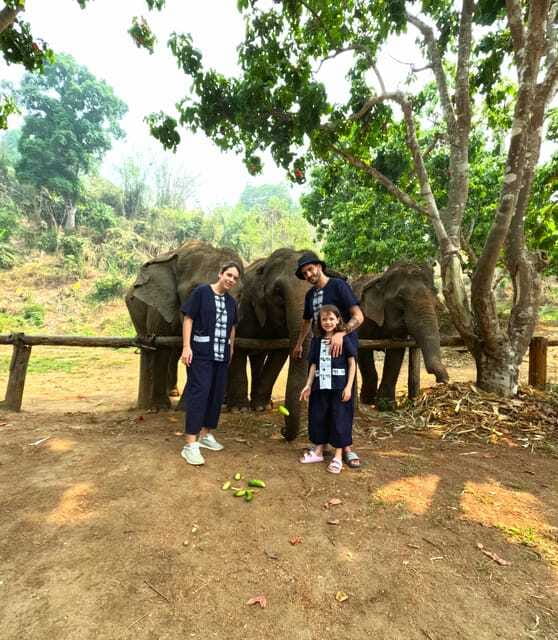
The core of your time happens during the interaction block. You’ll spend about two hours learning and connecting with the elephants in a structured way.
You’ll do more than stand and watch. The program includes:
- Feeding the elephants very closely, including bananas and other elephant foods
- Touching and pats when the elephants are comfortable
- Observing elephant behavior and learning what it means
- Walking with elephants around the grounds and taking photos when appropriate
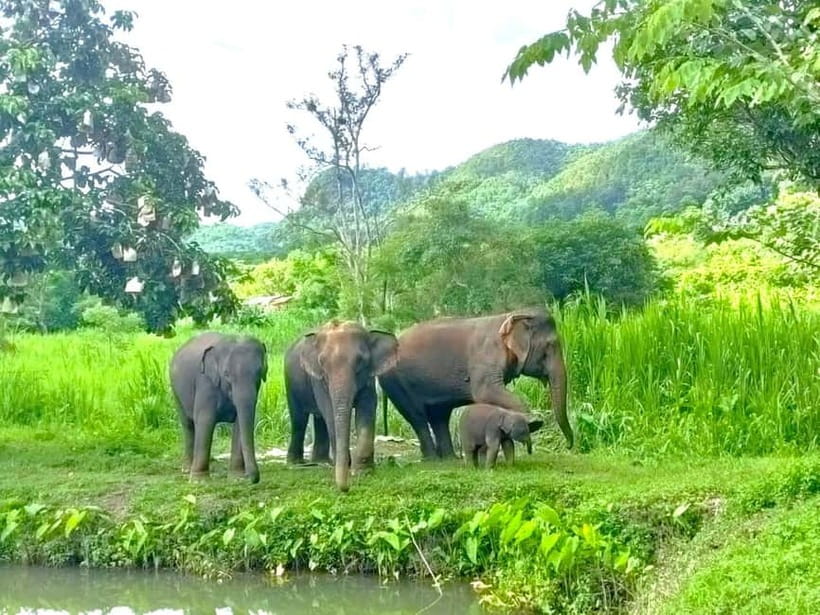
This is where the “elephant-led” approach becomes obvious. The activities are described as being based on the elephants’ happiness, not a rigid schedule where humans make the animals perform.
That also affects the feel of the visit. It tends to be peaceful and question-friendly rather than fast and performance-heavy. If you’re someone who doesn’t enjoy crowds and scripted photo stops, this style is more your speed.
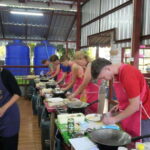
Making Herbal Medicine Balls: A Hands-On Health Moment
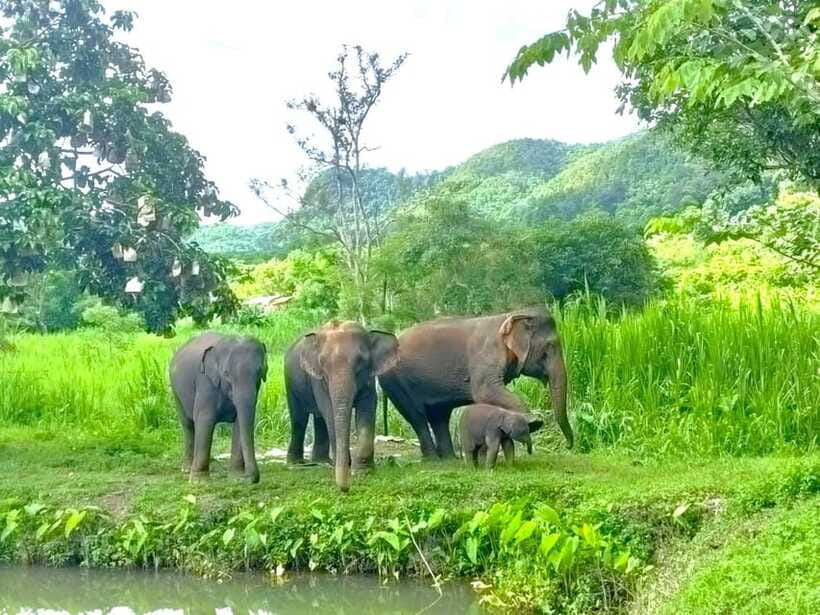
One of the most memorable parts is the herbal medicine ball activity. You’re not only interacting with the elephants—you’re helping make something meant to support their well-being, especially digestion.
The program teaches you how to prepare the herbal supplement ball, then you feed it to the elephants as part of the care routine. Even if you know nothing about elephant health going in, the structure makes it easy to understand why this step is included.
From the way the day is organized, you should think of this as more than a craft. It’s a chance to see care as practical work: food choices, digestion support, and daily routines handled by the staff and mahouts.




Elephant Bathing and Brushing in the River: When It Happens
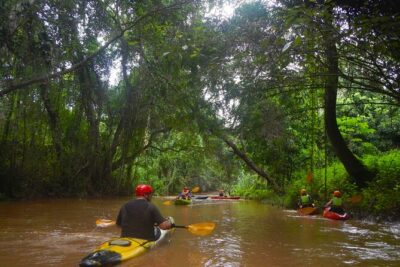
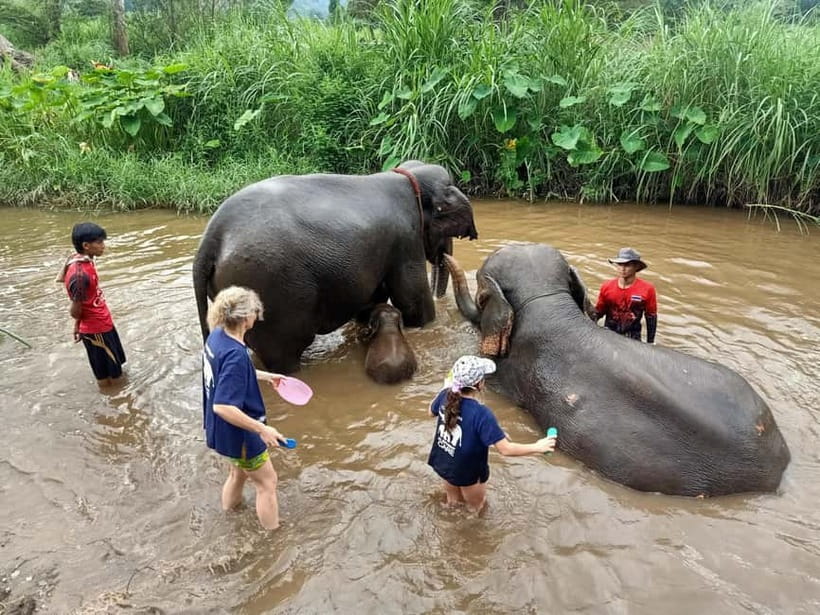
You’ll have the option to bathe and brush elephants in the river. The schedule includes this as part of the visit, and it’s guided for safety and comfort.
That said, the program makes it clear that interactions are based on the elephants’ happiness. In real life, that can mean the river bathing portion might be adjusted. For example, rain can affect whether bathing is done, and the elephants’ willingness matters too.
The upside for you: when an animal-led approach is taken seriously, you’re less likely to end up in a situation where the elephants look stressed. Instead, you’re seeing cleaning and grooming as something they participate in naturally.
Education That Helps You See Elephant Behavior
This is not a one-way show. The visit includes an emphasis on facts and information, taught by the English-speaking guide.
You’ll learn about elephant behavior and what to pay attention to while you’re feeding, walking, and interacting. It’s the kind of knowledge that makes the experience click. When you can read body language or understand diet basics, the whole day becomes more meaningful than a checklist of activities.
Guide names that have stood out in this program include Tong Cruise and Ford. Expect a friendly tone and plenty of time to ask questions, especially if you’re traveling solo or with small-group dynamics.
Transport and Comfort: Shower Time Matters
A lot of elephant days end with you trying to rinse off in a parking lot. Here, you get built-in comfort.
After you return from the elephant care portion, there’s a 30-minute refreshment window with shower and changing time. That’s genuinely useful after river bathing or brushing. It also means you can return to the city feeling human, not crunchy.
On the road, you’ll spend time in the van again for the roughly 80-minute return drive, and you should be back at or before 6pm.
Price and Value: What $54 Buys You (and What It Suggests)
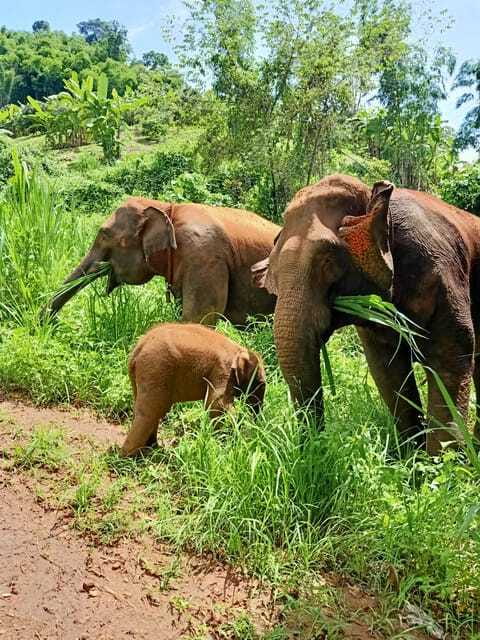
At $54 per person, you’re paying for a full half-day structure, not just a ticket and a vague “elephant meet and greet.”
Here’s what’s included:
- Entrance ticket to Chiang Mai Elephant Care
- English-speaking tour guide
- Elephant foods
- Uniforms for the activities
- Day tour insurance
- Home-made lunch plus fruit and drinking water
- Hotel pickup and return transport
What that adds up to is a smoother day. You don’t need to figure out lunch, entry, guidance, or transport. Also, the uniform and briefing matter because they help keep interactions respectful and consistent.
What’s not included is personal spending. So budget for souvenirs, extra snacks, or anything you’d like beyond water and fruit.
A final value note: this program is positioned as an elephant-first sanctuary style, with interactions described as based on the elephants’ happiness. If that ethical approach matters to you, the price can feel more justified because the experience isn’t built on forcing behaviors or quick photo-only moments.
Who This Tour Fits Best (and Who Might Prefer Something Else)
This experience is a great match if you want:
- Hands-on, close interaction (feeding, patting, walking)
- Learning built into the day, not tacked on at the end
- A calmer format with elephant comfort as a guiding rule
It may not be ideal if you’re trying to pack a second activity immediately after 6pm. The day runs long enough that you’ll likely be tired, especially after river bathing.
Also, if you hate any chance of water/wet clothes, you’ll want to be mentally ready for river activity to be part of the plan. Even when bathing is adjusted, you may still get damp during brushing and cleaning routines.
Families with kids often like this kind of structured interaction, especially when there’s time to ask questions and watch elephants without rushing.
What to Pack and How to Prepare (Practical Tips)
You don’t need a special outfit, but you should prepare for a hands-on and possibly wet day.
Bring:
- A change of clothes for after the tour (you’ll change at the end, but it’s still wise)
- A waterproof bag or plastic bag for your phone and valuables
- Basic personal items (anything not covered by the included lunch/water)
Wear something comfortable for walking around the grounds. If river bathing happens, you’ll be glad you’re not in your best sandals.
And mentally prepare for rules. When the briefing is clear, following it becomes easier, and your elephant interaction will feel safe for both you and the animals.
Should You Book Chiangmai Elephant Care With a Half-Day Program?
I’d book this if you want a close, structured elephant day with real interaction and an education-first approach. The combination of feeding, making herbal medicine balls, and the option of river bathing (based on the elephants’ happiness) makes it more than a quick photo stop.
I’d also choose it if you prefer a calm experience with staff attention and guidance in English. The presence of guides like Tong Cruise or Ford in the program’s history suggests the storytelling and explanations are taken seriously.
Skip it only if your schedule can’t handle the 12pm–6pm timing or you strongly dislike the possibility of a wet, river-based portion. Otherwise, this is a solid, value-packed way to spend a half day with elephants in Chiang Mai while keeping comfort and care front and center.
FAQ
What time does hotel pickup usually happen?
Pickup is scheduled for around 12pm to 12:30pm, from your hotel lobby. It can involve stops at 2–3 hotels since it may run as a joined tour.
How long is the experience, and when will I be back?
The tour runs for about 6 hours total (12pm–6pm). You’ll return to the city around or before 6pm.
Where is the meeting point on Google Maps?
The tour lists a pickup/map pin of 7MCWQXJC+63W, which you can use to find the general meeting area on Google Maps.
What’s included in the $54 price?
The price includes the ticket to enter Chiang Mai Elephant Care, an English-speaking tour guide, elephant foods, provided uniforms, day tour insurance, and a home-made lunch plus fruits and drinking water.
Is the tour guide available in English?
Yes, the tour guide is listed as English-speaking.
Do you get to bathe the elephants?
The program includes bathing and brushing elephants in the river, but it notes that activities are based on the elephants’ happiness. So the river bathing portion may depend on conditions and the elephants’ comfort.
What is the cancellation policy?
Free cancellation is offered up to 24 hours in advance for a full refund.