REVIEW · CHIANG MAI
Sunlight or Moonlight: Chiang Mai City Tuk Tuk Tour
Book on Viator →Operated by Sightseeing Chiang Mai · Bookable on Viator
Chiang Mai by tuk-tuk at night is magic. This tour takes you to the city’s big sights after dark, when temples and markets look different and the streets feel cooler and less crowded, all while you skip the stress of nighttime navigation. I especially love the small group size and the English-speaking guide who keeps the stops clear, story-driven, and easy to follow.
One thing to plan for: you’ll be visiting temples, so you need modest dress, and the tour requires good weather since it runs outdoors.
Key points at a glance
- Small-group feel with personalized attention during a night ride
- Temple + market order that makes the evening feel efficient and fun
- Wat Chedi Luang entry included, plus water, snacks, and travel insurance
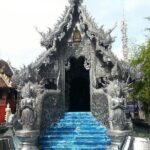
- Silver Temple stop (Wat Sri Suphan) for detailed, photo-friendly craftsmanship
- Warorot Market and Flower Market for local snacks, shopping, and nighttime color
- Two departures daily (8 AM and 3 PM) so you can match your schedule
In This Review
- Why a Chiang Mai Night Tuk-Tuk Tour Works Better Than Trying on Your Own
- The 3-Hour Route: Temples First, Markets After Dark
- Wat Chedi Luang Varavihara: The Emerald Buddha Story in Stone
- Wat Sri Suphan (Silver Temple): Craftsmanship You Can Actually See
- Wat Lok Molee: Lanna-Style Details and a Slower Feel
- Warorot Market (Kad Luang) and the Flower Market: Snacks, Shopping, and Night Color
- The Tuk-Tuk Ride Experience: Small Group, Real Convenience
- Price and Value: Why $89.51 Can Be a Deal (If You Count What’s Included)
- Practical Tips That Make the Evening Go Smoothly
- Should You Book the Chiang Mai City Tuk Tuk Night Tour?
- FAQ
- How long is the Chiang Mai City Tuk Tuk Tour?
- How much does it cost per person?
- What times does the tour operate?
- How big is the group?
- Where does the tour start and end?
- What’s included in the tour price?
- What should I wear since it includes a temple?
- What’s not included?
- What happens if the weather is bad?
Why a Chiang Mai Night Tuk-Tuk Tour Works Better Than Trying on Your Own
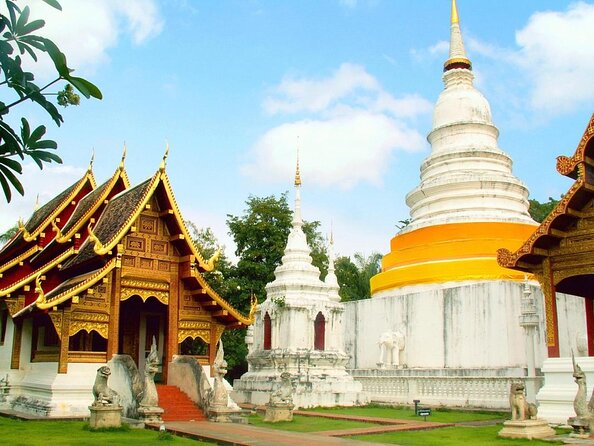
Chiang Mai at night has its own rhythm. You’ll still get that laid-back northern vibe, but with extra light on stonework, lantern glow around markets, and a different pace on the roads. The smart part here is that a tuk-tuk lets you move quickly between major areas without you having to plan every turn in the dark.
I like tours like this because they handle the hard bits. You’re not hunting down directions or trying to judge traffic. You get a guide who can point out what matters at each stop, plus keep the timing tight enough to cover more than you could comfortably do solo in one evening.
Two practical benefits you’ll feel right away: cooler evening temperatures and fewer crowds than you might hit earlier in the day. And because this is a structured route, you can relax and focus on photos, street scenes, and the temples’ nighttime atmosphere.
Possible drawback: it depends on the weather, and temple visits mean you’ll want to dress appropriately from the start.
The 3-Hour Route: Temples First, Markets After Dark
This tour is about 3 hours long, and it’s built like a classic evening arc: sacred sights first, then the lively market world. That order matters. Temples tend to be calmer and more about looking closely, while markets are where you shift into browsing mode—snacks, souvenirs, and flower displays.
You’ll start with a major pagoda stop, then move through two temples known for distinct styles and craftsmanship. After that, you head into Warorot Market (Kad Luang) and the Flower Market area, where you can snack and shop while the light hits the stalls and blooms.
It’s also scheduled twice a day: 8 AM and 3 PM. If you’re hoping for maximum night atmosphere, pick the departure that best lines up with your evening plans. Either way, the tour is designed around seeing Chiang Mai from a different angle than daytime sightseeing.
You can also read our reviews of more city tours in Chiang Mai
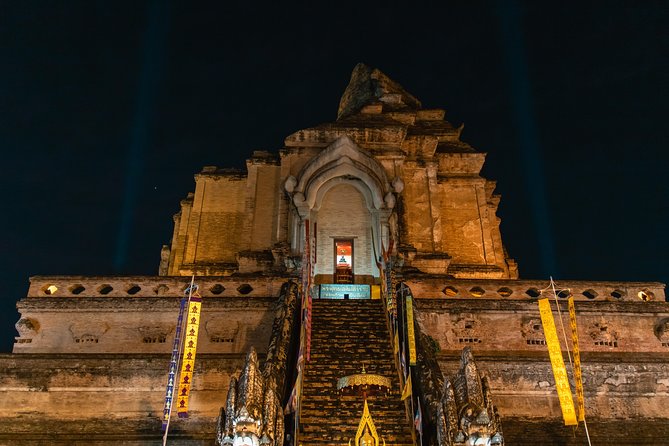
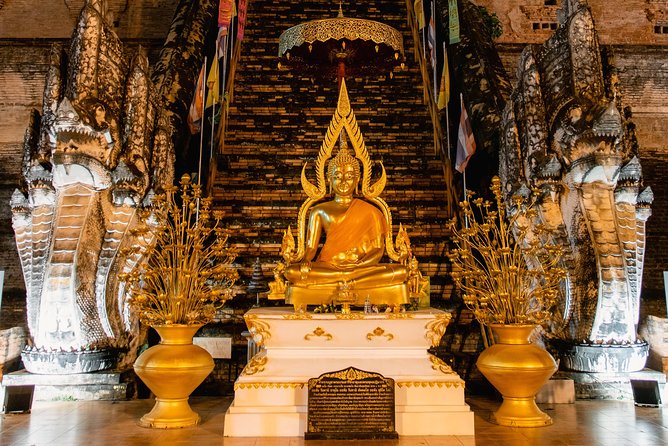
Wat Chedi Luang Varavihara: The Emerald Buddha Story in Stone
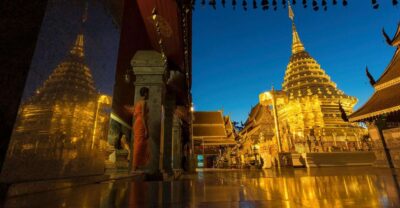
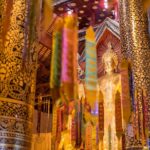
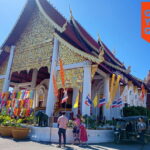
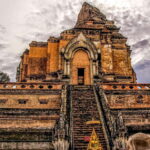
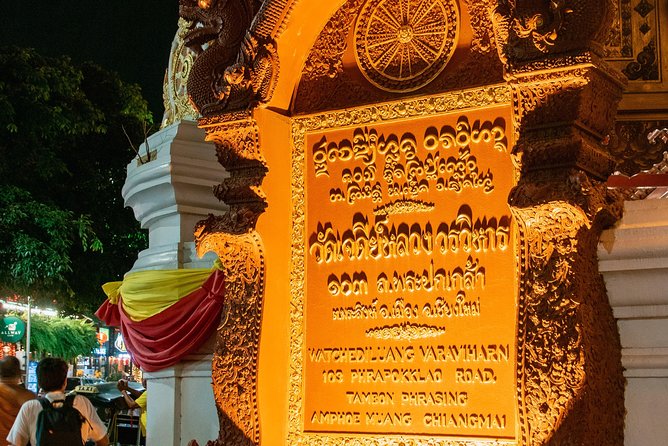
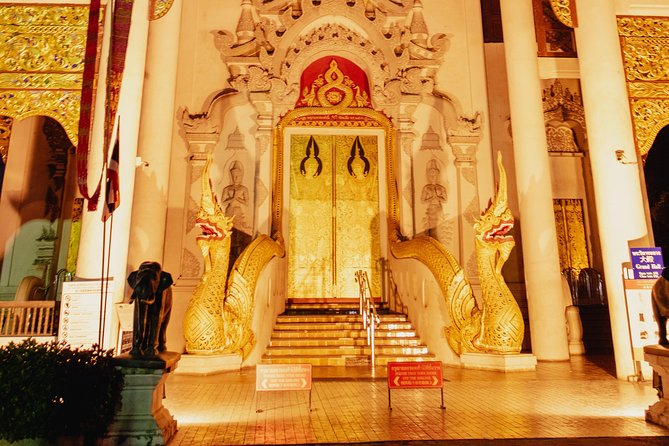
Wat Chedi Luang Varavihara is the kind of temple that makes you slow down even when you’re on a tight schedule. It’s famous for its ancient pagoda and for the fact that it once housed the revered Emerald Buddha. Even if you only know the basic name, seeing the scale and historic importance in person hits differently.
This stop also includes the entry fee to the Chedi Luang temple, which is one less “where do we pay now?” moment for you. You’ll have time to look at the architecture and understand why the site is such a cornerstone in Chiang Mai’s temple world.
Night adds a twist. Lighting can flatten distances in a useful way—so you get a clearer view of details and proportions from different angles as the evening light changes. Take a few minutes just to study the pagoda structure before you rush to photos.
Wat Sri Suphan (Silver Temple): Craftsmanship You Can Actually See
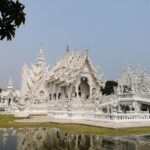
Next up is Wat Sri Suphan, widely known as the Silver Temple. The key detail here is the intricate handcrafted silver designs. That means this isn’t just a “pretty building” stop. If you pause, you’ll notice how the decorative work creates texture and rhythm across the temple surfaces.
It’s also a quieter kind of stop compared to the markets that come later. The atmosphere tends to feel more about observation than buying or eating. That makes it a great middle segment of the tour: you get a change in pace after the first temple and before you switch to street life.
If you care about photos, this is a strong candidate. Silver-toned details can reflect light well at night, so you may get better results than you would expect in a dim environment—just keep your camera steady and be respectful of other visitors.
Wat Lok Molee: Lanna-Style Details and a Slower Feel
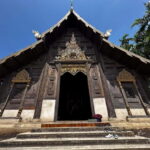
Wat Lok Molee (spelled Lok Moli in some materials) is known for Lanna-style architecture and deep cultural roots. This is where the tour gives you variety: you’re not just seeing three temples that look the same. Each one has its own design language, and the guide’s explanations help you spot the differences.
Lanna architecture is especially interesting at night because lighting can highlight edges and patterns that you might miss in bright daylight. If you like architecture, this stop is your chance to take your time. If you just want the “I saw the key temples” checklist, it still works because the style is distinct and the tour flow keeps you from feeling stuck.
Warorot Market (Kad Luang) and the Flower Market: Snacks, Shopping, and Night Color
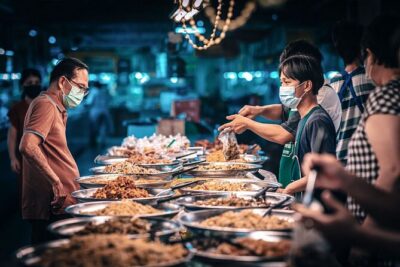
After the temples, you shift into market mode. Warorot Market (Kad Luang) is one of the best places to feel everyday Chiang Mai: stalls, shoppers, and that practical local energy that makes the city feel real.
Then you add the Flower Market element. This is where you’ll see colorful displays that look extra striking after dark. The contrast between dim street lighting and brighter flower colors creates a “night market” effect without needing to make the whole evening about food stalls only.
Here’s what’s great for you in this section:
- You can snack and browse at your own pace while staying in the tour rhythm.
- You can shop for souvenirs without having to plan where the best stalls are.
- You get the social side of Chiang Mai, not just temple photos.
One note: snacks are included during the tour, but meals are not included. So if you’re hungry later, plan a proper dinner after the tour ends. Also note that personal expenses like extra purchases are on you.



The Tuk-Tuk Ride Experience: Small Group, Real Convenience
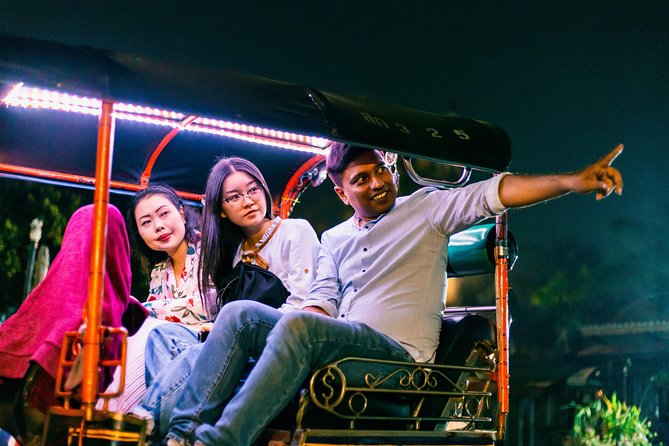
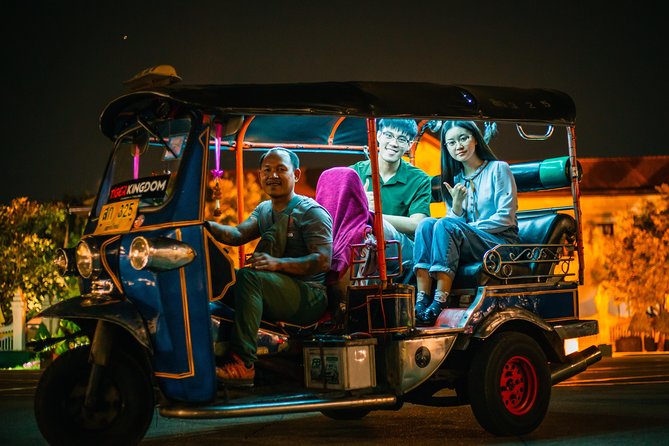
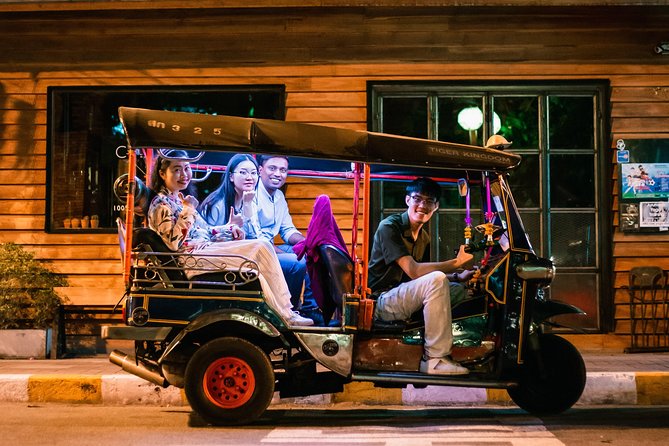
The ride is part of the charm, but the more important value is how the small group size changes the experience. This tour limits you to a maximum of 10 travelers, and the descriptions emphasize a small group with personalized attention.
In practice, that usually means:
- the guide can keep better track of timing,
- it’s easier to handle questions,
- and you’re less likely to feel like you’re one face in a crowd.
You’ll be in a tuk-tuk for transportation during the entire tour. That matters because nighttime streets can be tricky to navigate. The tour handles the route, and you just enjoy the views as you move between areas.
It’s also scheduled so you can get back where you started. The activity ends back at the meeting point, which is helpful if you’re not trying to figure out transportation afterward.
Price and Value: Why $89.51 Can Be a Deal (If You Count What’s Included)
At $89.51 per person for about 3 hours, the sticker price can look high until you count what’s included. This tour covers tuk-tuk transportation for the entire tour, a professional English-speaking guide or driver, and entry to Chedi Luang.
You also get bottled drinking water, snacks, and travel insurance. In other words, you’re paying for structure, language support, and key costs bundled together—not just a ride.
Is it worth it? It’s usually a good fit if you want:
- a guided night route with major temples and markets,
- less planning stress,
- and a realistic way to see several stops without wasting time.
If you’re the type who loves self-guided wandering and you’re already comfortable navigating at night, you might question the cost. But if you’d rather trade a little money for time saved and a clearer route, the value math tends to work out.
What you should budget separately:
- personal expenses (souvenirs and extras),
- tips for your guide/driver (optional),
- meals not specified as included,
- and any entry fees at attractions not listed.
Practical Tips That Make the Evening Go Smoothly
A few small things can make a big difference on a night tuk-tuk tour.
Dress for temples: You’ll be visiting a temple, and you’re requested to dress modestly. That means covering appropriately and avoiding anything too revealing.
Bring a camera plan: Night lighting can make temples and market flowers look amazing. But you’ll be moving between spots, so use settings you’re comfortable with. If you’re using a phone, check that your camera stays steady and your lens isn’t fogged by humidity.
Expect snacks, not a meal: Snacks are included, but meals are not. If you know you get hungry in the evening, add a dinner plan after the tour ends.
Weather matters: This experience requires good weather. If rain or poor conditions roll in, it may be canceled and you’ll be offered another date or a full refund.
Timing choice (8 AM vs 3 PM): The tour runs twice daily. Both start times are fixed, but the night atmosphere you experience depends on when you’re out on the streets. If you want maximum after-dark feel, lean toward the departure that fits your schedule best.
Should You Book the Chiang Mai City Tuk Tuk Night Tour?
I’d book this tour if you want an easy, guided way to see Chiang Mai at night—especially if temple visits and market browsing are both on your list. It’s a strong option for couples, friends, and families who like a plan but still want real street energy.
Avoid it if:
- you hate group tours or you want total freedom to wander at your own pace,
- you’re uncomfortable with modest dress rules for temples,
- or you’re traveling in conditions that are clearly unstable (since the tour requires good weather).
If you do book, pick the departure time that best matches your idea of night in Chiang Mai, and come ready to look closely at temple details and to enjoy market snacks without rushing.
FAQ
How long is the Chiang Mai City Tuk Tuk Tour?
It runs for about 3 hours.
How much does it cost per person?
The price is listed as $89.51 per person.
What times does the tour operate?
It operates twice a day: 8 AM and 3 PM.
How big is the group?
The tour has a maximum of 10 travelers.
Where does the tour start and end?
It starts at Duangtawan Hotel Chiang Mai, 132 Loi Kroh Rd, Tambon Chang Khlan, Amphoe Mueang Chiang Mai, Chang Wat Chiang Mai 50100, Thailand, and it ends back at the meeting point.
What’s included in the tour price?
You get tuk-tuk transportation, a professional English-speaking guide or driver, entry fee to Chedi Luang Temple, visits to Wat Sri Suphan, Wat Lok Moli, Warorot Market, and Flower Market, bottled water, travel insurance, and snacks.
What should I wear since it includes a temple?
You’re requested to dress modestly because the tour includes a temple visit.
What’s not included?
Personal expenses (like souvenirs), tips for the guide or driver (optional), meals, and any entry fees to attractions not listed in the tour.
What happens if the weather is bad?
This experience requires good weather. If it’s canceled due to poor weather, you’ll be offered a different date or a full refund.