REVIEW · CHIANG MAI
Team Aim Thai Cooking School (#1 Cooking Class in Chiang Mai)
Book on Viator →Operated by Local Tours Center · Bookable on Viator
Chiang Mai cooking classes feel like a cheat code. You get a market tour first, then head to an open-air kitchen to cook a real spread of Thai food with hands-on wok time.
I especially love how the class mixes practical ingredients learning with full meal-making. You’re not just tasting Thai flavors; you’re building them, including curry paste and dishes like spring rolls and Thai traditional salad.
One thing to consider: you’ll be out for about 5.5 hours, and it’s set up so you eat everything you make (or take it away). If you’re the type who snacks lightly on trips, plan your day around this.
In This Review
- Key Things That Make This Class Worth Your Time
- From Somphet Market to an Open-Air Kitchen: The Smart Setup
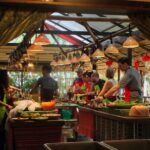
- Somphet Market: How the Shopping Turns into Flavor Knowledge
- The School Kitchen: Hands-On Wok Time (No Waiting, No Guessing)
- What You’ll Cook: Spring Rolls, Curry Paste, and a Full Thai Meal
- Spice Control and Vegetarian/Vegan Options That Actually Matter
- Timing That Makes Sense: Morning vs Evening Courses
- Eating What You Make: Plan Your Appetite and Your Packing
- Transportation, Location, and How Pickup Fits Chiang Mai Travel
- Teacher Energy: A Bright, Clear Guide Makes It Click
- Price and Value: Why $34.01 Feels Fair for What You Get
- Who Should Book This Class (and Who Might Not)
- Should You Book Team Aim Thai Cooking School?
- FAQ
- How long is the Team Aim Thai Cooking School class?
- What are the start times for the morning and evening courses?
- How many people are in the cooking class?
- What dishes will I cook?
- Can the menu be made vegetarian or vegan, and can I control spice?
- Is pickup included?
- What if the weather is bad or I need to cancel?
Key Things That Make This Class Worth Your Time
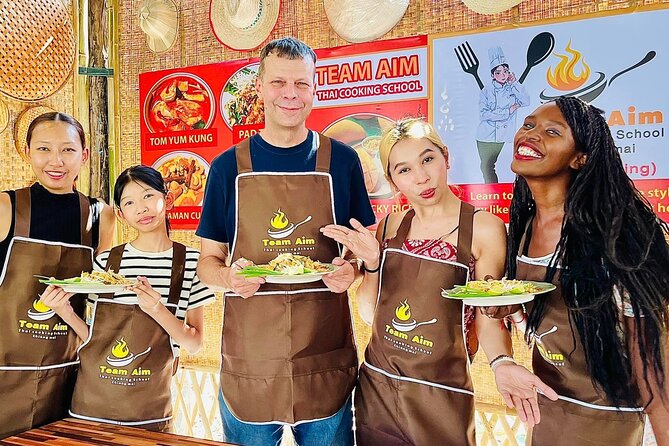
- Market-to-wok flow: Somphet Market first, cooking right after.
- Small class size (2–9) for real attention and less waiting around.
- One person per wok so you actually cook, not just watch.
- Menu choice: 4 dishes + curry paste, with sticky rice and mango included.
- Spice control + vegetarian/vegan options you can adjust as you go.
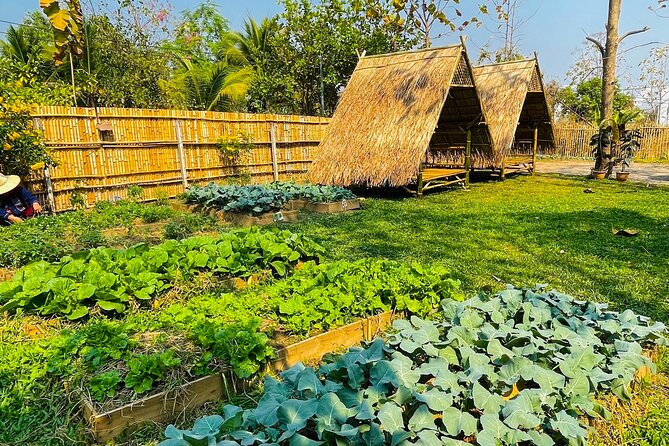
- Open-air kitchen in Chiang Mai with tea and fruit to keep you fueled.
From Somphet Market to an Open-Air Kitchen: The Smart Setup
The best Thai cooking classes do two things well: they explain ingredients before you touch a knife, and they keep you moving until you’re eating at the end. This one follows that exact logic.
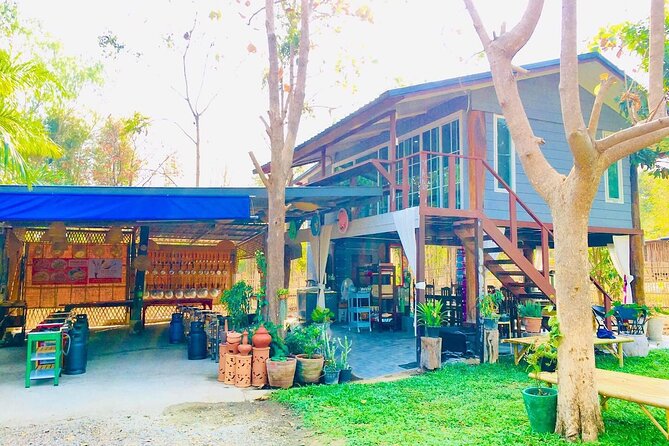
You start at Somphet Market with a guide who helps you shop with purpose. Instead of wandering, you learn what to buy and why it matters for what you’ll cook later. Then you head to the school, get settled with a drink, and jump into cooking in an open-air setting where you can see the action and smell the food as it comes together.
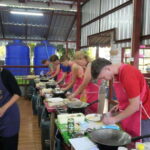
The small group size (2–9) also changes the whole vibe. You’re not stuck waiting for a shared station. With one person per wok, you work through the steps yourself, which is how the recipes stick.
A practical note: the schedule is designed for a full course meal experience, not a quick demo. Morning runs late into the afternoon, and the evening class runs well after sunset.
You can also read our reviews of more cooking classes in Chiang Mai
Somphet Market: How the Shopping Turns into Flavor Knowledge
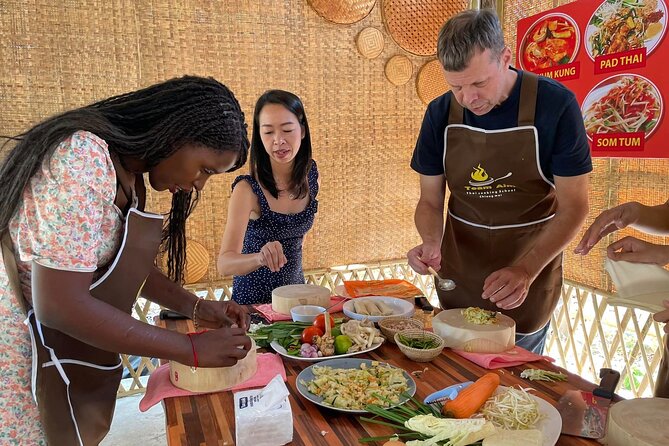
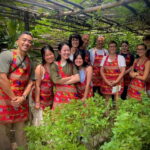
The market stop is where this class earns its keep. You’re not just picking ingredients. You’re learning how Thai dishes rely on balancing fresh aromatics, dried spices, sauces, and pastes that each pull their weight.
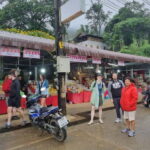
You’ll shop for ingredients for your menu, and your guide keeps things moving with commentary. One review mentions Cindy giving a quick tour while shopping, explaining how the ingredients you buy connect to the dishes you’ll make. That’s the part you want: instant context, not just a shopping list.
Even if you’re not the type who cooks at home often, this market piece upgrades what you’ll notice when you eat Thai food afterward. You start to see curry paste as a starting point, not a mystery sauce. You recognize how salads use different herbs than stir-fries. And you understand why the same main ingredient can taste totally different depending on prep and pairing.
Because you’re shopping before cooking, you also get a clearer sense of what matters and what’s optional. That makes the recipe book more useful later, when you’re trying to replicate flavors at home.
The School Kitchen: Hands-On Wok Time (No Waiting, No Guessing)
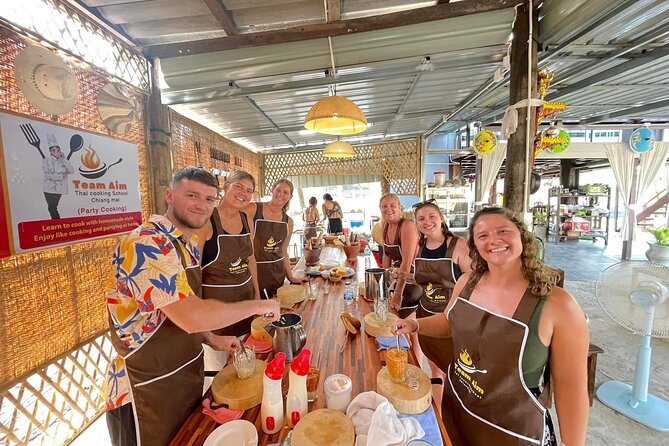
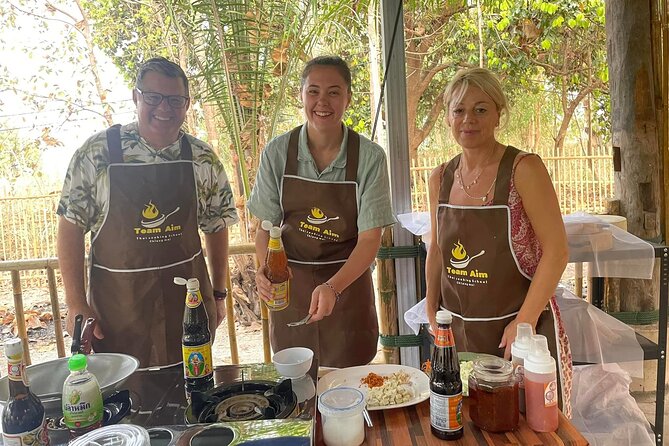
After the market, you ride to the cooking school and settle in with a welcome drink—tea, coffee, or something similar depending on the schedule. Then the rhythm becomes cook, taste, adjust, and cook again.
The key detail here is the format: the class is small (2–9 people), and it’s hands-on with one person per wok. That means your time goes into your food, not into watching someone else do the hard parts. It also makes timing easier for the instructors, since everyone can be at the same skill stage.
You’ll work on multiple dish types, which matters because Thai cooking isn’t one technique. You’ll move between things that use pastes and aromatics, dishes that need quick heat control, and items that depend on texture and fresh toppings. That variety builds a better mental map of Thai cooking than a single-dish class.
You also get a step-by-step recipe book at the end. For me, that’s the difference between a fun night out and a class that actually helps you cook later. Recipes are easier to follow when you’ve already done the motions.
What You’ll Cook: Spring Rolls, Curry Paste, and a Full Thai Meal
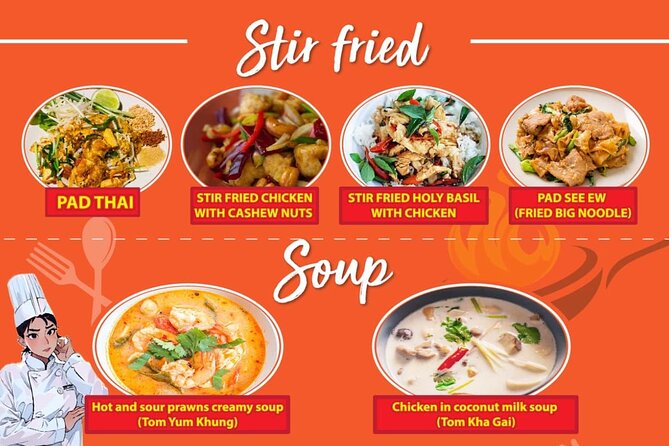
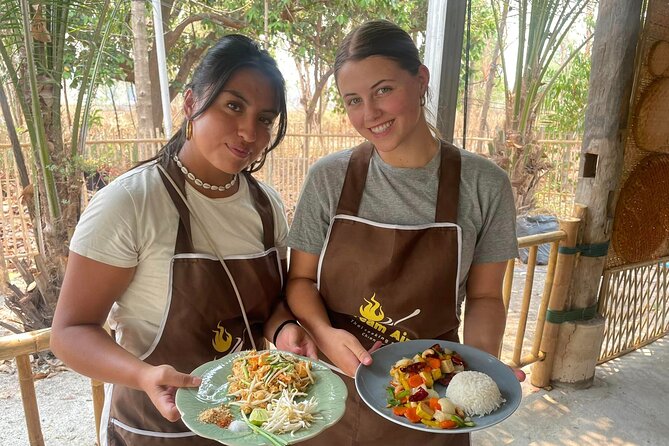
This class is built around a mix of Thai comfort foods and a few signature techniques. You’ll cook spring rolls, soup, stir-fried dishes, curry paste, curry, Thai traditional salad, and Thai tea.
The menu structure is flexible. You can choose 4 dishes + 1 curry paste, plus sticky rice with mango. One of the nicer touches is that everyone can make different menu choices, so you’re not stuck repeating the same dish unless you want to.
Here’s why that menu choice is useful:
- If you’re a beginner, you can pick a smaller number of dishes that still feel varied.
- If you want a challenge, you can lean into curry paste (the base) plus dishes that use it.
- If you came for specific cravings—like spring rolls or salad—you can focus there.
Because you’re making curry paste and curry as part of the experience, you also get the “why” behind the flavor. Curry paste isn’t just ingredients thrown together. It’s a blend of aromatics and spices that releases flavor differently than pre-mixed sauces. Once you’ve made it, you’ll taste curry with more intention.
Spice Control and Vegetarian/Vegan Options That Actually Matter
Thai cooking can sound like it has strict rules. This class makes it practical. You can adjust spice to be mild or spicy by yourself, and it’s set up so dishes can be vegetarian or vegan.
That means you’re not stuck with a one-size-fits-all menu. You can still aim for Thai flavors—herbs, sour notes, sweetness, and salty depth—without crossing your dietary line. You’re also likely to learn which ingredients swap well and how that changes texture and taste.
This is especially helpful if you eat vegetarian at home but aren’t sure how Thai food adapts. In many countries, “vegetarian Thai” can mean a sad plate of stir-fried vegetables. Here, you’re cooking within the Thai framework—curries, salad, soup, spring rolls—so your meal still feels like a Thai meal, not a compromise.
If spice is your thing, you get control at the point that matters: during cooking, not as an afterthought. If mild is better for you, you can keep the balance without losing the flavor base.
You can also read our reviews of more tours and experiences in Chiang Mai

Timing That Makes Sense: Morning vs Evening Courses
You’ve got two options, and each one affects your day planning.
Morning course: 09:00 am–02:30 pm
Pick-up time: 08:20 am–08:55 am
Evening course: 04:30 pm–09:00 pm
Pick-up time: 03:30 pm–03:55 pm
Choose morning if you want a longer block and an earlier end to the afternoon. Choose evening if you’d rather finish your day with cooking and then return after dark, when Chiang Mai’s evenings start to feel more lively.
Either way, the class structure expects you to be hungry. The idea is simple: you’ll cook, you’ll eat, you’ll cook some more, and you’ll finish with dessert and drinks included. So don’t plan a full lunch beforehand just because you can.
Eating What You Make: Plan Your Appetite and Your Packing
The class isn’t shy about portion size. You eat everything you make, or you can take food away. That one line changes how you should plan your meal timing.
Go light before you head out. If you show up with a big breakfast, you’ll still taste and enjoy the food, but you might not have room to finish everything at the same quality level. This is one of those activities where tasting is part of learning, so leaving with full bellies is the goal.
On the drink side, you’ll have drinking water, tea, coffee, and you’ll also get tea and fruit in season. It keeps the flow comfortable, especially if you spend time chopping, mixing, and frying.
If you’re the kind of person who likes to bring back souvenirs but isn’t into trinkets, ask how take-away works for the items you can’t finish. The class includes both options, so you don’t have to gamble on whether you’ll be able to pack food.
Transportation, Location, and How Pickup Fits Chiang Mai Travel
Convenient pickup can make the difference between doing the class or skipping it. This experience offers round-trip transportation within 2.5 km of Chiang Mai Old City. So if you’re staying near the old walls and gates area, this is likely an easy yes.
For the start point, it begins at McDonald’s, 17/1 Kotchasarn Rd, Tambon Chang Khlan, Amphoe Mueang Chiang Mai. Ending is back at the meeting point.
Even if your hotel is within the zone, it’s still smart to build in a little buffer time for pick-up. The class time is fixed, and you don’t want to be rushing at the wrong end of the day.
Also, there’s free Wi‑Fi internet included. Not a huge reason to book, but it’s handy if you want to share photos while you’re waiting for the morning pickup.
Teacher Energy: A Bright, Clear Guide Makes It Click
The teacher matters in cooking classes because you need correction and encouragement while your hands are busy. Here, the tone is positive and supportive.
One review highlights Aim as a very good teacher and mentions the bright smile and enjoyable pace. Another review praises the chef’s English and friendliness. That matters if you want to understand what’s happening in the pan and not just follow steps like a checklist.
If you’ve done cooking classes elsewhere, you know the difference: some instructors teach recipes like math problems. Others teach the process, so you learn how to adjust when ingredients behave differently. A friendly, clear instructor helps you get the “feel” of things like thickness in curry or balance in salad.
Price and Value: Why $34.01 Feels Fair for What You Get
At $34.01 per person, this class looks like a bargain compared to what you’d pay for a hands-on meal experience in many places. But the value isn’t only the price. It’s the ingredient coverage and the amount of food you produce.
You get:
- Market shopping with guidance
- All ingredients needed to cook
- A step-by-step recipe book
- Drinks (water, tea, coffee) plus tea and seasonal fruit
- A full meal that you eat, with take-away as an option
- Small group size and hands-on wok time
Add those up and the cost starts to make sense quickly. This is closer to a guided cooking meal plus a skills lesson than a sit-down tasting.
And because you choose dishes (4 dishes + curry paste, plus sticky rice and mango), you control whether your “value” is more about learning technique or matching your cravings.
If you’re on a tight Chiang Mai itinerary, booking this as one of your food highlights can give you more than a restaurant visit ever will. You’ll eat, learn, and leave with recipes.
Who Should Book This Class (and Who Might Not)
This is a great fit if you:
- Want to learn Thai cooking basics beyond flavor sampling
- Like structured learning but still want hands-on fun
- Prefer small groups so instruction is actually useful
- Eat vegetarian/vegan or want control over spice
- Want a takeaway recipe book you can use later
You might reconsider if you:
- Hate cooking in shared teamwork settings (even small groups still involve coordination)
- Don’t like eating large portions or want a light snack experience
- Want a very short class (this is designed as a full meal event)
Should You Book Team Aim Thai Cooking School?
If your goal in Chiang Mai is to understand Thai food, this class is a strong choice. The market start gives you ingredient context fast. The small group and one-wok-per-person setup means you actively cook, which is the part that turns a fun day into real learning. Add spice control and vegetarian/vegan flexibility, and you get an experience that works for many diets.
Book it if you want a practical skills lesson wrapped in a great meal. If you’ve got room on your schedule and you can show up hungry, you’ll likely leave thinking about ingredients the next time you order Thai food.
FAQ
How long is the Team Aim Thai Cooking School class?
The class runs about 5 hours 30 minutes.
What are the start times for the morning and evening courses?
The morning course runs 09:00 am–02:30 pm with pick-up 08:20 am–08:55 am. The evening course runs 04:30 pm–09:00 pm with pick-up 03:30 pm–03:55 pm.
How many people are in the cooking class?
The class is small, with 2–9 people.
What dishes will I cook?
You’ll cook spring rolls, soup, stir-fried dishes, curry paste, curry, Thai traditional salad, and Thai tea. You can choose 4 dishes + 1 curry paste, and sticky rice with mango is included.
Can the menu be made vegetarian or vegan, and can I control spice?
Yes. All dishes can be vegetarian or vegan, and you can adjust the spice level to be mild or spicy by yourself.
Is pickup included?
Pickup is offered with free round-trip transportation within 2.5 km from Chiang Mai Old City.
What if the weather is bad or I need to cancel?
This experience requires good weather. If it’s canceled due to poor weather, you’ll be offered a different date or a full refund. You can cancel up to 24 hours in advance for a full refund.