REVIEW · CHIANG MAI
Chiang Mai: Half Day Cooking Class at Organic Farm
Book on GetYourGuide →Operated by LocalCNXTours · Bookable on GetYourGuide
Thai cooking here feels like real life.
What makes this class interesting is the mix of a local market ingredient walk plus hands-on cooking in an organic garden setting, with you choosing your spice level (mild or fiery). I love that the format is small-group and practical, so you actually cook a real spread instead of watching from the sidelines. I also like that vegetarian and vegan options are built in for the main dishes, curry paste, soups, stir-fries, and spring rolls.
The one thing to keep in mind is pace: it’s a 5-hour, full-activity session with lots of chopping, cooking, and eating, so come hungry and be ready for a bit of standing.
If you can match your expectations to that, this is a smart, fun way to learn Thai flavors in Chiang Mai.
In This Review
- Key things I’d plan around
- Choosing the right cooking location: city organic, city yard, or farm outside town
- Market time in Chiang Mai: how the ingredient lesson sticks
- From curry paste to spring rolls: what you’ll cook in this 5-hour class
- How the class stays hands-on
- Dishes you may make (examples you should watch for)
- Spice control is real (and worth using)
- Vegetarian and vegan versions are built in
- Organic farm and garden tour: tasting herbs and learning where flavor starts
- The actual meal: eating Thai style right where you cooked
- Instructors and group vibe: small group attention without feeling formal
- What you take home: PDF recipes, photo album, and take-away food
- Price and value: is $31 per person worth it?
- Practical tips before you go
- Should you book this Chiang Mai cooking class?
- FAQ
- How long is the Chiang Mai half-day cooking class?
- What’s included in the class?
- Where do I meet if I don’t use hotel pickup?
- How many people are in the group?
- Can I cook vegetarian or vegan dishes?
- Can I control how spicy the food is?
- Which cooking categories will I learn?
- What are the different location options?
- Is English available during the class?
- Is there a cancellation policy?
Key things I’d plan around
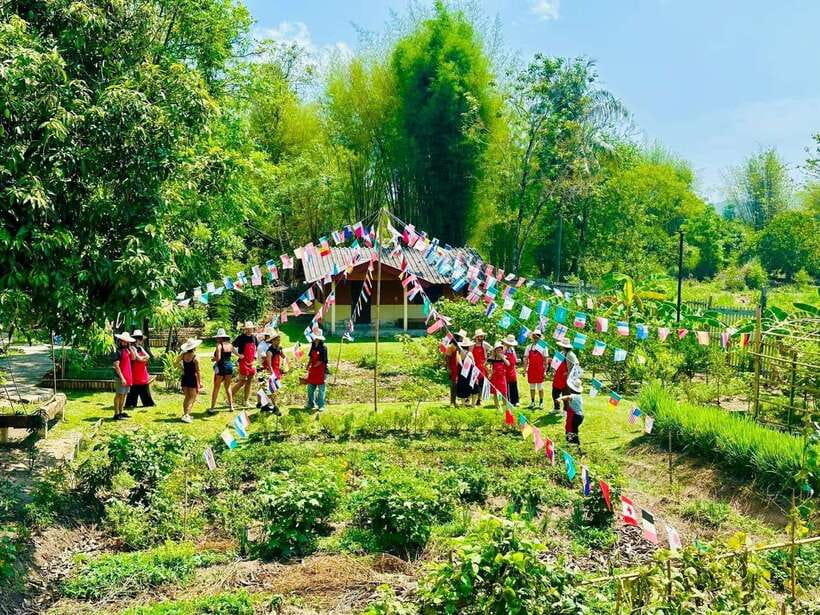
- Three garden-style options: city organic garden, city yard garden, or a farm garden outside the city
- Market ingredient hunt: learn what you’re actually buying before you cook
- You pick the spice level: mild or spicy, tailored to your taste
- Small group, individual station: up to 10 participants, with your own cooking setup
- Take-home recipes in PDF: step-by-step e-book plus an online photo album on Facebook
- Vegetarian or vegan-friendly menu: not a side option, but available across dishes
Choosing the right cooking location: city organic, city yard, or farm outside town
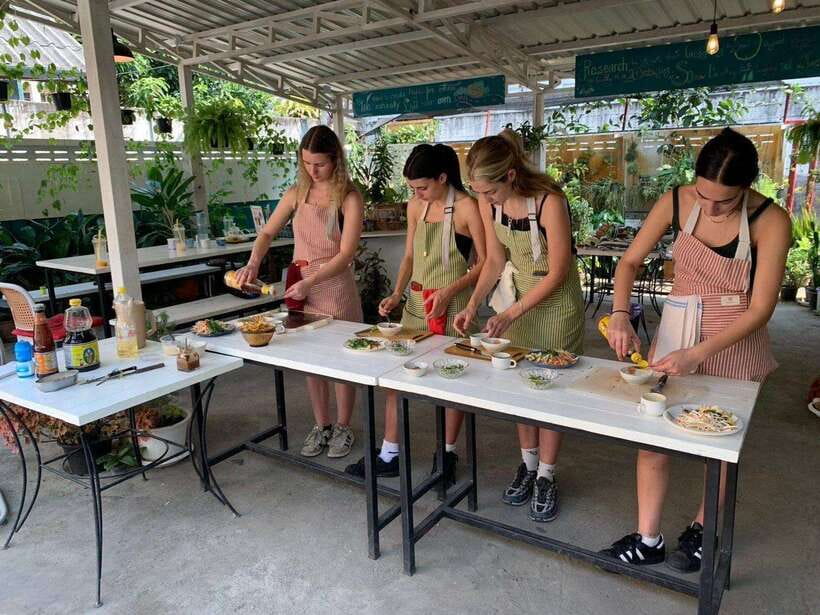
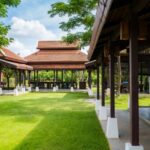
Before you book, pick the garden option that fits your day. This class runs in the morning and evening, and you’ll cook at one of three places:
1) In the city with an organic garden
2) In the city with a yard garden
3) Outside the city at a farm garden
Why this matters: the food experience stays hands-on, but the surroundings change the mood. If you want convenience, the city options keep you closer to Chiang Mai’s usual rhythm. If you want a calmer, more countryside feel, the farm option is the one to choose.
There’s also an “ingredient from the garden” element. You’ll taste herbs from their own garden, so whichever option you choose, you’re not just learning recipes from a cookbook—you’re connecting flavors to where they come from.
You can also read our reviews of more cooking classes in Chiang Mai
Market time in Chiang Mai: how the ingredient lesson sticks
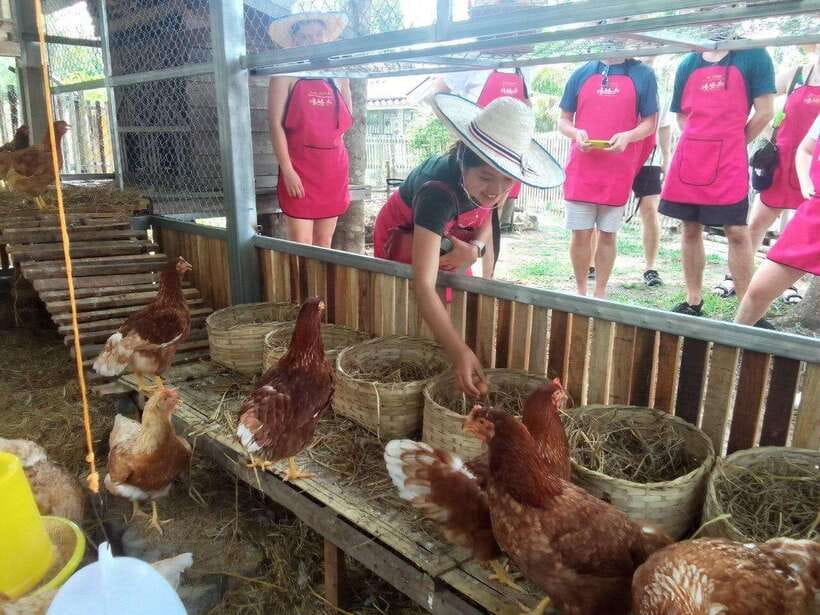
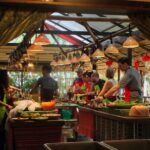
The class starts with a local market visit, and it’s not just a quick look. The goal is to understand ingredients before you start cooking, which makes the recipes easier to repeat later.
Here’s what you get from doing it this way:
- You learn what key Thai ingredients are and how they’re used.
- You see fresh items up close, not in a store aisle hundreds of miles away.
- You’ll know what you’re choosing later when you see similar items at home.
This also helps you avoid a common mistake: making Thai food that tastes off because one ingredient is swapped or skipped. After the market, you’re better at spotting the flavors you need—like the bases for curries and the aromatics that show up in stir-fries and soups.
Tip for you: if you have dietary needs, decide early and tell the instructor clearly. The menu is available as vegetarian or vegan, but it only works well when expectations are set at the start.
From curry paste to spring rolls: what you’ll cook in this 5-hour class
You cook several categories during the half-day format—typically 5–6 categories, including curry paste, curry, stir-fried dishes, soup, and spring rolls. That range is exactly what you want if you’re trying to learn Thai cuisine as a system, not as isolated dishes.
How the class stays hands-on
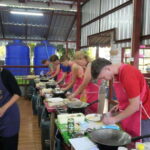
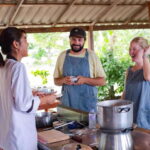
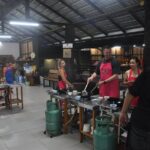
You cook at an individual station with all necessary ingredients provided. That means you’re not scrambling for tools mid-recipe, and you can focus on technique: chopping, mixing, simmering, and tasting. An English-speaking instructor guides you the whole time, and the small group size (limited to 10) makes it easier to get help when something isn’t working.
In several sessions, you can customize your dish base using different curry paste options such as red, green, Phanaeng, or Massaman, and you can also choose Khao Soi style curry paste. You can tailor spice too—spicy or mild—so you’re not forced into a flavor profile that doesn’t match your tolerance.
Dishes you may make (examples you should watch for)
The class commonly includes classics like Pad Thai or chicken fried rice, and it can also cover items such as fried chicken with cashew nuts or Pad Kra Pao, plus spring rolls. Even if you’re not making every single dish listed here, the structure is the same: you practice the main Thai cooking methods and flavor building blocks.
For you, the big win is variety. You’ll get curry techniques, stir-fry technique, soup technique, and something crisp and fried like spring rolls. That’s how Thai cooking starts to feel learnable.
You can also read our reviews of more tours and experiences in Chiang Mai

Spice control is real (and worth using)
One reason people love Thai cooking classes is spice. Another reason they sometimes don’t: they pick spicy and regret it. This class lets you choose, so you can match your food to what you actually want to eat that day. I like this because it keeps the focus on flavor and balance, not pain.
Vegetarian and vegan versions are built in
All dishes are available as vegetarian or vegan, and instructors are set up to support that. If you’re vegan, speak up clearly before cooking starts. That gives the team time to guide you toward the correct versions so you don’t end up with a near-miss substitution.
Organic farm and garden tour: tasting herbs and learning where flavor starts
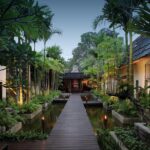
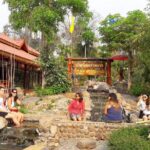
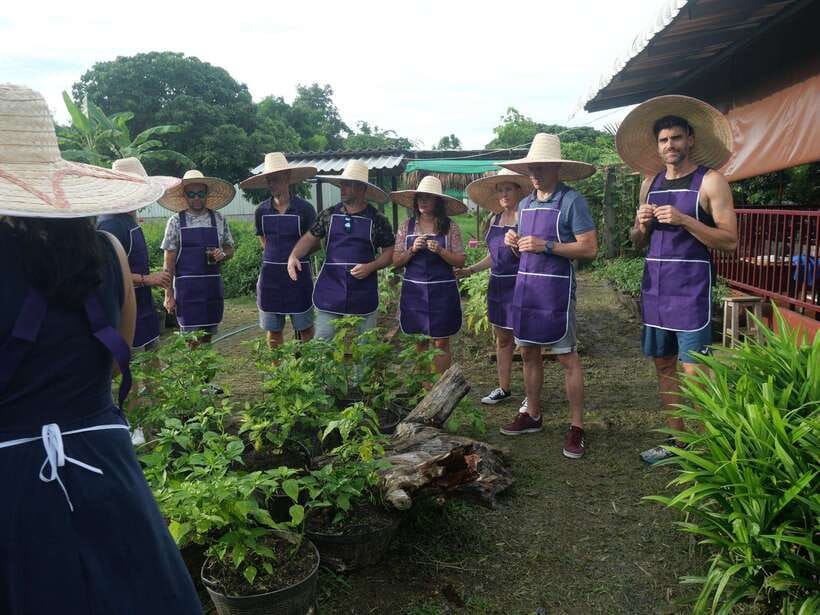
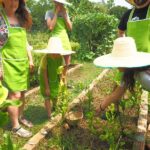
After the market, you’ll get a guided tour depending on the option you selected. Expect a walk through the organic farm (if you chose the outside-city option) or through the city garden/yard setup if you chose one of the closer locations.
What makes this portion valuable: it’s not a long slideshow. It ties into what you’ll taste and cook. You’ll even sample herbs from their own garden, so your senses link directly to the recipes.
This is also where you start learning Thai ingredients more like a cook than a tourist. When you know how herbs and aromatics are used, it becomes easier to recreate flavors later—especially sauces, curry pastes, and stir-fry seasonings.
The actual meal: eating Thai style right where you cooked
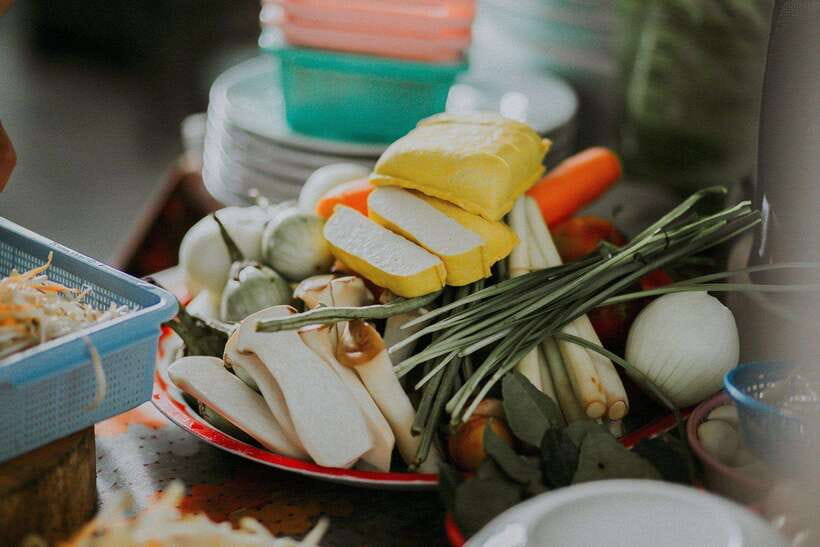
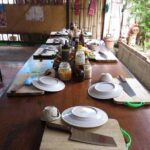
Then comes the best part: you eat what you cooked in a traditional Thai style setting in the organic kitchen garden.
This matters more than it sounds. Many cooking classes end with a snack somewhere else. Here, the meal happens in the same environment that influenced your ingredients and herbs. It makes the food feel complete, like the class has one continuous storyline from market to garden to plate.
Also, because you cook multiple dishes, you’ll leave with a satisfying variety of flavors. If you pick spice carefully, everything stays enjoyable from the first bite to the last.
Instructors and group vibe: small group attention without feeling formal
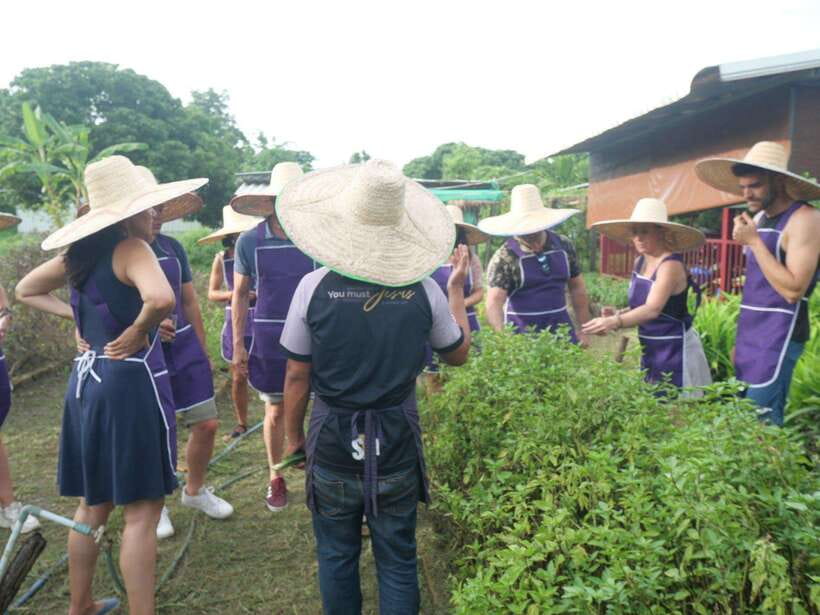
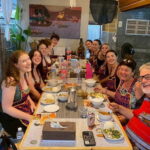
The vibe tends to be friendly and relaxed, with instructors who explain steps in English and help you correct mistakes while you’re cooking.
Some sessions are led by instructors like Wave, Toy, and Ania/Anya, and the recurring theme is that the teaching style is interactive and warm. I like that because it turns cooking into a skill you understand, not a performance you try to imitate perfectly.
The group being limited to 10 also helps. You get a real chance to ask questions and get feedback while your wok or pot is still in front of you. That’s where learning happens.
What you take home: PDF recipes, photo album, and take-away food
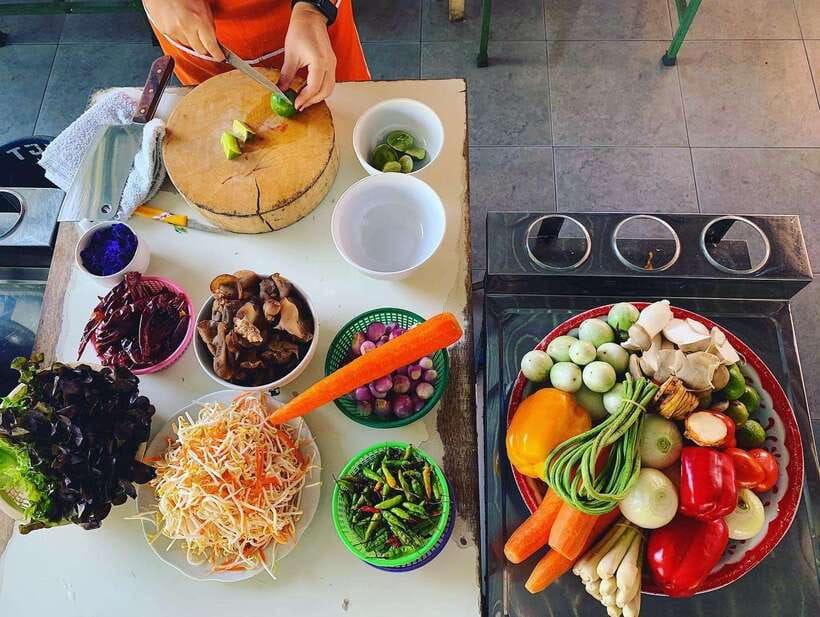
This class is designed for repeat cooking at home. You’ll receive an e-book PDF with all recipes, written as step-by-step instructions. That’s the difference between having a nice memory and actually making Pad Thai, curry, soup, or spring rolls again.
You can also get take-away food of what you cook, which is great if you want dinner covered for later—especially after a busy day in Chiang Mai.
Plus, there’s an online photo album available on the operator’s Facebook page. It’s a small perk, but it helps you remember the dishes and how they looked.
Price and value: is $31 per person worth it?
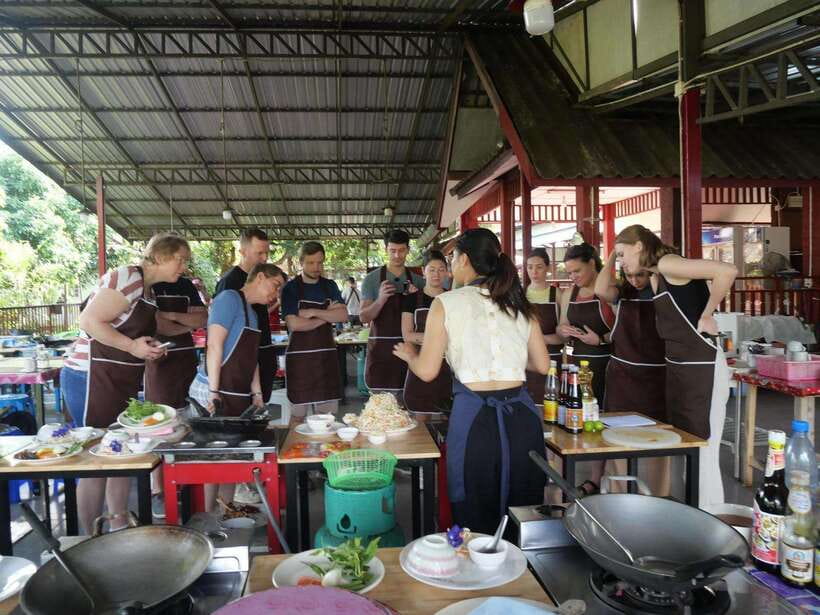
At $31 per person for about 5 hours, the value depends on what you want from your time in Chiang Mai. If you’re looking for a quick taste, there are cheaper options. If you want to learn real technique and leave with recipes you can use again, this is priced like a skill-building experience.
Here’s what you’re getting for the money:
- Market visit for ingredient context
- Guided organic garden/farm tour (your option choice)
- Herbs tasting from their own garden
- All necessary ingredients and an individual cooking station
- English-speaking instructor and small group support
- PDF recipe book and photo album access
Add in the practical convenience of pickup/drop-off within a 3 km radius of Chiang Mai old city (pickup is optional), and it starts to look like a solid deal for a hands-on afternoon.
If you hate paying for “demonstrations” where you do little, this style usually feels worth it because you’re actively cooking multiple categories.
Practical tips before you go
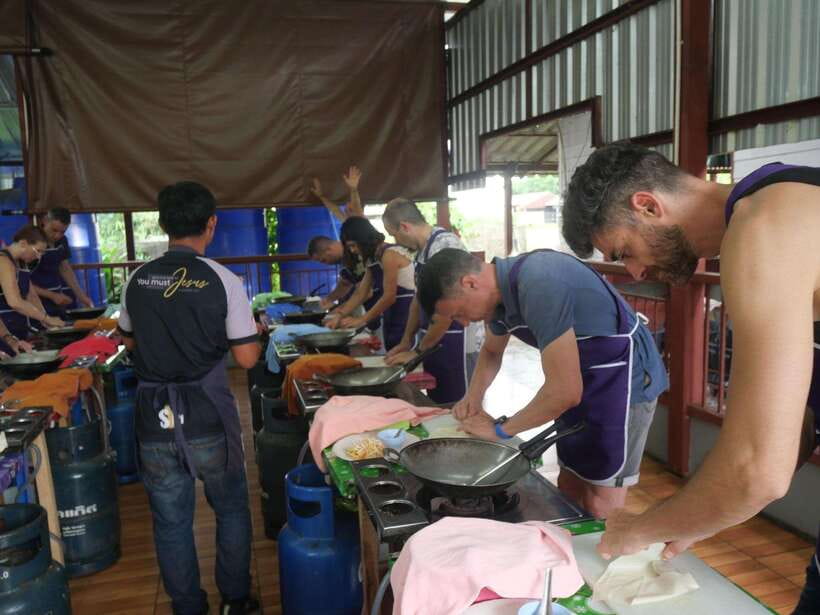
- Come hungry. The class is built around cooking and eating multiple dishes, so expect a full meal experience.
- Choose your spice level early. Decide whether you want mild or spicy so adjustments can happen while cooking.
- Tell the instructor about vegan needs upfront. The menu supports vegan/vegetarian, but it works best when you communicate clearly.
- Wear comfortable shoes. You’ll be moving around a market area and garden/kitchen spaces.
- Bring a reusable container if you want take-away. Take-away is offered, so you might as well make it easy.
Should you book this Chiang Mai cooking class?
Book it if you want a hands-on Thai cooking lesson that ties recipes to real ingredients you meet in the market and in the garden. I’d especially recommend it if you’re the type who likes to cook after a trip and actually use step-by-step instructions at home.
Skip it if you need a super slow, low-activity outing, or if you want a class where you only watch and nibble. This one is built for doing, tasting, and learning by cooking.
If you match your expectations to that active rhythm, it’s a high-value way to spend a half day in Chiang Mai.
FAQ
How long is the Chiang Mai half-day cooking class?
The duration is 5 hours.
What’s included in the class?
It includes a local market visit, a guided tour of the organic farm or garden area (depending on your option), hands-on cooking, tasting herbs, all necessary ingredients, drinking water, and a PDF recipe book. Hotel pickup/drop-off may be available within a 3 km radius of Chiang Mai old city.
Where do I meet if I don’t use hotel pickup?
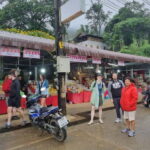
If you don’t have hotel transfer, you should standby at Burger King and arrive about 10 minutes before the activity starts.
How many people are in the group?
The group is limited to 10 participants.
Can I cook vegetarian or vegan dishes?
Yes. All dishes are available as vegetarian or vegan.
Can I control how spicy the food is?
Yes. You can choose to cook dishes that are spicy or mild.
Which cooking categories will I learn?
You learn how to cook 5–6 categories, including curry paste, curry, stir-fried dishes, soup, and spring rolls.
What are the different location options?
You can choose from: a city organic garden option, a city yard garden option, or a farm garden outside the city. Pick the option carefully.
Is English available during the class?
Yes. The instructor is English-speaking.
Is there a cancellation policy?
Free cancellation is available up to 24 hours in advance for a full refund. Reserve now and pay later options are also available.