REVIEW · CHIANG MAI
Chiang Mai: Local Northern Thai Cooking Class at Grandma’s
Book on GetYourGuide →Operated by Grandma's Home Cooking School · Bookable on GetYourGuide
A cooking class that starts with market choices feels different. This one in Chiang Mai Province mixes Lanna Northern Thai flavors with hands-on work like milling flour and grating coconut. You’ll also get a small-group vibe, so it’s not just watching someone else cook.
What I like most is the market-to-stove flow and how you learn why ingredients matter, not just how to follow steps. I also like the focus on traditional techniques: lighting a charcoal grill, using a traditional millstone, and doing the coconut prep the old way.
One thing to consider: some dishes center on chili, so if you’re sensitive, plan to tell the English-speaking instructor you want it mild. The day starts early, too, so set your alarm.
In This Review
- Key things to know before you go
- Chiang Mai hotel pick-up and your day’s “working kitchen” vibe
- Lanna market walk: learning ingredients before you cook them
- Organic farm and chicken coop: get the flavor story with your hands
- Cooking basics you actually practice: charcoal grill, washing veg, and real prep
- Your Northern Thai menu: sausage, chili dips, curry, jackfruit, and dough pyramids
- Northern Thai Sausage
- Nam Prik Ong or Nam Prik Num
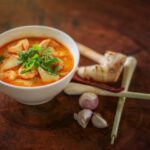
- Northern Pork Belly Curry (Hang Lay Curry)
- Curry Young Jackfruit (Kraeng Khanun-on)
- Stuffed Dough Pyramid (Ka Nhom Tian or Kanomjok)
- Traditional Thai coconut pancakes (with coconut grating and milling)
- Lunch, dessert tasting, and why the recipe book matters
- Price and value: what you get for about $48 over 6 hours
- Who should book this class in Chiang Mai
- Should you book Grandma’s Home Cooking School in Chiang Mai?
- FAQ
- How long is the Chiang Mai Northern Thai cooking class at Grandma’s?
- What dishes will I learn to cook?
- Is round-trip hotel transfer included?
- What time is pick-up?
- Can the class accommodate dietary requirements?
- What should I bring, and what is not allowed?
- Is there a cancellation option for a refund?
Key things to know before you go
- Market first, then cooking: you learn what seasonings actually do before you touch the wok.
- Traditional tools are part of the lesson: millstone flour and a coconut grater are hands-on, not a demo.
- Small-group feel on a big property: plenty of space, but you still stay focused in your own cooking zone.
- Eggs, herbs, and vegetables from an organic farm: you see the ingredients and hear how to use them.
- You cook and then eat what you make: lunch plus dessert tastings keep the day moving.
- English instruction with supportive guidance: the instructors explain clearly and help you stay on track.
Chiang Mai hotel pick-up and your day’s “working kitchen” vibe
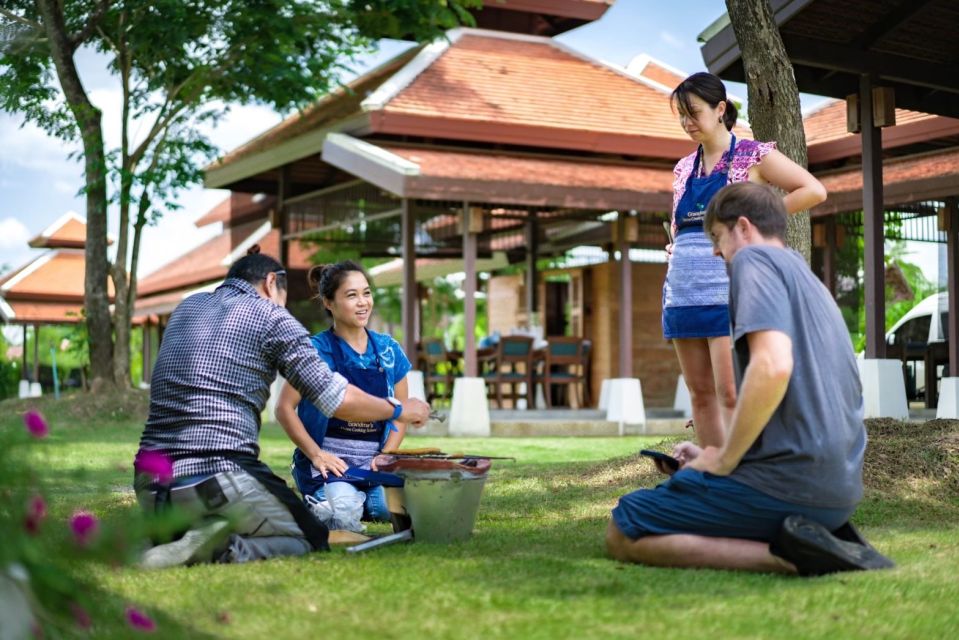
Your morning begins with round-trip transfers from your hotel. Pick-up is around 8:30am to 9:00am, and you’re best off being ready in the lobby at 8:30am so the group doesn’t miss the start.
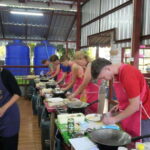
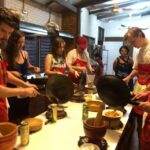
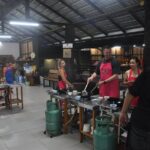
This class feels practical from minute one. You’re not just signing up for a recipe list. You’re going to a real setup where cooking is the whole point: grilling, chopping, washing produce, and learning how tools change results. If you’ve ever watched Thai cooking on YouTube and wondered why everything tastes so layered, this is the kind of class that explains the logic while you’re still holding the ingredients.
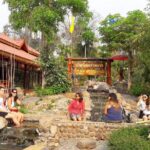
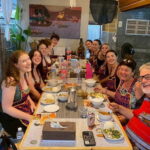
A helpful bonus is the way the grounds are set up. Even with other groups around, it can feel like you have your own zone. In one booking experience, a group of eight felt tucked away despite the space. Another guest noted small numbers, which usually means more attention and fewer long waits.
The facility also gets strong praise for cleanliness, including the toilets. That matters more than people think when you’re spending hours moving around a working kitchen and garden.
You can also read our reviews of more cooking classes in Chiang Mai
Lanna market walk: learning ingredients before you cook them
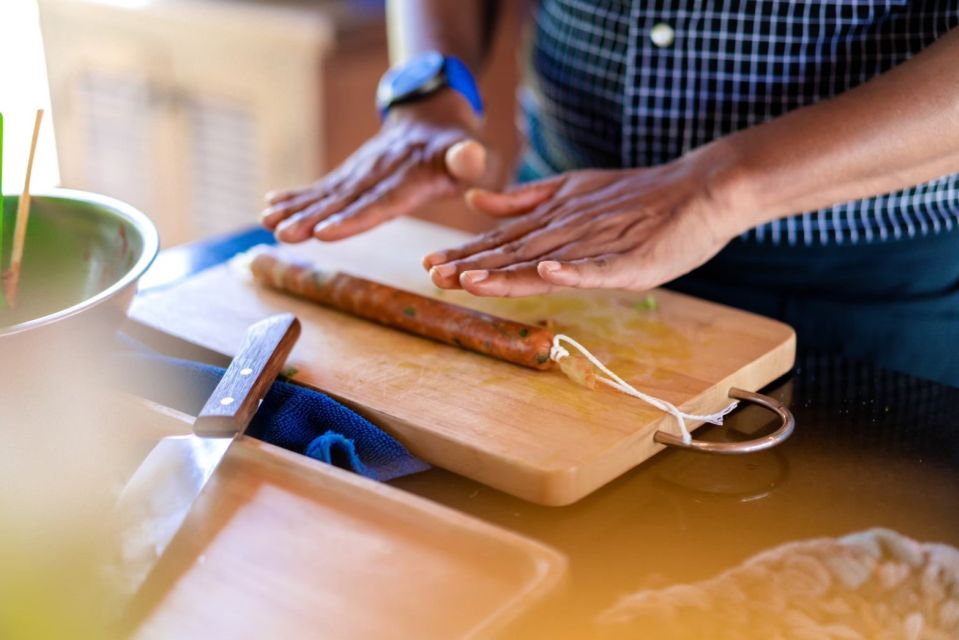
After you’re welcomed with snacks and a refreshing drink, the day turns to the most important lesson: ingredient choices.
The market stop is where the class earns its value. You’ll learn what’s going into Northern Thai cooking—especially the seasonings and the herbs that make the flavor profile distinct. Northern Thai cuisine (often called Lanna) leans into sour, savory, herb-forward balance, plus chili pastes that taste deeper than just heat.
This is also where you get used to how Thai markets think. Instead of asking what dish you’re making first, you start with: what paste? what herb? what chili type? what tomato base? That shifts your cooking mindset.
A key payoff for me as a reader: you’ll be able to recognize ingredients later. Even if you don’t memorize every Thai name, you’ll understand what the market taught you—why some ingredients are meant to be pounded, some are for aroma, and some are for body.
You’ll also see enough variety that you can make sensible substitutions later, whether you’re cooking at home or shopping in Chiang Mai again.
Organic farm and chicken coop: get the flavor story with your hands
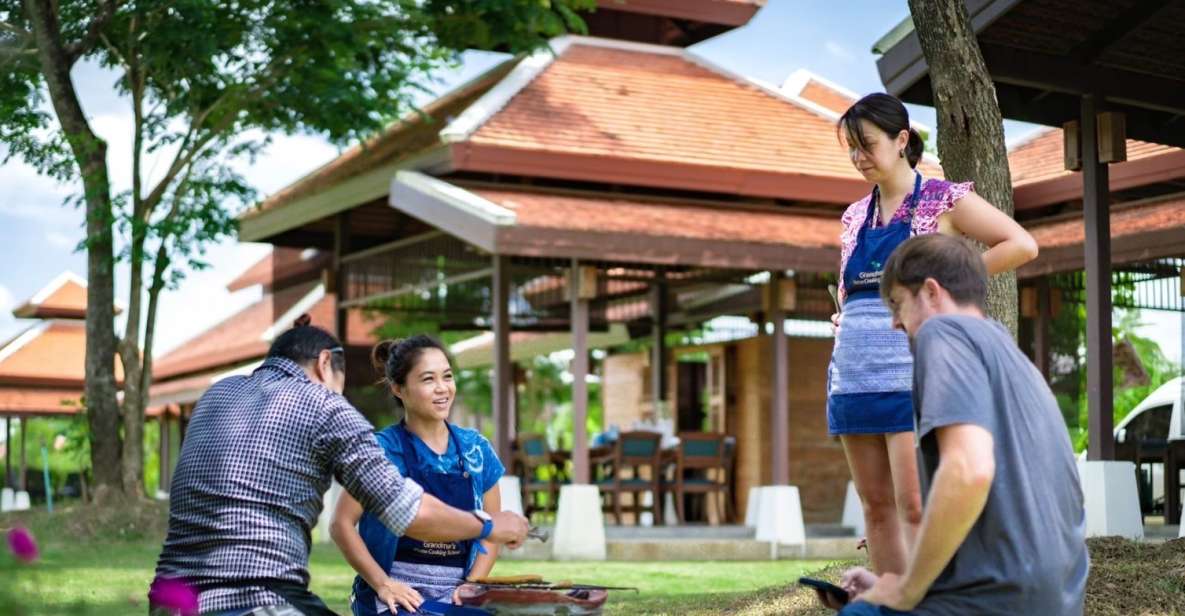
Next comes the farm side of the day. You’ll tour an organic farm where you can learn about Thai herbs and vegetables and pick the produce you’ll use.
This is the part of the class that often makes people smile, because you’re not separating “nature” from “cooking.” You’re learning which greens and herbs behave differently depending on how they’re used—fresh as aroma, chopped into sauces, or blended into pastes.
And yes, you also go to where the eggs come from. The program includes a visit to the chicken coop to collect eggs. It’s a quick step, but it adds context. You’re making dishes that depend on ingredients with real character, not just generic supermarket substitutes.
If you love food but get frustrated by cooking classes that feel staged, this farm stop helps. You’re seeing the ingredients in their growing environment, then you’re turning them into something you can eat within the same morning.
Practical tip: wear comfortable shoes. Between market walking and farm ground, you’ll appreciate having support.
Cooking basics you actually practice: charcoal grill, washing veg, and real prep
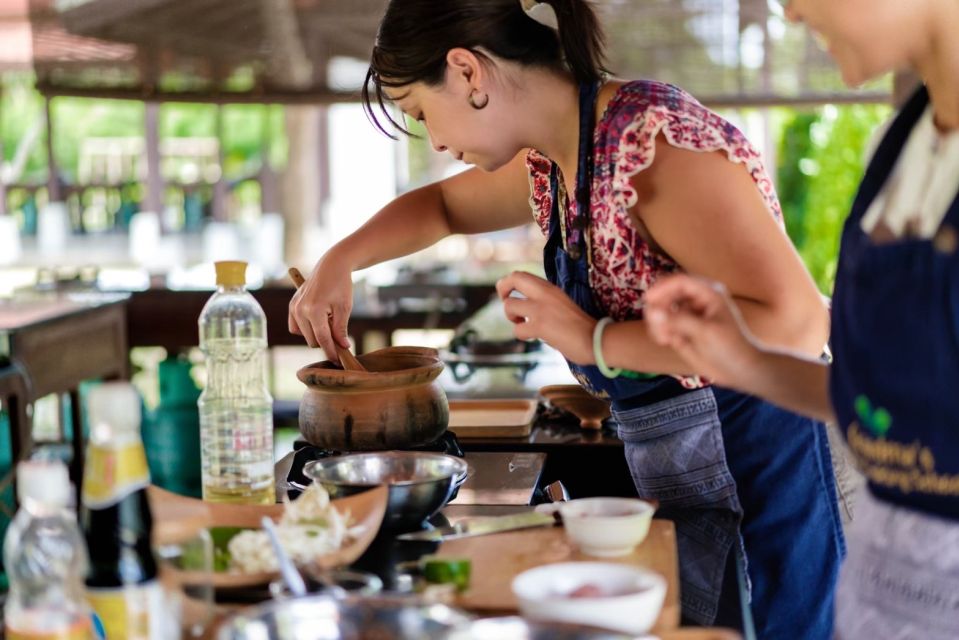
Now you get into the core of what makes this class memorable: you don’t just watch. You practice key techniques that shape flavor.
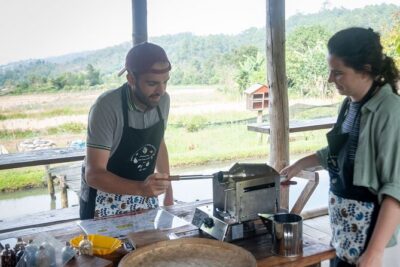
You’ll learn how to light a charcoal grill. That matters because grilled flavor changes more than surface taste—it affects aroma and texture. If you’ve only ever used gas or electric heat, this gives you a new baseline for what “charcoal” really means in Thai cooking.
You’ll also learn how to wash vegetables properly. It sounds basic, but it’s the kind of step that separates sloppy prep from clean, consistent cooking. This also helps if you’re handling herbs with lots of leaves or produce that needs careful rinsing.
Two standout hands-on moments are the ones involving texture and effort:
- Mill flour using a traditional millstone
- Grate coconut meat using a coconut grater
Those tasks can feel slow at first. Then you realize that Thai cooking often depends on physical processing—grinding, grating, pounding—to build the right mouthfeel. Doing it yourself makes the final dish make sense.
One more thing: the class is guided in English. Cooking classes can be awkward if language is a barrier. Here, instructors guide you through the steps while you prepare dishes with other participants.
Group size can be small, and that changes everything. In one experience, a guide humorously kept things moving and made sure people got what they needed. In another, five people got close attention. When the group is small, you don’t feel like a passenger.
Your Northern Thai menu: sausage, chili dips, curry, jackfruit, and dough pyramids
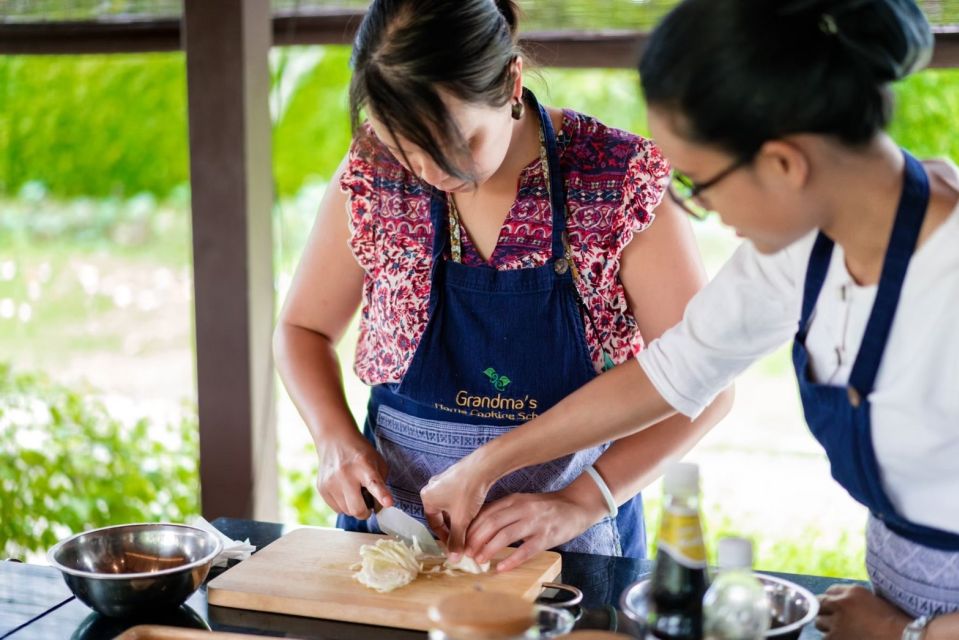
The class teaches you a set of Northern Thai dishes. In the materials, you’ll see the menu framed as five main dishes, with extra practice tied to the traditional pancake.
Here’s what you can expect to cook:
You can also read our reviews of more tours and experiences in Chiang Mai

Northern Thai Sausage
This is often the dish people remember after the class. Northern Thai sausage brings a distinct savory profile and typically pairs with chili and herb elements that show up elsewhere in the menu.
Nam Prik Ong or Nam Prik Num
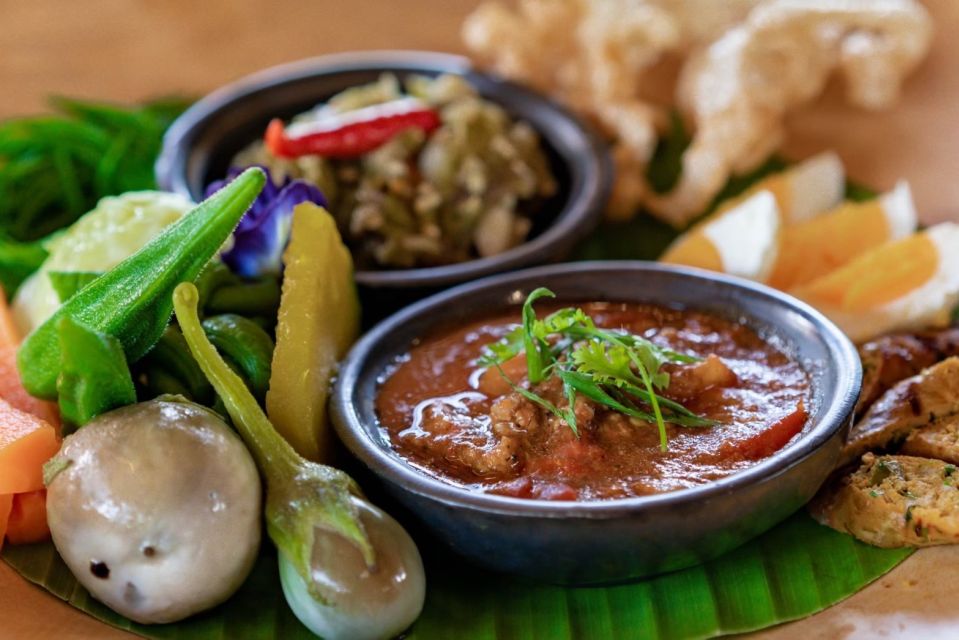
You’ll choose between Nam Prik Ong (Northern Thai pork and tomato, described as spicy) or Nam Prik Num (a Northern green chili dip). Either way, you get training in the idea of chili paste as seasoning, not just heat.
If you want mild cooking, this is the moment to speak up. The whole point is that you’re learning how the class builds flavor, and you can adjust chili intensity with your instructor’s help.
Northern Pork Belly Curry (Hang Lay Curry)
Curry is where the class helps you understand balance. Pork belly also forces attention to texture and simmering style, since the final result depends on fat rendering and sauce thickness.
Curry Young Jackfruit (Kraeng Khanun-on)
Young jackfruit curry is a great lesson in how Thai cooking can use plant ingredients for richness. Jackfruit has a distinct bite, and learning how it works in curry helps you stop thinking of “meat replacement” as bland.
Stuffed Dough Pyramid (Ka Nhom Tian or Kanomjok)
This is the fun, hands-on dish. The dough pyramid format looks like something you’d see at a festival, not inside a cooking class. Here, you get practice shaping and filling, so you don’t just taste the idea—you learn the structure.
Traditional Thai coconut pancakes (with coconut grating and milling)
Even when the menu is described as five main dishes, the learning blocks include coconut prep and pancake making. Since you’ll practice grating coconut and milling flour in the traditional way, you’ll usually understand how those steps lead directly to the pancake texture.
If you like eating with your hands, this is a satisfying finish to the cooking work.
Lunch, dessert tasting, and why the recipe book matters
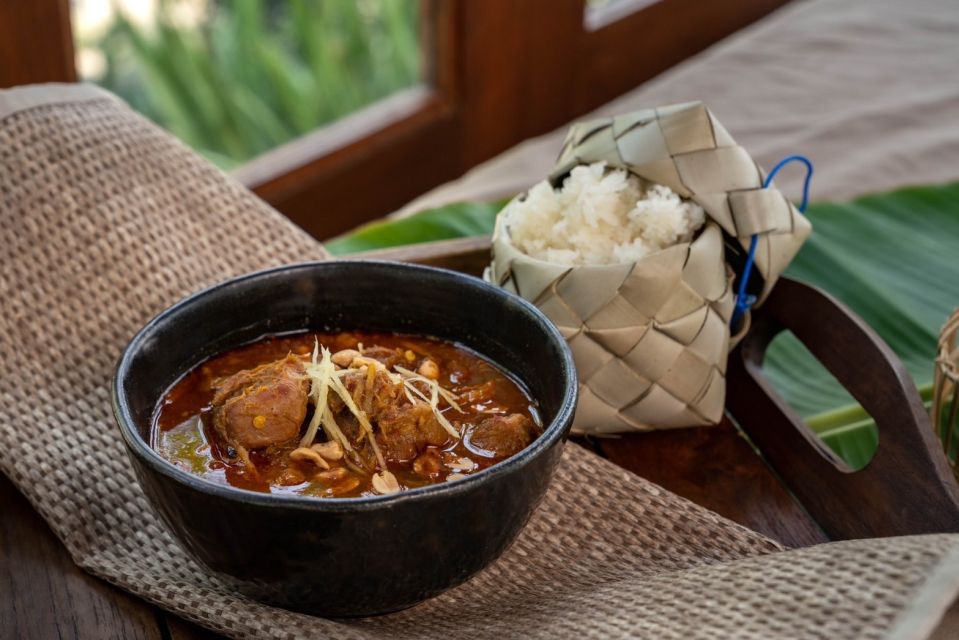
After all that chopping and cooking, you get a proper break: lunch where you taste what you made. This matters for two reasons.
First, you can correct your mental model. If something tastes off, you’ll know why while it’s still fresh in your mind. Second, you can see how the final flavors line up with the ingredient choices you made earlier at the market and farm.
Then comes dessert and refreshments. The class includes a tasting session with traditional Thai desserts. That’s not just a sweet ending. It also gives you a view of how Thai dining flows: savory first, then something softer and lighter to close the day.
You’ll also receive an e-recipe book to download afterward. I like recipe books that let you cook again without guessing. Here, you’ll have a digital summary you can use as practice when you’re back home and want to recreate the dishes at a slower pace.
Another small but meaningful perk: if you have leftovers, you can take them home. One guest specifically praised receiving disposable containers for food they didn’t finish. It’s a nice way to stretch the day’s work.
Price and value: what you get for about $48 over 6 hours
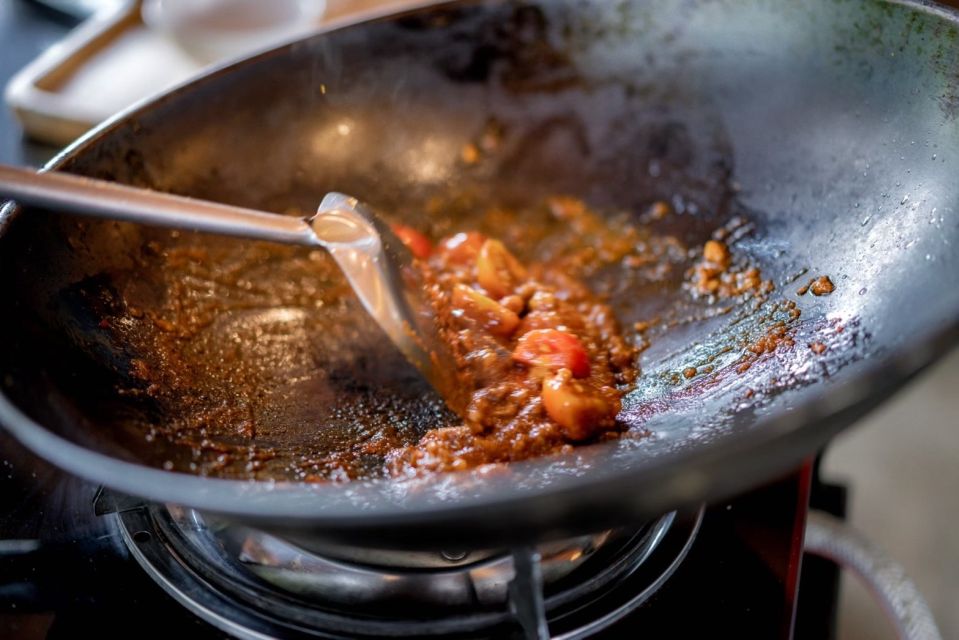
At $48 per person for a 6-hour class, you’re paying for more than cooking instruction. You’re also paying for access: market learning, organic farm time, ingredient selection, and the use of the tools and cooking setup.
What makes the value feel fair is that the class includes:
- hands-on instruction from English-speaking instructors
- round-trip transfers from your hotel
- lunch and dessert/refreshment tastings
- an e-recipe book
- a built-in set of dishes (sausage, chili dip, curry, jackfruit curry, dough pyramid) plus traditional pancake practice
If you’ve done cooking classes that charge a similar rate but feel like you only cook one dish, this is different. The structure teaches multiple dish types: savory pastes, curry sauces, a dough-based snack, and a coconut-based dessert-style pancake. You’ll leave with more than one skill.
Also, small-group attention (often in the five to eight person range, based on firsthand accounts) is part of what you’re paying for. Fewer people usually means less waiting and more guidance.
Who should book this class in Chiang Mai
This is a strong fit if you want your day in Chiang Mai to feel like local food culture, not just a tourist show.
You’ll likely enjoy it if:
- you like hands-on cooking and don’t mind working a bit with your hands
- you want Northern Thai flavor through market and farm context
- you want English instruction that helps you understand steps, not just copy them
- you’re the type who loves learning tools and techniques (charcoal grilling, millstone flour, coconut grating)
It’s also friendly for families in a specific way. The program says visitors aged 0-10 can join as observers, and the activity is wheelchair accessible, so it’s designed to accommodate different needs.
Dietary requirements are handled too. The class states it can accommodate special dietary requirements and is open to all dietary needs. If you’re vegetarian, avoiding pork, or need allergy support, communicate that directly with the operator before the day.
One practical note: it’s best not to bring valuables. Keep it simple and safe while you’re moving around.
Should you book Grandma’s Home Cooking School in Chiang Mai?
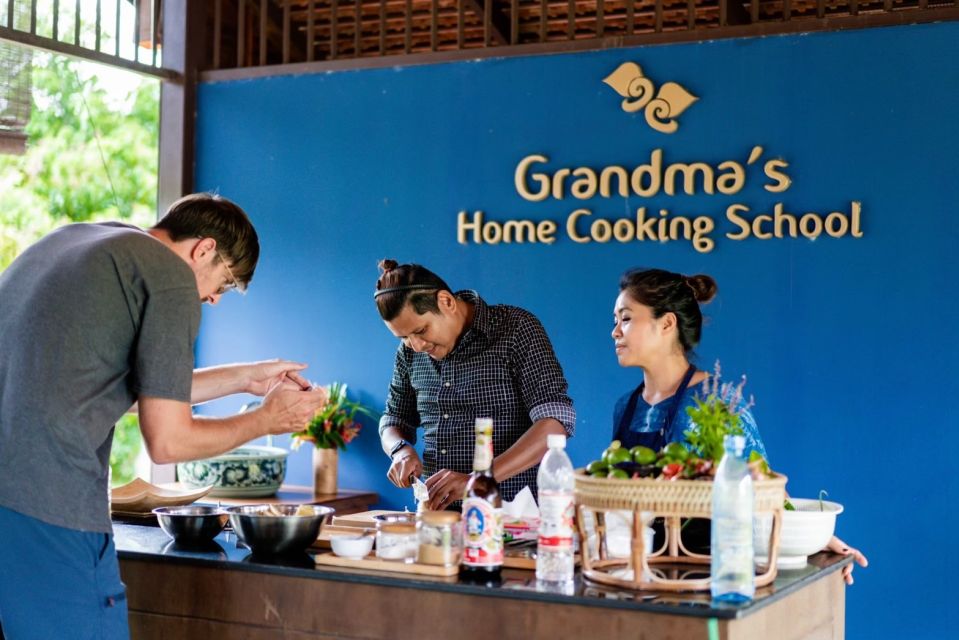
I’d book this if you care about how Northern Thai food gets made, not just what it tastes like. The combination of market learning, organic farm ingredients, and hands-on practice with traditional prep tools gives you a stronger takeaway than a typical cooking class.
Book it sooner if you want a small-group feel and clear English guidance. It’s also a good choice for travelers who like food days packed with real tasks: milling flour, grating coconut, grilling with charcoal, and shaping dough.
If you dislike chili or you’re very sensitive to spicy flavors, plan to tell the instructor early. And if mornings are a struggle, remember pick-up starts around 8:30am.
Overall, for the price and the level of hands-on training, this feels like one of the more practical ways to learn Lanna Northern Thai cooking in Chiang Mai.
FAQ
How long is the Chiang Mai Northern Thai cooking class at Grandma’s?
The class lasts about 6 hours.
What dishes will I learn to cook?
You’ll cook Northern Thai Sausage, Nam Prik Ong or Nam Prik Num, Northern Pork Belly Curry (Hang Lay Curry), Curry Young Jackfruit (Kraeng Khanun-on), and Stuffed Dough Pyramid (Ka Nhom Tian or Kanomjok). The experience also includes making Thai coconut pancakes in a traditional way.
Is round-trip hotel transfer included?
Yes. Round-trip transfers to and from your hotel are included.
What time is pick-up?
Pick-up is around 8:30am to 9:00am. You should be ready at the lobby at 8:30am.
Can the class accommodate dietary requirements?
Yes. The activity is able to accommodate special dietary requirements.
What should I bring, and what is not allowed?
Bring comfortable shoes and sunglasses. Valuables are not allowed.
Is there a cancellation option for a refund?
Yes. You can cancel up to 24 hours in advance for a full refund.