REVIEW · CHIANG MAI
Chiangmai Half Day Visit and Wildlife Experience
Book on Viator →Operated by Smile Elephant Chiang Mai · Bookable on Viator
Elephants, but in a real sanctuary setting. This half-day at Smile Elephant Chiang Mai is built around ethical elephant care, local caretakers, and hands-on learning about rescue and welfare—set in the natural area of Banchang, Chiang Mai.
I like the clear focus on animal well-being, and I like that the experience is run like a community project with traditional elephant caretakers involved. Guides you might meet include BOY, Jack, Adison, and Arison, and people consistently mention friendly, even funny guiding.
One thing to consider: it’s an early start (8:00am) and the activity asks for moderate physical fitness, so it may feel tough if you’re dealing with mobility limits or you hate morning commutes.
In This Review
- Key things to know before you go
- Why Smile Elephant Chiang Mai feels different from the usual elephant stop
- Price and what you actually get for $51.84
- Your 8:00am start: timing, pickup, and pacing for a half-day
- Banchang sanctuary setting: what the cooperative approach changes
- Elephant time: feeding, petting, washing—and no riding focus
- Learning the care side: rescue, food, veterinary attention
- The humane vibe: how “respectful and transparent” tends to feel
- Local food moment: pad thai that ties the day to community
- Who this tour is best for (and who may want to skip)
- Practical comfort tips for your morning
- Should you book this elephant encounter?
- FAQ
- How long is the Chiangmai Half Day Visit and Wildlife Experience?
- What time does the tour start?
- Is pickup available?
- Do I get a mobile ticket?
- How large is the group?
- What physical level is required?
- When will I receive confirmation?
- What is the cancellation policy?
Key things to know before you go
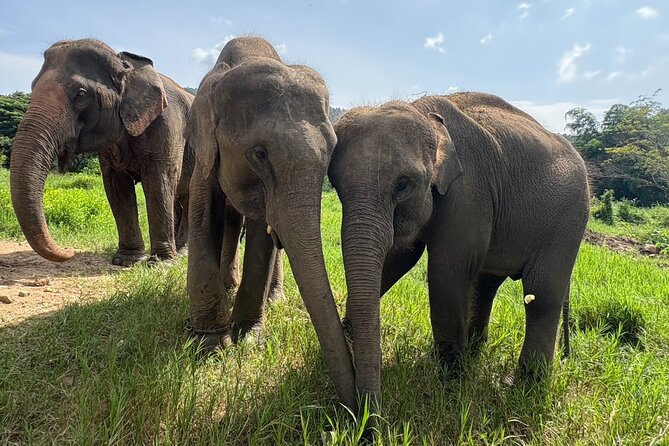
- Ethical, welfare-first setup with a rescue-and-care mission instead of entertainment
- Small group size (max 30) so the day feels calmer and more personal
- Hands-on moments like feeding, petting, and even river washing, reported by visitors
- Learning from local caretakers about food, veterinary care, and daily elephant management
- Community touch at the end, including mention of local pad thai
- Pickup available and a mobile ticket, which makes the morning easier
Why Smile Elephant Chiang Mai feels different from the usual elephant stop

If you’re choosing an elephant encounter in Chiang Mai, your biggest question should be: what happens to the elephants when visitors leave? This program is organized around that answer. Smile Elephant Chiang Mai is described as an ethical and sustainable eco-tourism project, and it’s tied to rescue efforts and ongoing care.
A big part of the appeal is that the program brings together traditional Thai elephant caretakers and local residents. That matters because it shifts the focus from staged performances to real work—rescue, recovery, and daily well-being. You’ll also see the project presented as cooperative-driven eco-tourism, not just a one-off attraction.
What I like about the structure is that it connects your visit to practical outcomes. The experience is set up to support things like food, veterinary care, and sanctuary management—so your time with the elephants isn’t framed as something separate from rescue work.
You can also read our reviews of more tours and experiences in Chiang Mai.



Price and what you actually get for $51.84
At $51.84 per person, you’re paying for a half-day guided visit that includes value beyond a photo. What’s included in your favor is that this is a real sanctuary-style encounter with learning built in, plus pickup and a mobile ticket.
This isn’t a low-cost sightseeing add-on, so I’d judge value by fit. If you care about ethical elephant welfare and want a calm, educational morning, the price starts to make sense. If you only want a quick snapshot and don’t care about care standards, you may find it harder to justify.
Also, the day is capped at 30 travelers, which is a quiet quality-of-experience benefit. Smaller groups usually mean less waiting, less crowding, and more time for interaction and explanations.
Your 8:00am start: timing, pickup, and pacing for a half-day
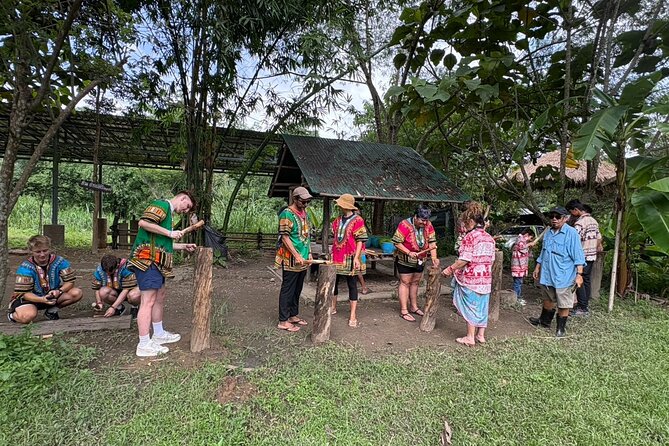
This experience runs about 5 hours 30 minutes and begins at 8:00am. That timing is useful because it gives you a full morning anchor, then leaves the rest of your day open for markets, temples, or a lazy afternoon.
With pickup offered, you avoid the stressful part of early transport planning. In Chiang Mai traffic, that’s not a small deal. You also don’t need to scramble for paper tickets because you’ll use a mobile ticket.
Pacing is another quiet factor. A half-day format works well if you’re splitting your time between city sights and nature. It also helps if you’re traveling with mixed energy levels—this isn’t an all-day trek, but it still has enough time to feel meaningful.
Banchang sanctuary setting: what the cooperative approach changes
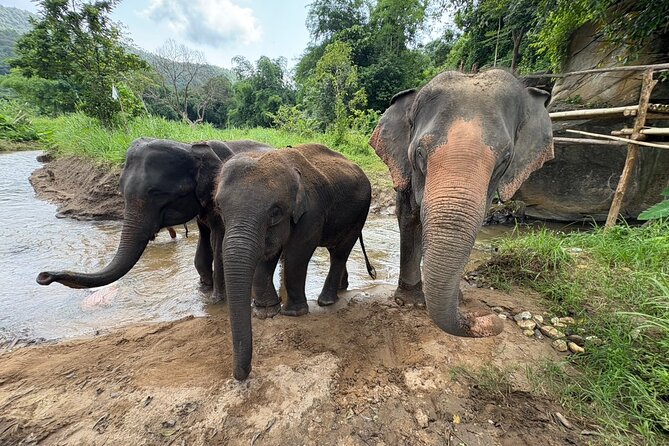
The project is based in Banchang, Chiang Mai, and the sanctuary is positioned as a natural environment rather than a built-up attraction area. When a program is described as eco-tourism and rescue-focused, it usually means the emphasis is on keeping elephants comfortable and managed properly—not maximizing spectacle.
What makes the cooperative model especially interesting is how it links caretakers and local residents. The goal isn’t just to host visitors; it’s to keep a long-term welfare system operating. In a rescue setting, consistency is everything—daily feeding routines, health checks, and a careful routine for elephant behavior.
I also like that the program is presented as supporting elephant rescue and providing a better quality of life. That’s the heart of the pitch, and it’s what you’ll want to look for during the visit: do the interactions feel gentle and respectful, and do you get a sense of how care is handled behind the scenes?
Elephant time: feeding, petting, washing—and no riding focus
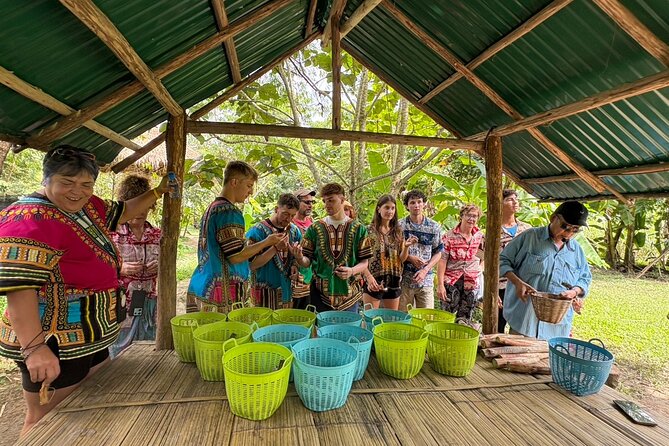
The most memorable part for many people is the actual elephant contact. Visitors describe time that can include feeding, petting, and even washing elephants in the river. Those moments tend to feel special because elephants react in ways that are more natural than a rigid show script.
Just as important, people specifically call out that the experience isn’t about elephant riding or cruelty. That aligns with the ethical framing of the sanctuary. If riding is a deal-breaker for you, this style of encounter is a good sign.
What to keep in mind is that elephant encounters aren’t theme-park experiences. Elephants are animals with their own pace, preferences, and comfort levels. If you’re expecting constant action for photos, you might feel a little impatient. If you want calm interaction and respect, you’ll probably enjoy the slower rhythm.



Learning the care side: rescue, food, veterinary attention
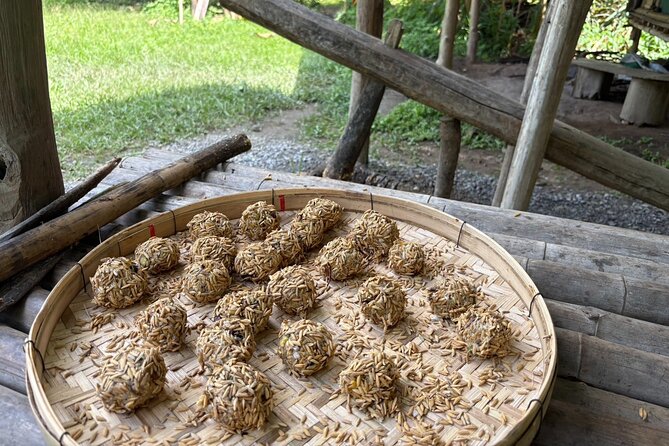
A key part of the value here is that you’re not just watching or touching—you’re learning what care involves. The program is described as teaching visitors about the care and well-being of elephants from local experts.
You’ll hear about the sanctuary mission to rescue elephants and improve their quality of life. The support tied to your visit includes areas like food, veterinary care, and overall sanctuary management. For me, this is where the experience becomes more than a nice morning: it turns into a real understanding of what elephant rescue requires.
The guides also make this practical. People mention guides like BOY and Jack being friendly and funny, and Adison and Arison offering clear teaching. That matters because elephant welfare isn’t intuitive at first. Good explanations help you understand why certain rules exist during the interaction.
If you want to make the most of the educational side, ask simple questions. For example: what does daily feeding look like, what does veterinary care focus on, and what does the sanctuary do to keep elephants calm and healthy?
The humane vibe: how “respectful and transparent” tends to feel
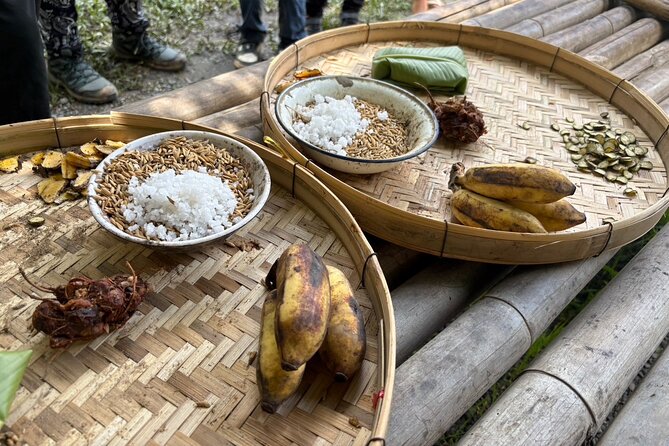
Multiple visitors describe the sanctuary as beautiful, peaceful, and well cared for, with an atmosphere that feels respectful. Some also mention that the visit feels transparent and animal-friendly. Even without getting lost in details, those are useful signals.
A respectful elephant encounter usually means:
- interactions feel gentle and guided
- staff and caretakers control the flow with elephant comfort in mind
- rules are about safety and welfare, not about forcing behavior
This is where the small group cap helps again. With up to 30 travelers, it’s easier to keep everyone moving at a steady pace without crowding the elephants.
Local food moment: pad thai that ties the day to community
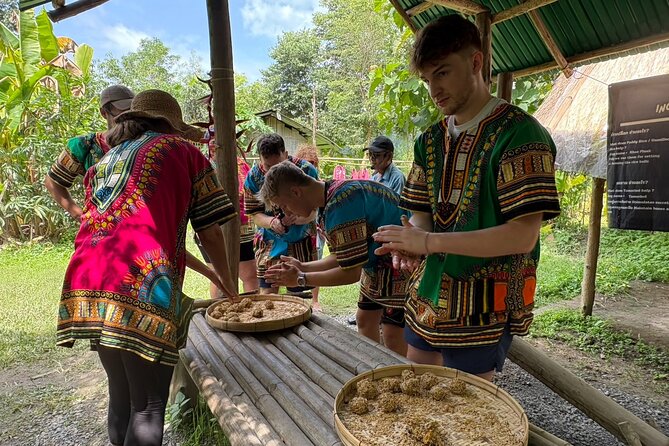
A nice closing touch is food. Visitors mention that the sanctuary provides a local pad thai at the end of the activity, described as made with a lot of love. Food may sound like a small add-on, but it’s often one of the easiest ways to feel the local-community side of a day.
If you’re planning your Chiang Mai schedule, this matters. You may not need to find an immediate lunch afterward, and you’ll be able to keep the rest of your afternoon simple.
Who this tour is best for (and who may want to skip)
This half-day experience fits best if you want a meaningful elephant day that’s about welfare and rescue, not a circus. It also fits travelers who like learning from local experts and want a calm sanctuary setting.
You’ll likely enjoy it if you’re:
- planning a first-time Chiang Mai nature stop
- interested in ethical animal encounters
- okay with a morning start at 8:00am
- comfortable with moderate physical fitness demands
If you’re looking for a pure sightseeing crawl with no educational component, you may feel like this takes more mental attention than you want. If you’re not comfortable with wet river moments or close animal contact, the hands-on elements could feel like too much.
Practical comfort tips for your morning
Even with clear guidance, elephant days can involve changing conditions—time outdoors, sun, and likely damp surfaces if you’re doing river washing.
Here’s how I’d prepare:
- Wear clothes you don’t mind getting dirty or wet
- Bring a small towel or plan for drying after any river time
- Use sunscreen and keep water handy for yourself
- If you’re sensitive to heat, pace yourself and rest when the group pauses
Also, pack for comfort more than fashion. The goal is to be ready for a gentle, natural setting where the elephants lead the timing.
Should you book this elephant encounter?
If your priority is ethical elephant care, local expert guidance, and a calm sanctuary style day, I think this is a strong booking. The price is fair for a half-day experience that includes pickup support, a small-group cap, and a welfare-centered mission you can actually understand during the visit.
I’d hesitate only if you strongly dislike early mornings or you’re not comfortable with moderate physical demands. In that case, a different type of Chiang Mai activity may serve you better.
FAQ
How long is the Chiangmai Half Day Visit and Wildlife Experience?
It runs for approximately 5 hours 30 minutes.
What time does the tour start?
The start time is 8:00am.
Is pickup available?
Yes, pickup is offered.
Do I get a mobile ticket?
Yes, the tour uses a mobile ticket.
How large is the group?
The maximum group size is 30 travelers.
What physical level is required?
The tour asks for travelers with a moderate physical fitness level.
When will I receive confirmation?
Confirmation is received at the time of booking.
What is the cancellation policy?
Free cancellation is available if you cancel up to 24 hours in advance for a full refund.