REVIEW · CHIANG MAI
Half Day Guided Thai Cooking Class in Chiang Mai
Book on Viator →Operated by Baan Thai Cookery School · Bookable on Viator
Thai cooking here is hands-on, not just watching.
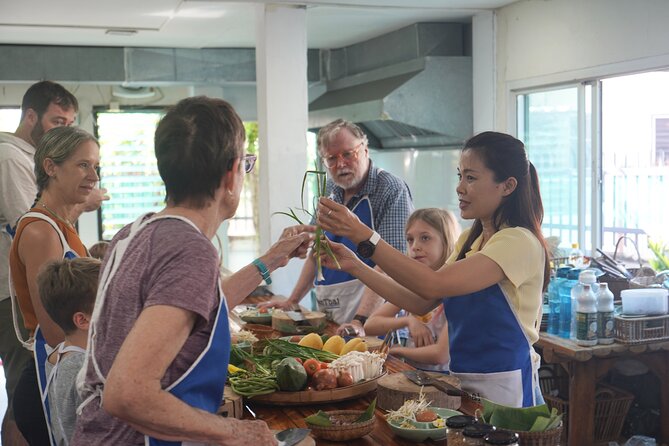
At Baan Thai Cookery School, the small-group setup (1–8 people) keeps the class lively and personal, and you’re actively cooking the whole time. I especially like the combination of English-fluent instructors and custom spice plus vegetarian/allergy-friendly options. The main trade-off is time: at about 4 hours 30 minutes, you’ll master a handful of dishes, not the entire Thai menu.
The feel is also practical. You work in an air-conditioned indoor kitchen and then eat in a comfortable dining room, which matters in Chiang Mai when the weather decides to be moody. With pickup offered and a clear meeting point on Prapokklao Rd., it’s easy to plug into a day of temples and night markets without turning it into a logistics puzzle.
In This Review
- Key highlights to know before you go
- Why this half-day Chiang Mai cooking class is such a good value
- The school setup: air-conditioned comfort and an indoor kitchen you can handle
- How the class stays flexible for spice lovers, vegetarians, and allergy needs
- Your probable menu flow: cooking a small set of dishes well
- What the instructors do for you (beyond explaining recipes)
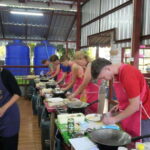
- The hands-on part: why small groups make learning stick
- Comfort and pacing: what 4 hours 30 minutes really means
- Pickup, meeting point, and the simple logistics that keep the class fun
- What you’ll learn you can actually use later
- Who this cooking class suits best
- Should you book Baan Thai Cookery School in Chiang Mai?
- FAQ
- How long is the half-day Thai cooking class?
- Where is the meeting point in Chiang Mai?
- Is pickup available?
- How big are the classes?
- Can the class accommodate vegetarians or food allergies?
- Can you customize the spice level?
- What kind of dishes might you cook?
- Is there free cancellation?
Key highlights to know before you go
- Small groups (1–8 people) means more attention when you’re chopping, stirring, and adjusting seasoning
- English guidance helps you cook confidently, even if you’ve never made Thai food before
- Spice level control lets you dial heat up or down to your comfort
- Vegetarian and allergy options are handled with substitutions and seasoning adjustments
- Organic farm and local ingredients show up in what you cook (and what you eat)
- A menu that includes crowd favorites such as Pad Tahi, Tom Kha Gai, Spring Rolls, and Khao Soi
Why this half-day Chiang Mai cooking class is such a good value
At $29 for roughly 4 hours 30 minutes, this is one of those classes that feels like it’s priced for real travelers, not cooking-food-only tourists. What makes it good value isn’t just the duration. It’s the combination of instruction, hands-on time, and ingredient quality.
Also, small classes change the whole math. In a big group, you spend half your time waiting for the next step. Here, the max group size is 8, so you’re more likely to get help when something doesn’t look right in the pan. That’s the difference between a fun show-and-tell and a class that actually teaches you.
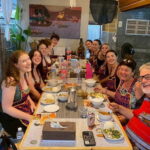
Then there’s the food part. A cooking class is only worth it if you eat what you make. The school gives you a comfortable place to sit down afterward, so the meal isn’t an afterthought. It’s the point.
You can also read our reviews of more guided tours in Chiang Mai


The school setup: air-conditioned comfort and an indoor kitchen you can handle
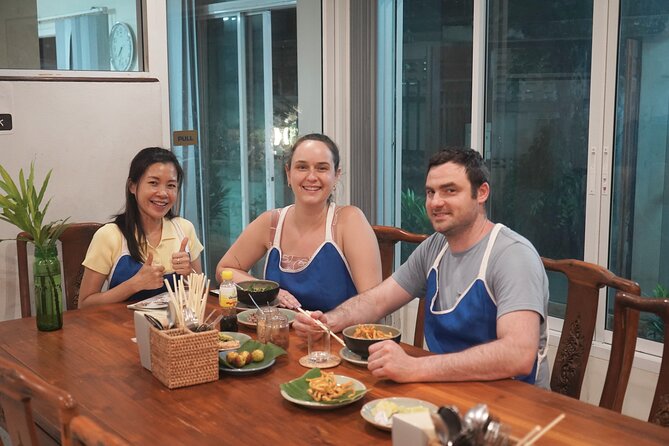
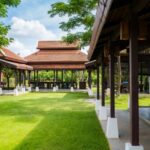
One thing I like about this class is that it doesn’t rely on luck. You cook in an indoor kitchen, and there’s an air-conditioned dining room. Chiang Mai can be hot and sticky, and cooking takes time. Being able to concentrate on flavors, not sweat, makes the class feel less stressful and more enjoyable.
You also get the benefit of structure. Even without a detailed step-by-step timeline listed, the format is built for a guided flow: you’re in the kitchen, you follow your instructor’s cues, and you end up with cooked dishes to eat together at the school.
If you prefer a cooking experience that stays focused and controlled, this style works well. You’re not bouncing around multiple stops. You’re working in one place with a knowledgeable team running the show.
How the class stays flexible for spice lovers, vegetarians, and allergy needs
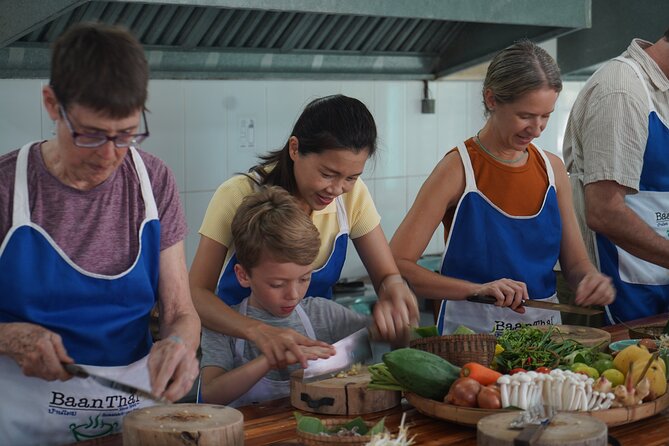
Thai food is famous for spice, but not everyone wants the same level of heat. The class lets you customize your spice level, which is a big deal if you’re traveling with people who like mild food or have a sensitive stomach.
What I find even more useful is that the school explicitly caters to vegetarians and food allergies. They don’t just say yes and hope for the best. The information notes substitutions and seasoning adjustments, which is what you want when dietary needs are involved. If you’re vegetarian, you’ll still get to cook Thai flavors that feel like Thai, not a sad side salad. If you have an allergy, the whole point is to reduce guesswork and keep the dish aligned with what you can safely eat.
Practical advice: when you book, make sure your dietary needs are clearly stated so the instructors can plan substitutions and seasoning changes. A class like this is at its best when you can focus on learning cooking techniques instead of worrying about what might be in your dish.
Your probable menu flow: cooking a small set of dishes well
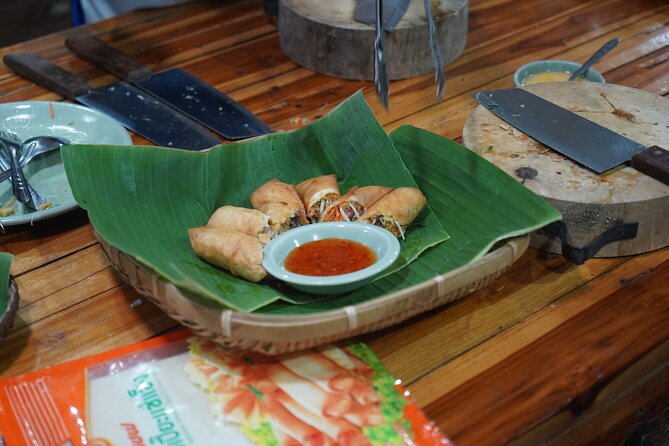
You’re going to cook multiple dishes, but the class is a half-day. That means you’ll likely cover a tight set of recipes that you can actually remember and repeat later.
From the menu options people highlight, the cooking list can include classics like:
- Pad Tahi
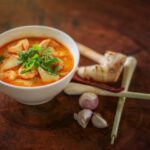
- Tom Kha Gai (and in at least one selection, a Tom Yum Goong-style alternative)
- Spring Rolls
- Khao Soi
What that means for you: you’re not just learning one sauce or one noodle trick. You get variety across Thai cooking styles—soupy and creamy, stir-fried and noodle-based, crispy and handheld, and richly flavored comfort food like Khao Soi. Even if your exact choices differ, that range is a strong way to understand how Thai flavors fit together.
A good class outcome is this: you leave knowing why each dish tastes the way it does, not just that it tastes good. With a hands-on format and English-fluent instruction, that’s the likely outcome.
What the instructors do for you (beyond explaining recipes)
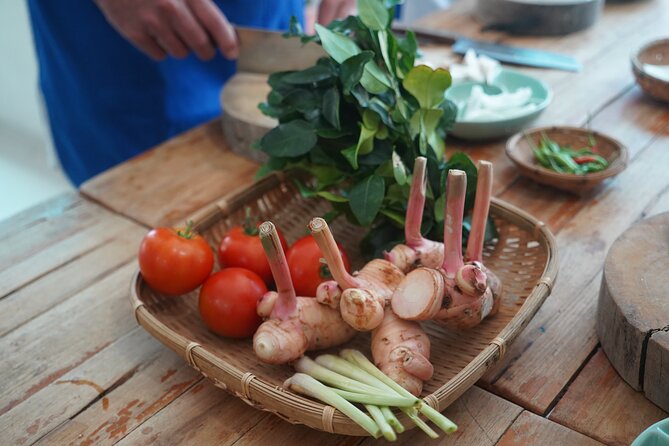
Most cooking classes have someone talking at you. This one is built around guidance from English-fluent instructors, and the emphasis is on clear steps while you cook. That matters more than people think.
When you’re standing at a stove, timing is everything. Noodles can go from perfect to clumped fast. Soups can turn too salty if seasoning isn’t handled carefully. Stir-frying can lose texture if heat control isn’t addressed. With an instructor coaching you, you don’t have to rely on luck.
I also like that the school uses organic ingredients from their farm and local sources. You might not taste “organic” in a scientific way, but better starting ingredients make your seasoning decisions easier. If the base is good, you can focus on the Thai flavor balance instead of trying to fix a dish that started weak.
You can also read our reviews of more cooking classes in Chiang Mai
The hands-on part: why small groups make learning stick
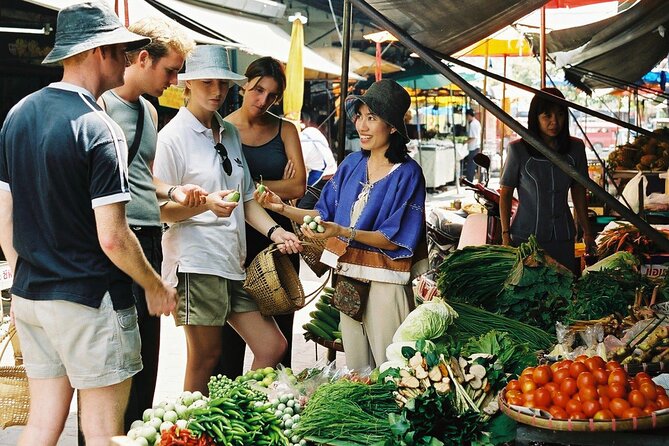
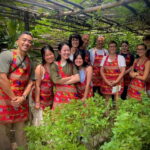
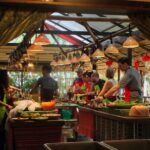
In a class limited to 8 people, you tend to get quicker feedback. That’s the moment learning clicks: you make a choice, the instructor corrects a detail, and suddenly your dish matches what it’s supposed to taste like.
It also keeps the energy up. Cooking is tactile. Stirring, chopping, tasting, adjusting—these are interactive tasks. The best part of classes like this is that there’s no sitting on the sidelines. You leave with food in your belly and technique in your head, which is exactly what you want from a half-day activity.
If you’re traveling with family, friends, or a mixed group (some confident in the kitchen, some not), the format tends to work. The class is small enough that the instructor can adjust guidance to different skill levels.
Comfort and pacing: what 4 hours 30 minutes really means
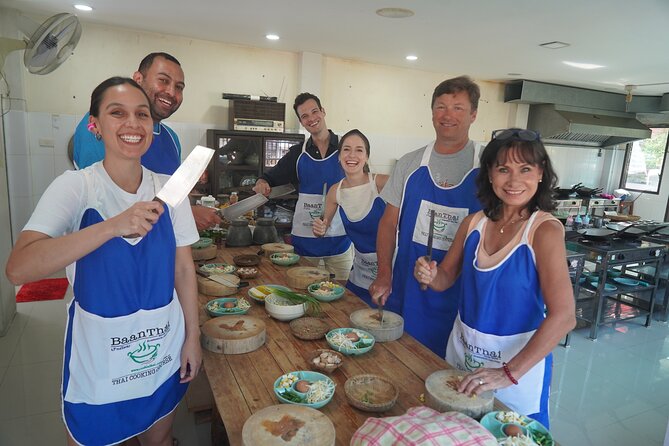
A half-day cooking class sounds short because it is. But 4 hours 30 minutes is enough time to:
- learn how to build Thai flavors step by step
- cook multiple dishes rather than one “demo plate”
- sit down and eat what you made
The catch is also simple: you won’t cook everything. If your goal is to leave with a full library of Thai recipes, you may feel a little limited. The best approach is to pick dishes you actually want to eat again at home. If you love noodles, choose noodle-heavy items. If you want comfort food, include something like Khao Soi. If you’re a soup person, pick Tom Kha Gai or a similar soup option.
Think of this class as hands-on training. Not a Thai cookbook dumped in your lap.
Pickup, meeting point, and the simple logistics that keep the class fun
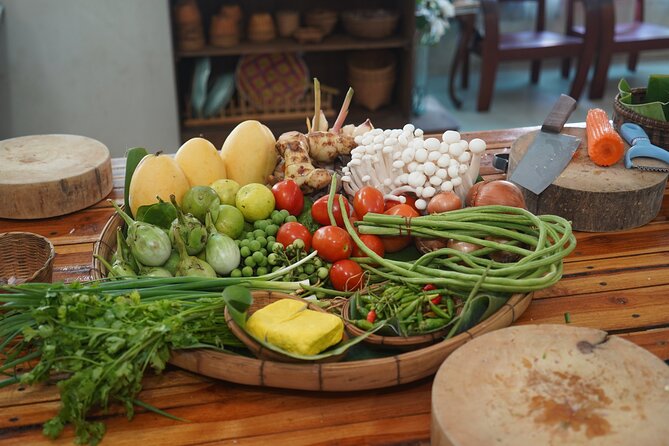
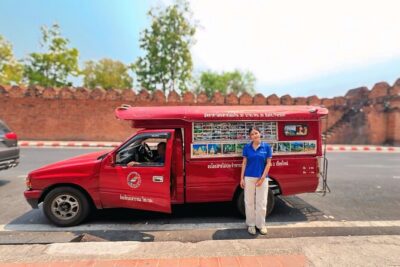
This experience offers pickup, which helps if you’re staying a bit away from the school. The meeting point is clear and specific: Baan Thai Cookery School, 9 Prapokklao Rd. Lane 9, ตำบล พระสิงห์ Mueng, Mueng, Chiang Mai 50200.
It ends back at the meeting point, so you’re not stranded on the other side of town after dinner. The class is also near public transportation, which is a nice backup plan if you’re not using pickup.
You also get a mobile ticket, which keeps you from chasing paper confirmations.
One more practical note: because it’s capped at 8 travelers, booking early helps you secure the spot you want—especially if you’re going during peak season.
What you’ll learn you can actually use later
The best Thai cooking classes help you understand flavor logic. This one has a few built-in advantages for that:
1) Spice customization
You get to adjust heat, which trains you to think about chili strength instead of copying someone else’s exact level.
2) Seasoning adjustments for diets
Vegetarian and allergy options teach you that Thai flavors can shift while staying Thai. It’s not just substitution for substitution’s sake.
3) Multiple dish types
With options like stir-fried noodles, creamy soups, crispy spring rolls, and Khao Soi, you learn Thai cooking across different textures and cooking methods. That variety helps you remember.
4) Taste during cooking
Even without a specific tasting schedule listed, the hands-on format implies frequent check-ins. That’s where you start understanding what “right” looks and tastes like.
If your goal is to cook Thai food at home without panic, this style fits that goal. You’re not just collecting recipes. You’re collecting cues.
Who this cooking class suits best
This is a strong pick if:
- you want a small-group experience instead of a crowd
- you’d like English instruction and clear guidance while you cook
- you need vegetarian or allergy-friendly adjustments
- you care about spice level control
- you want a half-day activity that ends with a real meal
It’s also a good option for families because the class is described as fun and engaging, with people leaving full. If your group includes different cooking levels, the instructor-led format and small size usually keep everyone involved.
Should you book Baan Thai Cookery School in Chiang Mai?
Yes, if you want a guided, hands-on Thai cooking class that prioritizes comfort, dietary flexibility, and real instruction for about half a day. For $29, the small group size and ability to customize spice and accommodate vegetarian or allergy needs make it an easy yes for many travelers.
Skip it if your goal is a long, multi-stop food tour packed with market wandering and endless dishes. This class is focused: one school, one kitchen, and a set of recipes you learn in depth during a short window.
If you’re choosing this class to learn Thai cooking you can repeat later, you’re on the right track.
FAQ
How long is the half-day Thai cooking class?
The duration is about 4 hours 30 minutes.
Where is the meeting point in Chiang Mai?
You meet at Baan Thai Cookery School, 9 Prapokklao Rd. Lane 9, ตำบล พระสิงห์ Mueng, Mueng, Chiang Mai 50200, Thailand.
Is pickup available?
Yes, pickup is offered.
How big are the classes?
The experience is limited to a maximum of 8 travelers.
Can the class accommodate vegetarians or food allergies?
Yes. The school caters to vegetarians and food allergies with substitutions and seasoning adjustments.
Can you customize the spice level?
Yes. You can customize the spice level according to your preferences.
What kind of dishes might you cook?
Menu options can include Pad Tahi, Tom Kha Gai (Tom Yum Goong can be an option), Spring Rolls, and Khao Soi. Other options may be available too.
Is there free cancellation?
Yes. You can cancel for a full refund up to 24 hours before the experience’s start time.