REVIEW · CHIANG MAI
Cooking class in organic garden and local market tour ThaiCottage
Book on Viator →Operated by Thai Cottage Home Cookery School · Bookable on Viator
A market first, then a garden kitchen. ThaiCottage turns Thai cooking into something you can repeat at home, not just taste once. I love the chance to start with real ingredients at the market and I love making curry paste from scratch with a family-style setup. One thing to consider: depending on the day, parts of the shopping visit or prep may feel a bit less hands-on than you’d expect, so go in ready to learn while still enjoying the experience.
The class runs about four hours with hotel round-trip transfers for locations within 3 km of the city area, and the group size caps at 8 travelers. The small headcount matters: you’re cooking at your own station, not watching from the sidelines. My only caution is weather: the experience requires good conditions, so you may need flexibility if Chiang Mai gives you a surprise shower.
In This Review
- Key highlights you’ll care about
- Where ThaiCottage fits in your Chiang Mai plans
- Pickup and the 3 km transfer limit
- Market time: shopping for flavor, not just looking around
- Organic herb garden: learning ingredients before the stove
- Curry paste from scratch: the technique that changes everything
- Choosing dishes (and why options are a big deal)
- Cooking family-style: your station, your pace, real interaction
- Mango sticky rice: learning the classic sweet the correct way
- The food outcome: what you actually eat at the end
- Take-home recipes: the PDF you’ll use later
- Price and value: does $35.86 feel fair?
- Who this class suits best (and who might want a different option)
- Final call: should you book ThaiCottage?
- FAQ
- FAQ
- How long is the ThaiCottage cooking class?
- Is hotel pickup included?
- What does the class include besides cooking?
- Do I get to make curry paste from scratch?
- What dessert do you learn to make?
- How many dishes will I cook?
- Is instruction available in English?
- What group size should I expect?
- Are alcoholic drinks included?
- What if the weather is bad?
- What is the cancellation window?
Key highlights you’ll care about
- Small group size (max 8): easier pacing and more attention while you cook.
- Market + herb garden combo: see ingredients first, then cook with what you picked or learned.
- Curry paste from scratch: you’re not skipping the hard part.
- Hands-on family-style kitchen: you cook, eat, and get guided step by step.
- Mango sticky rice for everyone: a classic Thai finish with practical technique.
Where ThaiCottage fits in your Chiang Mai plans
If your Chiang Mai trip has food on the calendar (and honestly, it should), this is the kind of cooking class that feels practical. You spend a chunk of your afternoon moving from a local market to an organic herb garden, then into a family-style kitchen where you cook your way through Thai flavors.
The timing is also friendly. At about 4 hours, you can slot it between other sightseeing without feeling like you’ve lost the whole day. And with hotel pickup and drop-off (within 3 km of the city area), you don’t burn energy figuring out transportation.
You can also read our reviews of more shopping tours in Chiang Mai
Pickup and the 3 km transfer limit
ThaiCottage offers round-trip transfers, but only within 3 km from the city area. That’s the main logistics detail you should double-check when booking, especially if you’re staying outside the core tourist zone.
The upside is that the day flows smoothly. You’re not dragging bags to a meeting point, and you can focus on learning ingredients and techniques. If you’re nearby enough, it’s one of those “worth it” inclusions that keeps the class feeling relaxed.
Market time: shopping for flavor, not just looking around
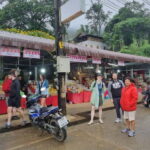
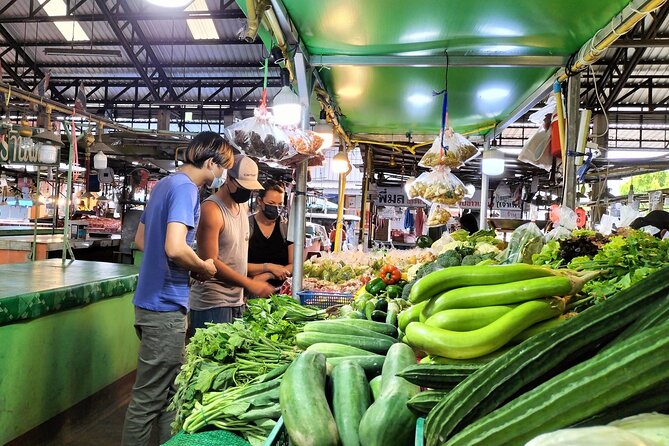
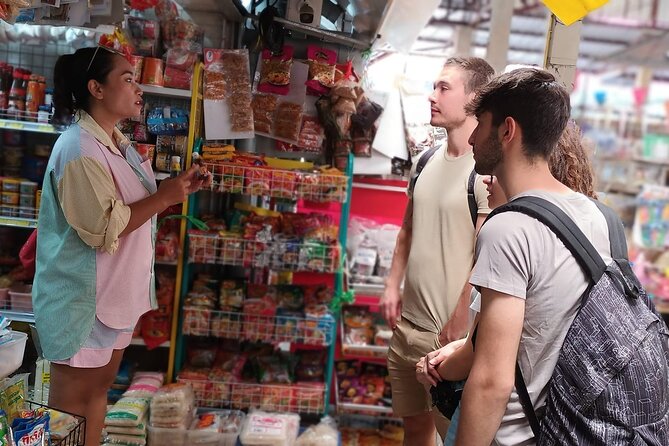
Your day starts at a local market, where you explore the ingredients used in Thai cooking. This matters because Thai food is built on a few key building blocks—herbs, aromatics, chilies, sauces, and spices—and the market walk is where those come to life.
You’ll get time to look around, and many sessions include ingredient explanations so you understand what you’re buying and why it shows up in Thai kitchens. The market stop also sets you up for the cooking portion because you’re not guessing later.
One consideration: some people have mentioned the market part can feel more independent than fully guided, with less detail than you’d want, and that ingredients might not all be purchased on-site. So if you want a very strict, step-by-step shopping lesson, keep that in mind.
Organic herb garden: learning ingredients before the stove
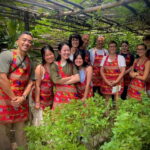
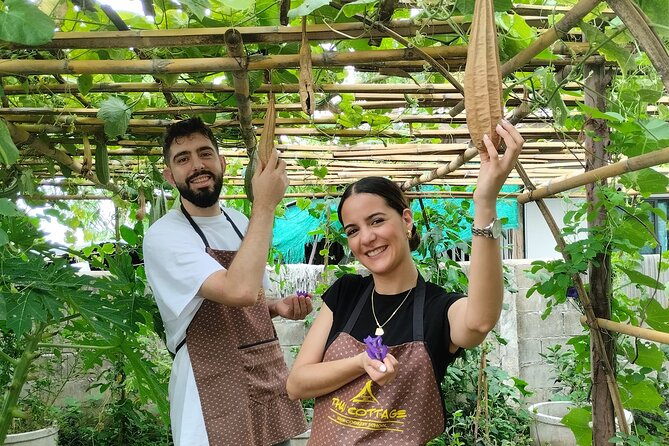
After the market, you head to the organic Thai herb garden. This is where the cooking class stops being just a recipe demo and becomes ingredient awareness.
You’ll discover herbs and vegetables that will show up in the dishes you’ll cook. It’s a simple setup, but it works: you’re learning what the plants are, how they’re used, and how they influence flavor. For many cooks-in-training, that ingredient link is the difference between following directions once and cooking Thai food confidently later.
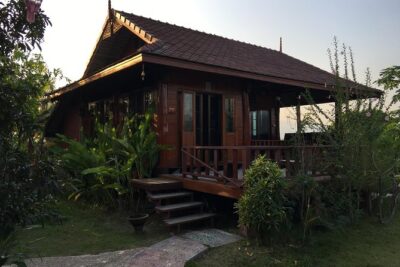
Also, the garden visit sets the tone. The class doesn’t feel like a crowded tourist activity line. It feels like you’re stepping into someone’s kitchen world.
Curry paste from scratch: the technique that changes everything
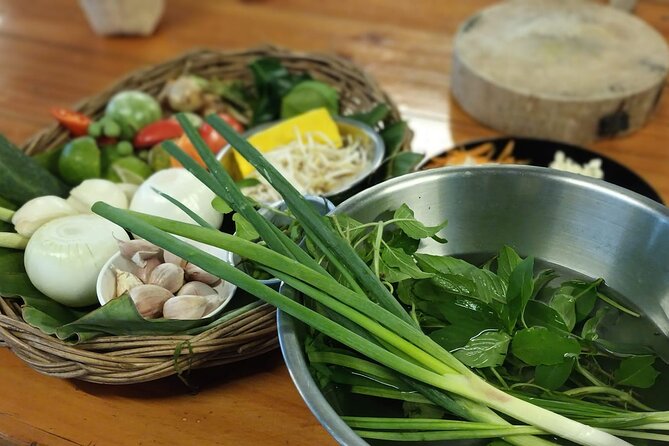
Let’s talk about the headliner: making curry paste from scratch. If you’ve ever made curry from store-bought paste, you already know it can taste fine… but it usually doesn’t taste like the curry you get at a Thai restaurant.
This class targets the core work: you make the paste yourself, learning how to combine ingredients into something fragrant and cohesive. That hands-on step is what makes Thai cooking feel less mysterious. Once you understand the paste base, you’ll have a blueprint for future curries.
And because the instruction is in English, you can actually connect the steps to the flavor results. In different sessions, instructors such as Toey, Kat, Tory, and Mac have led groups, and multiple reviews highlight that they keep everyone on track and patient with different comfort levels.
You can also read our reviews of more tours and experiences in Chiang Mai




Choosing dishes (and why options are a big deal)
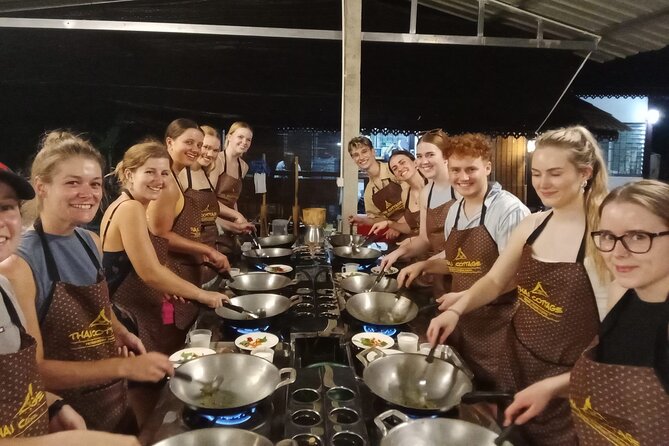
A big reason this class lands well is that you’re not forced into a menu that might not match your tastes. You get choices about what you’ll cook, and the structure includes learning multiple Thai dishes from different categories.
In practice, many groups end up making a full meal worth of dishes—often including items like soup, stir-fry, curry, and a dessert—and everyone also does the required elements: curry paste and sticky rice with mango.
This “menu control” is underrated. When you can choose, you cook with more confidence because you’re invested in what you’re making. It also helps if you’re traveling with someone who likes different flavors.
Cooking family-style: your station, your pace, real interaction
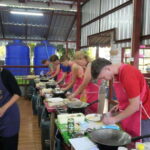
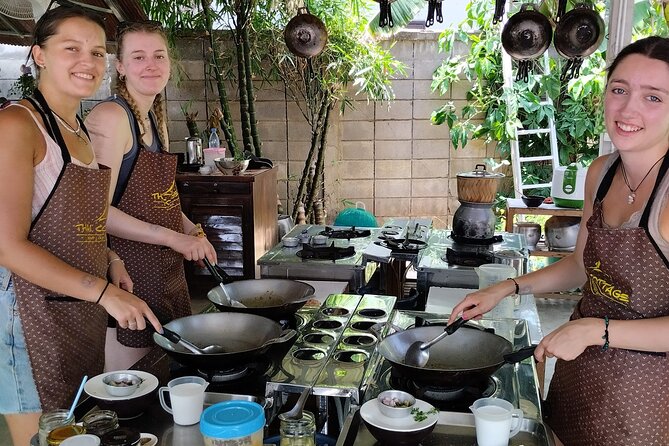
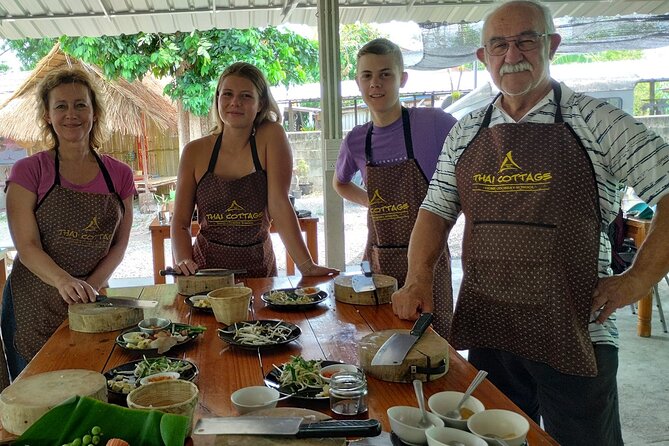
The class is set up for hands-on work in a traditional Thai family style kitchen. The biggest practical win is that each person gets cooking space, and instruction is geared toward getting you moving through the steps.
Multiple reviews mention that people had their own stations and that assistants helped keep things organized between dishes. That matters because Thai cooking is timing-heavy—things like stir-frying and sauce finishing don’t wait for you to catch up.
If you’re a beginner, that’s fine. You’re learning technique in a structured way. If you’ve cooked before, you’ll still appreciate the guidance, especially on flavor balancing and how curry paste connects to the rest of the cooking process.
Mango sticky rice: learning the classic sweet the correct way
Everyone learns how to make sticky rice for sweet mango sticky rice, which is one of the most-loved Thai desserts for good reason. It’s also a great training tool because sticky rice has a texture goal that’s easy to miss if you treat it like plain rice.
By learning it here, you’re practicing a signature Thai side/dessert that you can recreate at home without relying on someone else’s guesswork. And because you’ll taste what you make, you quickly understand what success feels like.
Several reviews emphasize that the dessert part lands well—partly because it’s fun to make, and partly because it turns the meal into a complete Thai experience rather than stopping at savory dishes.
The food outcome: what you actually eat at the end
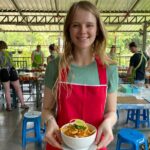
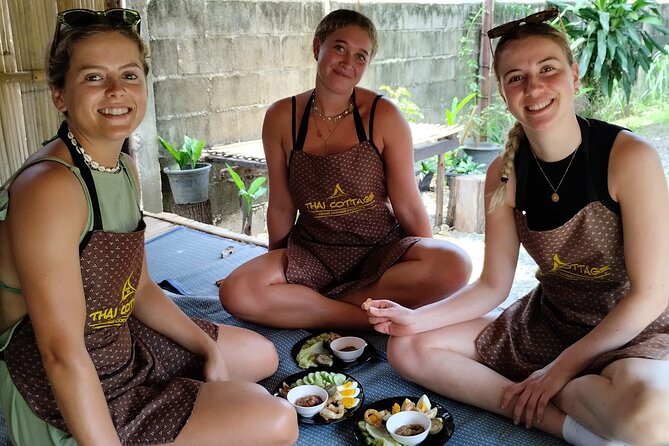
By the time you finish cooking, you eat what you made—so this isn’t just “watch and snack.” You’ll typically end up with multiple dishes plus dessert, and you’ll get a real sense of how Thai meals are built: variety, balance, and layered flavors.
Drinking water is included, and alcoholic drinks are available to purchase if you want them. Keeping alcohol optional also helps the class feel straightforward: you’re there to cook first, not to treat it like a party.
Take-home recipes: the PDF you’ll use later
You receive a PDF version recipe book online. That’s valuable because Thai cooking is easier to repeat when you can look back at the steps and ingredient lists.
It also supports different learning speeds. If you missed a detail while you were chopping or grinding, you can review later and tighten your results. It’s one of those “future-you” inclusions that turns a fun afternoon into an actual skill.
Price and value: does $35.86 feel fair?
At $35.86 per person, this class looks like strong value for what’s included: market visit, organic herb garden stop, ingredients, instruction in English, drinking water, curry paste practice, sticky rice dessert, and a take-home recipe PDF.
The key point is not just the low price—it’s the package. You’re paying for a structured food-learning experience with transportation support (within the 3 km zone), not just a generic cooking demo.
If you’re the type who likes to cook at home, the curry paste and sticky rice techniques alone can justify the cost because they’re the parts most people usually skip.
Who this class suits best (and who might want a different option)
This works best for you if:
- you want hands-on Thai cooking, not a lecture
- you like the idea of combining a market + garden ingredient lesson
- you enjoy meeting people while still having enough attention to cook properly
- you’re short on time and want a focused 4-hour experience
You might want to think twice if:
- you expect the market visit to be a fully guided, highly detailed shopping lesson every minute
- you strongly prefer zero pre-prep at all and want to start absolutely everything from scratch
- your schedule can’t handle weather changes, since the activity requires good weather
Final call: should you book ThaiCottage?
I’d book it if your goal is to leave Chiang Mai with more than photos and spice-level memories. The best reason is the curry paste from scratch piece, plus the fact that you also learn mango sticky rice and cook enough dishes to feel like you completed a real Thai meal.
If you’re staying near the city center so pickup works, and you can be flexible about weather, ThaiCottage is a smart use of money and time. Just go in with the right expectation: you’re learning a process in a real kitchen, not auditioning for a perfectly controlled cooking lab.
FAQ
FAQ
How long is the ThaiCottage cooking class?
It runs for about 4 hours (approx.).
Is hotel pickup included?
Yes. Round-trip transfer is included, but only within 3 km from the city area.
What does the class include besides cooking?
You’ll visit a local market, spend time in an organic Thai herb garden, and cook with ingredients provided as part of the experience.
Do I get to make curry paste from scratch?
Yes. Everyone learns how to make curry paste from scratch.
What dessert do you learn to make?
Everyone learns how to make sweet sticky rice with mango.
How many dishes will I cook?
You choose dishes and will learn preparation of six Thai dishes from different categories, with additional items that everyone learns (curry paste and the sticky rice with mango).
Is instruction available in English?
Yes. Ingredients, recipes, and instructions are provided in English.
What group size should I expect?
The class has a maximum of 8 travelers.
Are alcoholic drinks included?
No. Alcoholic drinks are not included and can be purchased separately.
What if the weather is bad?
The experience requires good weather. If it’s canceled due to poor weather, you’ll be offered a different date or a full refund.
What is the cancellation window?
You can cancel for a full refund up to 24 hours before the experience starts. Cut-off times use the tour’s local time.