REVIEW · CHIANG MAI
Lanna Heritage Walking Tour: A Journey Through History
Book on GetYourGuide →Operated by Chiang Mai Private Guided Tour by Richard · Bookable on GetYourGuide
Chiang Mai’s story starts at an old gate. This Lanna Heritage Walking Tour turns the city into a guided timeline, from the rise of the Lanna Kingdom to how it folded into Siam, plus what happened during WWII and how Chiang Mai feels today with Richard at the lead.
What I love most is the way the temples are explained as part of one connected story, not separate sights. You also get a hands-on feel for daily life at Sompet Local Market, with fruit sampling and local snacks, then a simple café break for Chiang Mai coffee.
One thing to consider: you’re walking for about four hours on uneven temple areas, so comfortable shoes matter, and you’ll need modest dress to enter the sites respectfully.
In This Review
- Key things you’ll notice on this walk
- Start at Tha Pae Gate, then watch the Lanna story take shape
- Wat Chiang Man and the moat walk: history you can point at
- Three Kings Monument, the school site, and the landmarks between temples
- Sompet Local Market: snack your way through daily life
- The women’s prison renovation site: when evidence becomes history
- Wat Phra Singh and Wat Pan Tao: architecture and eras you’ll start spotting
- Wat Chedi Luang finale: the landmark that ties the whole walk together
- What you get for the $45 price tag
- Timing, walking comfort, and temple etiquette
- Who this tour is best for (and who should pick another plan)
- Should you book the Lanna Heritage Walking Tour?
- FAQ
- How long is the Lanna Heritage Walking Tour?
- Where does the tour start?
- Is this tour private?
- What language is the live guide?
- What is included in the price?
- Are meals included?
- What should I bring and wear?
- Is it suitable for children or seniors?
- Do you include travel insurance, and what’s the cancellation policy?
Key things you’ll notice on this walk
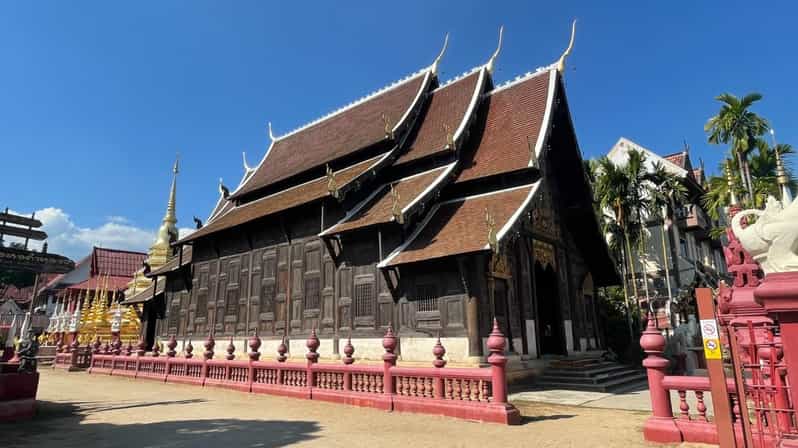
- Tha Pae Gate sets the timeline: Lanna’s founding, Burmese control, a period of abandonment, and the 250-year revival story
- Wat Chiang Man’s carvings explain the early kingdom with guide-led interpretation of stone details
- A real local market stop at Sompet: you sample fresh fruit and snack while learning what you’re seeing
- Rama VI era landmarks: the first government school (1900) and the Three Kings Monument
- A renovation site with big clues: evidence tied to an early Lanna royal palace, emerging from a former women’s prison area
- Wat Chedi Luang closes the loop: historical events and why this landmark still matters in Chiang Mai
Start at Tha Pae Gate, then watch the Lanna story take shape
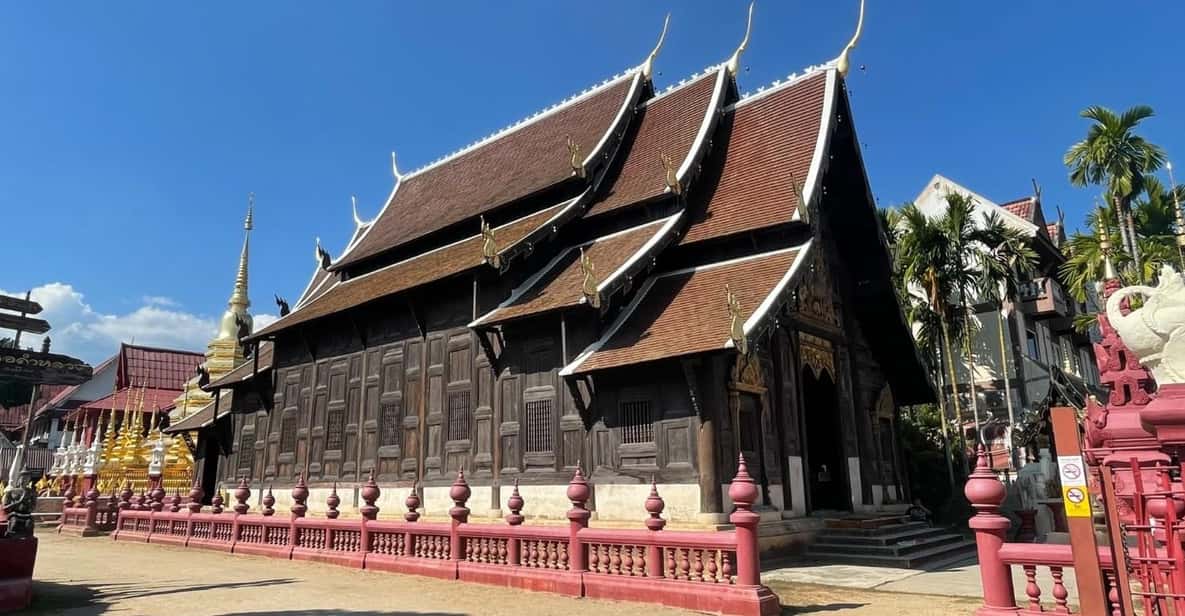
Your morning (or afternoon) route begins around Tha Pae Gate, one of the most recognizable entry points into Chiang Mai. Before you even start climbing temple steps, Richard frames the whole Lanna Kingdom story so the later stops click into place.
You’ll hear how Lanna was established, what the “golden era” period meant, and what happened when Burmese control took hold. The tour also covers the long stretch when the city was abandoned for about 20 years, the struggle for independence, and the revival that came roughly 250 years ago. Then the focus shifts to how Lanna became part of Siam, and why both regions managed to avoid the worst impacts of colonization by major powers.
If you like history that has a physical address, this start is a smart move. Instead of treating temples like “pretty buildings,” you learn what each one represents in a chain of events that shaped the city you’re walking through now.
You can also read our reviews of more walking tours in Chiang Mai

Wat Chiang Man and the moat walk: history you can point at
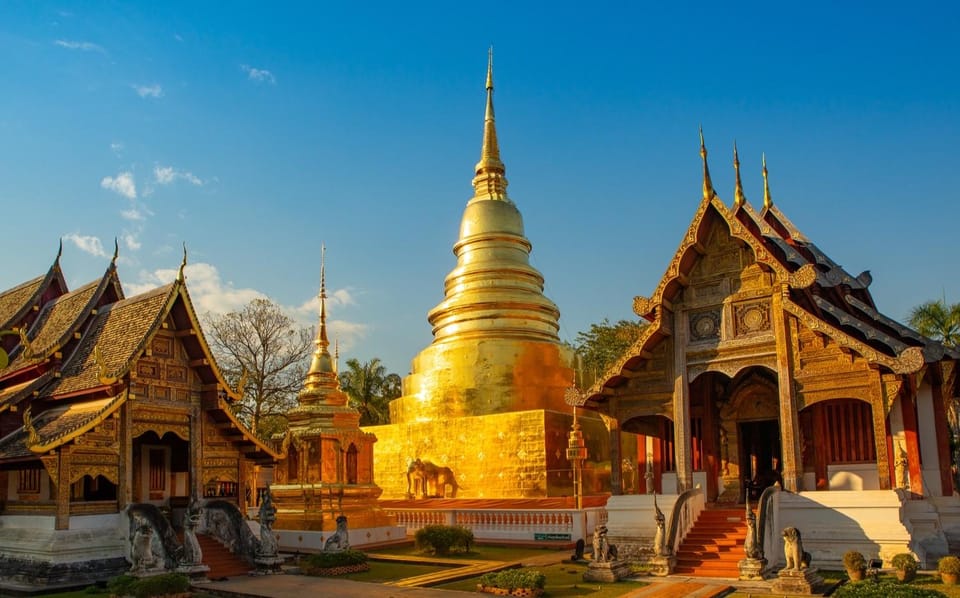
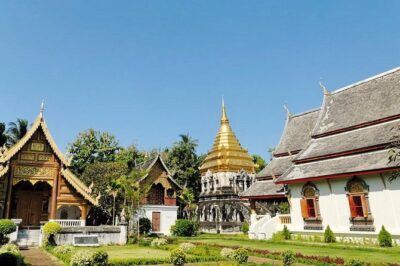
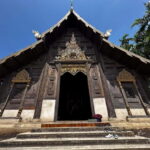
Next comes Wat Chiang Man, often described as Chiang Mai’s oldest temple, and the guide uses that age as a way to teach you how to “read” the details. You’ll spend time here looking at ancient stone carvings that depict early Lanna Kingdom life, with Richard guiding your attention to the parts that tell the story.
After that, you’ll walk along the historic city moat. The guide explains its construction and why it mattered—basically turning a simple water-filled boundary into something you understand as city planning and protection. This is one of those moments where a map doesn’t help much, but having someone explain what you’re passing does.
You also get practical time to snack while you’re moving through this area. The tour includes local snacks, and the temple neighborhood is a natural place to do it because you’re surrounded by normal Chiang Mai life, not just tourist photo stops.
Three Kings Monument, the school site, and the landmarks between temples
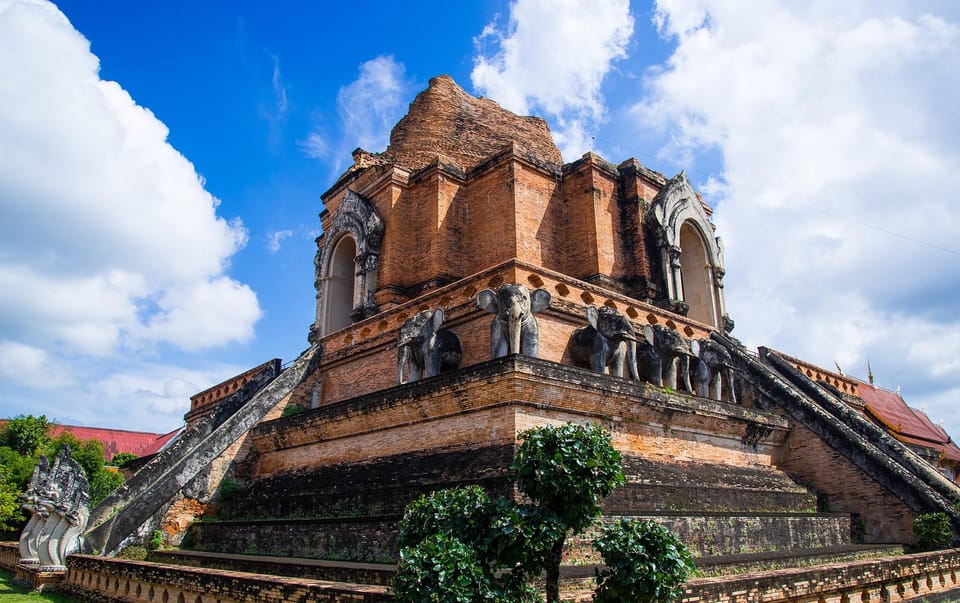
From Wat Chiang Man you head toward the Three Kings Monument, which honors the monarchs revered in Chiang Mai’s story. The stop is short, but it’s useful because it connects the older Lanna narrative to the city’s later identity—who people remember, and why those figures still appear in public spaces.
You’ll also pass by a museum area that used to be a royal palace and then later an administrative center. That matters because it shows how the same physical structures can shift roles as power changes. Instead of treating “palace” and “museum” like different worlds, you see continuity.
One of the more grounded, human touches comes next: Chiang Mai’s first government school, established in 1900 during the reign of King Rama VI. It’s an interesting contrast to the temple stops because it shows modernization and the education side of history, not only the religious side. Even if you’re not a school-history person, it helps you understand how Chiang Mai tried to shape its future as the political landscape changed.
Sompet Local Market: snack your way through daily life
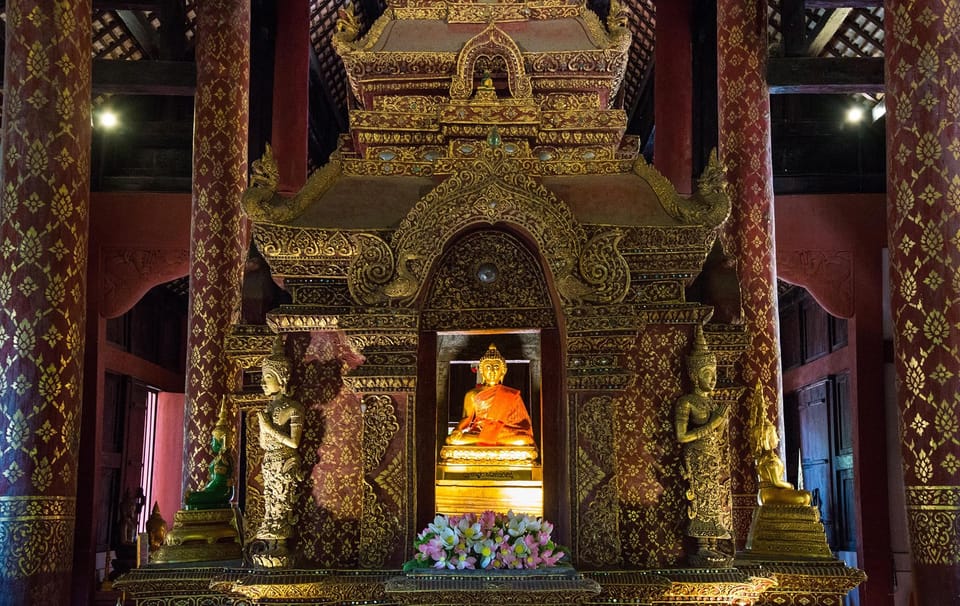
A big reason this tour feels like Chiang Mai instead of a checklist is the market time at Sompet Local Market. Here you’re encouraged to sample fresh fruit and experience the rhythm of a place locals actually use.
This isn’t a “look at produce for five seconds” situation. You’re guided to notice what’s being sold and what people are doing around you, which is especially valuable if you’re traveling solo or you want to understand what’s ordinary here.
If you care about how food culture connects to the city’s identity, this stop is one of the best-value parts. You’ll come away knowing how locals snack and shop, not just what the buildings look like.
The women’s prison renovation site: when evidence becomes history
One stop you should look forward to is the ongoing renovation area tied to a former women’s prison. The tour explains that evidence is turning up related to an early Lanna royal palace, and the plan is to develop it into a historical park.
This is history with momentum. Instead of hearing a finished story, you’re seeing a place where the past is literally being uncovered and reinterpreted. It’s also a reminder that heritage isn’t only about surviving monuments; it’s also about what gets rediscovered under layers of later use.
Practically, this stop also breaks up the pure temple rhythm. You get out of “holy site mode” for a bit, and you get to think about how cities reuse buildings over time.
You can also read our reviews of more historical tours in Chiang Mai


Wat Phra Singh and Wat Pan Tao: architecture and eras you’ll start spotting
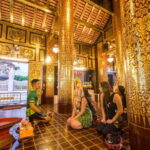
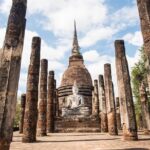
Wat Phra Singh is next, and the guide’s focus here is how the temple’s importance shifts across different historical periods. This is where architecture becomes more than decoration. You learn to connect what you’re seeing to what the site meant when political and religious priorities changed.
You’ll also have a break around this time at a local café. It’s a relaxed pause built into the tour, and you’ll get a cup of Chiang Mai coffee or another drink as part of the experience. Lunch isn’t included, so plan to eat after the tour, but this break keeps the walk comfortable.
Then you go to Wat Pan Tao, a strong example of traditional Lanna architecture. The guide connects it to its origins as part of the old royal palace, which helps you understand why certain design choices feel “royal” even when the site functions differently today. If you’re into architecture, this is a good place to compare what Lanna design feels like versus temple styles you might have seen elsewhere in Thailand.
One of the earlier themes you’ll appreciate here is what people are actually paying attention to. A tour like this doesn’t just point you at the biggest temple names; it teaches you what details matter and why.
Wat Chedi Luang finale: the landmark that ties the whole walk together
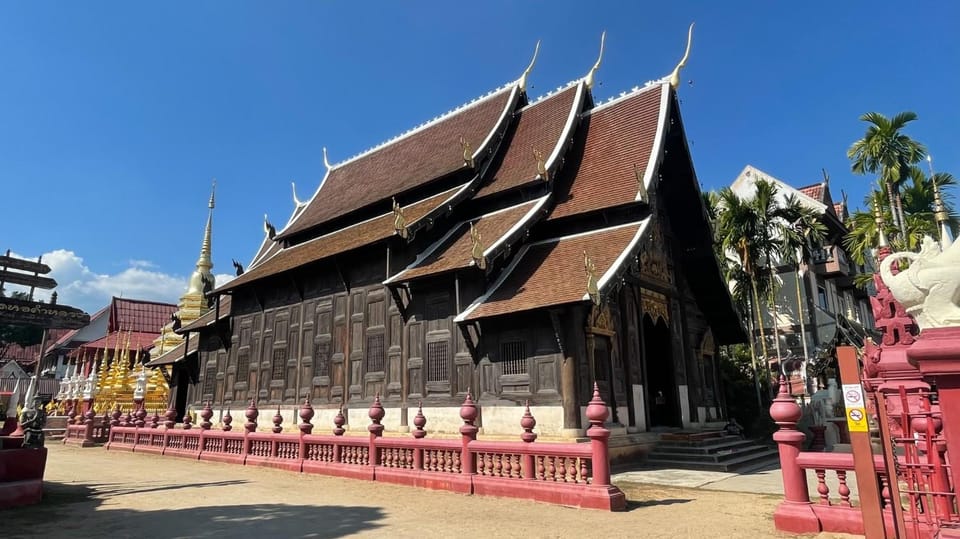
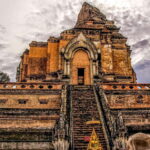
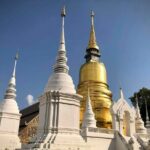
You finish at Wat Chedi Luang, a major symbol of Chiang Mai’s enduring heritage. This is the “wrap-up” stop where the guide brings together the city’s key turning points and shares historical events tied to the temple.
Spending your final time here works for a simple reason: after several stops, you finally have enough context to understand why this place is so important. Without that context, it can feel like another large temple. With it, you see why locals keep returning to the same symbols across generations.
The pacing is designed so you still feel like you’re touring, not hustling. You get meaningful time at each end stop, and you’re not spending your whole day in one area.
What you get for the $45 price tag
At $45 per person for about 4 hours, this tour is priced like a solid value if you want structure and interpretation rather than self-guided temple hopping.
Here’s what’s included that makes the math easier:
- Two-way hotel transfer, so you’re not arranging transport while you’re juggling multiple sites
- Entry fees covered for the historical and cultural stops
- A bottle of drinking water
- A complimentary coffee or other drink at a café
- Local snacks during the walk
Meals are not included, so you’ll still want to budget for lunch or an early dinner depending on your tour time. But compared with what you’d likely spend on rides, admissions, and a guide’s time, the package format makes sense—especially for a private group.
Also, this is where Richard’s style really matters. In past bookings, the guide has been described as open to questions and genuinely friendly, which is exactly what you want when the tour includes multiple eras and names. The kind of history here can get complicated quickly, so being able to ask follow-ups turns the walk from “facts” into understanding.
Timing, walking comfort, and temple etiquette
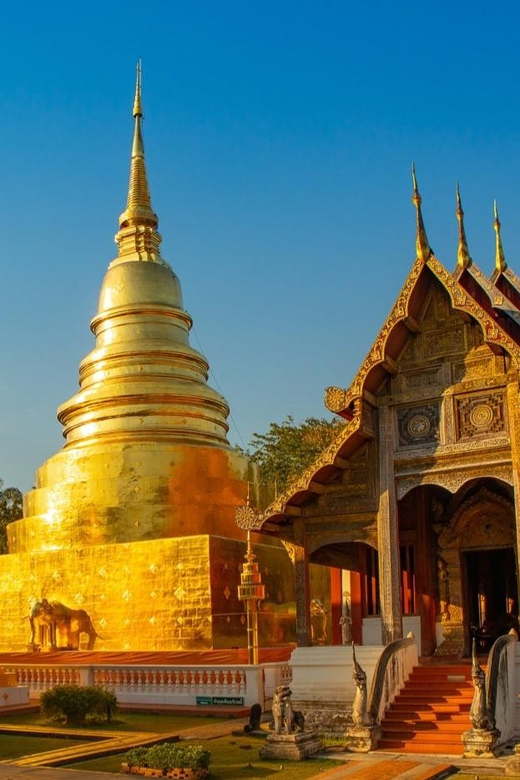
This is a walking tour. Even though the route is well planned, you should assume temple areas can be uneven, and you’ll be moving at a steady pace for the full 4 hours.
Bring sports shoes and dress with respect for Buddhist sites. Short skirts are not allowed, and you’ll want clothing that covers properly so you can move comfortably and enter temple areas without stress.
If you’re older or traveling with mobility challenges, take the “not suitable” age guidance seriously. The tour is not designed for children under 8, and it’s also not suitable for people over 80. If you’re in that range, you’ll likely feel rushed or uncomfortable.
Alcohol and drugs are not allowed either, so keep the day focused and easygoing.
Who this tour is best for (and who should pick another plan)
This tour is a great fit if you:
- Want a guided history route tied to specific places
- Like architecture and want help spotting what’s Lanna-style versus other Thai influences
- Enjoy food-adjacent stops, especially when it’s a real local market and not just a quick photo moment
- Prefer a private group pace where questions don’t feel like an interruption
It may be less ideal if you:
- Want lunch included as part of the price
- Don’t enjoy walking temple-to-temple for several hours
- Need a very flexible schedule with frequent stops for long breaks
If you’re the type of traveler who likes to leave with new context—why a monument exists, what a moat was for, how a former palace site changed over time—this walk will feel worth it.
Should you book the Lanna Heritage Walking Tour?
If your goal is to understand Chiang Mai beyond the postcard photos, I think this is an easy yes. The route blends temples, public monuments, market life, and even an active renovation site, so you don’t just learn dates—you learn how the city thinks about itself.
The value is strongest when you want a guide who can answer questions clearly, and Richard’s reputation for being approachable makes that more likely. Pair that with the included transfers, entry fees, water, and café time, and the $45 price starts to feel like a practical deal.
Skip it only if walking and temple etiquette won’t work for you, or if you want a meal-heavy, all-day plan. Otherwise, this is one of the smarter ways to connect Lanna’s past to the Chiang Mai you see today.
FAQ
How long is the Lanna Heritage Walking Tour?
The tour lasts 4 hours.
Where does the tour start?
You can either be picked up from your hotel or meet at Thapae Gate.
Is this tour private?
Yes, it’s a private group tour.
What language is the live guide?
The tour guide speaks English.
What is included in the price?
Included items are the guided tour with a local expert, entry fees, a bottle of drinking water, a complimentary coffee or other drink at a selected café, local snacks, and two-way hotel transfer.
Are meals included?
Lunch and other meals are not included, so you’ll need to find places to eat on your own.
What should I bring and wear?
Bring sports shoes. Dress appropriately for Buddhist temple visits, and short skirts are not allowed.
Is it suitable for children or seniors?
Children under 8 years old are not suitable, and people over 80 years old are not suitable.
Do you include travel insurance, and what’s the cancellation policy?
Travel insurance is not included. The tour offers free cancellation up to 24 hours in advance for a full refund.