REVIEW · CHIANG MAI
Chiang Mai: Ancient City Tour of Wiang Kum Kam
Book on Viator →Operated by I Asia Thailand · Bookable on Viator
Wiang Kum Kam makes time feel tangible. This short group tour strings together Wiang Kum Kam ruins and the horse-drawn carriage ride so you get history with motion, not a stand-still sightseeing slog. I also like that hotel round-trip transfers are built in, which keeps your morning simple. One watch-out: it’s only about 3.5 hours, and there’s no food or drinks on the schedule, so plan for your own snacks.
If you enjoy organized city history (not just monuments), this works well. You’ll hear clear context about how the area fit into Chiang Mai’s story, including details tied to Wiang Kum Kam’s archaeological past along the Ping River. A possible drawback for some people: the tour runs as a group (up to 15), so you’re sharing pace and photo stops with others.
In This Review
- Key highlights worth caring about
- Wiang Kum Kam’s Ruins: Why This Ancient City Feeling Matters
- The 3.5-Hour Game Plan: Transfers, Pace, and Group Size
- Horse-Drawn Carriage Ride: A Fun Transport That Also Sets the Tone
- Stop 1: Wat Kuu Kham (Wat Chedi Liam) Temple
- Stop 2: Wiang Kum Kam and the Ping River Context
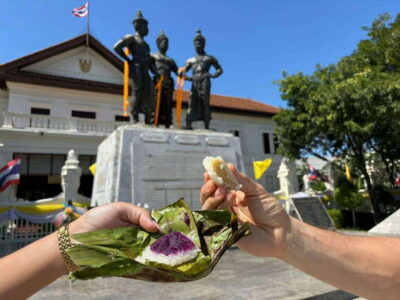
- Stop 3: Chiang Mai City Arts and Cultural Centre + the 3 Kings Monument Area
- The Guide Factor: When Explanations Make Ruins Click
- Price and Value: Why $47-ish Can Make Sense
- What to Bring and How to Time Your Day
- Who This Tour Suits Best (and Who Might Want Something Else)
- Book This or Skip It? My Straight Answer
- FAQ
- How long is the Chiang Mai Ancient City Tour of Wiang Kum Kam?
- What is included in the tour price?
- Is food or drinks included?
- Do I need to buy tickets for the sites?
- Is hotel pickup available?
- What if I’m traveling solo?
- Is there a limit on group size?
- Is the Chiang Mai City Arts and Cultural Centre open every day?
- Can I request a guide in another language?
- What’s the cancellation policy?
Key highlights worth caring about
- Horse-drawn carriage is included, so you skip the pay-on-the-spot hassle
- Hotel pickup and drop-off keep the logistics easy in Chiang Mai
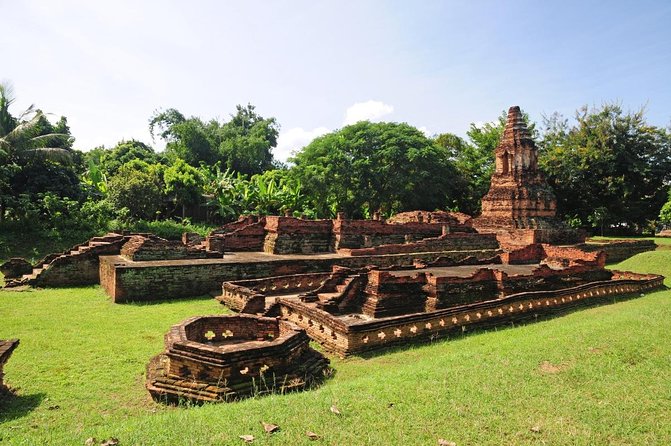
- Wiang Kum Kam is the core, with ruins from a former capital setting
- Chiang Mai City Arts and Cultural Centre adds real context, not just scenery
- Small group size (max 15) helps the tour feel more personal
Wiang Kum Kam’s Ruins: Why This Ancient City Feeling Matters
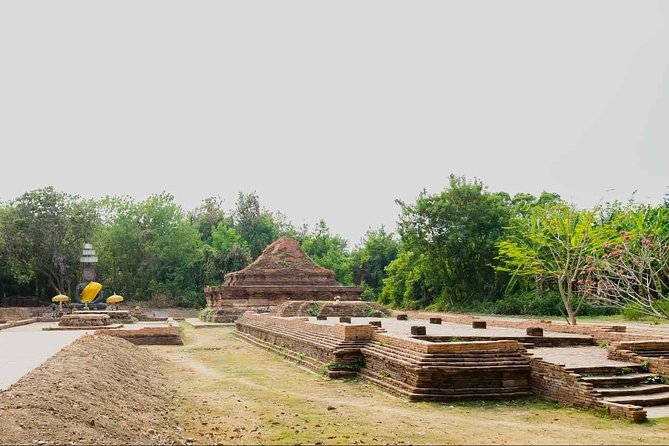
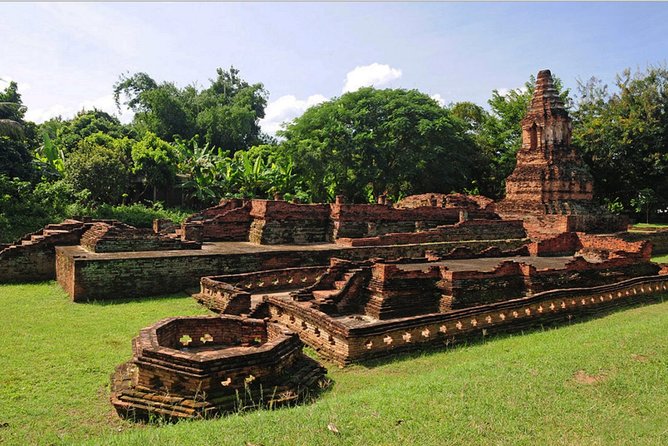
Wiang Kum Kam isn’t just another temple stop. It’s an archaeological site and historic settlement along the Ping River, built by King Mangrai the Great as his capital before he moved it to where Chiang Mai stands today. That “capital that shifted” context is what makes the ruins click. You’re not only looking at old stones; you’re tracing a turning point.
The guide-led format helps you see what you might otherwise miss. On a typical self-guided outing, you can walk from point to point and still leave with vague impressions. Here, the structure nudges you toward understanding the site as a place that lived, ruled, and eventually changed over time.
One extra nuance that comes up on this kind of visit: many of the visible temple ruins were not excavated until the 1980s. That’s a useful reminder that what you see today is the result of decades of research, not just “ancient leftovers.” It makes your photos feel more meaningful, because you’re seeing what’s been brought back into view.
You can also read our reviews of more city tours in Chiang Mai
The 3.5-Hour Game Plan: Transfers, Pace, and Group Size
This tour runs about 3 hours 30 minutes, which is a sweet spot if you want “real sightseeing” without losing your whole day. Round-trip transportation from Chiang Mai hotels is included, so you’re not spending the morning bargaining for a ride or trying to navigate pickup points.
You’ll travel as a small group, capped at 15 people. That matters more than it sounds. In a bigger group, you often get pulled along and miss details. Here, the time allocation per stop (30 minutes, then 1 hour, then 1 hour) suggests you’ll have a chance to look without feeling fully rushed.
There’s also a minimum of two travelers for the activity to run. If you’re traveling solo, you can book, but it’s subject to availability. If you’re the type who hates uncertainty, consider pairing this with another plan or booking with a flexible day.
Horse-Drawn Carriage Ride: A Fun Transport That Also Sets the Tone
The horse-drawn carriage ride is included, and you won’t need to pay anything on the spot just to do it. That’s a small thing, but it removes a common travel annoyance: surprise costs when you’re already paying for the tour.
What I like about a carriage in this setting is the pace. Wiang Kum Kam isn’t meant for sprinting. A slower ride helps you pick up on the feel of the area around the temples, instead of only focusing on the next photo point. It also makes the tour feel more local and old-school, which fits the theme.
If you’re worried about comfort, think of it as part of the experience, not just transit. Go in expecting a gentle rhythm and plan to dress for the morning or late morning conditions.
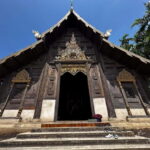
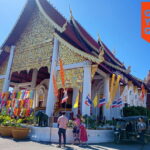
Stop 1: Wat Kuu Kham (Wat Chedi Liam) Temple
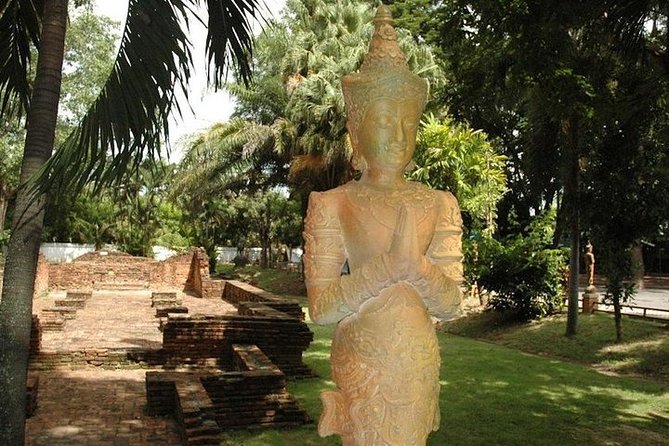
Your first stop is Wat Kuu Kham, also known as Wat Chedi Liam. You’ll spend about 30 minutes here. Admission is free, so you don’t have to think about ticketing once you arrive.
Why start with this temple? It’s a way to “warm up” your eyes for what’s ahead. Even in a short stop, a good guide can point out how older temple sites connect to the broader Wiang Kum Kam story—especially when you’re about to see ruins from a former capital environment.
The main practical consideration: 30 minutes is short. If you love lingering over carvings and stone details, keep your expectations realistic. Use the time to orient yourself—then save your longer attention span for Wiang Kum Kam proper.
Stop 2: Wiang Kum Kam and the Ping River Context
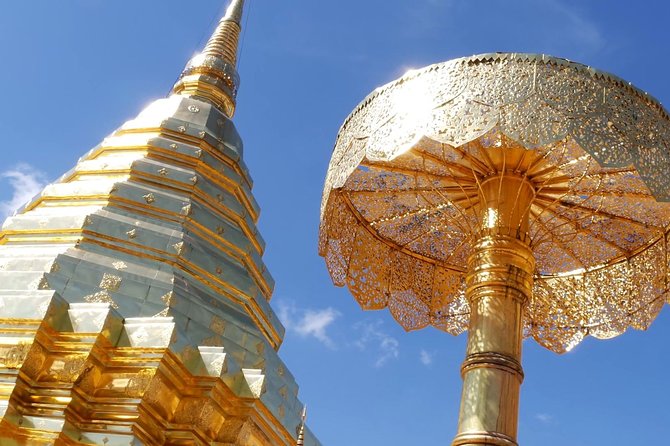
Stop two is the heart of the tour: Wiang Kum Kam. You’ll have about 1 hour here, and admission is free. The site is described as a historic settlement and archaeological location along the Ping River, and that geographical detail matters.
The Ping River angle is one of the reasons this place feels different from a standard temple complex. It’s not only “temples on land.” The river is part of the story—how the city functioned, how it changed, and why excavation work later revealed what’s visible now.
This is also where the guided explanations earn their keep. When a guide is comfortable with the chronology—how this became a former capital, and how it connects to later Chiang Mai—you end up understanding the ruins as a sequence, not random monuments.
If you want sharper photos, use your hour to capture both wide views (to show the site layout) and a few close details (so you have something that tells a story later). An efficient strategy is: take one “overview” early, then circle back for closer shots once you know where to look.




Stop 3: Chiang Mai City Arts and Cultural Centre + the 3 Kings Monument Area
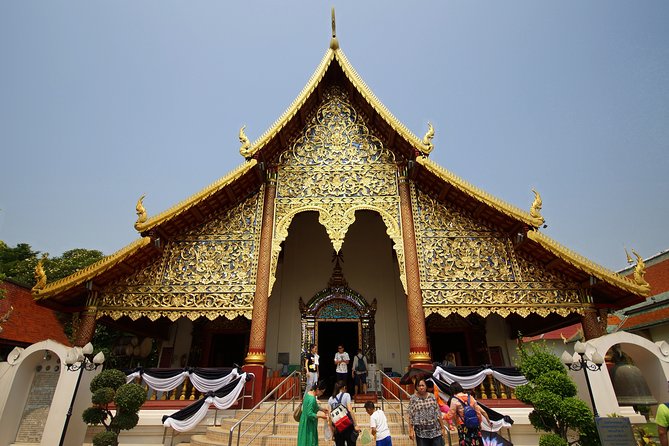
Your final stop pairs history with interpretation. You’ll visit the Chiang Mai City Arts and Cultural Centre, located in the Old City area behind the Three Kings Monument. The centre sits inside a restored building that dates back to the 1920s, so even before you get into exhibits, the setting reinforces the theme: preserving and explaining local heritage.
You’ll spend about 1 hour here, and admission is included.
What makes this centre valuable is that it doesn’t just show artifacts—it helps stitch together Chiang Mai’s timeline. Expect photos, old artefacts, maps, and an audio-visual display that traces the city’s story from early settlers to modern Chiang Mai. There’s also a small-scale replica of a traditional wooden village, which is especially helpful if you want a more human sense of what life might have looked like.
If the centre is closed on Mondays, the tour can still operate. That’s useful to know if you’re planning your trip around a Monday, because you won’t automatically lose the day—just be prepared for how the schedule may shift.
The Guide Factor: When Explanations Make Ruins Click
One thing that clearly stands out from feedback is the impact of the guide. In one case, Mr Boy picked guests up on time and offered helpful, clear explanations tied to each temple visited. That’s exactly what you hope for on an ancient-site tour: not just logistics, but understanding.
Here’s what you should look for during the tour: simple, chronological explanations. When a guide can explain why a temple is where it is, and how it connects to the larger story, you get more out of the stones. Even if your Thai is limited, history becomes universal when it’s explained in plain language.
If you care about history, this is the difference between seeing old structures and understanding what changed over time.
Price and Value: Why $47-ish Can Make Sense
At $47.07 per person, this tour sits in a value-friendly range for a guided, multi-stop morning. The price isn’t just paying for walking around. You’re also paying for three key conveniences:
- round-trip hotel transfers
- a guided tour structure across multiple sites
- the horse-drawn carriage ride being included
Those inclusions matter because they remove extra spending and extra decision-making. If you tried to piece this together on your own, you’d likely end up paying for transportation anyway, and you might still feel like you’re guessing which sites are the best “sequence.”
One practical consideration: food isn’t included. So the real “value” depends on what you’ll do before or after. If you build this tour into a day with breakfast and then plan lunch afterward, you’ll feel like you got a lot for your money.
Also, because it’s a group tour, it helps keep costs down. The trade-off is shared timing, but for most people, the benefit is worth it.
What to Bring and How to Time Your Day
This tour includes temples, ruins, and an indoor cultural centre. That mix is great, but you should come prepared for both outdoor walking and indoor viewing.
Bring:
- water (since food and drinks aren’t included)
- comfortable shoes for uneven ground typical of older sites
- a light layer if the morning feels cooler than expected
Then plan your day around a clean finish. After the cultural centre, you’ll likely want food and a bit of downtime. This is not a late-afternoon “keep going” type of itinerary, so schedule something relaxed afterward.
If you’re aiming to shop or explore the Old City later, you’re positioned well because the cultural centre sits in the Old City area behind the Three Kings Monument.
Who This Tour Suits Best (and Who Might Want Something Else)
This tour is a strong fit if you:
- want a guided historical overview without having to plan each leg
- like ancient sites but still want clear explanations
- prefer simpler logistics with hotel pickup
- enjoy “slow travel” moments like a carriage ride
It may not be the best match if you:
- want a long, unguided deep look at ruins for hours on end
- hate group pacing or photo-sharing
- need food included as part of your tour routine
If you’re visiting Chiang Mai for the first time and you want one outing that gives you both a major archaeological site and a cultural context stop, this is the kind of tour that fits.
Book This or Skip It? My Straight Answer
Book it if you want a smart, time-efficient way to see Wiang Kum Kam with guidance, plus a cultural centre that explains the city you’re standing in. The combination of carriage included, hotel transfers, and a tight itinerary around key sites is exactly the kind of value that works well when you’re trying to get the most out of limited vacation time.
Skip it if you’re in a mode where you’d rather wander independently, spend longer on fewer sites, or you need your tour to include meals. Also consider Monday plans: the arts and cultural centre is closed on Mondays, even though the tour still runs.
If you’re flexible and want the easiest path to an authentic-feeling ancient-city morning, this is a solid choice in Chiang Mai.
FAQ
How long is the Chiang Mai Ancient City Tour of Wiang Kum Kam?
It runs for approximately 3 hours 30 minutes.
What is included in the tour price?
The tour includes round-trip transfers from your hotel, a horse-drawn carriage ride, and a guided tour covering Wiang Kum Kam’s ruined temples, the 3 Kings Monument, and the Chiang Mai City Arts and Cultural Centre.
Is food or drinks included?
No. Any food, drinks, or snacks are not included.
Do I need to buy tickets for the sites?
No for these stops as described: Wat Kuu Kham and Wiang Kum Kam have free admission, and the Chiang Mai City Arts and Cultural Centre admission is included.
Is hotel pickup available?
Yes. Round-trip transfers from Chiang Mai hotels are provided.
What if I’m traveling solo?
You can book as a single traveler, but the tour requires at least 2 people to operate, so it’s subject to availability.
Is there a limit on group size?
Yes. The tour has a maximum of 15 travelers.
Is the Chiang Mai City Arts and Cultural Centre open every day?
It is closed on Mondays, but the tour can still operate.
Can I request a guide in another language?
Yes. For Spanish, French, German, or Russian speaking guides, you can upgrade to a Private Tour PLUS for an additional Baht 800.00 (whole party).
What’s the cancellation policy?
You can cancel for a full refund up to 24 hours in advance of the experience start time. If you cancel less than 24 hours before, the amount you paid is not refunded.